
Sewer Services
Get a free quote for sewer services from your local plumbing team.
We’ll contact you about your sewer services request. Privacy policy
Hear from Our Customers
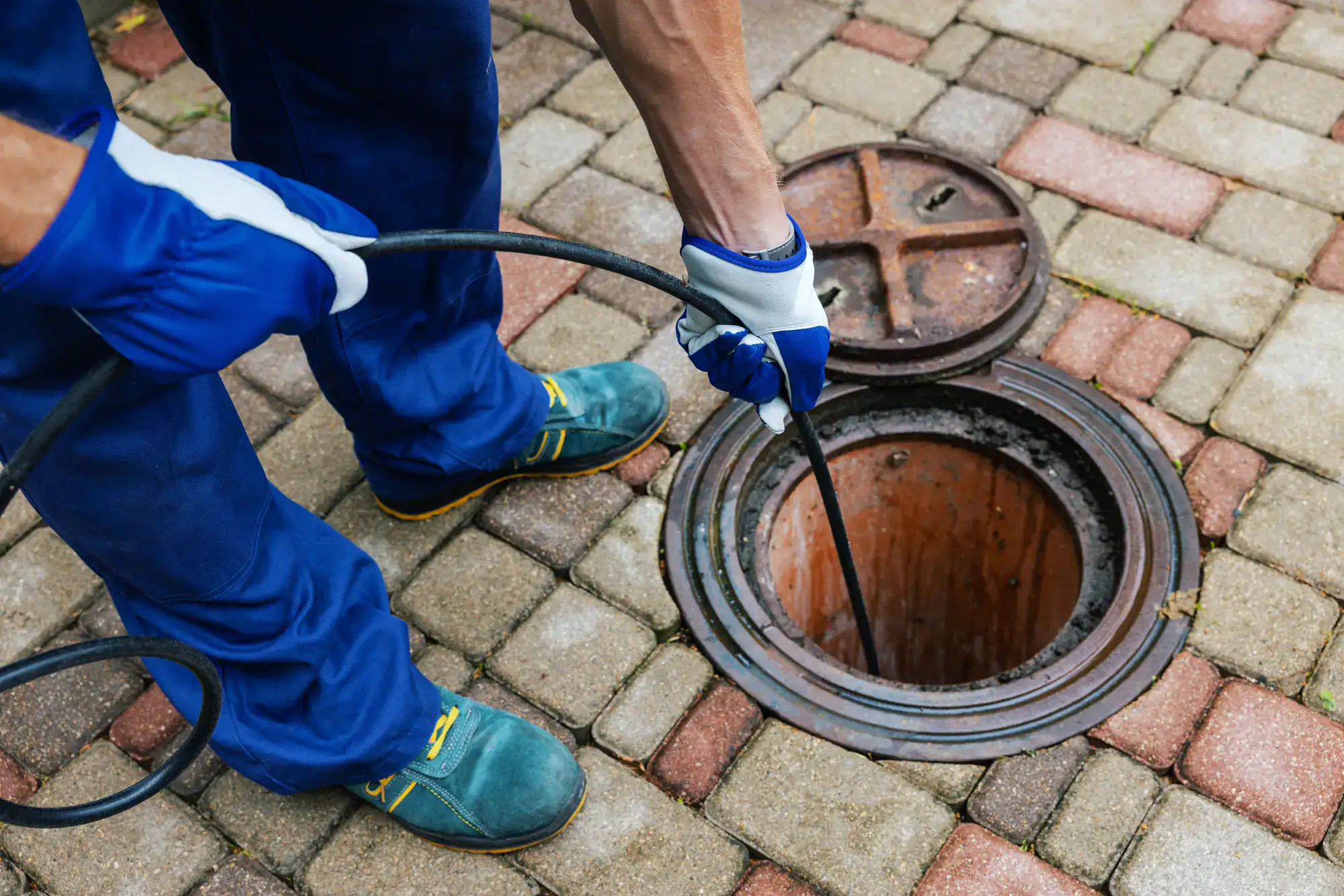
A slow drain you’ve been ignoring for six months is rarely just a slow drain. In Sacramento’s older neighborhoods Midtown, East Sacramento, Land Park, Curtis Park the combination of clay pipes that have been in the ground for 60 to 100 years and root systems from some of the most mature street trees in California creates a very specific kind of sewer problem. It builds quietly, then it doesn’t.
When the line is properly repaired, the symptoms stop. No more gurgling after a flush. No more standing water in the shower. No more sewage odor creeping in through the floor drain. But the real difference is what you don’t have to think about anymore especially heading into Sacramento’s rainy season, when the city’s combined sewer system is already under stress and a compromised lateral can turn a winter storm into a sewage backup inside your home.
Sacramento’s clay-heavy soil expands in the wet months and contracts when summer temperatures push past 100°F. That cycle happens every single year, and it gradually shifts pipe joints, creates low spots where waste pools, and opens up gaps that roots find immediately. Getting ahead of that cycle with a real repair, not just a snake means you’re not calling someone in a panic at 9 p.m. in January.
We’ve been serving Sacramento County for over 24 years. That means we’ve worked in the Fabulous Forties, under the elm-lined streets of Land Park, and in the older neighborhoods near Downtown where sewer systems date back to the early 1900s. This isn’t a national brand that planted a flag in Sacramento we’re a licensed, owner-operated business with a 4.7-star Google rating and nearly 100 reviews from real customers who called with real problems.
Ryan Murray runs this operation personally. His name is on the business, and his reputation is tied directly to every job our team completes. Customers consistently mention that the final bill matched or came in under the original estimate, which is genuinely rare in this industry and in this market.
We hold a California CSLB C-36 Plumbing Contractor License, are fully bonded and insured, and handle the entire permit and inspection process for every sewer job in Sacramento including compliance with Sacramento Area Sewer District (SacSewer) standards. You don’t have to navigate the building department. That’s already handled.
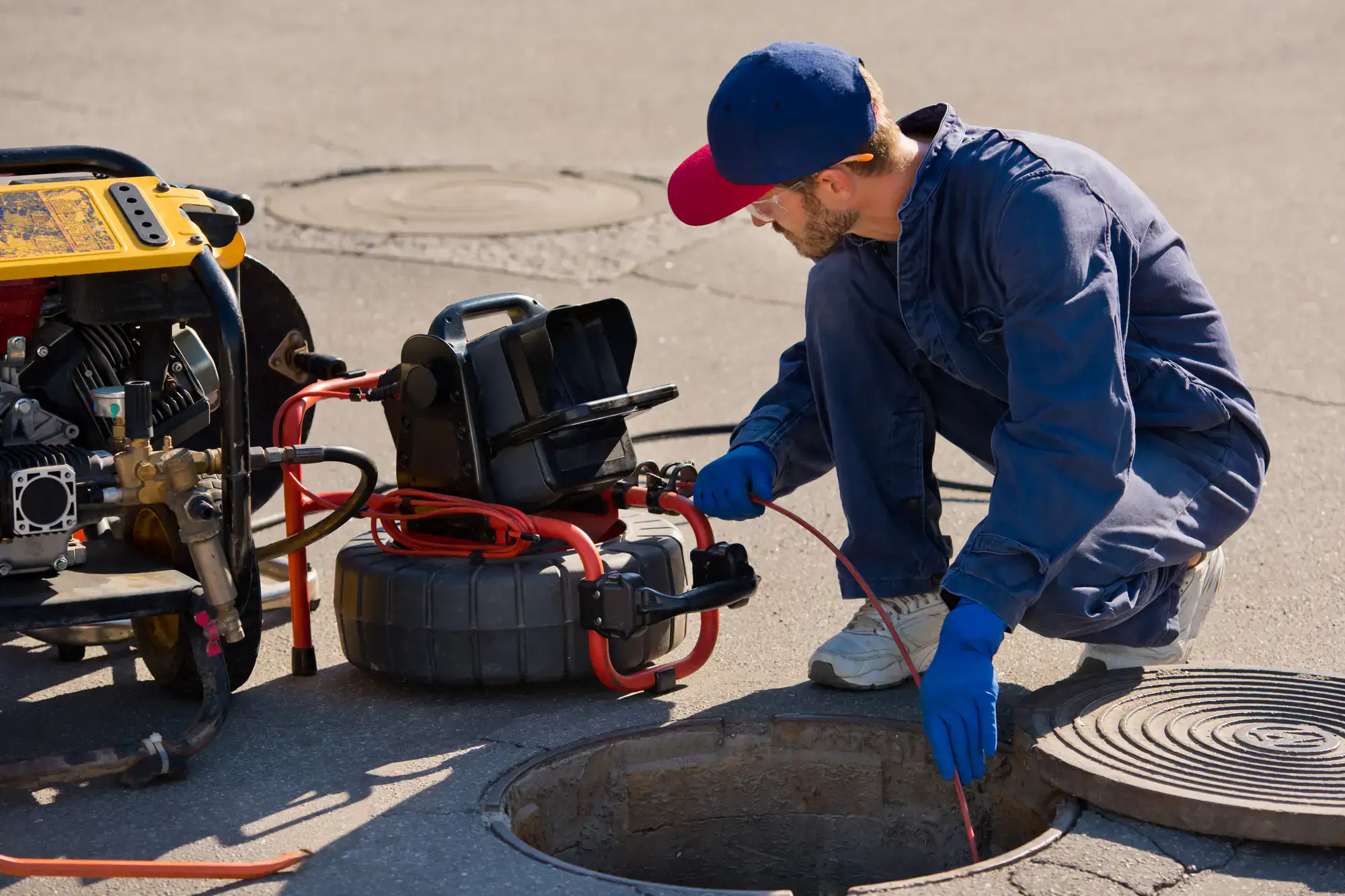
It starts with a camera. Before we recommend anything, a sewer camera goes into your line so you can see exactly what’s happening a root intrusion, a pipe offset from soil movement, a belly where waste is pooling, or a collapsed section of aging clay pipe. You watch it on a screen. The diagnosis is based on what’s actually there, not on an estimate built around assumptions.
Once the problem is confirmed, you get a specific price before any work begins. Not a range. Not a “starting at.” A number. If the repair can be done trenchlessly which protects your landscaping, driveway, and any hardscaping you’ve invested in that option gets explained clearly, along with when traditional excavation is actually the better call. Sacramento’s established neighborhoods carry a lot of landscaping value, and trenchless methods are used wherever the line conditions support it.
We pull all required permits from the City of Sacramento and schedule the city inspection directly. If your property has been flagged by SacSewer, the repair is completed to their published standards and the documentation is handled so the notice gets properly closed out. When the job is done, it’s done inspected, permitted, and documented. No loose ends.
Ready to get started?
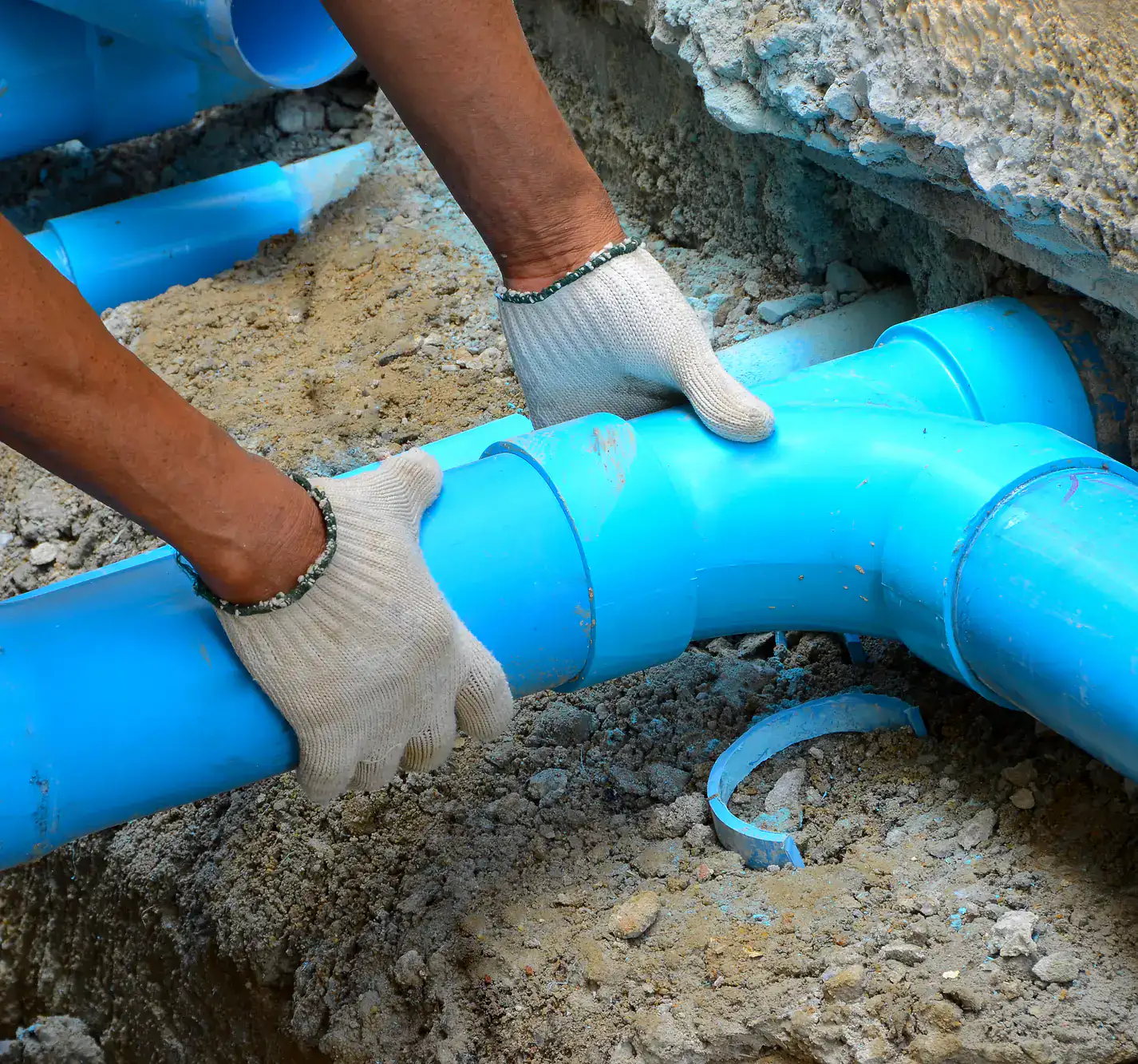
We handle the full range of residential sewer repair in Sacramento from spot repairs on a cracked lateral in Oak Park to full main sewer line replacements in older homes near Downtown. Root intrusion clearing, pipe relining, trenchless pipe bursting, traditional excavation when necessary, hydro jetting, and sewer line camera inspections are all part of what we offer depending on what your line actually needs.
The camera inspection isn’t an upsell it’s the starting point on every job. Sacramento homeowners have been quoted thousands of dollars in unnecessary repairs by contractors who didn’t bother to look first. The camera is how we avoid that entirely. You see the problem. You hear the recommendation. You agree to a price. Then the work starts.
For homeowners in Sacramento’s combined sewer service area which covers Downtown, Midtown, East Sacramento, Land Park, and Oak Park we understand what it means to repair a lateral that ties into a system built in 1914. The repair has to meet SacSewer’s current standards, and the permit process has to be done correctly. If you’ve heard about the SacSewer Upper Lateral Loan Program which offers up to $15,000 in low-interest financing for qualifying lateral repairs we can walk you through how that applies to your situation before any work begins.
Sacramento’s combined sewer system covers roughly 7,500 acres of the city’s core neighborhoods Downtown, Midtown, East Sacramento, Oak Park, Land Park, and parts of the River Park area. If your home was built before the 1960s and sits in any of these neighborhoods, there’s a good chance your lateral connects to the combined system.
The most reliable way to confirm is to check with the Sacramento Area Sewer District (SacSewer) directly, or have us run a camera inspection and trace where your lateral connects. This matters because the combined system operates differently than a separated sewer it carries both stormwater and sewage through the same pipes, and during Sacramento’s rainy season, that system gets stressed fast. A compromised lateral in the CSS service area isn’t just a plumbing inconvenience. It’s a real backup risk every time it rains.
Sewer repair costs in Sacramento generally range from around $650 for a minor spot repair to $7,500 or more for significant damage, with full line replacements potentially reaching $15,000 depending on depth, access, pipe material, and length of the run. The average repair lands somewhere around $4,000, but that number means very little without a camera inspection to confirm what’s actually going on.
What drives cost up in Sacramento specifically is the combination of factors that are common here clay pipe that’s been shifting in clay soil for decades, mature tree roots that have had 50 to 100 years to infiltrate lateral joints, and older homes in neighborhoods like East Sacramento or Land Park where the pipe is deep and access isn’t straightforward. Trenchless methods can reduce cost significantly when the line condition supports it, because they eliminate excavation labor and landscape restoration. We give you a firm price after the camera inspection before anything else happens.
When SacSewer flags a property, it means their inspection process identified a defect in your upper lateral the section of sewer pipe that runs from your home to the public main. You’re typically required to repair or replace the defective section within a set timeframe, and the work has to meet SacSewer’s published standards and pass a city inspection before the notice is officially closed.
This process involves pulling permits through the City of Sacramento, completing the repair to SacSewer specifications, and scheduling the inspection. It’s not complicated if your contractor knows the process but it creates real headaches if they don’t, or if they complete the work without pulling permits. We handle the entire compliance process from start to finish, including permit applications, SacSewer-compliant repairs, and inspection scheduling. One other thing worth knowing: SacSewer offers an Upper Lateral Loan Program with low-interest financing up to $15,000 for qualifying repairs. If cost is a concern, that program exists specifically for situations like yours.
Yes and in Sacramento, it’s the most common cause of serious sewer line failure. The city’s urban tree canopy is one of the largest in the country, and the root systems of mature elms, oaks, and sycamores that line streets in neighborhoods like Curtis Park, Boulevard Park, and the Fabulous Forties have had decades to grow toward the nearest source of moisture and nutrients which is your sewer lateral.
Roots don’t break through solid pipe. They find existing vulnerabilities a hairline crack, a slightly open joint in aging clay pipe and they infiltrate from there. Once inside, they grow into masses that restrict flow, cause backups, and eventually break the pipe structure entirely. What starts as a slow drain becomes a full blockage, and eventually a collapsed section. The fix depends on how far the intrusion has progressed: hydro jetting and pipe lining can address early-stage root infiltration, while more advanced damage may require pipe bursting or excavation. A camera inspection tells you exactly where you stand.
Most sewer repairs in Sacramento are completed in one day. The timeline depends on the scope a trenchless spot repair or pipe lining job typically wraps up faster than a full excavation and replacement, but even more involved work usually doesn’t stretch beyond two days for a standard residential lateral.
Whether your yard gets disturbed depends heavily on the condition of the pipe and which repair method applies. Trenchless pipe lining and pipe bursting require minimal excavation usually just a small access point at each end of the repair zone which means your landscaping, driveway, and hardscaping stay largely intact. In Sacramento’s established neighborhoods, where homeowners have invested significantly in front yard landscaping, that matters. Traditional excavation is sometimes the right call particularly when a pipe has collapsed or shifted severely and when that’s the case, we’ll explain exactly why before the work begins, not after.
It almost always gets worse. A slow drain or occasional gurgling toilet might seem manageable, but in Sacramento’s environment, those symptoms are typically early signs of a problem that’s actively progressing. Clay soil movement from the city’s seasonal wet-dry cycle keeps stressing pipe joints year after year. Root systems keep growing. And once a crack opens up in an aging lateral, it doesn’t close on its own.
The timing also matters in Sacramento specifically because of the rainy season. A lateral that’s 40% blocked in October can become a full sewage backup in January when the combined sewer system is handling heavy rain and your compromised pipe can’t keep up. Homeowners who call in the fall before the rains arrive generally have more repair options and lower costs than those who call after a backup has already happened. If you’ve noticed any symptoms, the camera inspection is the right first step. It’s a low-cost way to find out exactly what you’re dealing with before the decision gets made for you.