
Sewer Services
Get a free quote for sewer services from your local plumbing team.
We’ll contact you about your sewer services request. Privacy policy
Hear from Our Customers
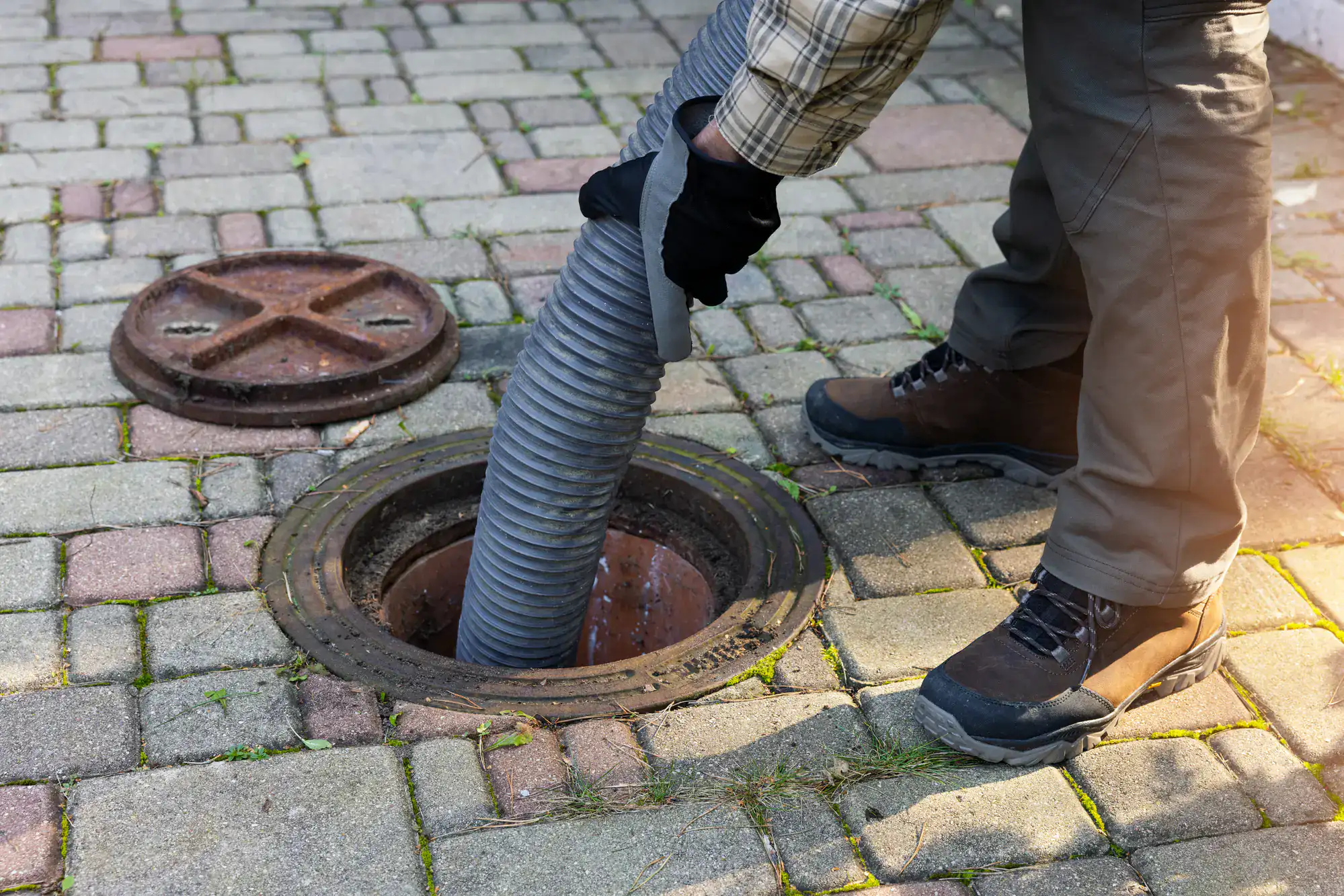
A lot of South Natomas homeowners have already had their drains snaked. Maybe more than once. The drain runs for a few weeks, then slows down again because snaking clears the symptom, not the cause. When the real issue is a cracked clay pipe or a root system that’s been growing into your sewer lateral for thirty years, a snake isn’t going to hold. What you actually need is someone who can see what’s happening underground before recommending anything.
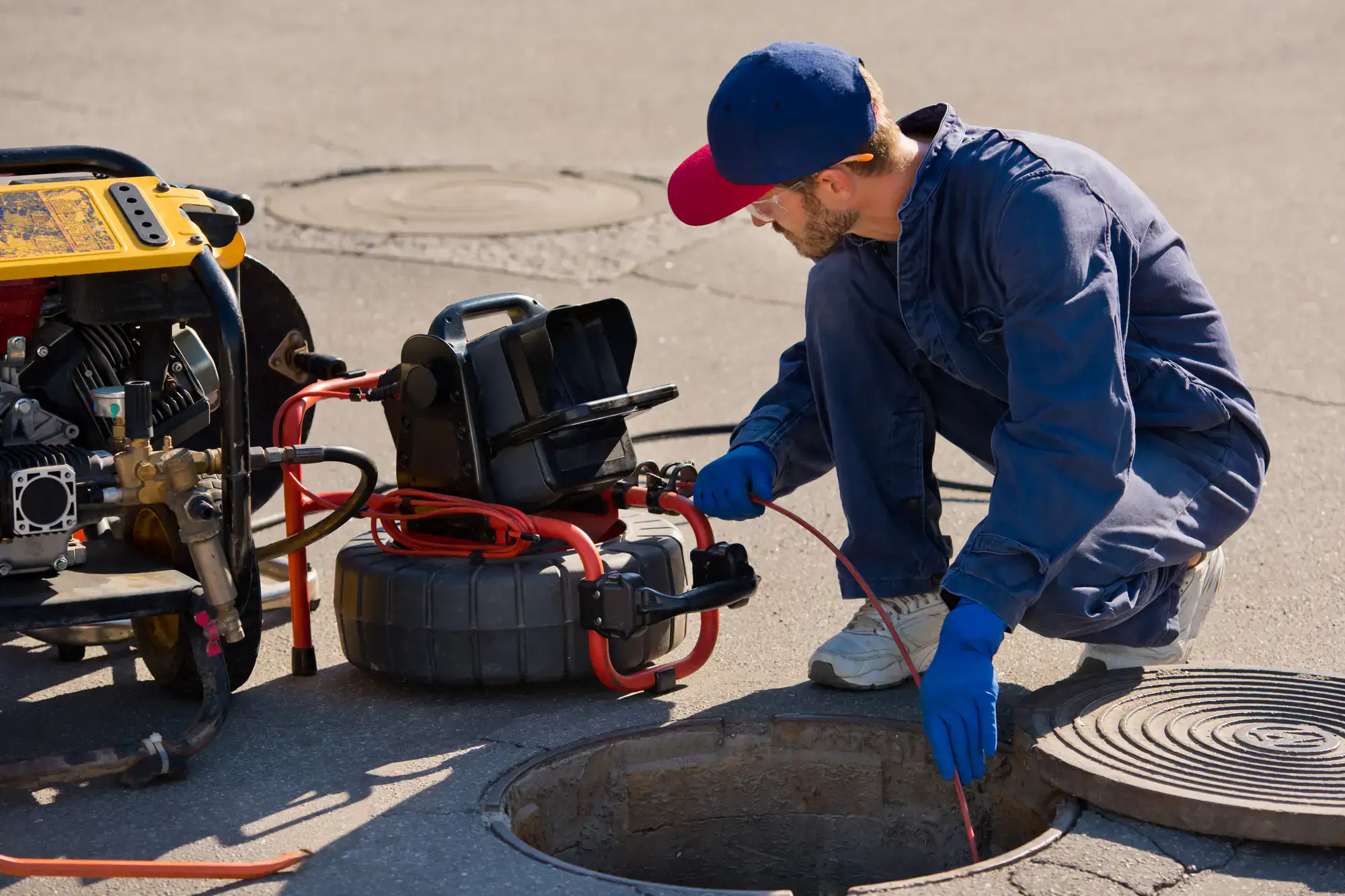
That’s the difference a camera inspection makes. You’re not taking anyone’s word for it. You watch the footage, you see the problem, and you understand exactly what needs to happen next. No guessing, no upselling based on symptoms alone.
South Natomas sits on expansive clay soils that shift with every wet winter and dry summer Sacramento throws at it. Over 40 or 50 years, that seasonal movement pulls pipe joints out of alignment and opens gaps exactly where roots find their way in. The mature trees lining these neighborhoods aren’t just beautiful. Their root systems have been growing since the same decade your pipes were installed, and they’re actively looking for moisture. Once you know what’s actually inside your line, the repair plan makes sense. Until then, you’re guessing and paying for it repeatedly.
We’ve been operating in the Sacramento region for over 24 years. Not a franchise. Not a call center routing your job to whoever’s available. When you call, you’re dealing with a company where the owner’s name is on the truck and on every review and that accountability shows up in how the work gets done.
South Natomas is a neighborhood we know well. The homes between Truxel Road and the American River Parkway, the clay soil conditions specific to the Natomas Basin, the aging pipe materials in houses built before 1980 this isn’t background reading for us. It’s what we see on camera jobs in South Natomas regularly.
A 4.7 out of 5 on Google across 93 reviews doesn’t happen by accident. Customers consistently mention on-time arrivals, honest assessments, and final costs that came in at or below the original quote. That’s the standard every job gets held to including yours.
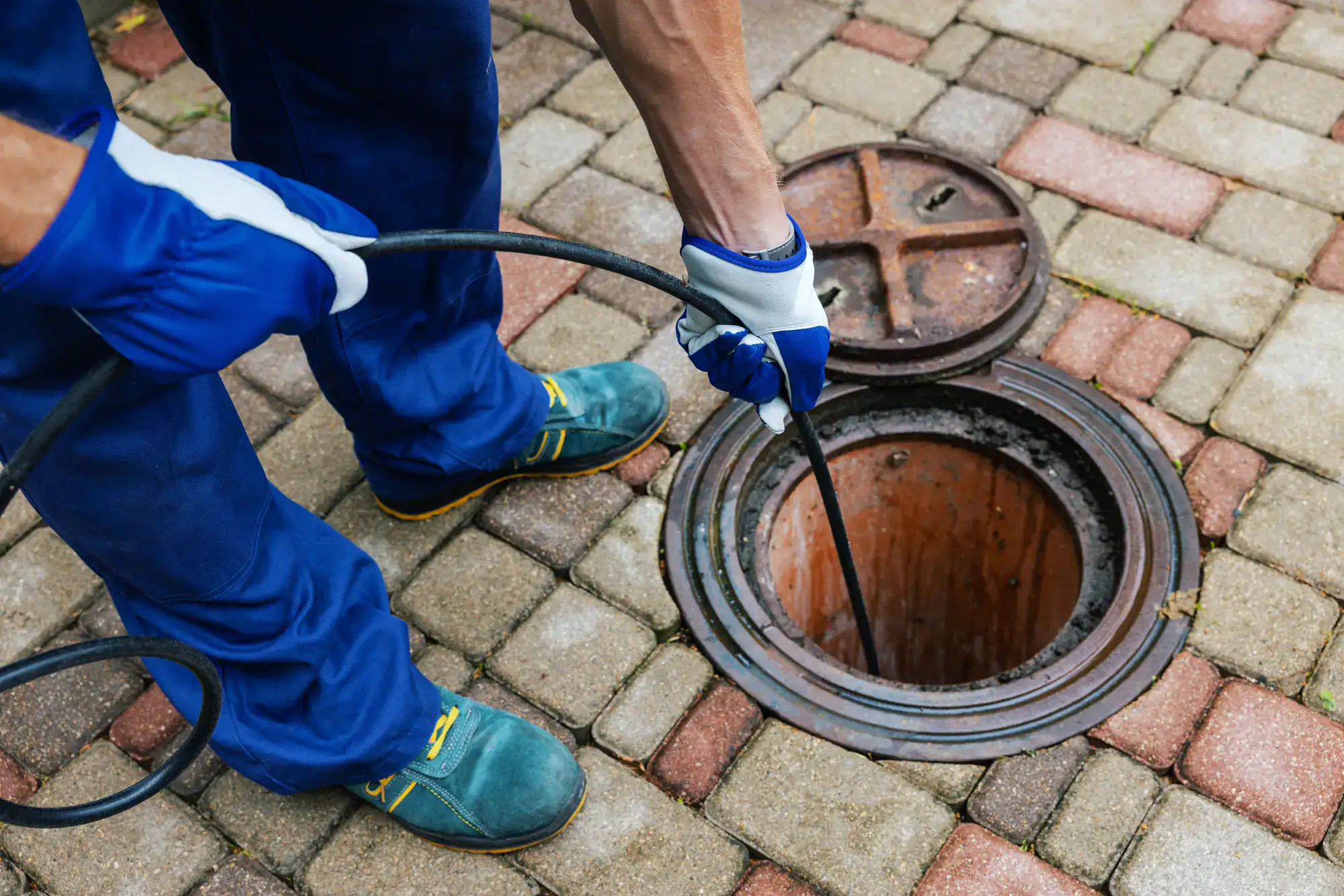
It starts with a camera inspection every time, no exceptions. Before anything is recommended, a camera goes into the line so you can see what’s actually there. In South Natomas, where a lot of homes are sitting on original clay pipe from the 1960s and 1970s, that footage tells a very specific story: joint separation from soil movement, root intrusion from mature landscaping, corrosion, or in some cases a pipe that’s held up surprisingly well. Whatever the camera shows, that’s what drives the conversation.
Once the diagnosis is clear, you get a straightforward explanation of what needs to happen and the exact cost to do it before any work begins. No estimate ranges, no “starting at” figures. A real number. If the repair is straightforward, it gets done the same day in most cases. If it requires a permit from the City of Sacramento, we pull it, schedule the city inspection, and manage the entire process through sign-off. You don’t have to track down a permit office or wonder if the work was done to code.
When the job is finished, the site gets cleaned up and you get documentation of the completed, inspected repair. Work that’s properly permitted protects you at resale and in a neighborhood where buyers are increasingly asking for sewer inspection records, that paperwork matters.
Ready to get started?
Every sewer repair job starts with a camera inspection not as an upsell, but as the baseline. In South Natomas specifically, where homes built between the 1950s and 1980s are sitting on clay and cast-iron laterals that are now 40 to 70 years old, skipping the camera means guessing. We don’t guess on your dime.
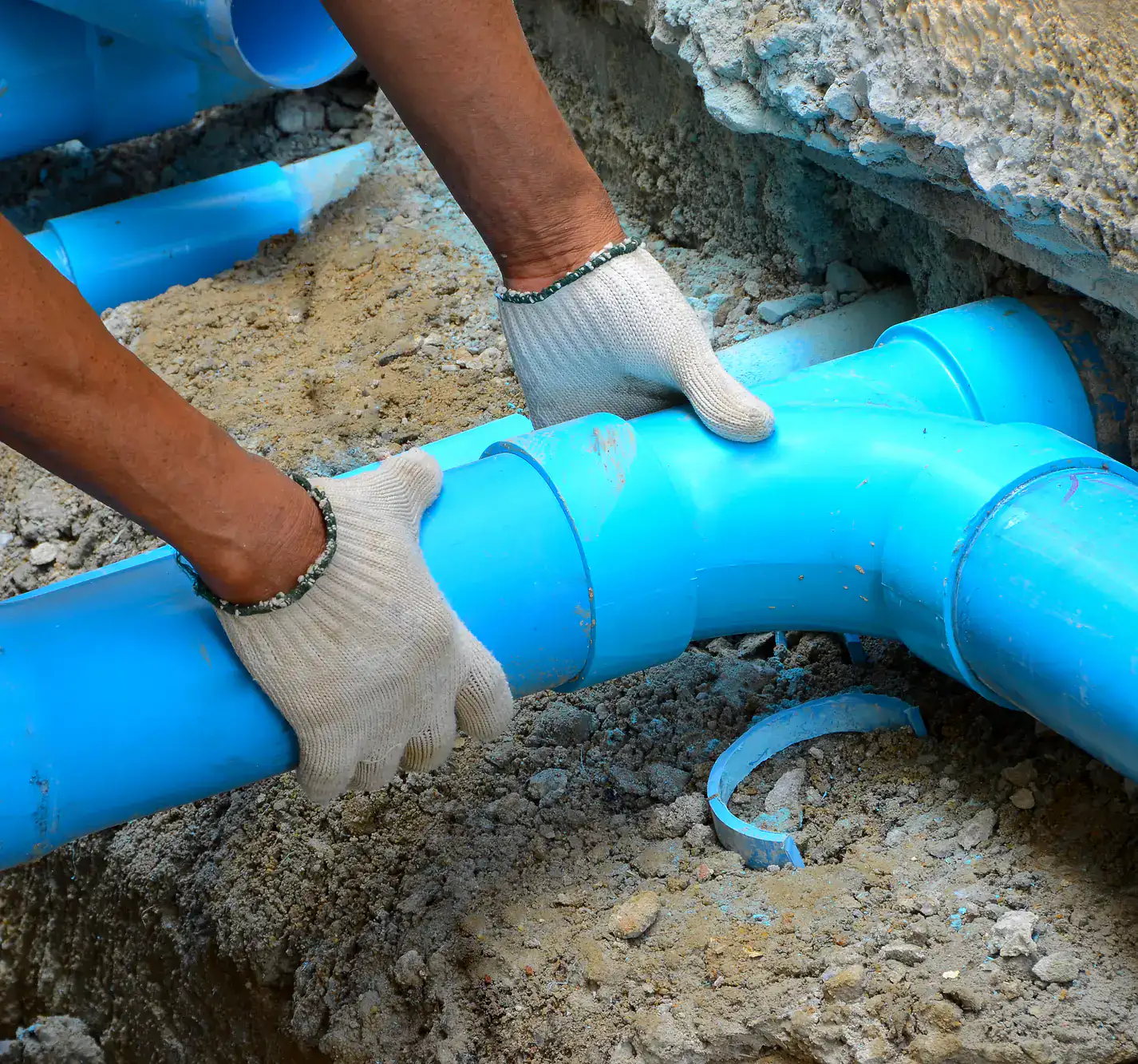
Depending on what the camera shows, repairs range from hydro jetting to clear root intrusion, to targeted pipe section replacement, to full sewer lateral replacement when the pipe has deteriorated past the point of patching. When conditions allow, trenchless methods pipe lining or pipe bursting are used to minimize excavation and protect your yard, driveway, and landscaping. Not every job qualifies for trenchless, and you’ll be told honestly whether it applies to your situation before anything is decided.
The full scope includes permit pulling, coordination with City of Sacramento inspectors, and cleanup after the work is done. If you’re in the Natomas Basin and dealing with a line that’s been infiltrated by groundwater or compromised by decades of seasonal soil movement, the repair plan accounts for those conditions not just the visible symptom. The goal is a fix that holds, not one that buys you another few months before the problem returns.
The honest answer is that you often can’t tell without a camera inspection. Slow drains and gurgling toilets can mean a partial blockage that a cleaning will resolve or they can mean a cracked pipe, a collapsed section, or a joint that’s been pulled apart by soil movement. In South Natomas, where most homes were built before 1980 on clay soil that shifts seasonally, the symptoms of a minor clog and a failing pipe can look identical from inside your house.
A camera inspection removes the guesswork entirely. You see the inside of the line, and the recommendation is based on what’s actually there not on a worst-case assumption. If a cleaning is all it takes, that’s what we recommend. If there’s structural damage that a cleaning won’t fix, you’ll see it on the footage before anyone asks you to spend money on repairs. That’s the only way to give you an honest answer.
There are a few things working against sewer lines in South Natomas specifically. The biggest factor is age most homes in this neighborhood were built between the 1950s and 1980s, which means the sewer laterals are now 40 to 70 years old. Clay pipe, which was the standard material for that era, holds up reasonably well for decades but becomes increasingly vulnerable to cracking, joint separation, and root intrusion as it ages past the 40-year mark.
The second factor is the Natomas Basin’s clay soil. It expands when wet and contracts when dry a cycle that repeats every year with Sacramento’s wet winters and dry summers. Over time, that movement shifts pipe joints out of alignment. The third factor is the mature tree canopy throughout South Natomas. Root systems from trees planted in the 1950s and 1960s have been growing for 60 or 70 years, and aging clay pipe joints are exactly the kind of moisture source they find. These three things together old pipe, shifting soil, and established root systems are why sewer problems are common in this neighborhood.
Yes sewer line repair and replacement in South Natomas requires a permit from the City of Sacramento, and the completed work has to pass a city inspection before it’s considered code-compliant. This applies to work on the lateral running from your home to the city main, which is the homeowner’s responsibility. A lot of homeowners don’t realize that distinction many assume the city handles everything underground, but the line from your foundation to the city main is yours to maintain and repair.
We manage the entire permit process. That means pulling the permit, scheduling the city inspection, and getting the work signed off you don’t have to navigate the City of Sacramento’s Community Development Department on your own. This matters beyond just compliance. Unpermitted sewer work can surface as a liability when you sell your home, and buyers’ inspectors are increasingly flagging it. Having a properly permitted, inspected repair on record protects your investment and avoids complications down the road.
Cost varies depending on what the camera finds. A targeted repair on a specific section of pipe say, a cracked joint or a short collapsed section typically runs in the range of $1,500 to $4,000 depending on depth, access, and whether trenchless methods apply. A full sewer lateral replacement on a longer run can reach $7,500 to $15,000 or more, though most residential jobs in South Natomas fall well below the top of that range.
What matters most is that you know the number before any work starts. We give you a firm price based on what the camera shows not a range, not a “starting at” figure that grows once the job is open. Some customers have reported paying less than their original quote when the job came in under scope. The camera inspection is what makes accurate pricing possible, because it eliminates the guesswork that leads to mid-job surprises.
Yes tree root intrusion is one of the most common causes of sewer line failure, and it’s especially relevant in South Natomas. The neighborhood’s mature landscaping includes trees whose root systems have been growing since the 1950s and 1960s. In Sacramento’s dry summers, when surface moisture disappears, those roots extend deeper and further in search of water. Aging clay pipe joints even ones with very small gaps are exactly the kind of entry point they find. Once roots are inside the pipe, they grow, expand, and eventually block or break the line entirely.
Whether a repair is permanent depends on what the camera shows. If the pipe itself is structurally sound and the roots entered through a minor joint gap, hydro jetting to clear the roots combined with a pipe lining to seal the joint can hold for many years. If the pipe has deteriorated to the point where roots have caused structural damage cracks, collapsed sections, significant joint separation then a repair or replacement of that section is the more durable solution. You’ll get an honest read on which situation you’re dealing with before anything is recommended.
Repair means fixing a specific section of the pipe replacing a cracked joint, relining a deteriorated stretch, or addressing a localized collapse. Replacement means pulling out the old lateral entirely and running a new one from the house to the city main. Which one applies to your situation depends entirely on what the camera shows and how far the deterioration has spread.
In South Natomas, where a lot of homes have original clay pipe that’s been in the ground for 50 to 70 years, it’s not uncommon for the camera to reveal that damage isn’t isolated to one spot it’s spread across multiple sections of the line. When that’s the case, doing a series of targeted repairs often costs more over time than replacing the lateral once with modern PVC pipe, which is far more resistant to root intrusion and soil movement. If your home falls into that category, you’ll be told clearly why replacement makes more financial sense than repeated patching and you’ll see the footage that supports that recommendation before any decision is made.