
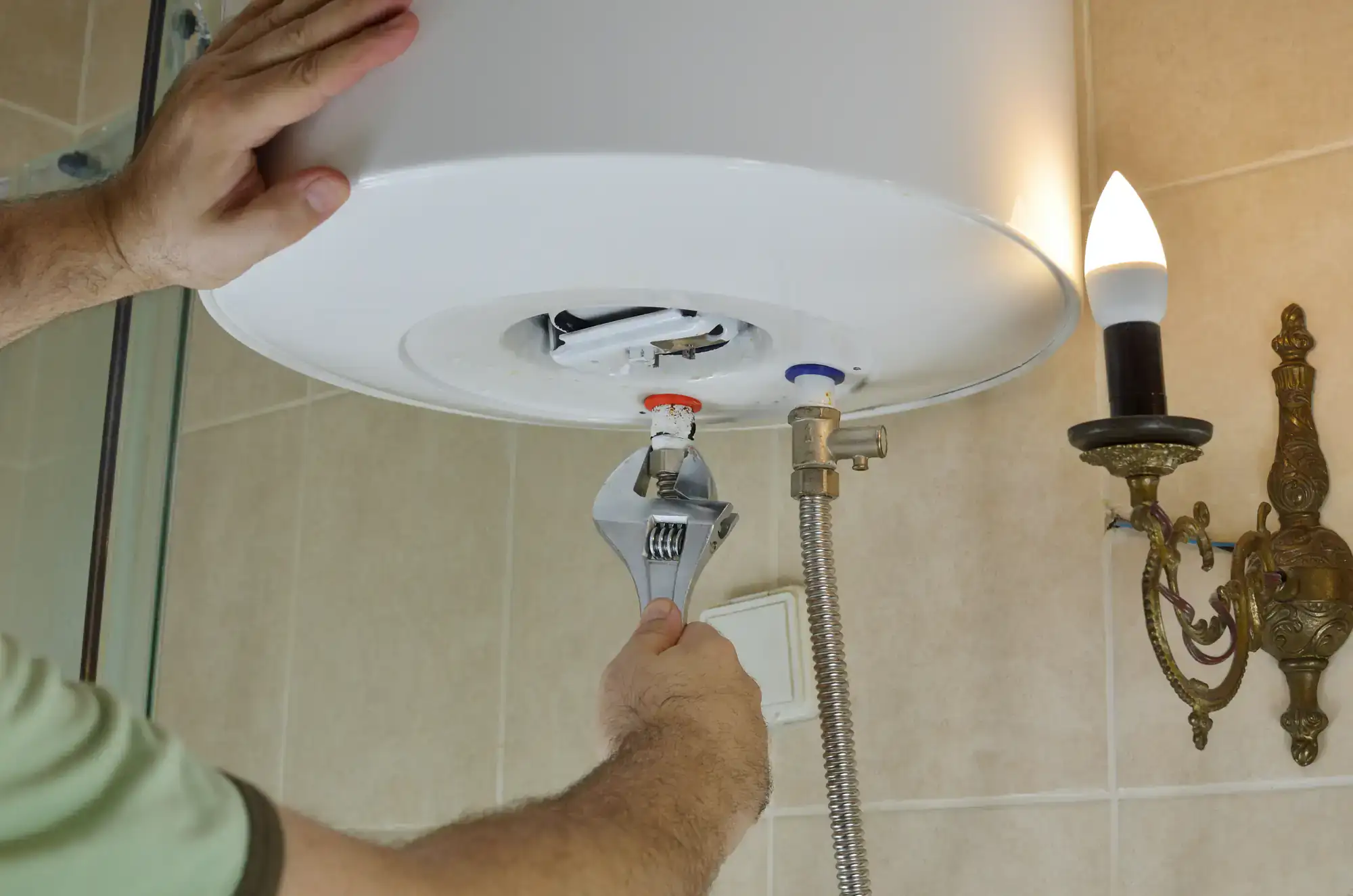
Tankless Water Heater Installation
Get a free quote for tankless water heater installation from your local plumbing team.
We’ll contact you about your tankless water heater installation request. Privacy policy
Hear from Our Customers
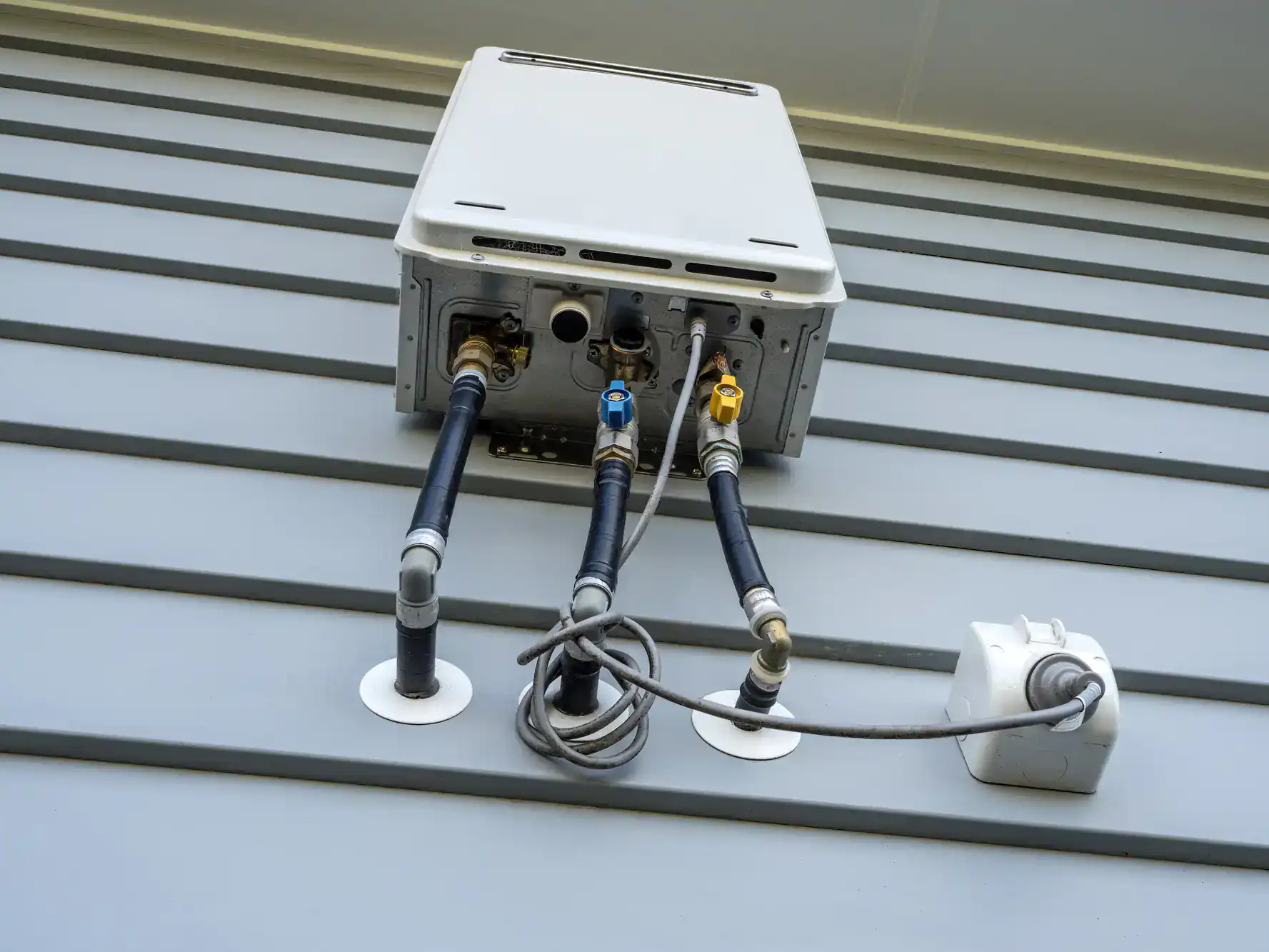
You stop rationing hot water. No more timing showers around each other, no more cold finishes, no more wondering if the tank is going to hold out through another winter. A properly sized tankless unit delivers hot water on demand as much as you need, when you need it and it does that for 20-plus years without the replacement cycle a traditional tank puts you through every decade or so.
For Citrus Heights homes, that matters more than people realize. A large portion of the housing stock here was built between the 1950s and 1980s, which means a lot of these tank water heaters are running on borrowed time. When temperatures drop toward the low 40s in January and February, those aging units work harder than they’re built to and that’s when failures spike. Switching to a tankless system before that happens isn’t just a comfort upgrade, it’s a practical one.
The energy savings are real too. Tankless units eliminate standby heat loss entirely that slow, constant energy drain that happens while a tank keeps 40 to 50 gallons hot around the clock whether you’re using it or not. Most households see water heating costs drop by 24 to 37 percent after making the switch. Over the lifespan of the unit, that adds up to something worth paying attention to.
Murray Plumbing was founded in 2009 by Ryan Murray, who built the business himself after a career in construction. No franchise backing, no corporate playbook just a licensed contractor who knew the work and bet on his own reputation. That’s still how we run today.
Citrus Heights incorporated in 1997 and has been building its own identity ever since. We’ve been serving Sacramento County right alongside that growth handling jobs from the Rusch Park neighborhoods to the older ranch homes near Auburn Boulevard, and everything in between. Our team knows Citrus Heights’ own Building and Safety Division, the permit portal, and the specific installation requirements that apply here. That’s not something you get from a call center routing jobs to whoever’s available.
The 4.7 out of 5 rating across 93 Google reviews didn’t happen by accident. It happened because the work gets done right, the pricing is straight, and our technicians actually show up when they say they will.
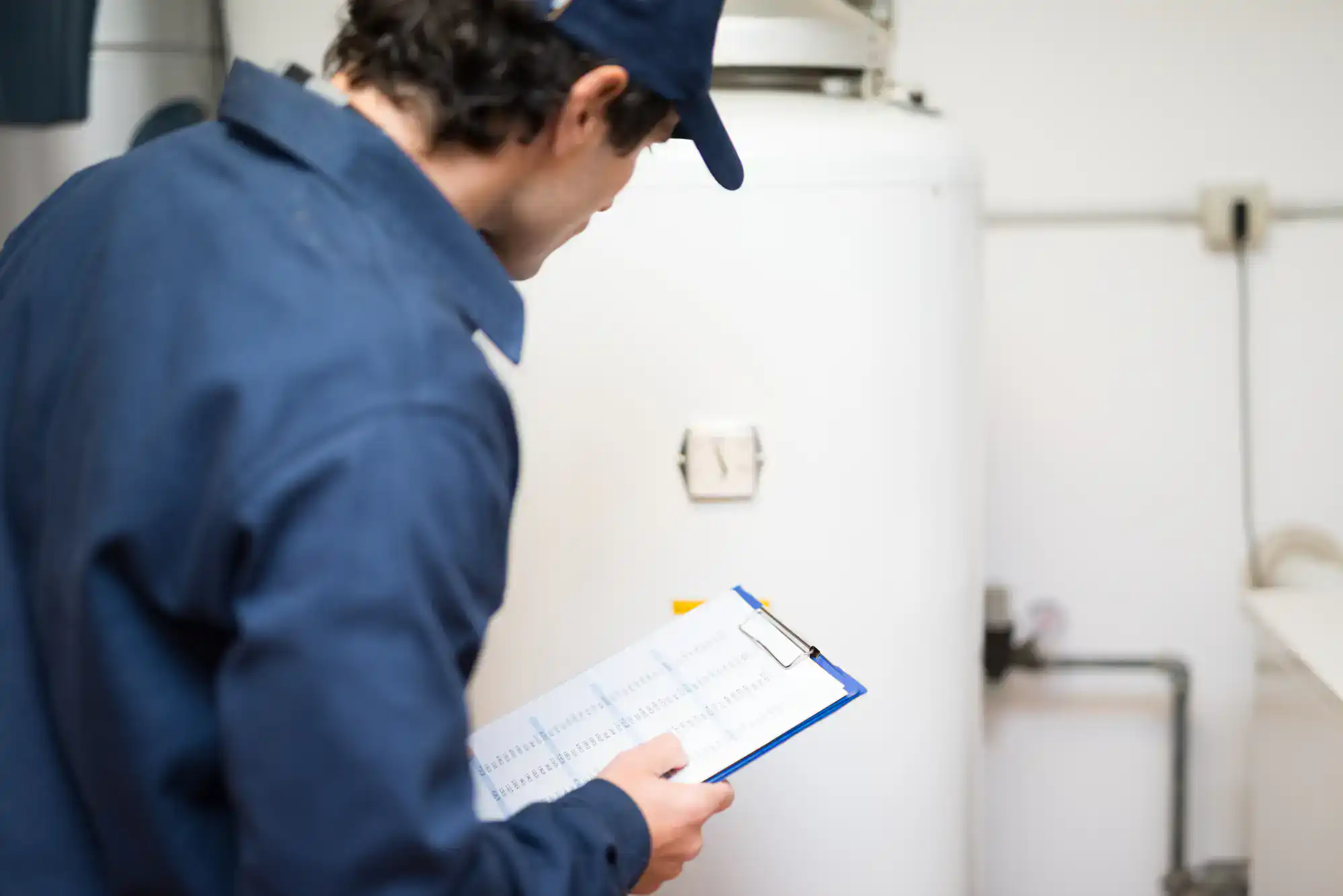
It starts with a call. You describe what you have, what you’re dealing with, and what you’re trying to accomplish. From there, a licensed technician comes out to assess your home checking your existing gas line, venting setup, and water supply to make sure the right unit gets recommended for your actual usage, not a generic estimate.
Before anything gets installed, you get a complete quote. That means the unit, the labor, any gas line upgrades if your current supply line needs to be upsized, and the permit. In Citrus Heights, a permit is required for every water heater installation the city runs its own Building and Safety Division with its own online Citizen Access Portal, separate from Sacramento County’s system. We handle the submission, the scheduling, and the inspection. You don’t touch the paperwork.
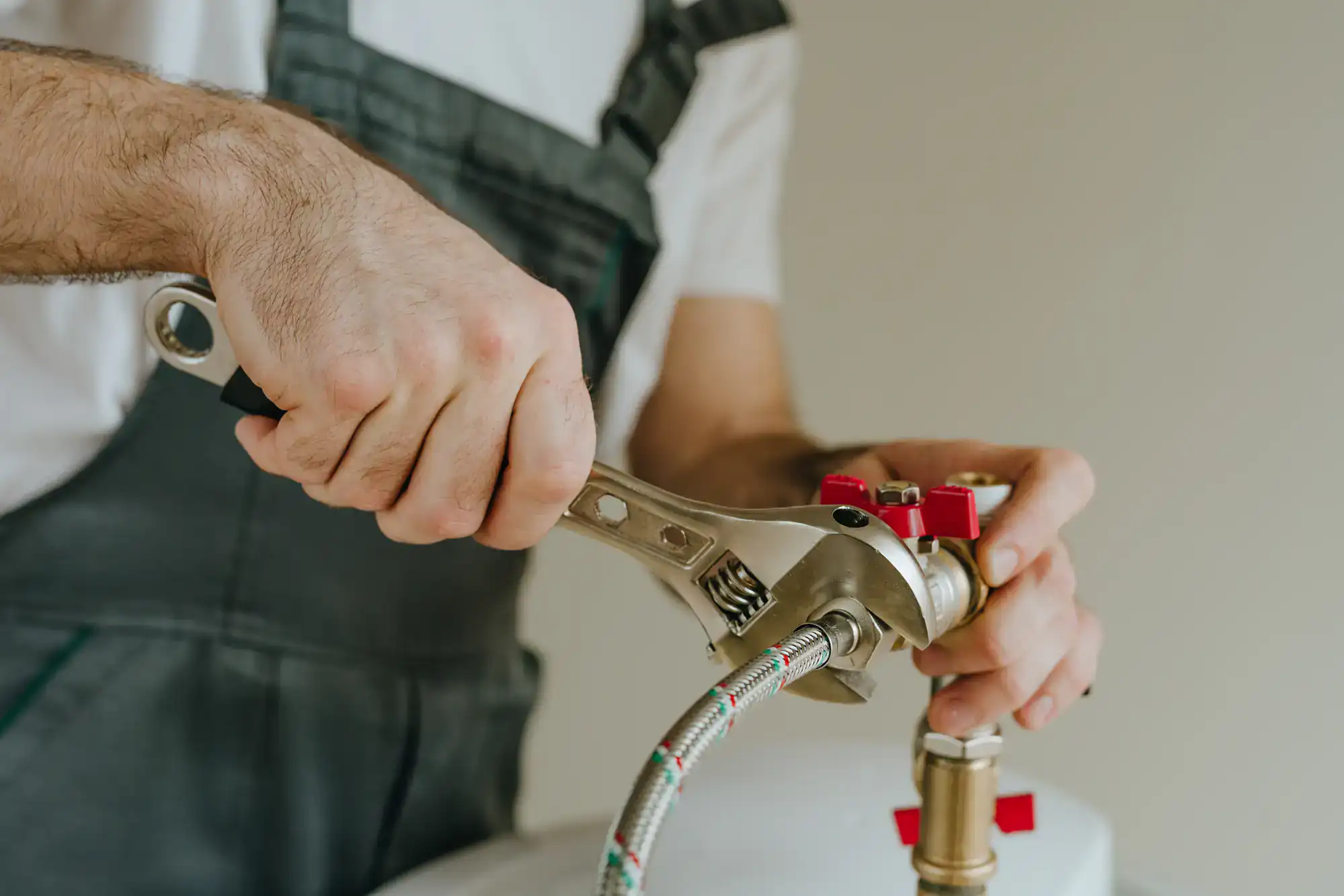
Installation typically takes four to six hours. Our technician handles everything from disconnecting the old unit to mounting the new one, running the venting, connecting the gas and water lines, and confirming the system fires correctly before leaving. Citrus Heights’ code also requires seismic strapping under CPC Section 507.2 that’s included as part of every installation, not an add-on. When the inspector signs off, you’re done. Hot water, no tank, no recurring replacement cycle.
Ready to get started?
Every tankless water heater installation in Citrus Heights includes a pre-installation home assessment, full permit acquisition and management through the city’s Citizen Access Portal, seismic strapping per CPC Section 507.2, proper combustion air and Type B gas venting per CPC Section 506, and a final system check before our technician leaves. If your gas line needs to be upgraded to support the new unit’s demand which is common in homes built before the 1980s that’s identified upfront and quoted before any work begins.
Citrus Heights is served by three separate water districts: Citrus Heights Water District, California-American Water, and Sacramento Suburban Water. Depending on which district serves your address, water hardness can vary from relatively soft municipal supply to groundwater running as high as 160 ppm in parts of the city. That matters for tankless systems because harder water accelerates mineral buildup in the heat exchanger. We account for this during installation service valves are placed to make descaling straightforward, and the recommended maintenance schedule reflects your actual water conditions, not a one-size-fits-all interval.
Same-day service is available on most calls, and we maintain 24/7 emergency availability, which means a failed water heater at 10 PM doesn’t have to mean a cold morning. Pricing is quoted in full before work starts, and our final bills have come in under estimate more than once. That’s not a guarantee, but it’s the kind of track record that shows up in the reviews.
Yes a permit is required for every water heater installation in Citrus Heights, and it’s worth understanding that the city runs its own permitting system, separate from Sacramento County’s building department. The City of Citrus Heights has its own Building and Safety Division, its own published installation requirements under document CHB1700, and its own online Citizen Access Portal where permits must be submitted and processed.
Those requirements include seismic strapping at the upper and lower thirds of the unit per CPC Section 507.2, combustion air provisions per CPC Section 506, and proper Type B gas venting per manufacturer specs and applicable code. If any of that sounds like a lot to manage on top of an already stressful situation, that’s exactly why we handle the entire permit process as part of every installation. You don’t create an account, you don’t submit paperwork, and you don’t coordinate the inspection. That’s included in the job.
Most tankless water heater installations in Citrus Heights run between $1,400 and $3,895, depending on the unit you choose, the condition of your existing gas line, and what venting modifications your home requires. The national average sits around $2,629, and that range holds up pretty well for the Sacramento area.
Where costs can shift is on the gas line side. Homes built in the 1950s through 1970s which make up a significant portion of Citrus Heights’ housing stock often have supply lines that are undersized for the higher BTU demand of a tankless unit. If that’s the case, upgrading the line typically adds $1,500 to $2,500 to the project. We identify that during the pre-installation assessment and quote it before any work begins, so there are no mid-job surprises. The permit fee through the city’s Building and Safety Division is also factored into the quote upfront.
A standard tankless water heater installation takes four to six hours from start to finish. That covers disconnecting and removing the old unit, mounting the new tankless system, running the venting, connecting the gas and water lines, and confirming everything fires correctly before our technician leaves.
If your home needs a gas line upgrade which is more common in the older ranch-style homes along Auburn Boulevard and surrounding neighborhoods that can add time to the project. It’s not a separate appointment, but it does extend the day. We communicate that upfront during the assessment so you know what to plan for. Most Citrus Heights jobs are completed in a single visit, and same-day scheduling is available on most calls, which means you’re not going multiple days without hot water while waiting for an open slot.
It can if the system isn’t installed with maintenance in mind. Citrus Heights is served by three separate water districts, and water hardness varies depending on which one supplies your address. Municipal supply from the Citrus Heights Water District runs relatively soft at around 53 ppm, but groundwater in other parts of the city can range from 98 to 160 ppm, which sits in the moderate-to-hard category.
At those hardness levels, calcium and magnesium deposits can build up inside the heat exchanger over time, reducing efficiency and eventually causing premature failure if the system isn’t descaled on a regular schedule. The fix isn’t complicated it’s a matter of installing proper service valves during the initial installation so that annual maintenance is straightforward, and setting a realistic descaling interval based on your actual water source. We account for local water conditions during the installation assessment and set up the system to make long-term maintenance as simple as possible.
For most Citrus Heights households, yes especially if you’re already on natural gas. Gas tankless units deliver higher flow rates than electric models, typically in the range of five to ten or more gallons per minute, which is enough to run two showers, a dishwasher, and a load of laundry simultaneously without running out of hot water. In a city where 40 percent of households have children under 18, that kind of peak demand capacity matters.
The main consideration is your existing gas infrastructure. Tankless units require more BTUs than a traditional tank heater, which means your current gas supply line and meter need to be sized appropriately. Homes built in the 1950s through 1970s a large portion of Citrus Heights’ housing stock sometimes need gas line upgrades before a tankless unit can be installed correctly. That’s not a dealbreaker, it’s just something that needs to be assessed and quoted honestly before the job starts. We do that assessment as the first step, every time.
Call us. The line is answered 24 hours a day, seven days a week not a voicemail, not an after-hours form. A real person picks up, and same-day service is available on most emergency calls, including nights and weekends.
Water heater failures in Citrus Heights tend to spike during the winter months, particularly in January and February when overnight temperatures drop toward the low 40s and aging tank units that have been struggling all year finally give out. If that happens on a Tuesday night before your household needs to get ready for school and a Sacramento commute, waiting until Friday isn’t a realistic option. Our 24/7 emergency availability exists specifically for that situation not as a premium add-on, but as part of how we operate. You call, someone answers, and the goal is to have hot water restored the same day you reach out.