
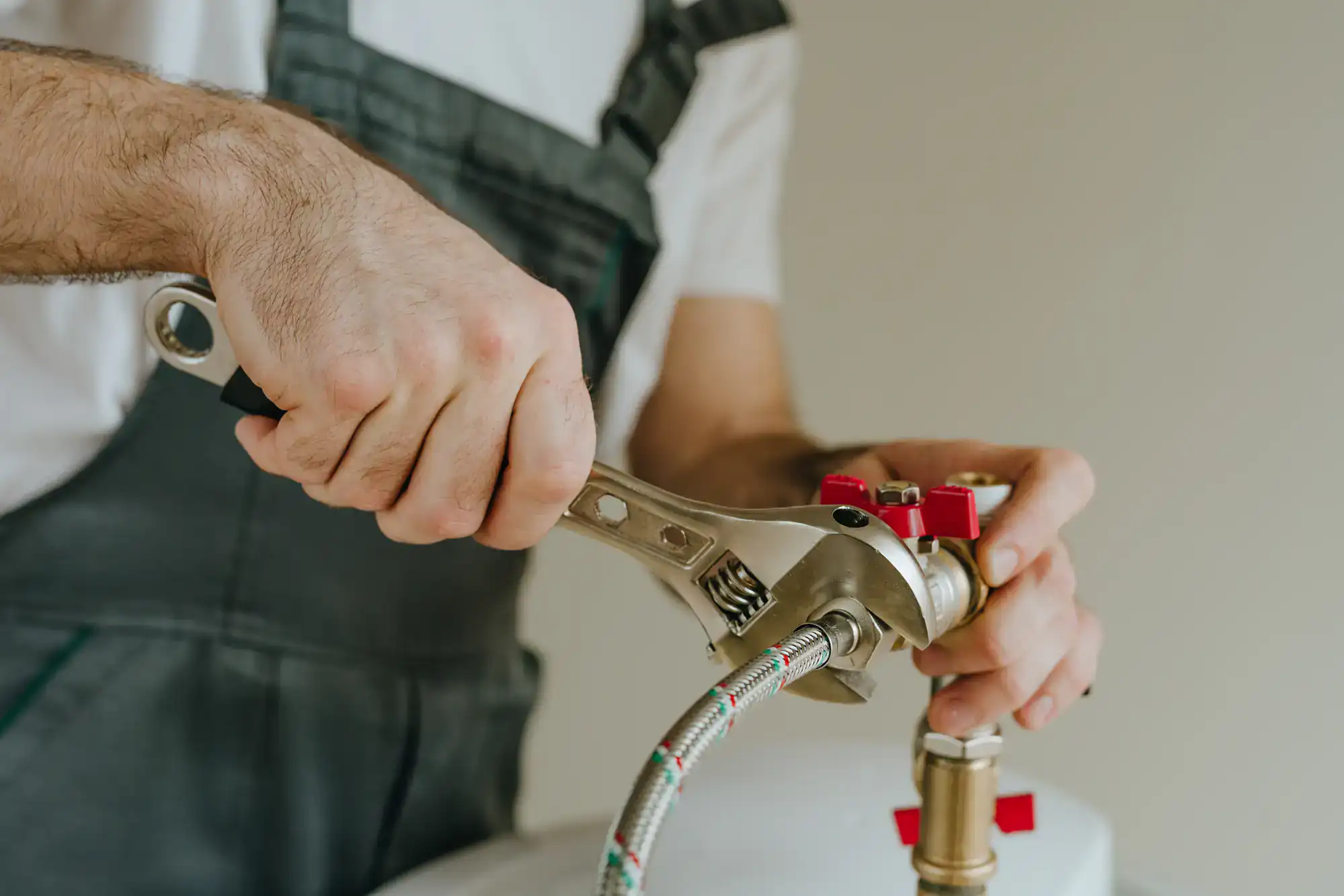
Tankless Water Heater Installation
Get a free quote for tankless water heater installation from your local plumbing team.
We’ll contact you about your tankless water heater installation request. Privacy policy
Hear from Our Customers
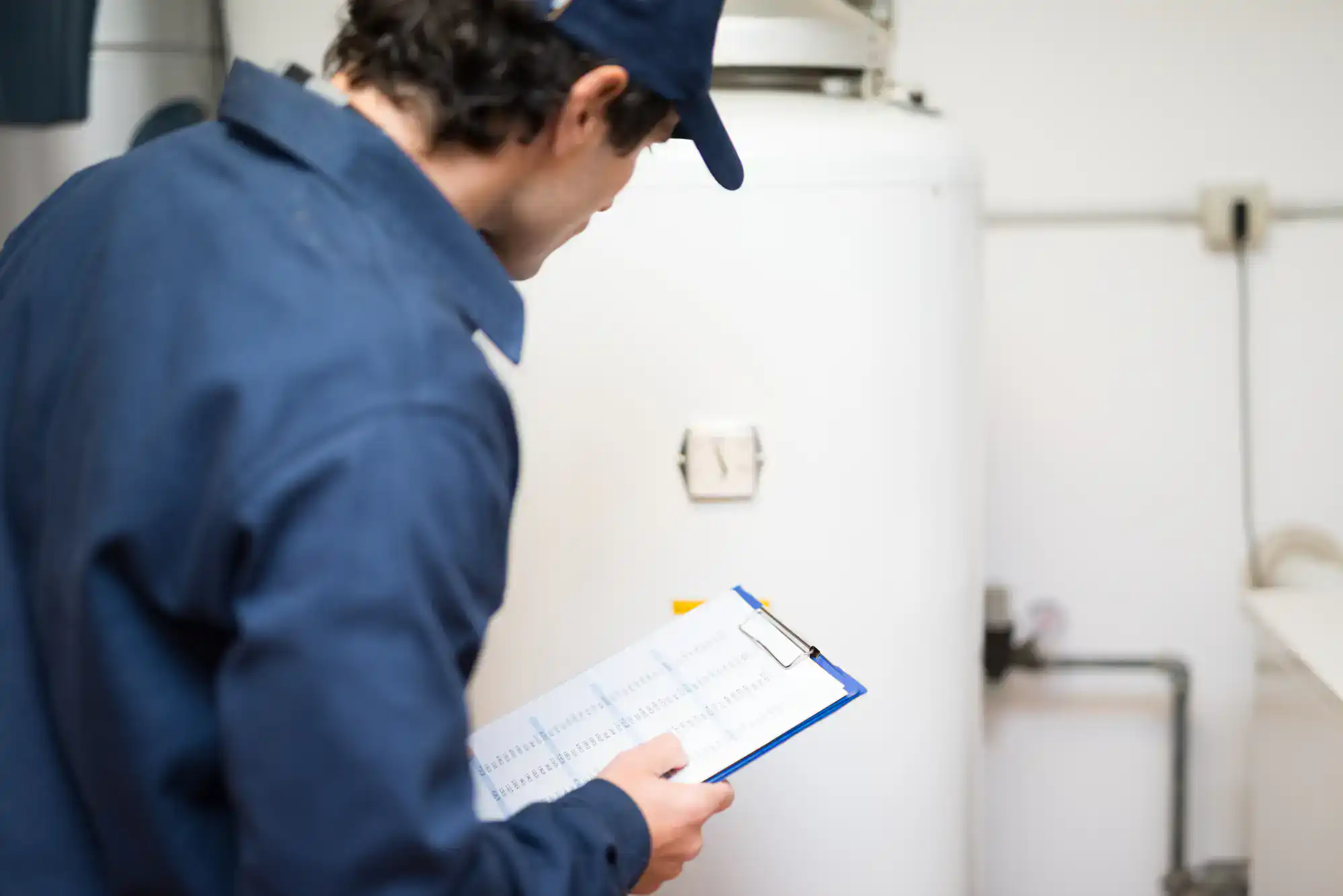
The most obvious change is immediate you stop running out of hot water. No more timing showers, no more cold finishes after someone else went first. A properly sized tankless unit heats water on demand, so the supply matches the need instead of fighting a fixed tank that’s been reheating the same water all day.
For a Colfax home, the sizing piece matters more than most people realize. Groundwater temperatures in the Sierra foothills drop significantly in winter, which means your system has to work harder to reach a usable output temperature. A unit sized for Sacramento’s mild winters will underperform here when January hits. Getting that sizing right from the start is the difference between a system that delivers and one that disappoints.
There’s also the long-term math. Tankless systems eliminate standby heat loss the energy burned by a conventional tank that keeps reheating stored water even when nobody’s using it. That can translate to up to 37% savings on your water heating costs. For a household in Colfax commuting west on I-80 to Roseville or Sacramento every day and watching monthly expenses carefully, that reduction shows up on a real bill, not just a brochure.
Murray Plumbing was founded in 2009 by Ryan Murray a licensed contractor who came up through construction and built this company from actual field experience. There’s no franchise behind it, no corporate playbook. We’re a licensed plumbing operation that knows Northern California homes and has been solving real plumbing problems across Placer County for over 15 years.
Colfax is core service territory for us not a stretch call, not an out-of-area exception. That means familiarity with Placer County permit requirements, older housing stock in the historic downtown district around Railroad Street and Main Street, and the infrastructure realities of rural acreage properties on roads like Iowa Hill Road and Tokayana Way. We show up on time, give you a complete price before touching anything, and don’t manufacture problems to pad an invoice.
A 4.7 out of 5 Google rating across 93 reviews isn’t a number we chase it’s what happens when the job is done right, the quote holds, and the technician actually shows up when we said they would.
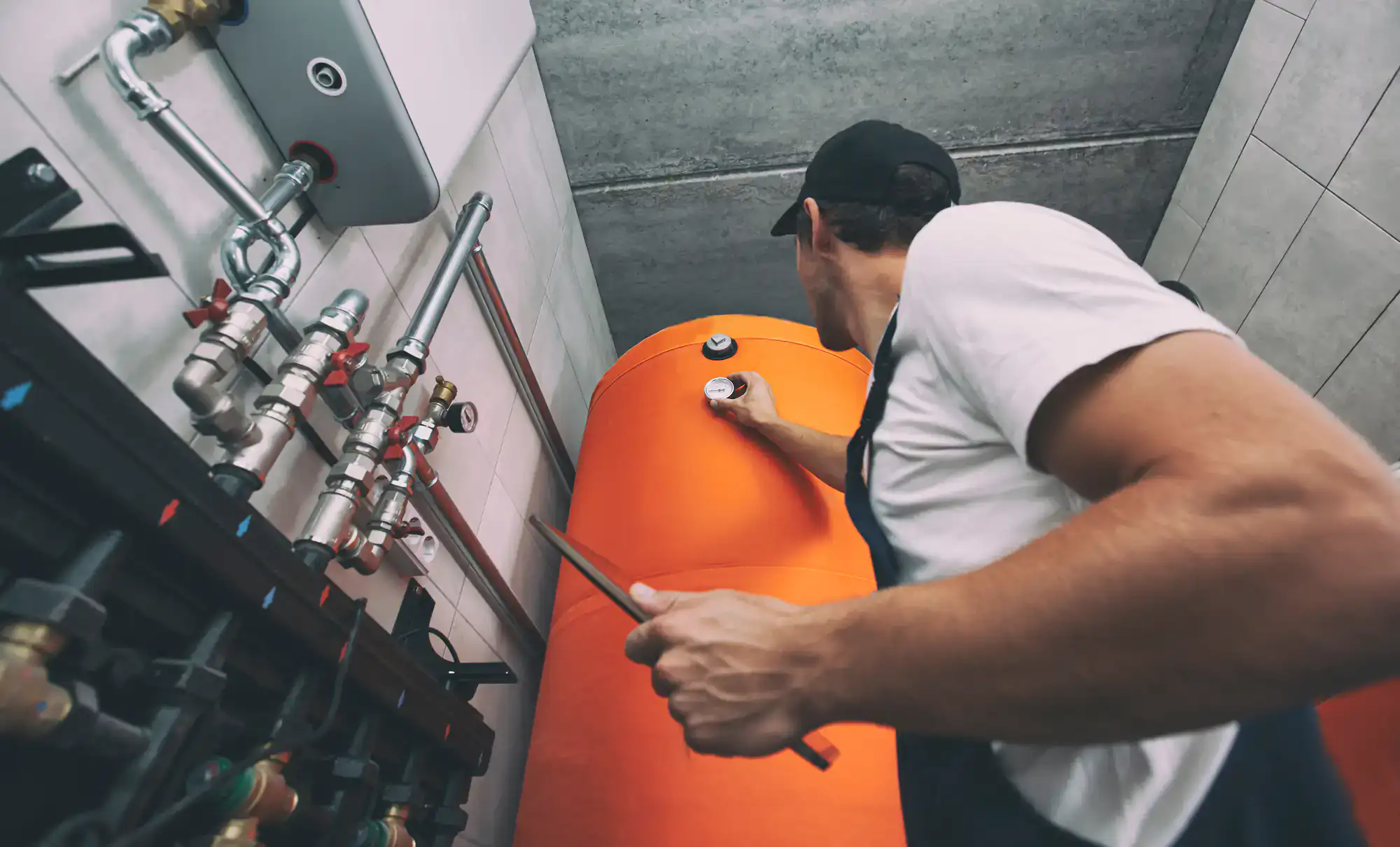
It starts with an honest assessment of your home’s existing infrastructure gas line size and capacity, venting configuration, and whether either needs upgrading before a tankless unit can be installed correctly. This step matters a lot in Colfax, where a significant portion of the housing stock is older. Victorian-era homes in the historic downtown area often have gas lines that were never sized for modern tankless equipment. If your home needs a gas line upgrade, you’ll know the full cost before any work begins not halfway through the job.
From there, we recommend the right unit for your home’s actual demand factoring in household size, peak usage, and Colfax’s colder incoming water temperatures in winter. Once you’ve agreed to the scope and the price, all required Placer County building permits are pulled before installation starts. That’s not optional it’s how a licensed contractor operates, and it’s what protects your homeowner’s insurance coverage if anything ever goes wrong down the road.
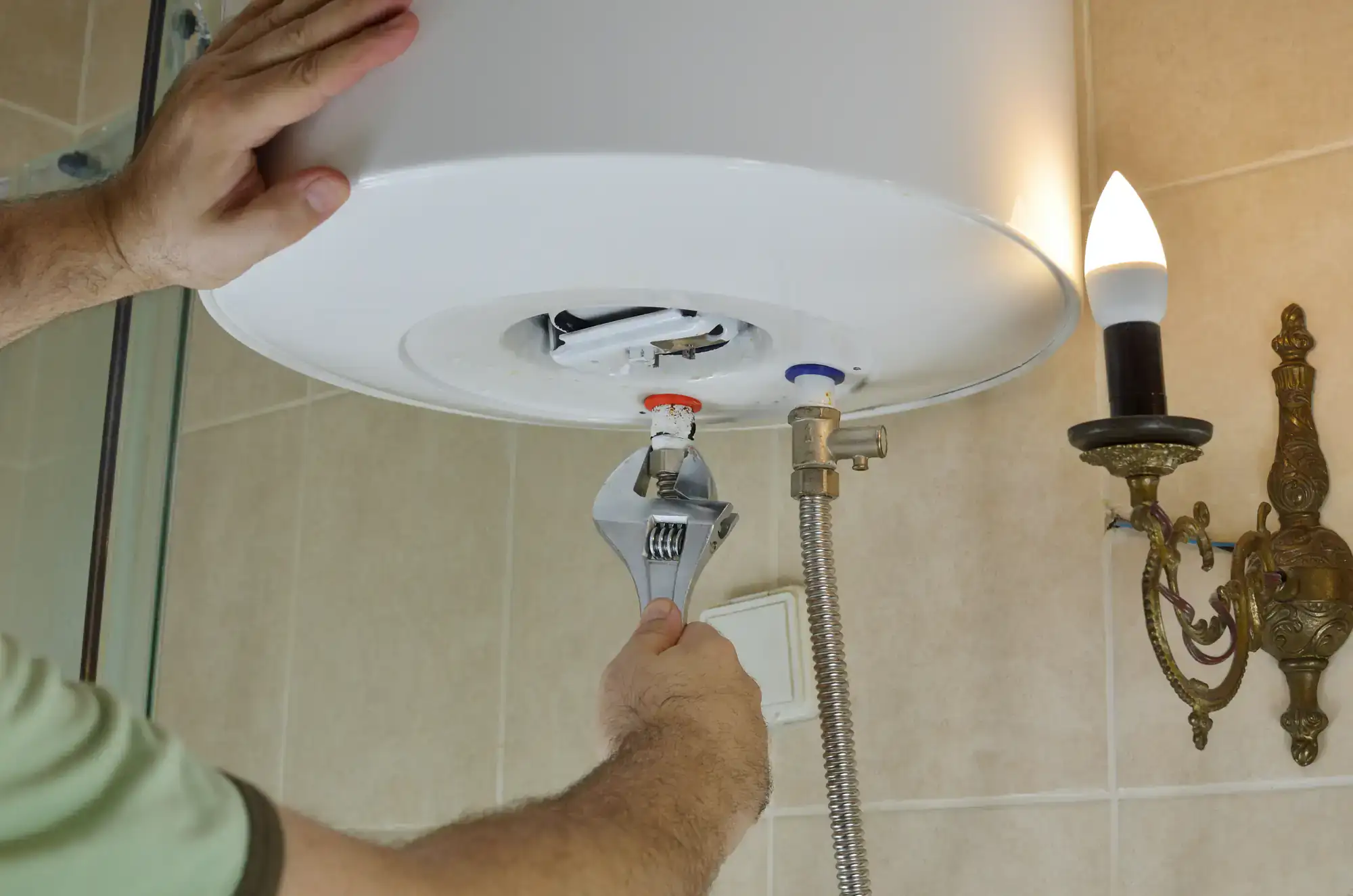
Installation day is straightforward. The old unit comes out, the new system goes in, all connections are tested, and the job isn’t called complete until hot water is confirmed running at the right temperature and pressure. The permit inspection is scheduled and handled you don’t have to coordinate anything with the Placer County Building Division yourself.
Ready to get started?
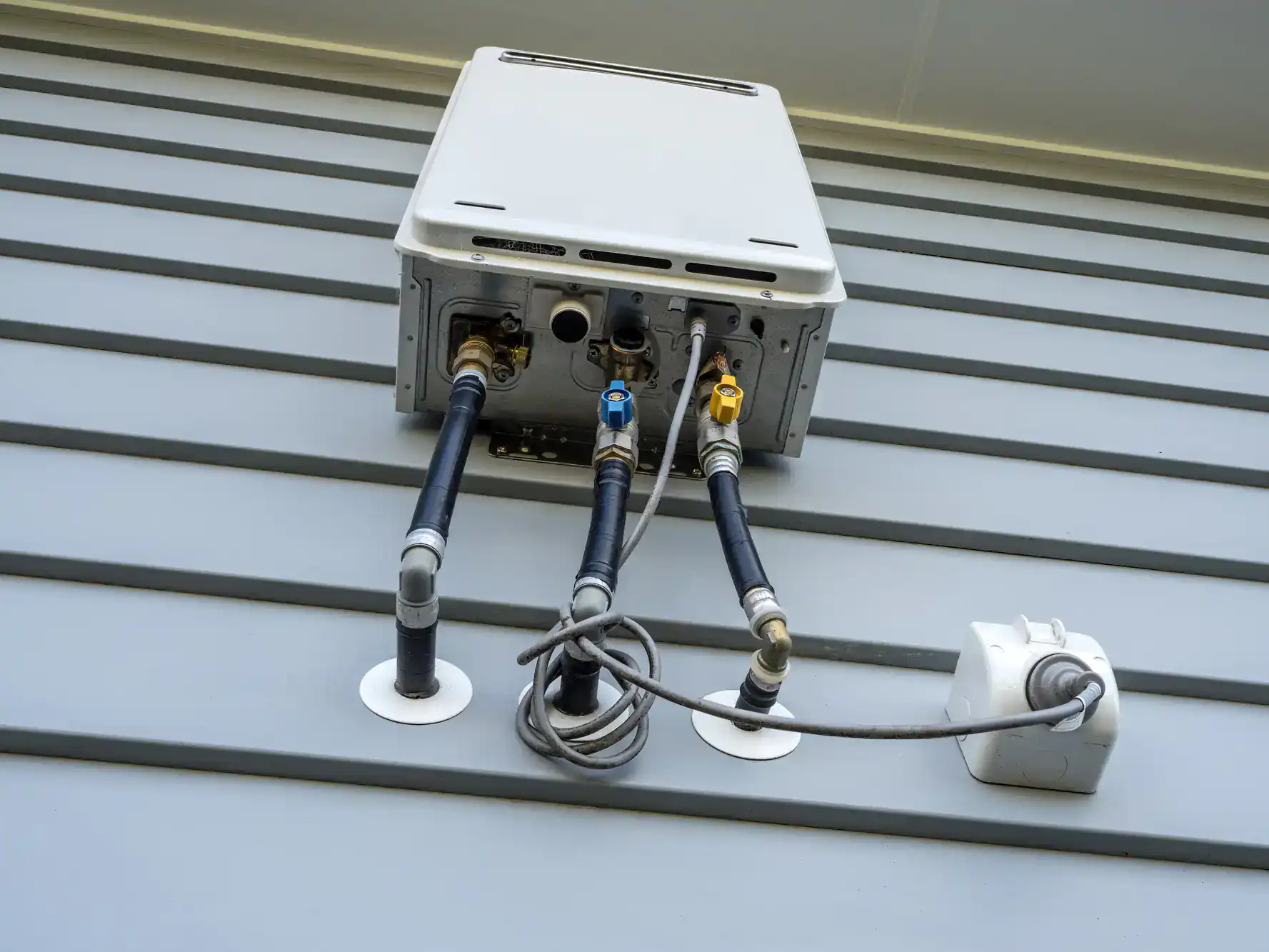
Every tankless water heater installation in Colfax through Murray Plumbing includes the full scope assessment, permits, installation, testing, and inspection coordination. The price you’re quoted covers the job. If the assessment reveals that a gas line upgrade or venting modification is needed, that gets communicated before work begins, not discovered mid-job and added to the bill.
For homes in Colfax’s historic downtown the blocks around Railroad Street, Main Street, and Grass Valley Street older gas lines and original venting configurations are common. We evaluate these conditions directly and tell you what the house actually needs, not a worst-case list designed to upsell. For rural acreage properties in the 95713 ZIP on private well water, the assessment also covers mineral content considerations that affect long-term heat exchanger performance. Well water in the Sierra Nevada foothills can accelerate scale buildup, and knowing that upfront shapes both the unit recommendation and the maintenance schedule going forward.
We install units that comply with California’s current energy efficiency standards the updated UEF requirements that took effect in 2024. Only compliant equipment is installed, which matters for both code compliance under Placer County’s building requirements and for maximizing the energy savings the system is supposed to deliver. If you’re considering the installation before year-end to capture the Inflation Reduction Act federal tax credit for energy-efficient home upgrades, that timing conversation is worth having when you call.
Yes a building permit is required for water heater installation in Colfax under California Plumbing Code and Placer County building requirements. The installation must comply with California’s Title 24 Building Standards Code, the 2022 edition of which is currently in effect. Placer County also has Wildland Urban Interface requirements that add regulatory complexity for properties in the Sierra foothills zone, with updated WUI provisions applying to permit applications submitted on or after January 1, 2026.
The permit process isn’t something you need to navigate on your own. We pull every required permit and coordinate the final inspection as part of the installation. This matters beyond paperwork: an unpermitted water heater installation in Placer County can void your homeowner’s insurance coverage if the unit later causes water damage or a fire. Doing it with a licensed contractor who handles the permitting is the only way to make sure the job is protected from day one.
A standard gas tankless water heater installation in California typically runs between $1,400 and $3,900, with most jobs landing around $2,600 depending on the unit and scope of work. For Colfax specifically, the realistic range can push toward the higher end if gas line upgrades are needed which is common in older homes. A gas line upgrade to meet the minimum supply requirements for a tankless unit can add $1,500 to $2,500 to the total, and that’s something you’ll know about before work starts, not after.
We provide a complete quote after assessing your home’s existing infrastructure. The number you agree to is the number on your invoice. Some customers have noted their final cost came in at or below the original estimate that’s the result of an honest assessment process, not a lowball number designed to win the job and grow from here.
It does, and it’s one of the more overlooked factors when people research tankless systems online. Colfax sits at approximately 2,500 feet above sea level. In winter, groundwater temperatures in the Sierra foothills drop significantly lower than in valley communities like Sacramento or Elk Grove. A tankless water heater has to raise incoming cold water to your desired output temperature and the colder that incoming water is, the harder the unit has to work to get there.
A unit that’s adequately sized for a home in Rancho Cordova may underperform in a Colfax home during a cold January morning when groundwater temperatures are at their lowest. Proper sizing accounts for your elevation, your household’s peak demand, and the temperature differential your system needs to cover in the coldest months. That’s part of the assessment we do before recommending any unit not a detail that gets addressed after installation when performance falls short.
Yes, but there are a few things worth knowing before you install. Well water in the Sierra Nevada foothills tends to carry higher mineral content calcium and magnesium than treated municipal water from PCWA’s Yuba-Bear River system. That mineral content accelerates scale buildup inside a tankless heat exchanger over time, which reduces efficiency and can shorten the unit’s lifespan if it’s not addressed.
For rural properties in the 95713 ZIP on private well water whether you’re on Iowa Hill Road, Tokayana Way, or a similar acreage parcel annual descaling maintenance becomes more important than it would be for a home on municipal supply. We factor your water source into the unit recommendation and maintenance schedule. The right unit for a well-water home isn’t necessarily the same one that would go into a downtown Colfax house on city water, and that distinction is part of the assessment conversation.
Most tankless water heaters have a life expectancy of 20 years or more when properly installed and maintained. A conventional storage tank water heater typically lasts 8 to 12 years. That’s a meaningful difference a tankless system installed today in a Colfax home could still be running when your current mortgage has years left on it, while a conventional tank would likely need replacing at least once in that same window.
The 20-year lifespan assumes the unit was correctly sized for the home, installed to current code, and maintained on a reasonable schedule. For Colfax homes on well water, that maintenance schedule is more frequent due to mineral content. For homes on PCWA municipal supply, the cold mountain water from the Yuba-Bear River watershed is generally high quality, which supports the full lifespan expectation. Either way, the installation quality at the front end is what determines whether the unit actually reaches that lifespan.
For most older Colfax homes, yes but the honest answer depends on what the infrastructure assessment reveals. Victorian-era and early 20th-century homes in the historic downtown area around Railroad Street and Main Street were built long before modern gas tankless equipment existed. Gas lines in these homes are often undersized, and original venting configurations may not meet current California code requirements for a tankless installation. If upgrades are needed, the total cost goes up and you should know that number before you decide, not after.
That said, the long-term case is still strong. A tankless system eliminates standby heat loss, lasts twice as long as a conventional tank, and qualifies for federal energy efficiency tax credits under the Inflation Reduction Act if installed before year-end. For a Colfax homeowner making a long-term investment in an older property whether you’ve lived there for decades or bought recently and are working through upgrades the math usually works out in favor of going tankless once the infrastructure picture is clear.