

Hear from Our Customers
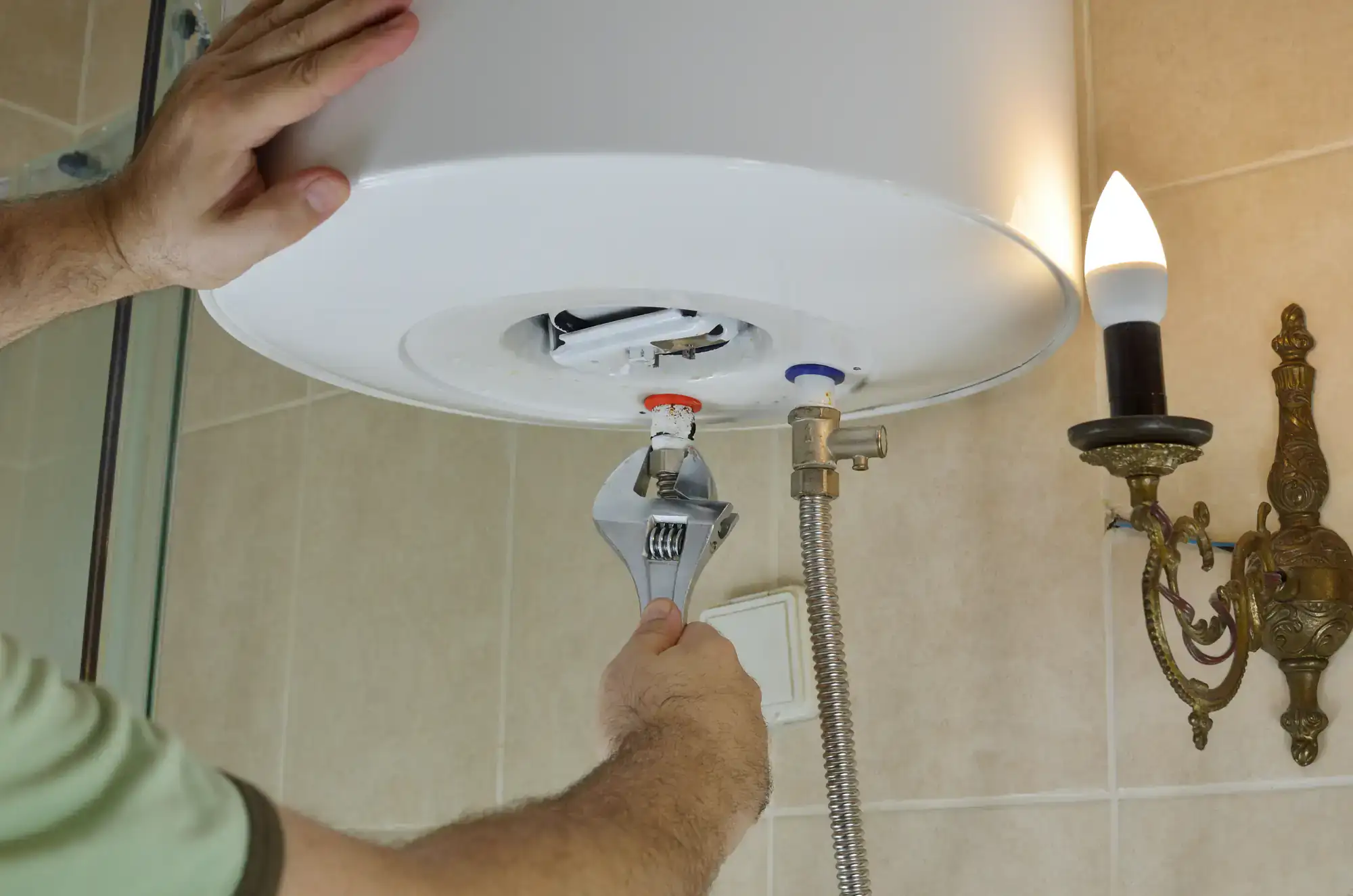
You stop planning your morning around who gets the hot water first. A properly sized tankless unit heats water on demand no tank to drain, no waiting for recovery. Whether you’ve got a full household running showers and dishes at the same time or just want to stop babying an aging tank that’s living on borrowed time, the difference is immediate.
Most homes in Foothill Farms were built between the 1960s and early 1990s the same era that produced the tank water heater currently sitting in your garage. That unit wasn’t designed to last forever, and if it’s more than ten years old, it’s already working harder than it should. Upgrading to tankless now means you’re making one purchase that covers the next 20-plus years, instead of replacing another tank in a decade.
Sacramento County water carries enough mineral content that scale buildup inside a conventional tank accelerates wear over time. Tankless systems are easier to maintain and descale, and with periodic flushing, they hold near-original efficiency for years even in Foothill Farms’ moderately hard water conditions. Over 20 years, it adds up to real money and real reliability.
We founded Murray Plumbing in 2009 with a simple principle: show up when we say we will, give you a real number before work starts, and handle everything so you never have to deal with the county yourself. Ryan Murray came up through the construction side of the industry before building this company from a single truck into a trusted name across Sacramento County. That background matters because it means we understand what’s actually inside older homes not just what’s on the spec sheet.
Foothill Farms has always been a community built on practical values working families, government workers, people who moved here when McClellan Air Force Base was the economic engine of this whole corridor. We fit that same mold. No corporate polish, no franchise playbook. Just licensed, insured plumbers who handle the Sacramento County permit process from start to finish so you never have to deal with the county yourself.
With a 4.7-star Google rating across 93 reviews, our track record speaks for itself. Customers consistently mention fair pricing, same-day availability, and final costs that came in at or below the original estimate.
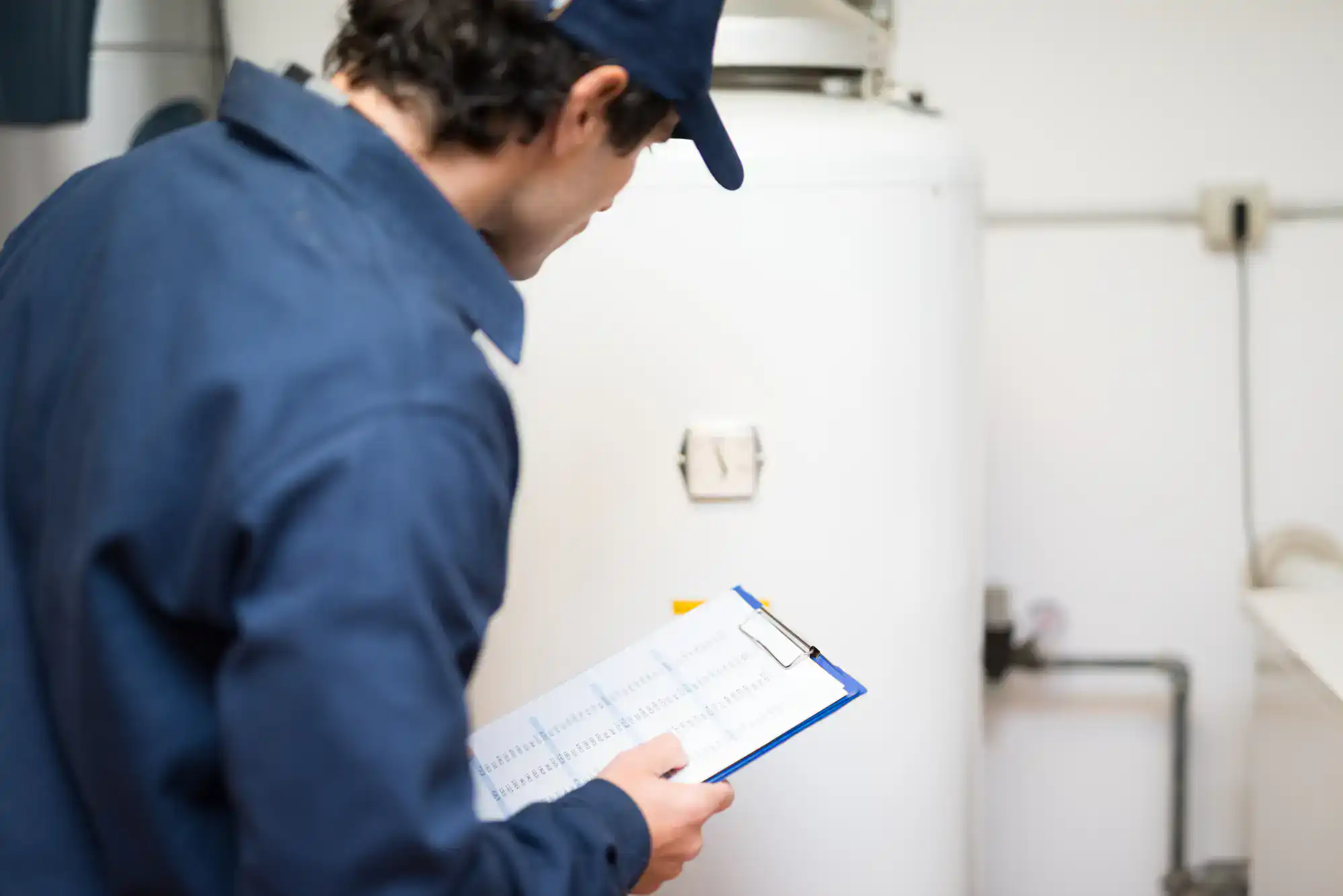
It starts with a real assessment, not a sales pitch. Before anything is quoted or scheduled, we evaluate your home’s existing gas supply line, venting configuration, and plumbing layout. This step matters more in Foothill Farms than people realize homes built in the 1960s and 1970s weren’t designed with tankless systems in mind, and some will need a gas line upgrade or venting modification before installation can happen. You’ll know that upfront, with a full cost breakdown, before the old unit comes out.
Once the scope is confirmed and the price is agreed on, we pull the Sacramento County building permit through the Department of Community Development and Sustainability. Because Foothill Farms is unincorporated county territory not a city the permit process runs through the county, not a municipal building department. That distinction matters, and it’s one most homeowners don’t know until something goes wrong with an unpermitted job. We handle all of it: the paperwork, the submission, and the final inspection scheduling.
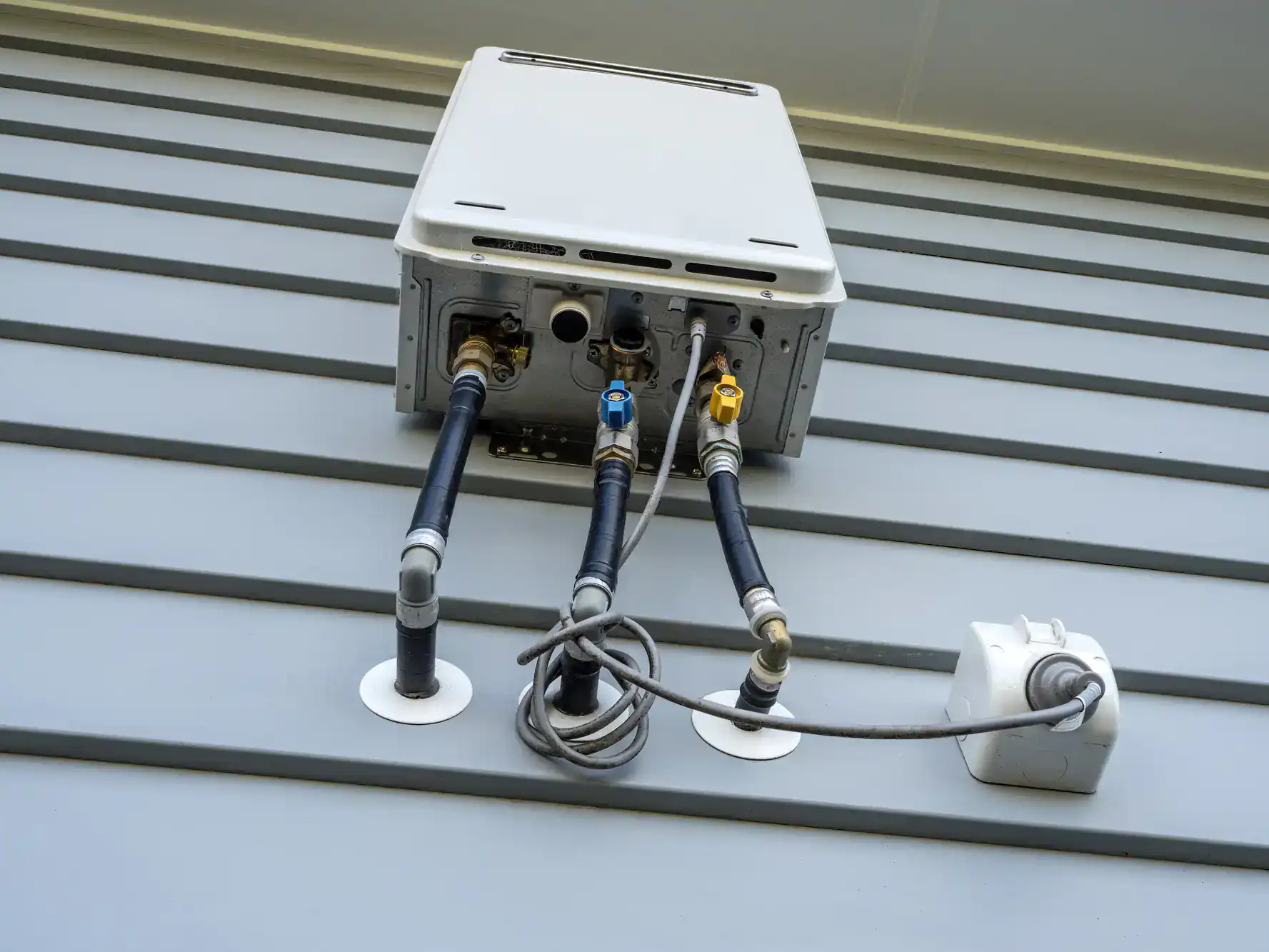
Installation day is straightforward. The old unit is removed, the new tankless system is mounted and connected, all gas and venting work is completed to current code, and the county inspection is arranged. Most jobs are completed in a single visit. When the inspector signs off, you’re done with a fully permitted, code-compliant installation on record.

Ready to get started?
Every tankless water heater installation with us includes the full scope: unit selection guidance based on your household’s actual peak demand, pre-installation infrastructure assessment, all labor for removal and installation, gas line and venting work required to bring the system up to code, Sacramento County permit acquisition, and final inspection coordination. The price you’re quoted before work starts is the price you pay. Permit fees are included not added as a line item after the fact.
For Foothill Farms homes specifically, the infrastructure assessment step is where a lot of the important decisions get made. Older homes in the 95841 and 95842 ZIP codes often have ¾-inch gas supply lines that may need upgrading to support a tankless unit’s higher BTU demand. Some homes also have venting configurations that worked fine for a conventional tank but need modification for a direct-vent or power-vent tankless system. We identify all of this before quoting, so there are no mid-job surprises.
We install gas tankless water heaters that meet current 2024 DOE efficiency standards and qualify for federal energy efficiency tax credits of up to $600 for eligible Energy Star-certified units. If you’re a landlord with rental properties in Foothill Farms, the durability argument is straightforward one tankless unit lasting 20-plus years versus two or three tank replacements over the same period, with no tenant complaints about running out of hot water in between.
Yes and this is one of the details that catches Foothill Farms homeowners off guard. Because Foothill Farms is an unincorporated community, permits for water heater installation are issued through Sacramento County’s Department of Community Development and Sustainability, not a city building department. That’s a different process than what applies in neighboring Citrus Heights or the city of Sacramento, and it has its own forms, fees, and inspection timeline.
California Plumbing Code Section 502.1 makes the permit requirement clear: it’s unlawful to install, remove, or replace a water heater without one. Beyond the legal obligation, skipping the permit creates real financial risk. If an unpermitted installation later causes water damage or a gas-related incident, your homeowner’s insurance carrier can deny the claim. We handle the entire Sacramento County permit process as part of every installation you don’t fill out a single form or make a single call to the county.
The honest answer is that it depends on what your home needs before the unit can go in. The installation itself unit, labor, and permit typically falls in the $1,400 to $3,500 range for a standard gas tankless water heater. But in Foothill Farms, where most homes were built in the 1960s through the 1990s, some properties need additional work before installation can happen.
A gas line upgrade which is common in older homes that weren’t built to handle the higher BTU demand of a modern tankless unit can add $1,500 to $2,500 to the total project cost. Venting modifications may also be needed depending on where the unit is being installed and what type of venting the existing system uses. Our pre-installation assessment identifies all of this before quoting, so the number you agree to before work starts reflects the full scope not just the easy part of the job.
It can, but it’s manageable and tankless systems actually handle it better than conventional tanks when maintained properly. Sacramento County water carries moderate mineral content, and scale buildup is a real issue that multiple plumbing providers serving Foothill Farms specifically call out as a local concern. Inside a conventional tank heater, that scale accumulates at the bottom and accelerates corrosion. In a tankless unit, it builds up on the heat exchanger which is easier to access and flush out.
The key is periodic maintenance. A tankless water heater in Foothill Farms should be flushed and descaled roughly once a year, depending on your water usage and the mineral content coming through your supply line. With that basic upkeep, a quality tankless unit can perform at near-original efficiency for 20-plus years even in moderately hard water conditions. We discuss water treatment options at the time of installation including whole-home water softeners that can reduce scale buildup and extend the life of the system further.
Most can but some need upgrades first, and knowing that before you commit is exactly why the pre-installation assessment matters. Homes built in the 1960s and 1970s in Foothill Farms were designed around conventional tank water heaters, which have lower BTU demands and simpler venting requirements than modern tankless systems. The two most common issues are gas supply line sizing and venting configuration.
A standard tankless gas unit typically requires a ¾-inch gas supply line at minimum, and some older homes have undersized lines that need upgrading. Venting is the other variable tankless units require either direct-vent or power-vent setups, and the existing flue from your old tank heater may not be compatible. Neither of these issues is a dealbreaker, but both affect the total project cost. We identify everything during the assessment and give you a complete, all-in quote before any work begins. No surprises after the old unit is already out.
If you’re planning ahead rather than responding to a failure, late winter through early spring is a smart window. Sacramento Valley winters are mild compared to the Sierra foothills, but Foothill Farms does see enough cold between November and February that aging tank heaters work significantly harder and that’s when most failures happen. Scheduling a planned upgrade before that seasonal stress hits means you’re not making the decision in emergency mode.
We offer same-day service year-round, including 24/7 emergency availability for water heater failures. If your unit goes out in January which is exactly when older tanks tend to give up you’re not waiting three days for a callback. Most emergency replacements in Foothill Farms are resolved the same day you call. Spring and early summer also tend to be popular for planned upgrades, partly because tax season raises awareness of the federal energy efficiency tax credits that qualifying tankless units are eligible for.
For a straightforward swap existing gas line is the right size, venting is compatible, no major infrastructure changes needed most installations are completed in a single day, typically four to six hours from start to finish. That includes removing the old unit, mounting and connecting the new tankless system, completing all gas and venting connections, and testing everything before the technician leaves.
Where the timeline extends is when infrastructure work is needed. If your Foothill Farms home requires a gas line upgrade or venting modification both common in the older housing stock throughout the 95841 and 95842 ZIP codes that work happens the same visit when possible, but complex gas line runs may require a follow-up. The Sacramento County inspection is scheduled after installation is complete and typically happens within a few business days. We coordinate the inspection directly with the county, so you don’t have to track any of that yourself. From first call to final inspection, most Foothill Farms jobs are fully wrapped up within a week.