
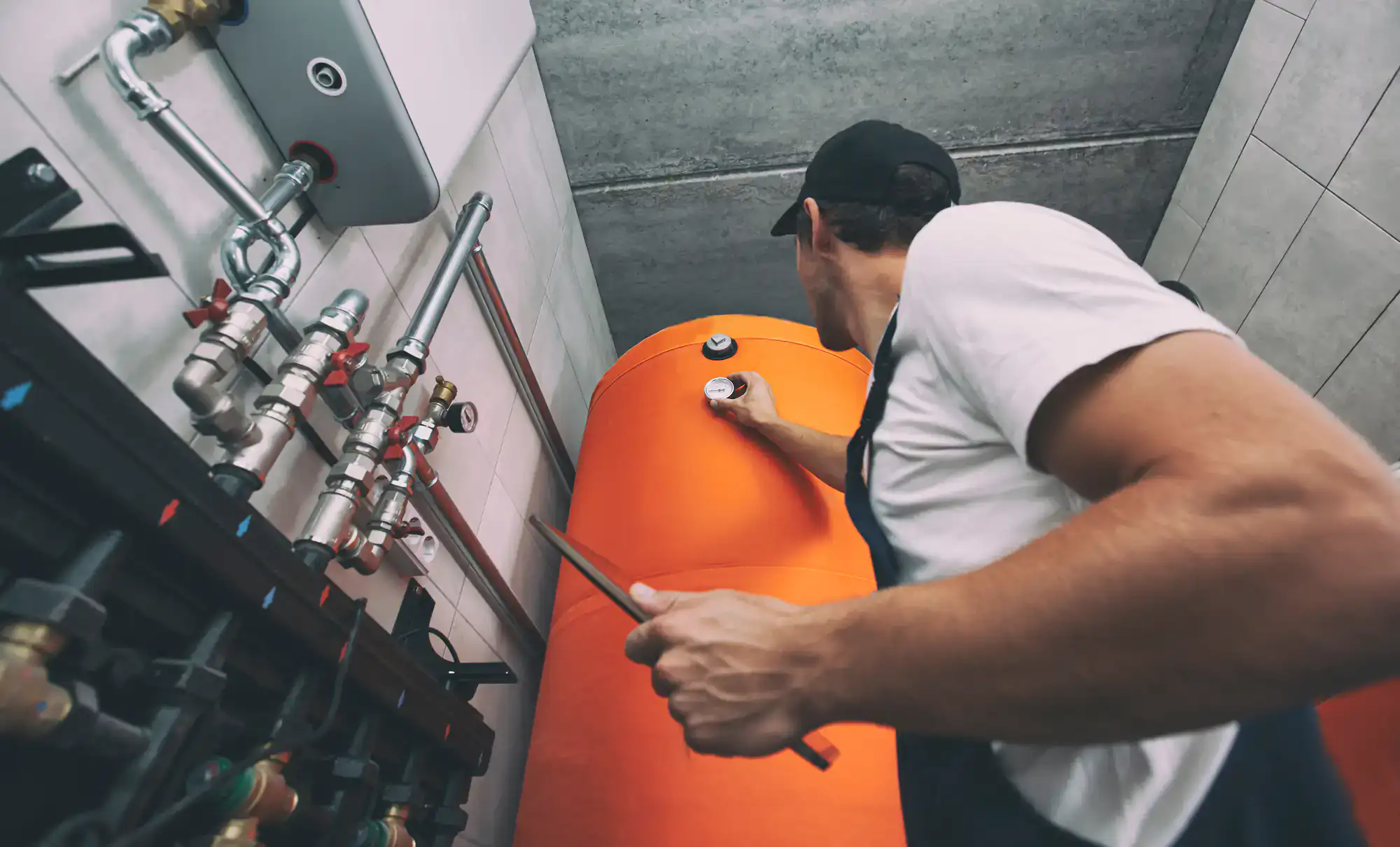
Tankless Water Heater Installation
Get a free quote for tankless water heater installation from your local plumbing team.
We’ll contact you about your tankless water heater installation request. Privacy policy
Hear from Our Customers
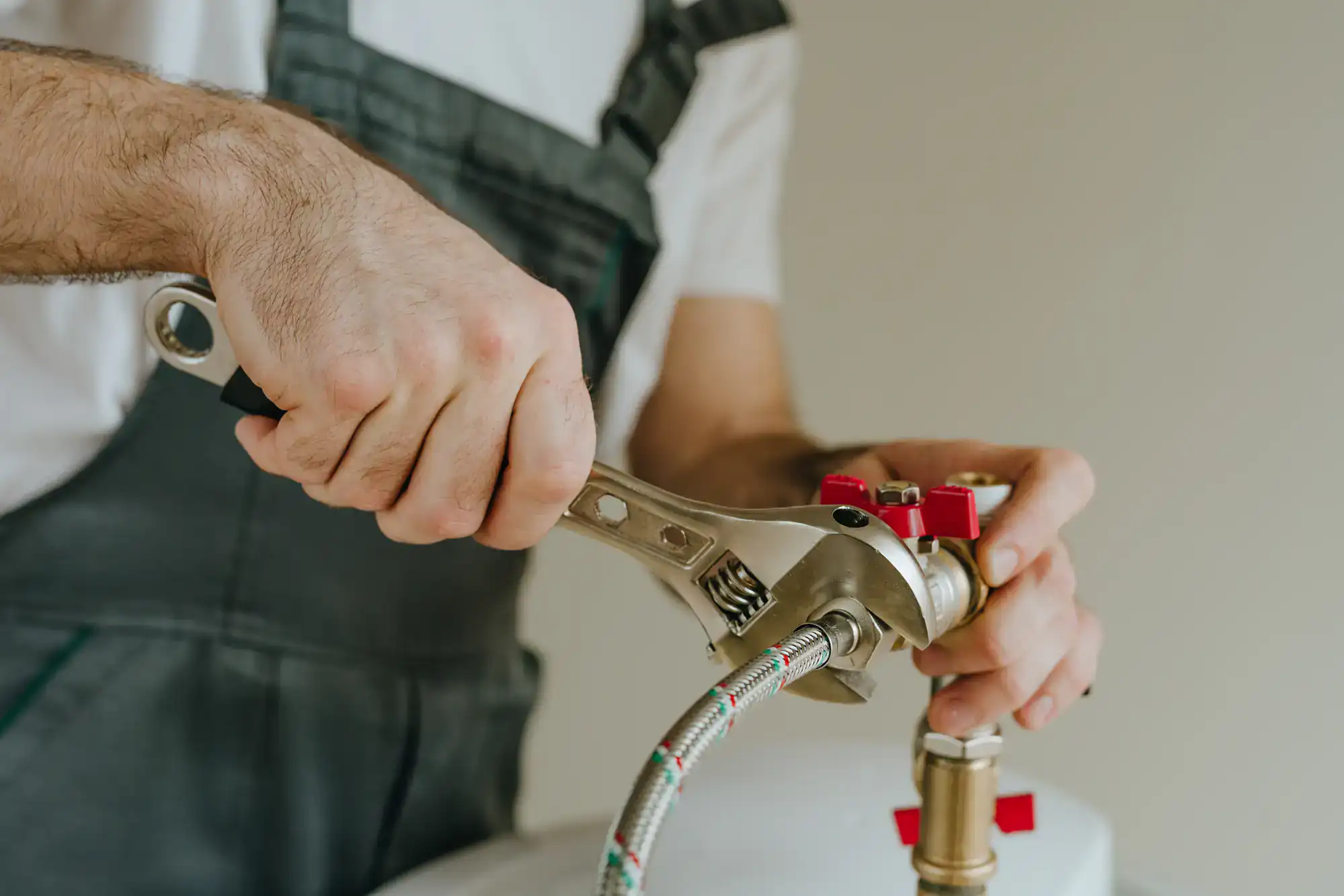
Most Gold Hill homes aren’t on natural gas. They run on propane, and every gallon counts. A conventional tank heater burns through propane keeping water hot around the clock whether you’re using it or not. Switch to a properly sized tankless unit and that standby waste disappears. Field studies have documented up to a 37% reduction in water heating energy use after making the switch, and on propane, that savings shows up on every delivery.
Cold winters along the American River canyon corridor hit harder than people expect. Groundwater temperatures drop, your water heater works overtime, and an aging tank that was already struggling starts failing. A tankless system doesn’t store water to keep warm it heats on demand, so dropping inlet temperatures don’t spike your fuel costs the same way. It handles winter conditions without the inefficiency a tank drags into every cold month.
Beyond the efficiency, you’re also looking at a system that lasts more than 20 years when it’s installed correctly. That’s roughly double the lifespan of a conventional tank. For a Gold Hill property owner who plans to stay long-term, one good installation may be the last water heater decision you ever make.
We founded Murray Plumbing in 2009 out of Placerville the El Dorado County seat, about six miles southeast of Gold Hill via Highway 49. Our owner Ryan Murray came up through construction before earning his contractor’s license, which means he understands how older rural properties in the Gold Hill area are built, not just how to fix what’s broken in them. That background matters when you’re dealing with a foothill home that has aging infrastructure, a propane system, or a water heater that was installed before current county code requirements.
Every technician we send to your property is licensed and insured. Every installation is pulled through the El Dorado County Building Department no shortcuts, no unpermitted work that comes back to bite you at resale or during an insurance claim. With a 4.7 out of 5 Google rating across 93 reviews, our track record speaks for itself. Customers consistently mention honest pricing, named technicians who show up when they say they will, and final bills that sometimes came in under the original estimate.
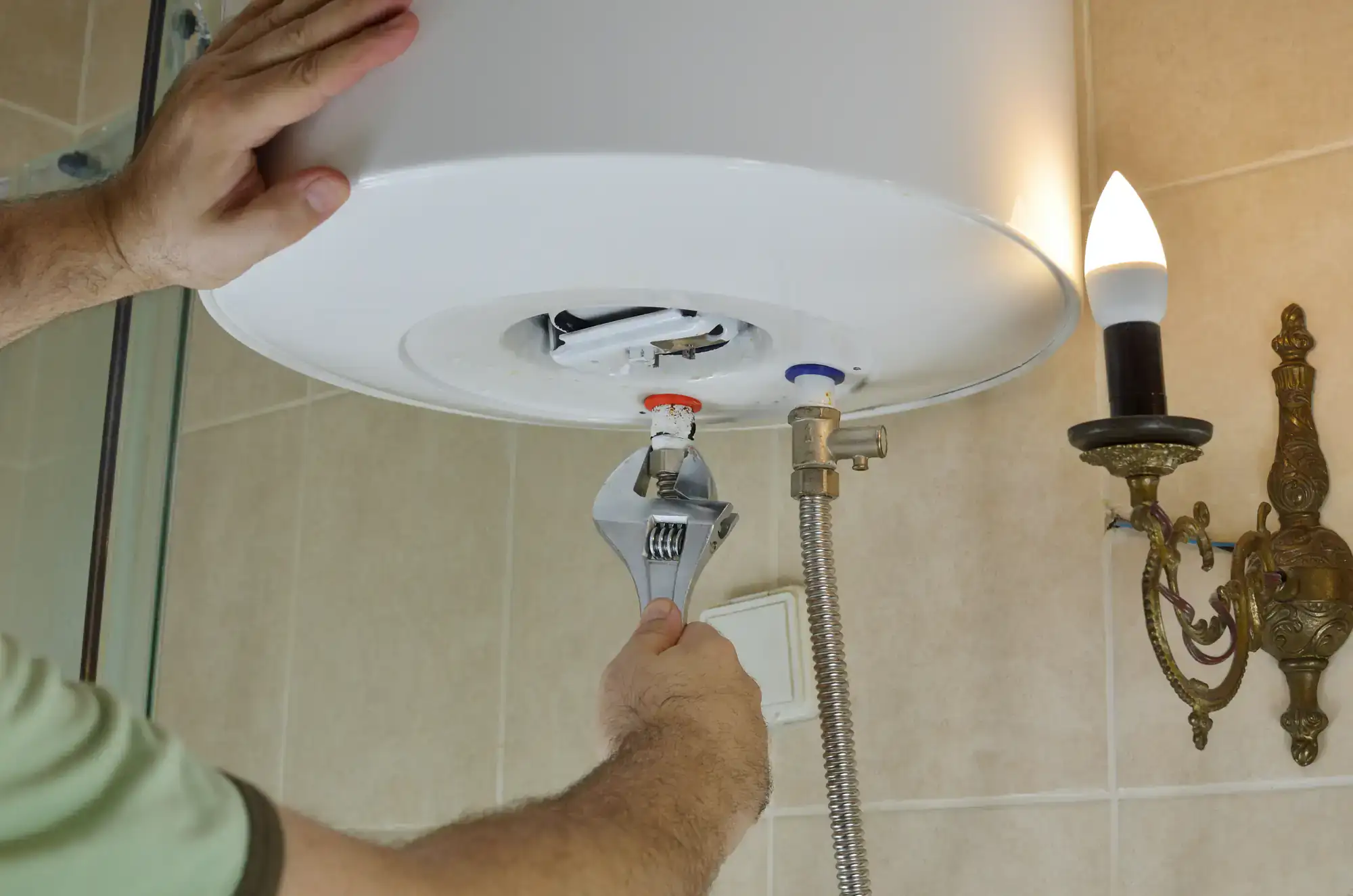
Before anyone touches your plumbing, we evaluate your home’s existing setup gas supply or propane system, current venting configuration, and electrical infrastructure. This step isn’t a formality. Many Gold Hill properties have older systems that weren’t originally designed to support a tankless unit’s demand. If an upgrade is genuinely needed, you’ll know exactly what it costs and why before any work begins. If it’s not needed, it won’t be recommended.
Once the assessment is complete and you’ve approved the full quote, the installation itself typically takes four to six hours. We handle the El Dorado County permit as part of the job you don’t fill out forms or make calls to the county building department in Placerville. The permit gets pulled, the work gets done, and the installation gets inspected. At foothill elevation, venting and combustion configuration matter more than most homeowners realize, and every unit is set up for the specific conditions at your property, not calibrated for a Sacramento flatland install.
After the job is complete, you’ll have a system that delivers hot water on demand, a permitted installation in your county records, and a clear picture of the maintenance schedule that keeps it running for the next two decades.
Ready to get started?
A tankless water heater installation through Murray Plumbing covers the full scope: unit selection matched to your household’s actual hot water demand, all labor, gas line or propane system evaluation, venting setup appropriate for your home’s configuration, and El Dorado County permit management from start to inspection sign-off. The price you’re quoted before the job starts is the price you pay. No line items that appear after the fact.
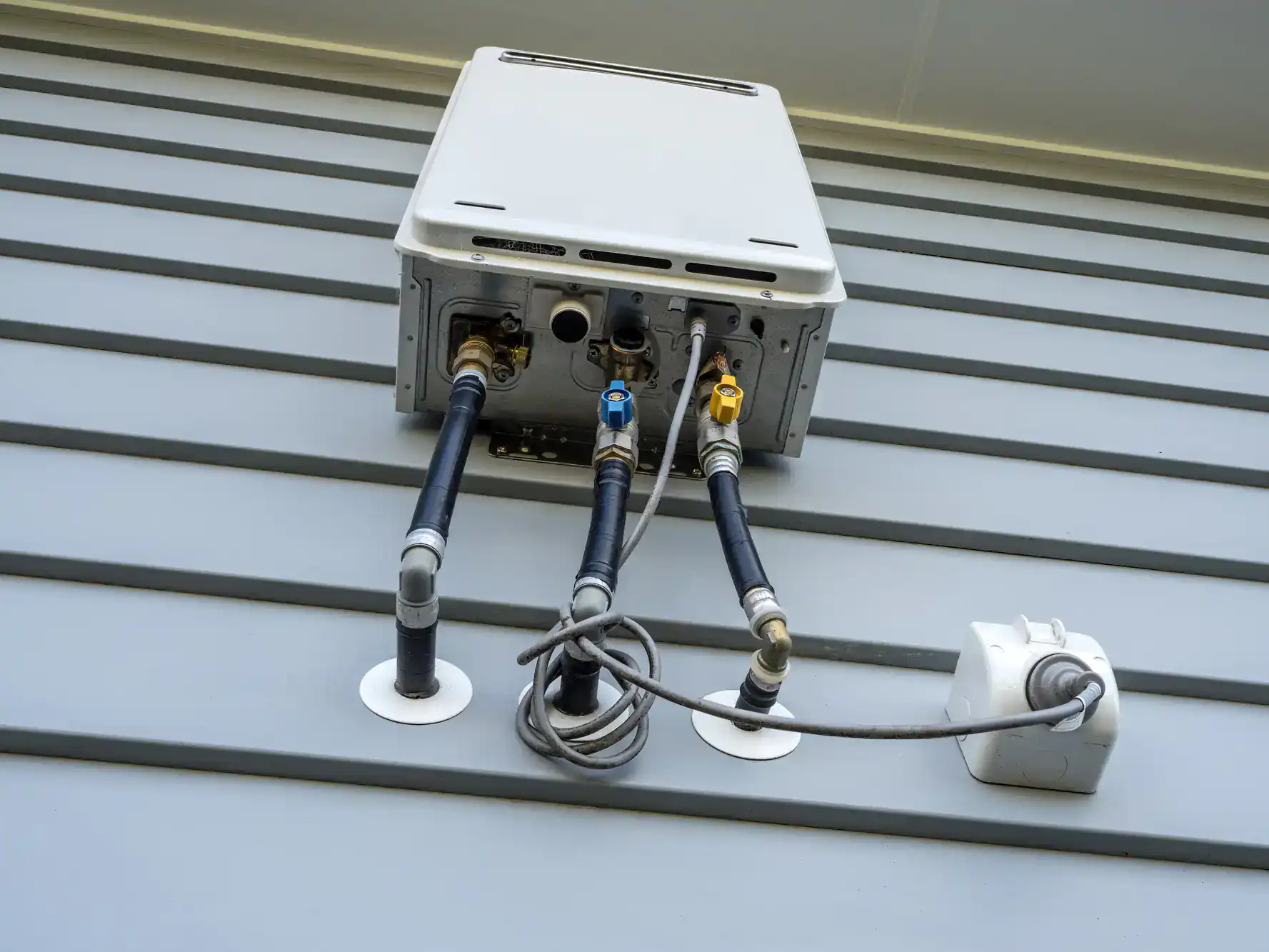
For Gold Hill properties on propane, we install propane-compatible tankless units and evaluate the existing propane supply infrastructure to confirm it can support the unit’s flow requirements. If your system needs an upgrade to handle peak demand especially relevant on larger acreage properties or homes with multiple simultaneous hot water points that gets identified and priced upfront, not discovered mid-job. Well water is also a factor worth discussing: rural properties with higher mineral content in their water supply benefit from a maintenance plan that includes annual descaling to protect the heat exchanger and keep the system running efficiently long-term.
New DOE efficiency standards that took effect in 2024 apply to all gas-fired tankless installations. Every unit we install meets current code. In an unincorporated community like Gold Hill, where unpermitted work can create problems with insurance coverage and property resale, a fully compliant, permitted installation isn’t optional it’s the only way to do the job right.
Yes. Gold Hill is an unincorporated community, which means it falls under El Dorado County jurisdiction not a city government. California Plumbing Code Section 502.1 requires a permit for water heater installation, and that permit is issued by the El Dorado County Building Department in Placerville. An unpermitted installation in an unincorporated area doesn’t disappear quietly. It shows up when you sell the property, it can trigger county fines if discovered, and it can give your homeowner’s insurance company grounds to deny a claim if the unpermitted appliance is connected to a damage event.
We pull the El Dorado County permit as a standard part of every installation. You don’t navigate the county building department yourself that’s handled for you, from application through inspection sign-off. It’s not an add-on. It’s part of the job.
Yes, and it’s one of the more common scenarios we handle in the Gold Hill area. Many rural properties along the Highway 49 corridor and off roads like Cold Springs Road don’t have access to natural gas distribution infrastructure, so propane is the fuel source. Propane-compatible tankless water heaters are available from major manufacturers and perform just as effectively as natural gas units when they’re properly sized and configured.
The key variable is your existing propane system. A tankless unit draws fuel at a higher rate than a conventional tank heater during active heating cycles, so the supply line, regulator, and tank capacity all need to be evaluated before installation. If your current propane setup can support the demand, it’s a straightforward swap. If it needs an upgrade, we identify that during the pre-installation assessment and price it before any work begins not after.
Most homeowners in the El Dorado County area pay somewhere between $1,400 and $3,895 for a complete tankless water heater installation, with the national average sitting around $2,629. Where your job lands in that range depends on the unit itself, your home’s existing infrastructure, and whether any additional work is needed gas line upgrades, when required, typically add $1,500 to $2,500 to the total.
For rural Gold Hill properties, the infrastructure assessment matters more than it does in a newer suburban home. Older propane systems, aging gas lines, or non-standard venting configurations can affect the scope of the job. That’s exactly why we evaluate your setup before quoting so the number you approve before work starts reflects the full picture. Customers have noted that their final bills sometimes came in under the original estimate. The goal is no surprises at the end of the job.
This is a fair concern, and the short answer is yes when the unit is properly sized for your home’s winter conditions. The longer answer is that inlet water temperature matters. During cold months in the Gold Hill area, groundwater temperatures drop significantly, which means the unit has to raise incoming water temperature by a larger margin to reach your target output. A tankless water heater that’s undersized for your household’s peak demand will struggle in winter, which is one of the most common reasons homeowners end up unhappy with tankless systems the unit wasn’t matched to the actual conditions of the property.
We size every unit based on your home’s real hot water demand and the temperature rise required for your area’s winter groundwater conditions. At 1,621 feet elevation in the Sierra Nevada foothills, that calculation is different from a Sacramento flatland installation. Done right, a tankless system delivers consistent hot water through the coldest months without the inefficiency of a conventional tank working overtime to maintain stored water temperature.
A standard tankless water heater installation takes four to six hours from start to finish, assuming no major infrastructure surprises come up during the job. If a gas line or propane system upgrade is needed, that can extend the timeline, which is another reason the pre-installation assessment matters it eliminates the variables that turn a half-day job into a two-day project.
Same-day service is available on most calls. For Gold Hill homeowners dealing with a failed water heater especially in winter when the American River canyon nights get cold fast waiting several days for a contractor isn’t realistic. We’re based in Placerville, six miles down Highway 49, which means response times to Gold Hill are genuinely fast compared to a Sacramento-based company making a 45-minute drive. If you call in the morning, there’s a real chance the job gets done the same day.
Annual descaling is the most important maintenance task for any tankless water heater, and it’s especially relevant for rural Gold Hill properties on private wells. Well water in the Sierra Nevada foothills tends to carry higher mineral content than treated municipal water, and those minerals accumulate inside the heat exchanger over time. Left unchecked, scale buildup reduces efficiency, shortens the unit’s lifespan, and can eventually cause it to fail well before the 20-plus-year mark a properly maintained tankless system should reach.
Descaling involves flushing a vinegar or citric acid solution through the heat exchanger to dissolve mineral deposits it typically takes about an hour and should be done once a year for well water properties, or every 18 to 24 months if you’re on treated municipal water. Some homeowners in areas with particularly hard well water also benefit from installing a whole-house water softener or an inline filter upstream of the unit to slow scale accumulation between service visits. We can assess your water supply situation during the installation and recommend a maintenance schedule that fits your property’s actual conditions.