
Hear from Our Customers
The custom homes in Los Lagos, Hillsborough, and Douglas Ranch weren’t built small. Multiple bathrooms, large soaking tubs, outdoor kitchens, and laundry running at the same time a standard 40 or 50-gallon tank wasn’t designed for that kind of demand. A properly sized gas tankless system delivers hot water on demand, continuously, without the wait and without the cold surprise mid-shower.
Here’s something most installers won’t mention: Granite Bay’s water supply through San Juan Water District comes in at just 1.37 grains per gallon classified as ultra-soft. That matters because one of the most common concerns about tankless systems is mineral scale buildup requiring frequent descaling. In Granite Bay, that’s far less of an issue than it would be in a hard-water area. Your system stays cleaner, runs more efficiently, and needs less maintenance over time.
And then there’s the long game. A tankless unit installed correctly lasts 20-plus years. A conventional tank lasts 8 to 12. If your Granite Bay home was built in 1987 which is right around the median for this area you may have already replaced your tank once. A tankless installation done right means you’re likely done replacing it for good.
We were founded in 2009 by Ryan Murray, who came up through construction management before earning his plumbing contractor’s license and building the service side from scratch. That background matters on jobs in Granite Bay, where large custom homes often have infrastructure gas lines, venting, multi-zone plumbing that a standard service-only plumber isn’t equipped to assess properly.
We serve Placer County, El Dorado County, and Sacramento County, and Granite Bay sits squarely in that footprint. When you call, you’re getting a named, licensed technician Ryan, Shannon, or Dayton not an anonymous subcontractor. That’s not a talking point; it’s just how we run the business.
We hold a 4.7 out of 5 rating across 93 Google reviews, with consistent feedback around punctuality, honest pricing, and technicians who explain what they find rather than push what’s most expensive. Some customers have noted the final bill came in under the original estimate. In a market like Granite Bay, where accountability matters as much as capability, that track record is worth something.
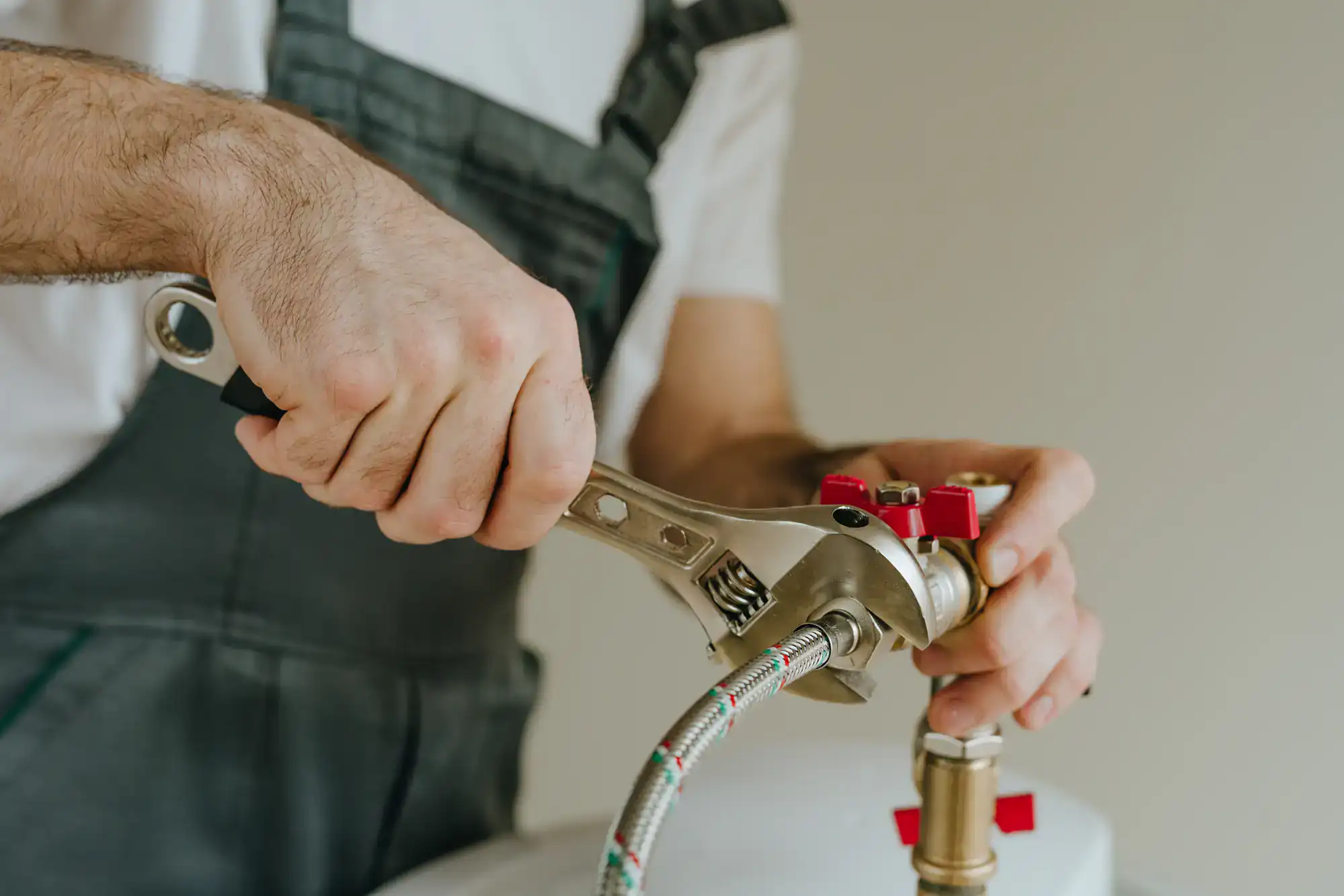
It starts with a real assessment of your home’s infrastructure gas line size, existing venting, water supply, and peak demand based on how many bathrooms and fixtures you’re running. Granite Bay’s larger custom homes sometimes require a gas line upgrade to support a high-output tankless unit, and sometimes they don’t. We tell you which category you’re in before quoting the job, not after the work starts.
Once the scope is clear, you get a full upfront price. Everything included unit, labor, venting modifications if needed, and the Placer County permit. Because Granite Bay is unincorporated, all permits go through Placer County Building Services, not a city department. We pull that permit online through Placer County’s contractor portal and handle the inspection scheduling. You don’t call the county, you don’t fill out forms, and you don’t have to follow up on anything.
Installation day is typically same-day for most jobs. The old unit comes out, the new system goes in, venting is configured to current California code, and the system is tested before the technician leaves. If your home has a recirculation loop common in larger Granite Bay properties that gets addressed in the installation plan as well. When it’s done, you have a fully permitted, inspected, code-compliant tankless system and documentation that protects your home’s value.
Ready to get started?
Every tankless water heater installation near Granite Bay includes a pre-installation infrastructure assessment, full unit installation, all required venting and gas connection work, Placer County permit acquisition, and inspection coordination. There’s no version of this job where the permit is optional or treated as an add-on it’s part of the process because an unpermitted installation in a Placer County home can void your homeowner’s insurance and create real problems when it’s time to sell.
For Granite Bay’s larger homes especially those in gated communities like Hillsborough or on the bigger lots in Quail Oaks and Los Lagos we also evaluate whether a recirculation system makes sense. These homes often have long pipe runs between the water heater and the fixtures furthest from it, which means waiting for hot water even with a tankless unit. A recirculation pump solves that, and it’s worth discussing during the assessment if your home has that layout.
We install gas tankless water heaters sized to match your home’s actual peak demand. If your current gas line can’t support the unit you need, that upgrade is scoped and priced upfront no surprises mid-job. The goal is one installation done correctly, not a callback six months later because the system was undersized or the venting wasn’t up to code.
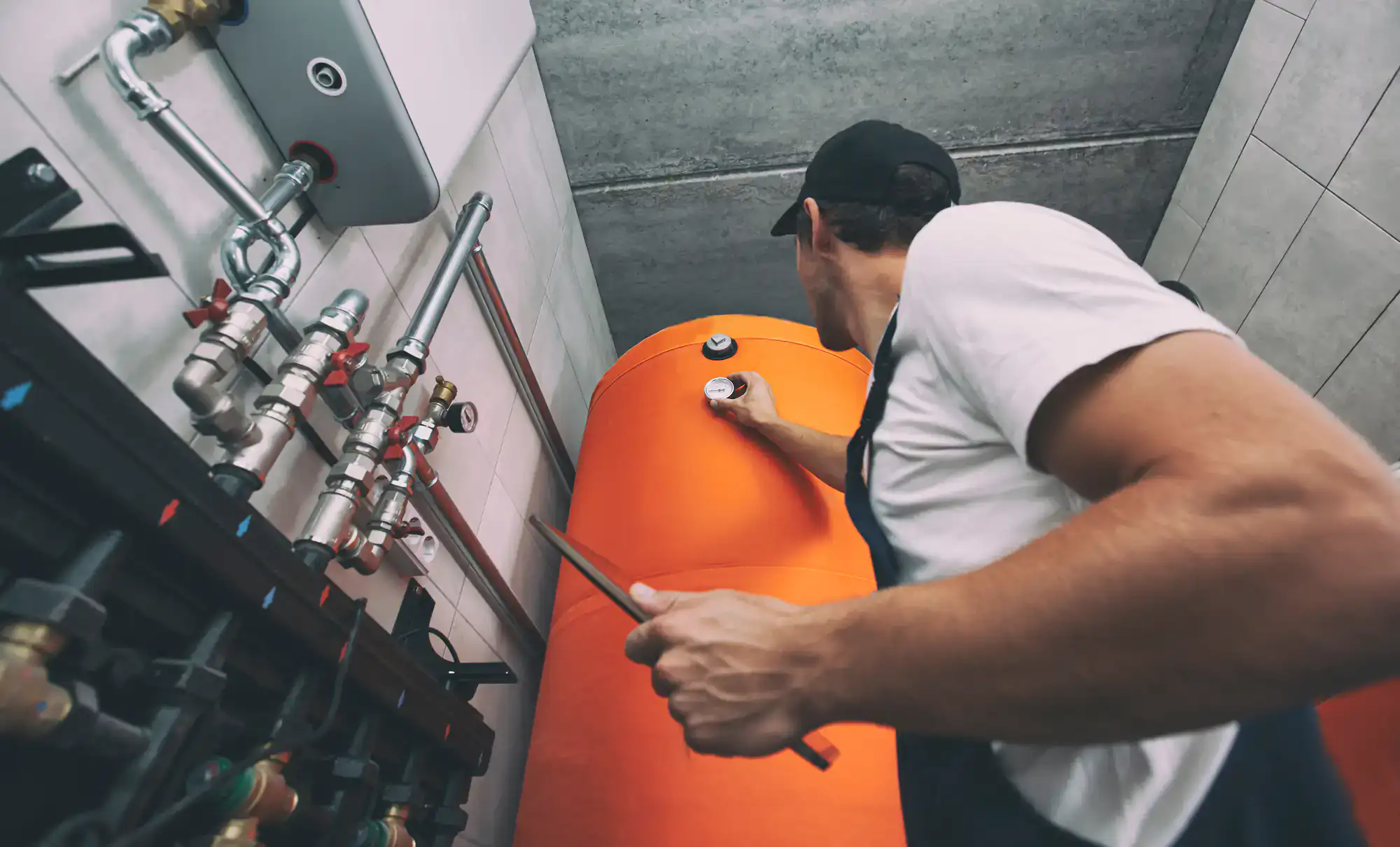
Yes and it’s not optional. Water heater replacement in Granite Bay requires a permit through Placer County Building Services because Granite Bay is unincorporated and falls under county jurisdiction rather than a city building department. The permit ensures the installation is inspected and confirmed to meet current California Plumbing Code, which matters for your insurance coverage and for disclosure requirements if you ever sell the home.
The good news is that Placer County now processes water heater permits entirely online, so there’s no trip to the county offices in Auburn. We pull the permit as part of every installation it’s included in the job, not billed separately. You don’t have to manage any part of that process. When the job is done, you have a fully permitted installation with documentation on file.
Most residential tankless water heater installations near Granite Bay fall somewhere between $1,400 and $3,900, with the national average sitting around $2,600. Where your job lands in that range depends on a few things: the size and output capacity of the unit your home actually needs, whether your existing gas line requires an upgrade to support it, and what venting modifications are necessary based on your home’s current setup.
Granite Bay’s larger custom homes particularly those with 4,000-plus square feet, multiple full bathrooms, or high-flow fixtures tend to require higher-output units, which affects cost. If your gas line was sized for a standard tank unit, it may need to be upsized for a high-demand tankless system. We assess all of that before giving you a number, so the quote you get reflects the actual job not a low figure that grows once the work starts.
Sizing a tankless water heater comes down to two things: how many fixtures you’re likely to run at the same time, and what the incoming groundwater temperature is in your area. In Granite Bay, winter groundwater temperatures in the Placer County foothill zone drop enough that the unit has to work harder to reach your target output temperature which means undersizing is a real risk if the installer isn’t accounting for local conditions.
For a typical Granite Bay home with 4 or more bathrooms, simultaneous demand during morning hours two showers, a dishwasher, and a laundry cycle can require a unit capable of delivering 8 to 10 gallons per minute or more. The right answer depends on your specific home layout, not a generic chart. We evaluate your actual peak demand during the pre-installation assessment and recommend a unit sized for your home, not just the average house.
It actually works in your favor here. San Juan Water District, which serves most of Granite Bay, reports a water hardness of just 1.37 grains per gallon well within the ultra-soft classification. Hard water is one of the most common causes of reduced efficiency and premature wear in tankless water heaters because mineral deposits build up inside the heat exchanger over time, restricting flow and forcing the unit to work harder.
In Granite Bay, that buildup happens at a much slower rate than it would in a community with hard groundwater. That means your system maintains its efficiency longer, requires less frequent descaling, and is likely to reach or exceed its expected 20-plus year lifespan with routine maintenance. It’s one of the more underappreciated advantages of living in this area, and it’s worth factoring into the long-term value calculation when you’re comparing tankless to sticking with a tank unit.
In most cases, yes. We resolve the majority of water heater jobs including full tankless installations the same day you call. We also offer 24/7 emergency availability, which matters when a water heater fails on a Sunday morning in a Granite Bay home you’ve invested significantly in and you can’t afford to wait until Monday.
For planned upgrades, same-day scheduling is still the norm rather than the exception. The main variable is unit availability if your home requires a specific high-output model that isn’t in current stock, there may be a short lead time. But for the most common residential gas tankless configurations, we carry what’s needed to complete the job without a delay. If you’re in Hillsborough, Los Lagos, or anywhere else in Granite Bay and your water heater situation is urgent, calling early in the day gives you the best chance of resolution before the end of it.
The risks are real and specific. An unpermitted water heater installation in Placer County can void your homeowner’s insurance coverage for any water damage or fire that originates from or near the unit. Insurance companies look at permit records when processing claims, and an installation that was never inspected gives them grounds to deny coverage on a home worth over a million dollars in Granite Bay, that’s not a theoretical concern.
Beyond insurance, unpermitted work creates a disclosure obligation when you sell. California law requires sellers to disclose known unpermitted improvements, and a buyer’s inspector will often flag a water heater with no permit on record. That can delay closing, reduce your negotiating position, or require you to retroactively permit and re-inspect the work before the sale goes through. We pull the Placer County permit on every installation precisely because the cost of skipping it in a community where home values average over $1.2 million is never worth the shortcut.