
Hear from Our Customers
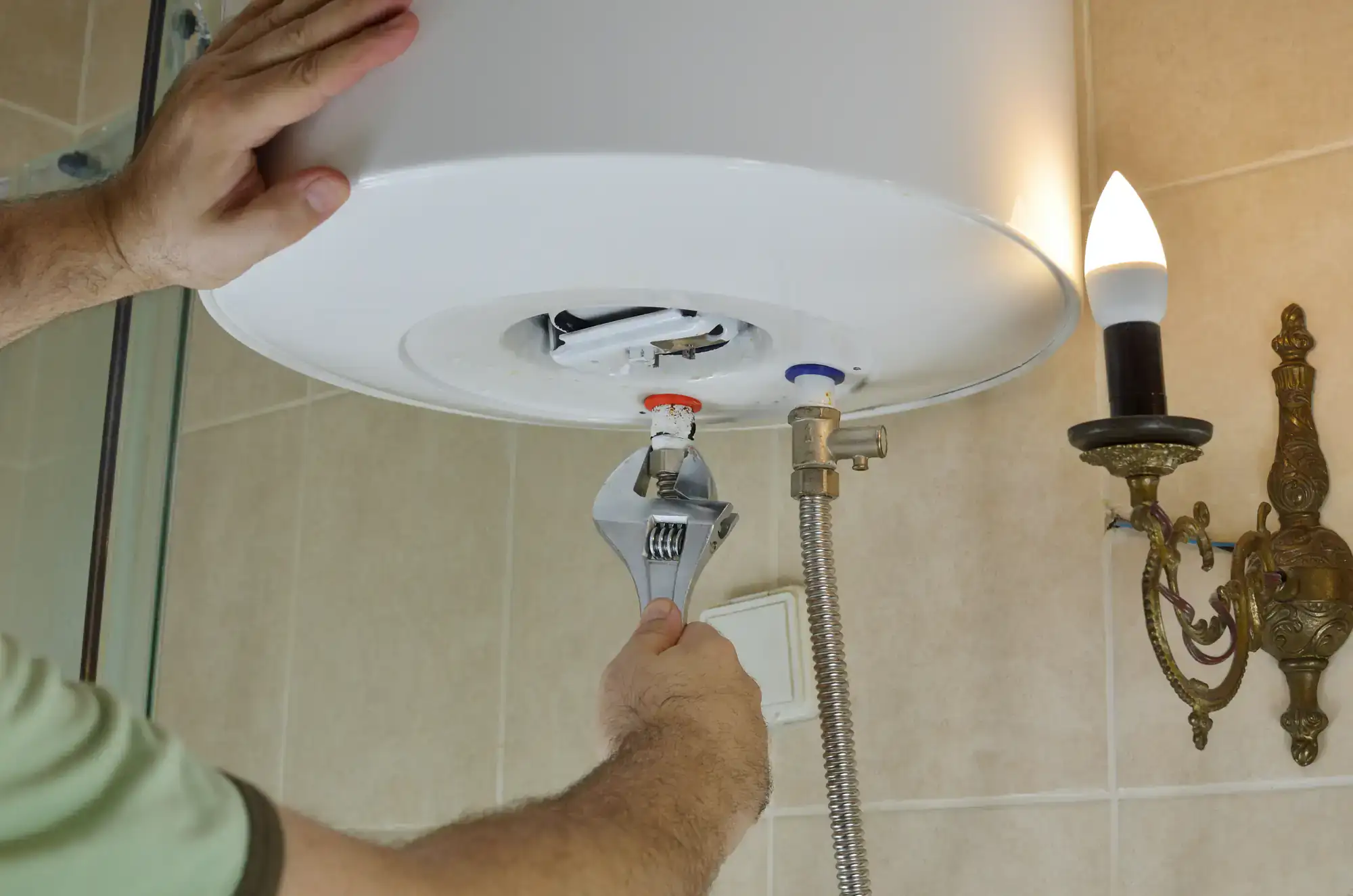
A tank water heater running in a Hood home is fighting two battles at once hard Sacramento Delta groundwater loading scale into the tank month after month, and cold winter water temperatures pushing an already-stressed unit closer to failure every season. When it finally gives out, you’re not a short drive from a supply store. You’re on SR-160, 15 miles from Sacramento, waiting on a contractor who may or may not prioritize the run down a levee road.
A properly sized gas tankless unit changes that equation entirely. It heats water on demand instead of holding a full tank at temperature around the clock, which means no standby energy loss and no mineral-saturated reservoir quietly degrading your system. Field studies have documented up to 37% reduction in water heating energy costs when a conventional natural draft heater is replaced with a tankless system and that shows up directly on your PG&E bill every month.
The longer play matters too. A tankless unit installed correctly lasts 20 years or more. The conventional tank it replaces would need to come out again in 8 to 12 years, with another installation cost, another permit, and another emergency call window built in. One good decision now eliminates that cycle for a generation.
We founded Murray Plumbing in 2009 with one truck and a straightforward approach: show up when we say we will, price it honestly, and do the work right the first time. That’s still how every job gets done, whether we’re working in Hood or anywhere else in the Sacramento County area.
We hold a 4.7 out of 5 Google rating across 93 reviews, and the feedback is consistent fair pricing, same-day response, and technicians who communicate clearly instead of upselling. Customers have noted the final bill came in under the original estimate. That doesn’t happen by accident; it happens when a company isn’t padding quotes to protect margins.
Hood is an unincorporated Sacramento County community, which means permits run through the Sacramento County Building Department not a city office. We know that process, handle it completely, and make sure every installation in the 95639 area passes county inspection without putting that burden on you.
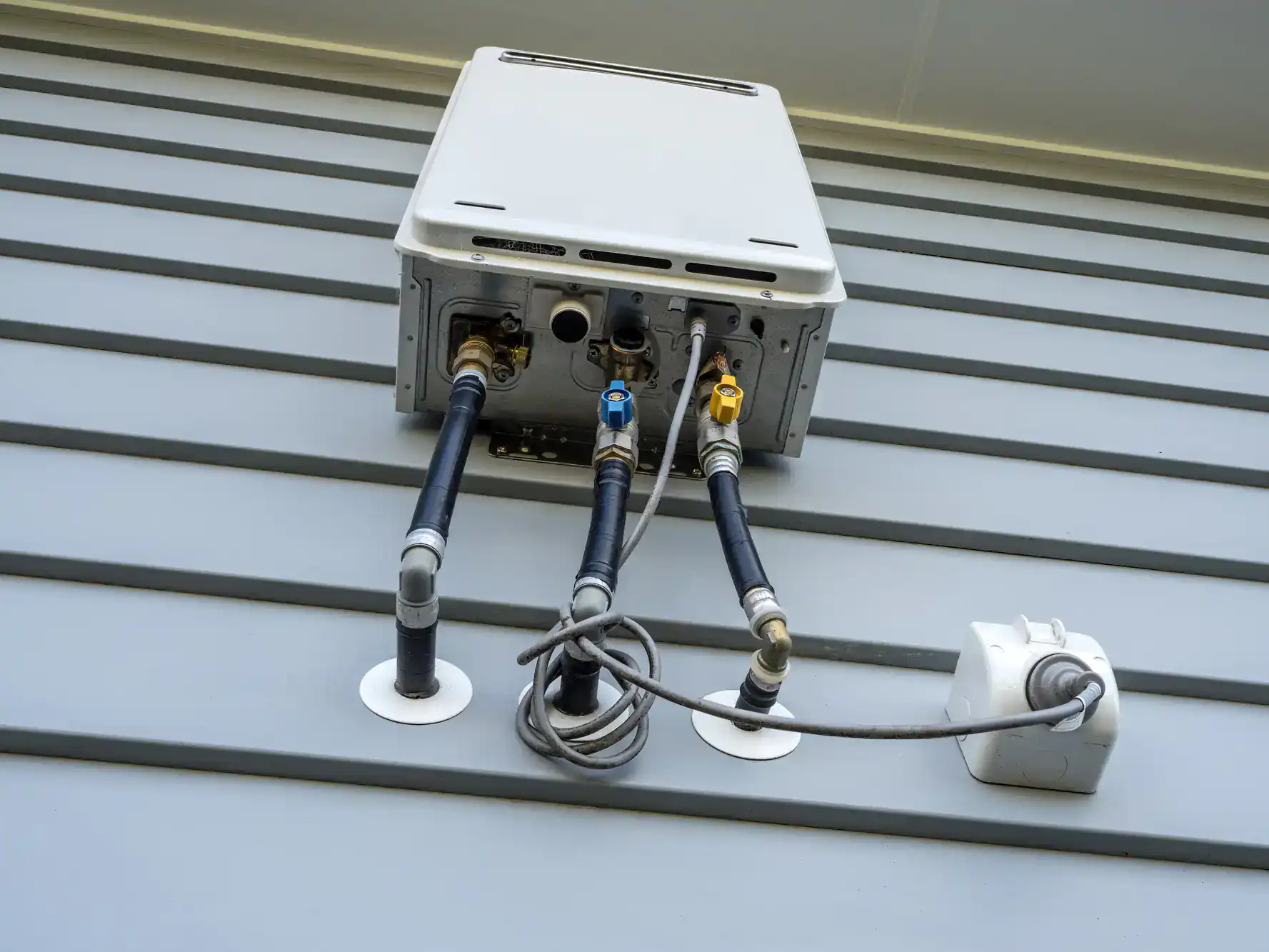
It starts before anyone touches a pipe. We assess your home’s existing gas supply line, venting configuration, and water pressure to make sure your home is actually ready for a tankless system. In Hood, where a lot of the housing stock dates back several decades, that step isn’t optional older gas lines and undersized supply infrastructure are common, and a tankless unit installed into the wrong setup won’t perform the way it should. If anything needs to be addressed, you’ll know the full cost before the work begins.
Once the assessment is done and the scope is clear, we pull the permit from the Sacramento County Building Department. That’s a required step for any water heater replacement in unincorporated Sacramento County under California Plumbing Code, and we handle it entirely application, scheduling, and final inspection sign-off. You don’t file anything or make a single call to the county.
Installation day is straightforward from there. The old unit comes out, the new tankless system goes in with proper venting and gas connections, and the work is inspected before the job is considered finished. If your property draws from a well rather than a municipal line which applies to some agricultural parcels in the Hood area we verify pressure before the unit activates, since low inlet pressure is a common cause of tankless ignition failure that gets missed on rural properties.
Ready to get started?
Tankless water heater installation in Hood, CA covers the full scope not just swapping units. That means a pre-installation infrastructure assessment, gas line evaluation, venting system installation, permit acquisition through Sacramento County, and a final inspection before the job is closed. If your home needs a gas line upgrade to support the new unit’s BTU demand, we quote that upfront and complete it as part of the same service. Nothing gets discovered after the old heater is already out.
Sacramento County residents in unincorporated areas like Hood may also qualify for rebates through SMUD’s energy efficiency programs and the PACE Clean Energy Financing program, in addition to federal tax credits available under the Inflation Reduction Act for qualifying high-efficiency water heater installations. We can walk you through what applies to your specific situation so you’re not leaving money on the table.
Hard water is a real factor in the Sacramento Delta groundwater service area that covers Hood, East Walnut Grove, and Delta Estates. Mineral scale buildup in a tankless heat exchanger is the leading cause of early performance loss in this region, and it’s entirely preventable with the right installation specs and annual descaling maintenance. That context is built into every recommendation we make because an installation that isn’t sized and specified for local water conditions isn’t really a complete installation.
Yes and this is one of the most important things to get right before any work starts. Hood is an unincorporated community in Sacramento County, which means it falls under Sacramento County Building Department jurisdiction rather than any city permitting office. Under California Plumbing Code Section 502.1, a permit is required for all water heater replacements in the county, including both tank and tankless systems.
Skipping the permit isn’t just a technical violation. If an unpermitted installation is later found to be a contributing cause of water damage or a fire, your homeowner’s insurance company can deny the claim entirely. At resale, an unpermitted water heater can also create title and inspection complications that delay or kill a transaction. We pull the permit, schedule the county inspection, and handle the sign-off as a standard part of every installation so you’re fully covered from the start.
It’s one of the most underestimated factors in this area. The Sacramento County groundwater service area that covers Hood and the surrounding Delta communities draws from local wells with measurable calcium and magnesium mineral content. That hardness doesn’t disappear when water enters your plumbing it accumulates inside your water heater’s heat exchanger over time, restricting flow and reducing the unit’s ability to reach target temperatures efficiently.
In a tankless system, scale buildup in the heat exchanger is the primary cause of premature performance degradation and shortened lifespan. A unit that should last 20 years can start underperforming in five if it’s installed without accounting for local water conditions and maintained without annual descaling. We spec installations for the Delta’s water profile and provide guidance on the maintenance schedule that keeps your system running the way it should for the long haul.
The honest range for a complete tankless water heater installation unit, labor, venting, and permit runs roughly $1,400 to $3,895 depending on the unit selected and what your home’s existing infrastructure requires. The national average sits around $2,629. If your home needs a gas line upgrade to support the new unit’s BTU output, that typically adds $1,500 to $2,500 to the project cost.
In Hood specifically, where a lot of the housing stock is older and gas infrastructure hasn’t always been updated alongside the rest of the home, a pre-installation assessment matters more than it does in newer construction. That assessment tells you exactly what your home needs before anything is quoted so the number you see upfront is the number you pay. Sacramento County homeowners may also be able to offset a portion of the cost through SMUD rebates and applicable federal tax credits, which we can help you identify before the project starts.
It will if it’s sized correctly for your home and the local groundwater temperature. That second part is what most generic installations miss. Winter groundwater temperatures in the Sacramento Delta drop significantly between November and March, which means the cold water entering your tankless unit arrives colder than it does in summer. The unit has to work harder to reach the target output temperature, and an undersized system will struggle to keep up with simultaneous demand across multiple fixtures during those months.
We size every installation to the home’s actual peak demand and account for seasonal groundwater temperature variation in the Delta. A properly sized gas tankless unit delivers 5 to 10 or more gallons per minute consistently enough for a shower, dishwasher, and laundry running at the same time regardless of whether it’s a July afternoon or a January morning with the Sacramento River running high and rain coming off the levees.
Yes, but well-water properties require an extra step that municipal-supply installations don’t. Tankless water heaters need adequate inlet water pressure to activate the flow sensor that triggers the burner. If pressure falls below the unit’s minimum threshold which can happen on agricultural parcels and rural properties in the Delta area where well pump output and pressure tank settings vary the unit won’t ignite, and you’ll get cold water with no obvious explanation.
Before any tankless installation on a well-water property in Hood, we verify inlet pressure and flow rate to confirm the system will activate reliably under normal household demand. If pressure is marginal, that gets addressed as part of the project scope before the unit goes in. Well water in the Sacramento Delta can also carry higher mineral loads than treated municipal supply, which makes the descaling maintenance conversation even more relevant for properties outside the immediate Hood town boundary on agricultural parcels.
For most Hood homes, the physical installation takes four to six hours on the day of service. That includes removing the old unit, installing the new tankless system with proper venting and gas connections, and verifying operation before the technician leaves. If gas line modifications are needed, the same-day timeline may extend or require a follow-up visit depending on the scope which is why the pre-installation assessment happens first, so there are no surprises on installation day.
The permit process through the Sacramento County Building Department runs on its own timeline, separate from the physical work. Water heater permits in unincorporated Sacramento County are generally processed on the faster end of the county’s review window, and the final inspection is scheduled after installation is complete. We manage that entire sequence pulling the permit before work begins and scheduling the inspection after so you’re not coordinating with the county building department yourself while also trying to get your hot water back online.