
Tankless Water Heater Installation
Get a free quote for tankless water heater installation from your local plumbing team.
We’ll contact you about your tankless water heater installation request. Privacy policy
Hear from Our Customers
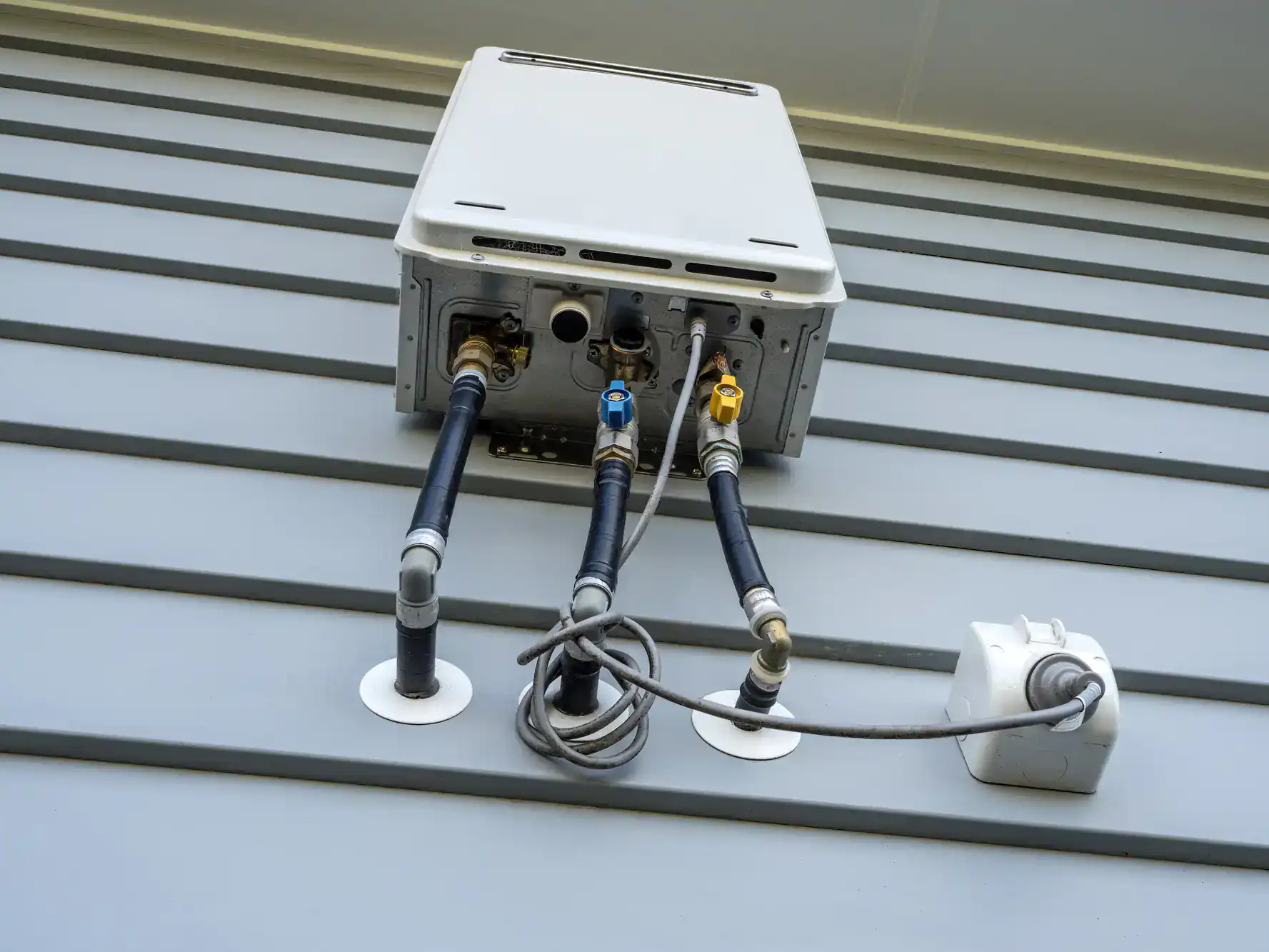
A traditional tank water heater has one job keep a fixed amount of water hot around the clock, whether you’re using it or not. On a larger Latrobe-area property with multiple bathrooms, a guest room, or a laundry setup in an outbuilding, that math stops working fast. You run out. You wait. You run out again. A properly sized gas tankless unit delivers hot water on demand no tank to drain, no recovery time, no cold surprise halfway through a shower.
The energy savings are real too. Tankless units can cut your water heating costs by up to 37% compared to a standard storage heater. On a bigger foothill home with higher baseline demand, that gap adds up quickly over a year and over the 20-plus year lifespan of a tankless unit, the difference is significant.
There’s also a well water consideration that matters specifically in this area. Many properties along Latrobe Road and the surrounding acreage rely on private wells, and foothill well water tends to carry higher mineral content than treated municipal supply. That means scale buildup inside a heat exchanger is a real issue if the installation isn’t done with that in mind. Getting this right from the start proper sizing, correct venting, and a maintenance plan that accounts for your water source is the difference between a system that lasts two decades and one that causes problems in year three.
We founded Murray Plumbing in 2009 as a local operation built to serve El Dorado County homeowners. Our owner, Ryan Murray, is a former construction superintendent who earned his plumbing license and built this business from the ground up. Latrobe and the surrounding foothill communities aren’t an extended service area on a map they’re home territory. We’ve been working in these communities for over 15 years, and we understand what that actually means: older homes, rural acreage properties, aging gas lines, well water, and a county permit process that not every contractor bothers to navigate correctly.
We hold a 4.7 out of 5 Google rating based on 93 reviews. The themes that come up consistently punctual, transparent pricing, work done right the first time aren’t marketing talking points. They’re what you get when the person running the business is accountable to a community small enough that reputation travels fast. In a place like Latrobe, that matters more than a slick website or a national brand name.
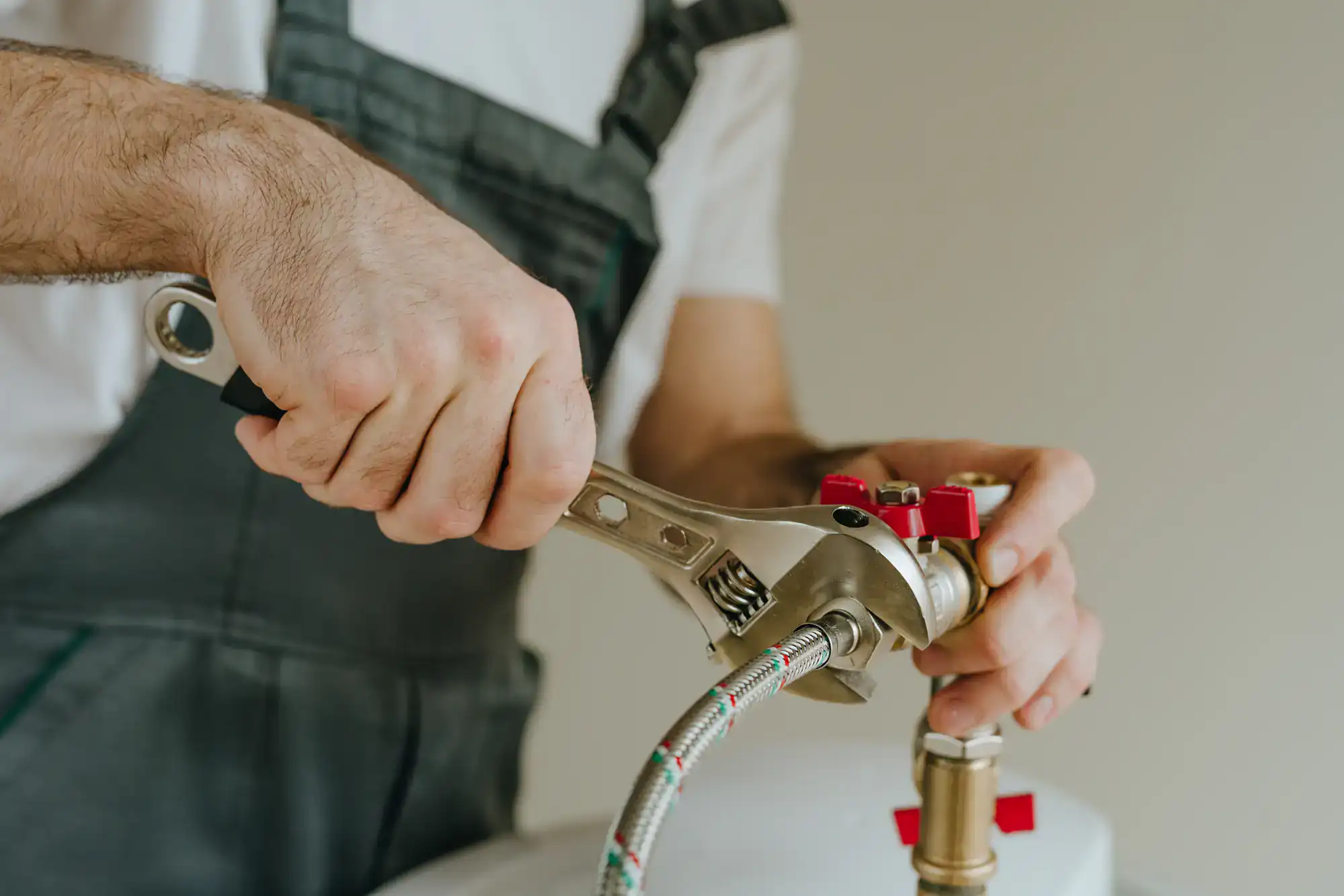
It starts with an honest assessment of what your property actually needs. Many Latrobe-area homes were built in the 1970s, and older construction often means gas lines that aren’t sized for a modern high-efficiency tankless unit, or venting systems that need modification. Before anything is recommended, we evaluate your existing gas supply, venting configuration, and water source so the quote you receive reflects the complete scope of the job, not just the unit itself.
From there, we pull the permit through El Dorado County’s Department of Planning and Building. California Plumbing Code requires a permit for every water heater replacement, and skipping it isn’t a minor technicality it can void your homeowner’s insurance and create real problems when you eventually sell a high-value rural property. We handle the application, coordinate the county inspection, and make sure the installation passes. You don’t touch a form.
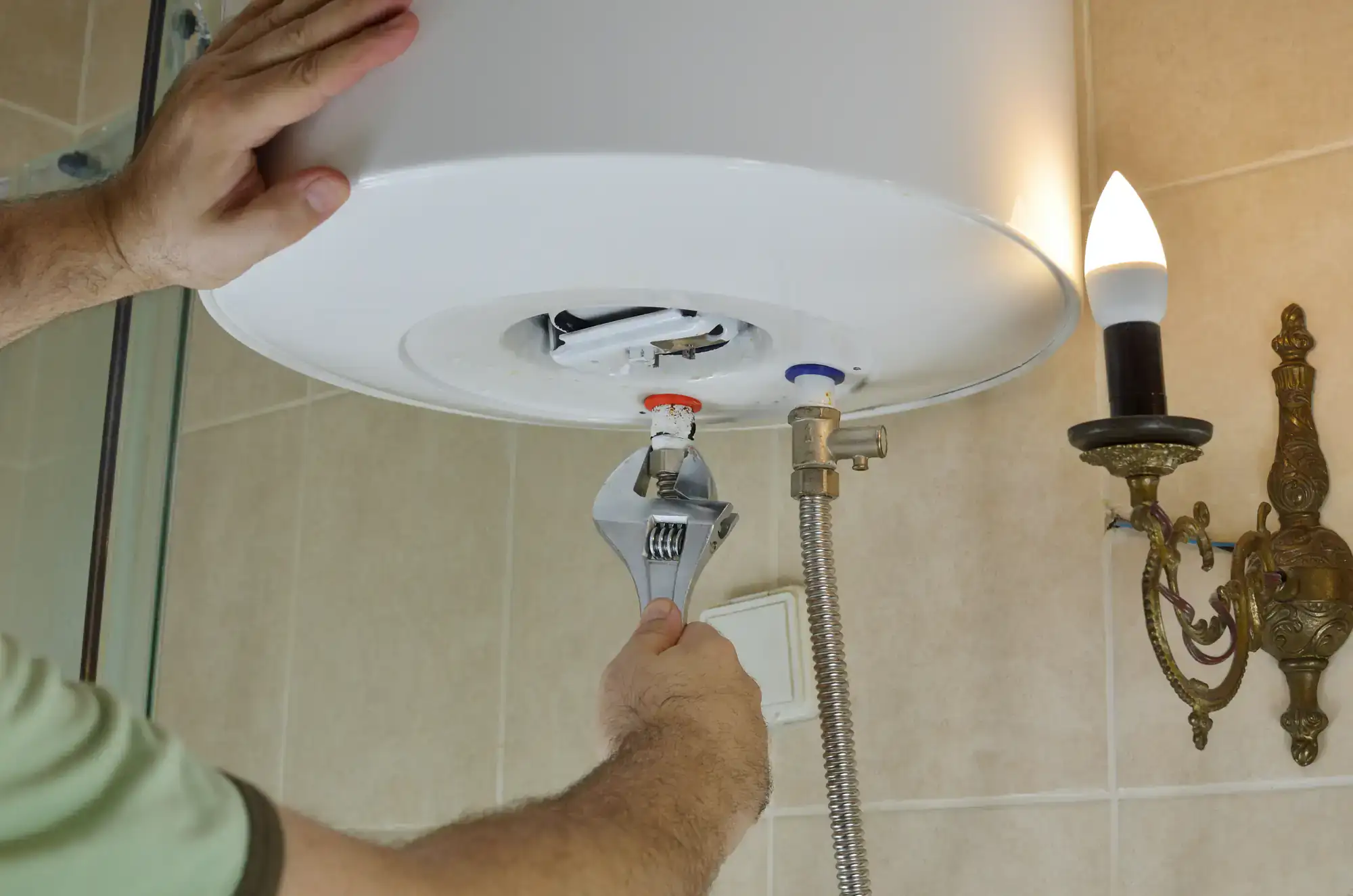
Installation day is straightforward. The old unit comes out, the new tankless system goes in, all connections are tested, and you’re shown how the system operates before we leave. Most jobs are completed the same day. If your property is on well water, the conversation about descaling maintenance also happens at this stage because a system that’s properly maintained from the start is one that actually reaches that 20-year lifespan.
Ready to get started?
Every tankless water heater installation in Latrobe includes a pre-installation infrastructure assessment, the permit pulled through El Dorado County, the full installation by a California C-36 licensed technician, county inspection coordination, and a walkthrough of the system before the job is closed. If a gas line upgrade or venting modification is needed which is common in the older housing stock found throughout the Latrobe Road corridor that work is scoped and priced upfront, not discovered mid-job.
We install gas tankless units sized to your home’s actual peak demand. For a larger Latrobe-area property with multiple simultaneous draw points two showers running, a dishwasher cycling, a laundry load going proper GPM sizing is what separates a system that performs from one that frustrates. The 2024 DOE efficiency standards also raised the minimum Uniform Energy Factor requirements for gas-fired tankless units, meaning only the most efficient models can be legally installed today. Every unit we install meets current federal compliance standards.
For properties on private wells, the installation conversation also covers descaling maintenance. Hard foothill well water accelerates mineral buildup inside the heat exchanger, and an annual descaling schedule is what keeps the system running at full efficiency. It’s a straightforward service but it’s one that gets skipped when the installer doesn’t know the area and doesn’t ask about your water source.
Yes and this applies whether you’re doing a like-for-like tank replacement or upgrading to a tankless system. California Plumbing Code Section 502.1 requires a permit for water heater replacement, and because Latrobe is an unincorporated community, that permit comes from El Dorado County’s Department of Planning and Building not a city building department.
Skipping the permit isn’t just a technicality. If an unpermitted installation causes water damage or a fire, your homeowner’s insurance can deny the claim. For a high-value rural property in El Dorado County, that’s a serious financial exposure. When you sell, an unpermitted water heater can also surface during escrow and delay or derail the transaction. We pull the permit, handle the county inspection, and ensure the installation passes you don’t have to navigate any of that process.
It will but the installation needs to account for your water source from the beginning. Many properties in Latrobe rely on private wells, and foothill well water in El Dorado County typically carries higher mineral content than treated municipal supply. That mineral content causes scale to build up inside the tankless unit’s heat exchanger over time, which reduces efficiency and can shorten the system’s lifespan if it’s not addressed.
The good news is that this is a manageable issue, not a dealbreaker. A properly installed tankless unit on a well water property should include an annual descaling service to flush the heat exchanger and keep it running at full capacity. Some properties also benefit from a pre-filter or water softener upstream of the unit, depending on the specific mineral levels in the well. We ask about your water source during the pre-installation assessment so the right setup is recommended from the start not after the system has already been running for two years with unchecked scale buildup.
For a standard gas tankless water heater installation, you’re generally looking at a range of $1,400 to $3,895 for the unit and installation combined. That range shifts depending on the size of the unit, the brand, and what the pre-installation assessment turns up about your existing infrastructure.
In older Latrobe-area homes most of which were built in the 1970s it’s not uncommon to find gas lines that need to be upsized to 3/4 inch to support a modern tankless unit, or venting systems that require modification. A gas line upgrade typically adds $1,500 to $2,500 to the project. That’s not a hidden charge it’s work that needs to happen for the system to run safely and correctly, and we scope it out and price it before any work begins. The quote you receive covers the full job. There are no mid-project additions.
Sizing comes down to your home’s peak hot water demand meaning how many fixtures could realistically be running at the same time. For a typical suburban home, that calculation is fairly straightforward. For a larger Latrobe-area property with multiple bathrooms, a guest suite, a laundry room, or outbuildings with water access, the demand picture is more complex.
Gas tankless units are rated in gallons per minute. A unit delivering 5 to 6 GPM might handle a smaller home comfortably, but a larger property with simultaneous draw from two showers, a dishwasher, and a washing machine could require a unit rated at 8 to 10 GPM or higher. Getting this wrong in either direction is a problem undersizing means you run out of hot water under load, and oversizing means you’re paying for capacity you don’t need. We size every unit to your home’s actual peak demand based on the pre-installation walkthrough, not a generic square footage estimate.
For a straightforward installation where the existing infrastructure is compatible, most jobs are completed in a single day. The technician arrives, removes the old unit, installs and connects the new tankless system, tests all connections, and walks you through the operation before leaving.
If the assessment reveals that a gas line upgrade or venting modification is needed which does come up on older properties in the Latrobe area that work is typically completed in the same visit or scheduled immediately after, depending on scope. The permit and inspection timeline runs parallel to the installation and doesn’t hold up the job in most cases. We coordinate the El Dorado County inspection as part of the process, so you’re not waiting on paperwork or making calls to the county yourself. From the time you schedule to the time hot water is flowing from the new unit, most Latrobe customers are looking at the same week, often the same day.
For most Latrobe-area homeowners, yes and the math is more favorable here than it would be for a smaller suburban property. Tankless units eliminate standby heat loss entirely, which is the energy your current tank heater is burning right now to keep 40 or 50 gallons of water hot whether you’re using it or not. Switching from a standard storage heater to a tankless model can reduce water heating energy use by up to 37%. On a bigger foothill home with higher baseline demand, that annual savings number is meaningful.
The lifespan argument matters too. A traditional tank water heater lasts 8 to 12 years. A properly maintained tankless unit lasts 20 years or more. Over the time most Latrobe homeowners plan to stay on their property, a tankless installation is likely the last water heater decision you’ll need to make. Add in the fact that the 2024 DOE efficiency standards have raised the bar on what can be legally installed, and the newer high-efficiency units available today are genuinely better than what was on the market even five years ago. If you’re already looking at replacing an aging tank, the window to upgrade is now.