
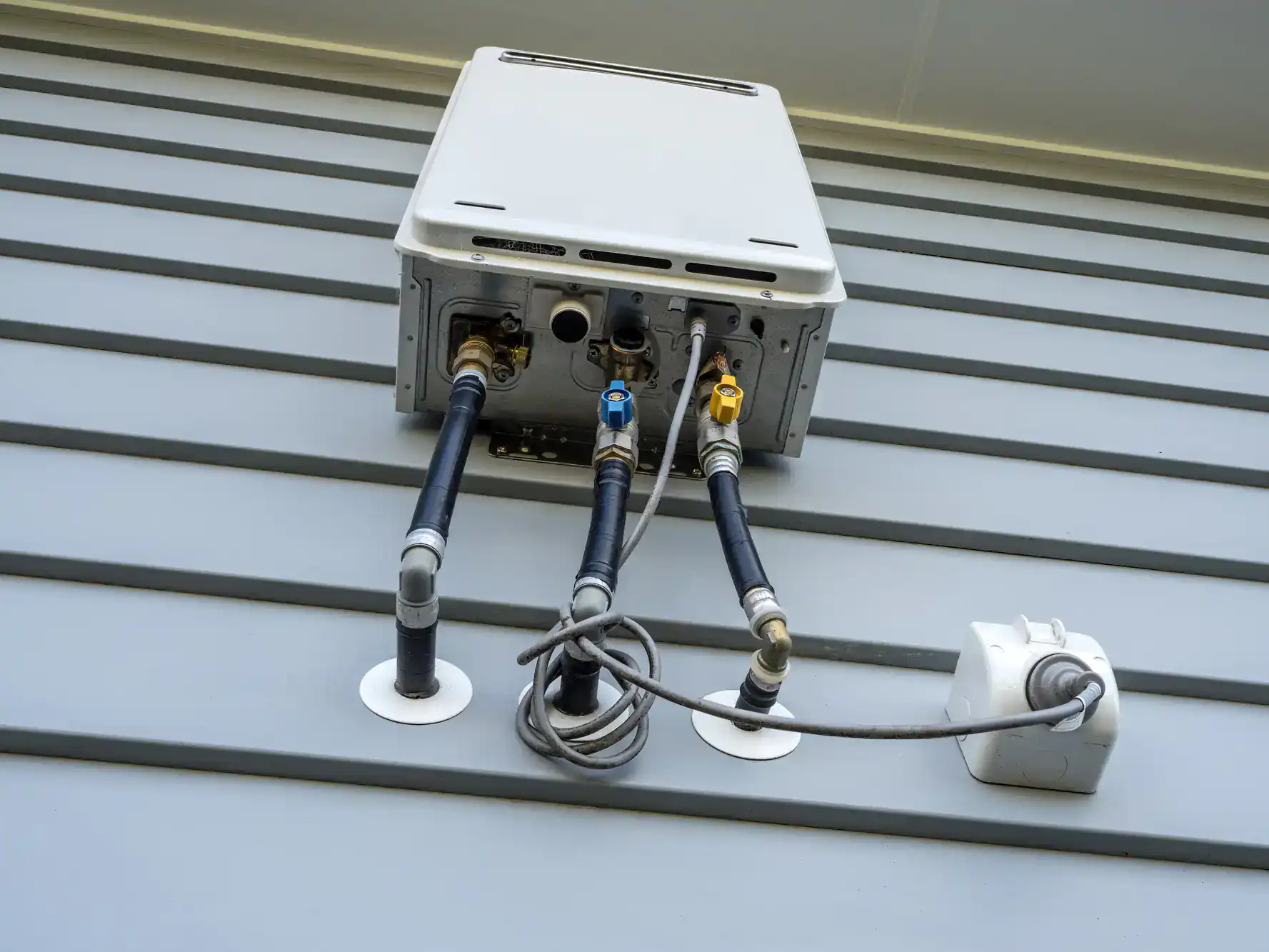
Tankless Water Heater Installation
Get a free quote for tankless water heater installation from your local plumbing team.
We’ll contact you about your tankless water heater installation request. Privacy policy
Hear from Our Customers
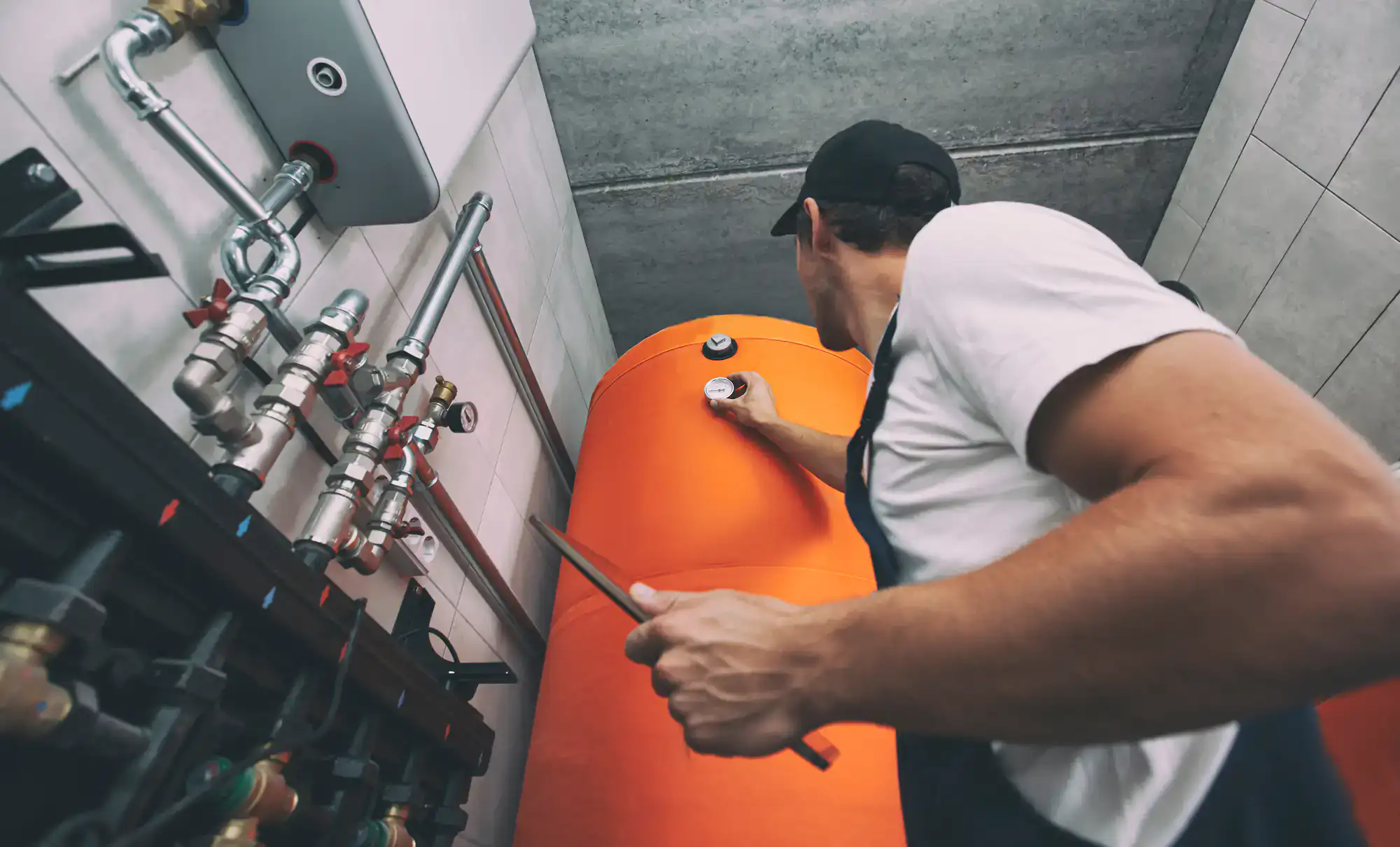
A tankless water heater doesn’t store hot water it heats it the moment you need it. That means no more timing your showers around the tank, no more cold surprises when someone else gets there first, and no standby energy loss from keeping 40 gallons warm around the clock. Over the course of a year, that adds up to real savings typically 24 to 37 percent less on your water heating costs.
For a property in Lotus, that efficiency matters more than it might in a Sacramento suburb. Many homes here draw from private wells, and foothill groundwater runs cold from November through March. A properly sized tankless unit accounts for that temperature drop so you’re getting consistent hot water even when the South Fork is running cold and the ground has been soaked by weeks of winter rain.
These units also last significantly longer than standard tanks. Where a traditional water heater might need replacing in 8 to 12 years, a tankless unit installed correctly can run 20-plus years. For a property you plan to hold onto whether it’s a riverfront cabin, a hillside retreat on acreage, or a vacation rental that needs to be guest-ready during rafting season that longevity is worth paying attention to.
We were founded in 2009 by Ryan Murray, a licensed contractor who built this company on straightforward work and honest pricing. Our team holds a California C-36 Plumbing Contractor license, carries full insurance on every job, and has been serving El Dorado, Placer, and Sacramento Counties for over 15 years. That 4.7 out of 5 Google rating across 93 reviews didn’t come from one good week it came from consistently showing up, doing the job right, and not padding the bill.
Lotus sits about eight miles north of Placerville on Highway 49, and it’s well within the area we work regularly. This isn’t a team that needs to Google your roads or guess at El Dorado County permit requirements. We know the older home stock out here, we know what rural infrastructure looks like, and we know how to pull a county permit and get it inspected without making that your problem to manage.
It starts with a call. You describe what you have and what you’re looking for we ask the right questions about your home’s gas supply, venting setup, and whether you’re on PG&E natural gas or propane. A lot of rural properties along the Lotus Road corridor run on propane, and that changes which unit is right for your home and how it gets configured. That gets sorted before anyone drives out.
From there, our team comes to your property and does a real assessment not a sales pitch. We look at your existing gas line sizing, your venting configuration, and your electrical setup if relevant. If your home needs a gas line upgrade to support a tankless unit (common in older properties with half-inch lines), you’ll know the full cost before any work begins. No commitment required until you’ve seen the complete number.
Once you approve the scope, we pull the El Dorado County building permit required under California Plumbing Code for every water heater replacement in unincorporated county territory like Lotus. The installation itself typically takes four to six hours. After the work is done, the county inspection gets scheduled and coordinated by our team. You don’t call the building department, you don’t track down an inspector, and you don’t wonder if the job was done to code. That’s handled.
Ready to get started?
Every tankless installation we complete in the Lotus area is sized and configured for that specific property. That means accounting for the number of fixtures, your peak hot water demand, and critically the cold incoming groundwater temperatures that hit this valley hard in winter. An undersized unit installed without that calculation will leave you with lukewarm output on the coldest mornings of the year. That’s not a minor inconvenience out here; it’s a real problem.
Because many Lotus properties pull from private wells rather than a municipal water system, mineral content in the water tends to run higher than what you’d find in a treated city supply. Scale buildup inside the heat exchanger is the main thing that shortens a tankless unit’s life in hard-water areas. We factor that into every installation advising on descaling maintenance schedules and water treatment options that protect the unit long-term, not just on day one.
We also handle every permit and inspection required by the El Dorado County Building Department. For Lotus homeowners, that means the installation is fully code-compliant and documented which matters if you ever file an insurance claim, sell the property, or rent it out during South Fork rafting season. A permitted, inspected installation isn’t just the legal requirement; it’s the thing that protects you when it actually counts.
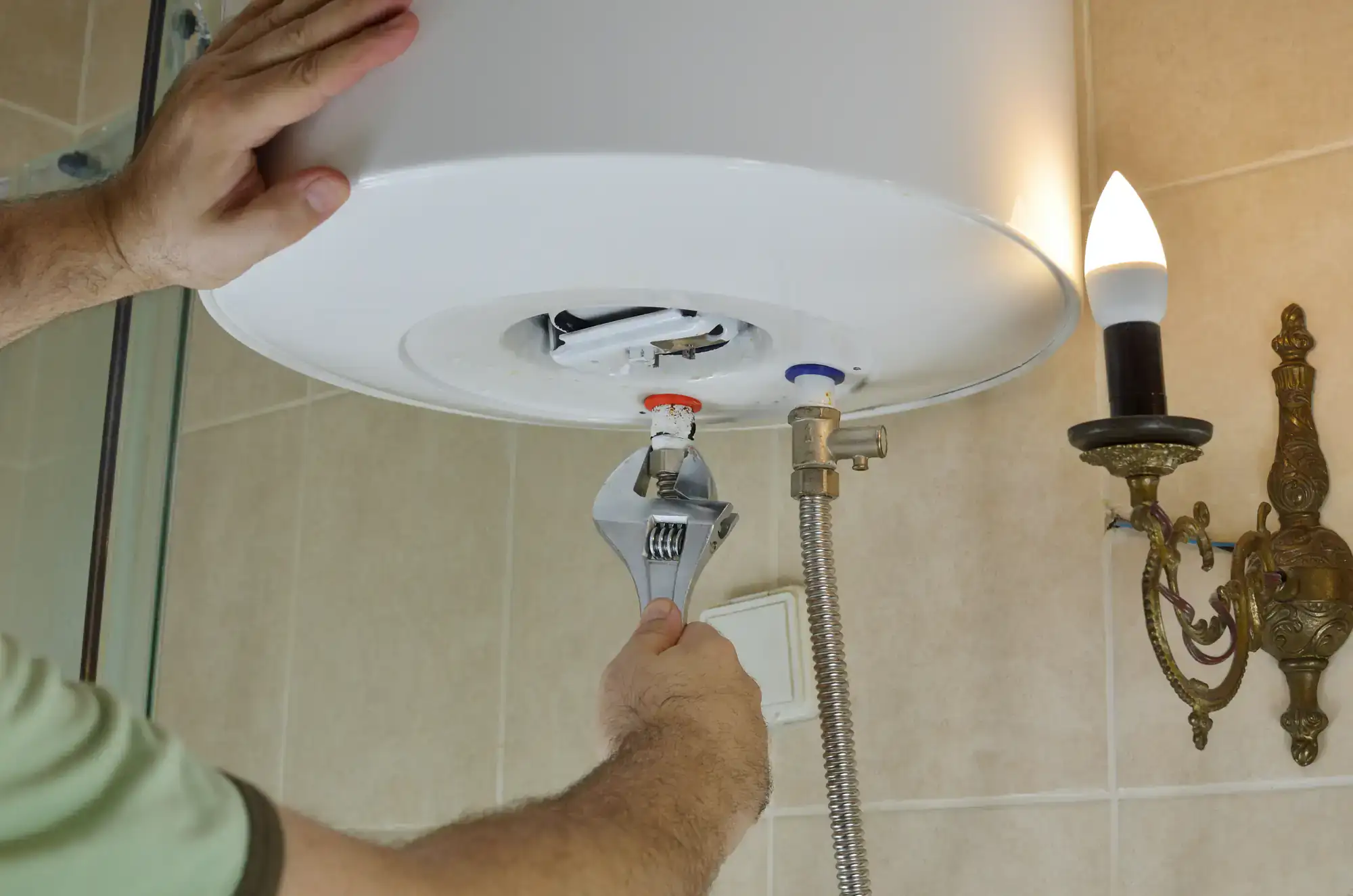
Yes and it’s not optional. Under California Plumbing Code Section 502.1, a permit is required for every water heater replacement or new installation in the state. Because Lotus is an unincorporated community in El Dorado County, that permit comes from the El Dorado County Building Department, not a city building office. There’s no municipal layer to navigate, but the county requirement is firm.
The reason this matters beyond legal compliance is insurance. If a water heater is installed without a permit by an unlicensed contractor and later causes water damage or a fire, your homeowner’s insurance company can deny the claim. In a rural area like Lotus where properties are on larger parcels and emergency services may take longer to arrive an unpermitted installation carries real financial risk. We pull the county permit and coordinate the final inspection as a standard part of every job. You don’t have to track any of that down yourself.
The honest range for a full tankless water heater installation unit, labor, and standard connections runs roughly $1,400 to $3,900, with most jobs landing around $2,600 depending on the unit selected and the scope of work. That range shifts if your home needs additional work before the unit can go in.
The most common add-on cost for older rural properties in the Lotus area is a gas line upgrade. Many homes out here were built with half-inch gas lines, and most tankless units require at least three-quarter inch to perform correctly. If that upgrade is needed, it typically adds $1,500 to $2,500 to the project. We assess your gas supply, venting, and electrical setup before recommending anything and give you the full cost upfront before work begins. No estimates that balloon after the contractor is already on your property.
It will but well water requires a bit more attention than a municipal supply. Groundwater in the Sierra Nevada foothills, including the Lotus area, tends to carry higher mineral content than treated city water. Over time, those minerals build up as scale inside the heat exchanger, which reduces efficiency and can shorten the unit’s life if it’s not addressed.
The fix is straightforward: annual descaling, and in some cases a water softener or inline filter depending on your well’s mineral levels. We account for your water source during the installation consultation and give you a realistic maintenance picture before you commit to a unit. A tankless water heater installed with that context in mind will perform well for 20-plus years on well water. One installed without it may start losing efficiency in three to five. Knowing your water is part of sizing and recommending the right system for your property.
Propane tankless water heaters are a completely viable option, and a meaningful number of rural properties in unincorporated El Dorado County including homes along the Lotus Road corridor run on propane rather than PG&E natural gas. The installation process is similar, but propane units require specific BTU ratings and pressure configurations that differ from natural gas setups. This isn’t a complication it just needs to be handled correctly from the start.
We work with both natural gas and propane systems and ask about your fuel source during the initial call. The unit recommended for your home will be matched to what’s actually running to your property, not defaulted to a natural gas assumption. If you’re unsure what fuel type your current water heater uses, that’s easy to confirm before any site visit and our team can walk you through it on the phone.
Most tankless water heater installations take four to six hours from start to finish. That includes removing the old unit, preparing the connections, installing the new system, and running a full operational check before the technician leaves. If additional work is needed a gas line upgrade, new venting, or a dedicated electrical circuit that can extend the timeline, and you’ll know about it in advance from the pre-installation assessment.
We handle most water heater calls the same day, including full installations when the unit is available. For Lotus residents, that same-day capability is worth noting you’re not in a dense suburban market where three plumbers could arrive within the hour. When a water heater fails on a cold January morning and your incoming groundwater is near freezing, having a contractor who can actually get to your property that day makes a real difference. If you’re calling because of an emergency failure, lead with that we prioritize accordingly.
For a vacation rental or short-term rental property in the Coloma-Lotus valley, a tankless water heater is one of the more practical upgrades you can make. The South Fork American River rafting season runs May through September, and that’s when your property is most likely to be occupied sometimes by multiple guests running showers, doing laundry, and using the kitchen simultaneously. A tank water heater that runs out during a busy weekend is a guest experience problem. A tankless unit doesn’t run out because it doesn’t store water it heats on demand, continuously, as long as the flow is within the unit’s rated capacity.
The longer lifespan also matters for a rental property. You’re not going to want to coordinate a water heater replacement during peak season, and a tankless unit installed correctly can go 20-plus years without needing to be replaced. The energy savings also reduce your operating overhead year-round, not just when guests are there. We handle the El Dorado County permit and inspection as part of the job, so the installation is fully documented and code-compliant for insurance and rental platform purposes.