
Tankless Water Heater Installation
Get a free quote for tankless water heater installation from your local plumbing team.
We’ll contact you about your tankless water heater installation request. Privacy policy
Hear from Our Customers
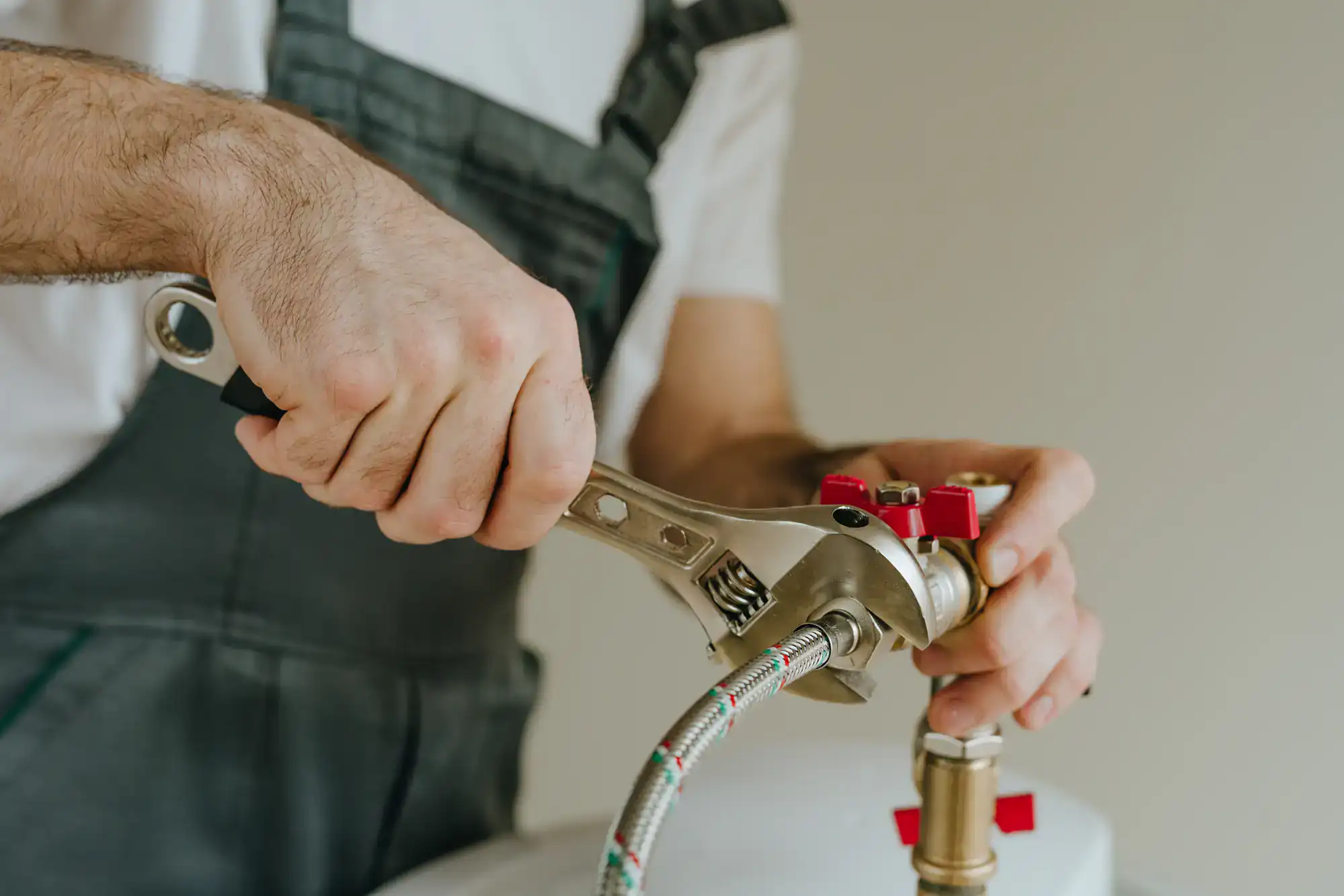
A standard tank heater runs continuously heating and reheating the same 40 to 50 gallons whether you need it or not. When you switch to tankless, that standby energy loss disappears. Field studies show households can cut water heating energy use by up to 37%, and that shows up on your Sacramento utility bill every single month.
For a River Park home built in the 1950s or 1960s, the difference is even more noticeable. These homes weren’t designed with modern hot water demand in mind multiple showers, dishwashers, laundry all running in the same hour. A tankless unit heats water on demand, so you’re not rationing hot water or waiting for a tank to recover during Sacramento’s peak summer months when usage is highest.
The longer-term math matters too. Tankless units last 20 years or more roughly twice the lifespan of a traditional tank. For a homeowner protecting a property worth $750,000 in one of Sacramento’s most sought-after neighborhoods, that’s not just a convenience upgrade. It’s a real infrastructure investment that holds its value.
Ryan Murray started this company in 2009 with a plumbing license and a background in construction. No franchise, no call center, no rotating crew of subcontractors. We’ve grown into a trusted name across Sacramento County because the work has always been done the same way show up on time, give a real price, and don’t leave until the job is done correctly.
River Park homeowners are particular, and for good reason. These are well-maintained, high-value properties in a neighborhood that’s been around since the Orchard Terrace subdivision days of the late 1940s. When you call us for tankless water heater installation in River Park, you get a named technician Ryan, Shannon, or Dayton who understands the plumbing characteristics of mid-century Sacramento homes and knows exactly what the City of Sacramento’s permit process requires.
Our 4.7/5 Google rating across 93 reviews reflects what customers actually experience: same-day response, honest pricing, and jobs completed right the first time.
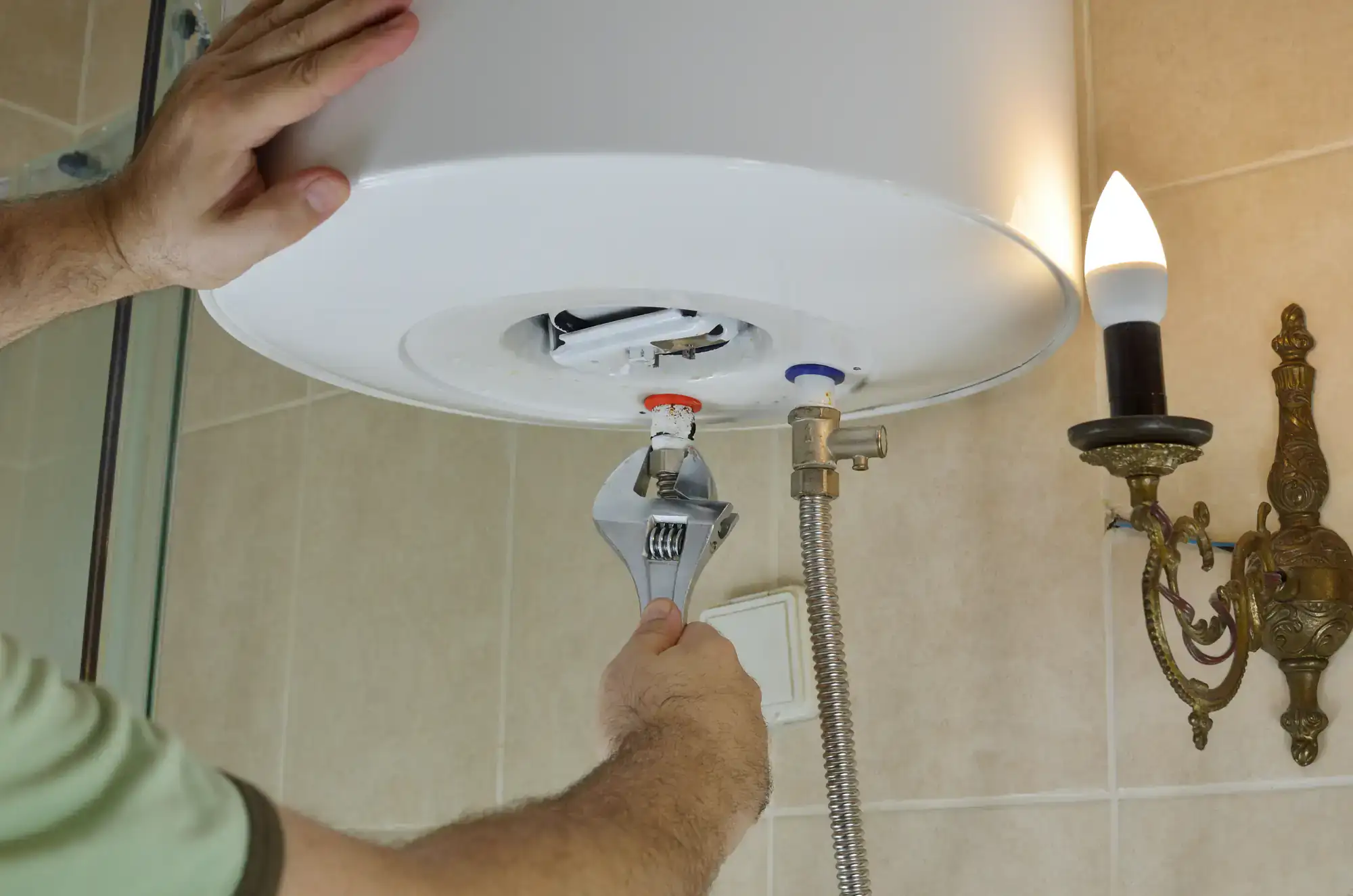
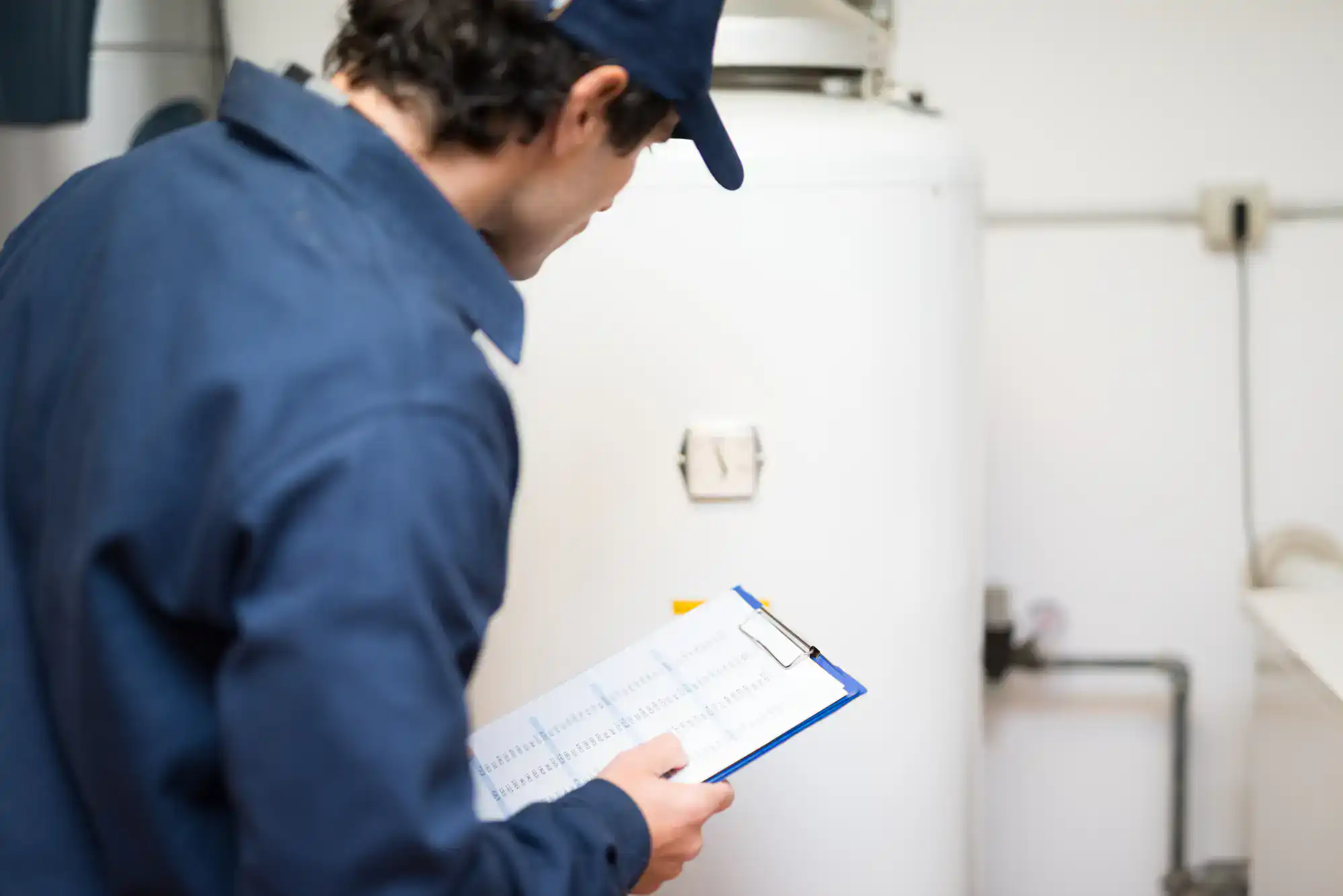
It starts with a real assessment not a sales pitch. Before any work is quoted or scheduled, one of our technicians evaluates your current setup: the existing water heater location, your gas supply line size, venting configuration, and whether your home’s infrastructure can support a tankless unit as-is. Many River Park homes were built with gas lines sized for the appliances of the 1950s, and some need a line upgrade before a tankless unit can run at full capacity. You’ll know that upfront with a complete cost that covers the unit, installation, venting, any gas line work, and permits before anyone touches a pipe.
Once you approve the scope, installation typically takes four to six hours. We pull the permit through the City of Sacramento Building and Safety Division, schedule the inspection, and ensure the installation passes. You don’t fill out a single form. That permit requirement isn’t a technicality if a water heater is installed without one and something goes wrong, your homeowner’s insurance can deny the claim. Every installation we complete is fully permitted and code-compliant with current California Plumbing Code standards.
After installation, you’ll get a walkthrough of the new unit how to adjust temperature, what the annual descaling maintenance looks like given Sacramento’s hard water conditions, and what to watch for over time. The job isn’t done until you actually understand what you have.
Ready to get started?
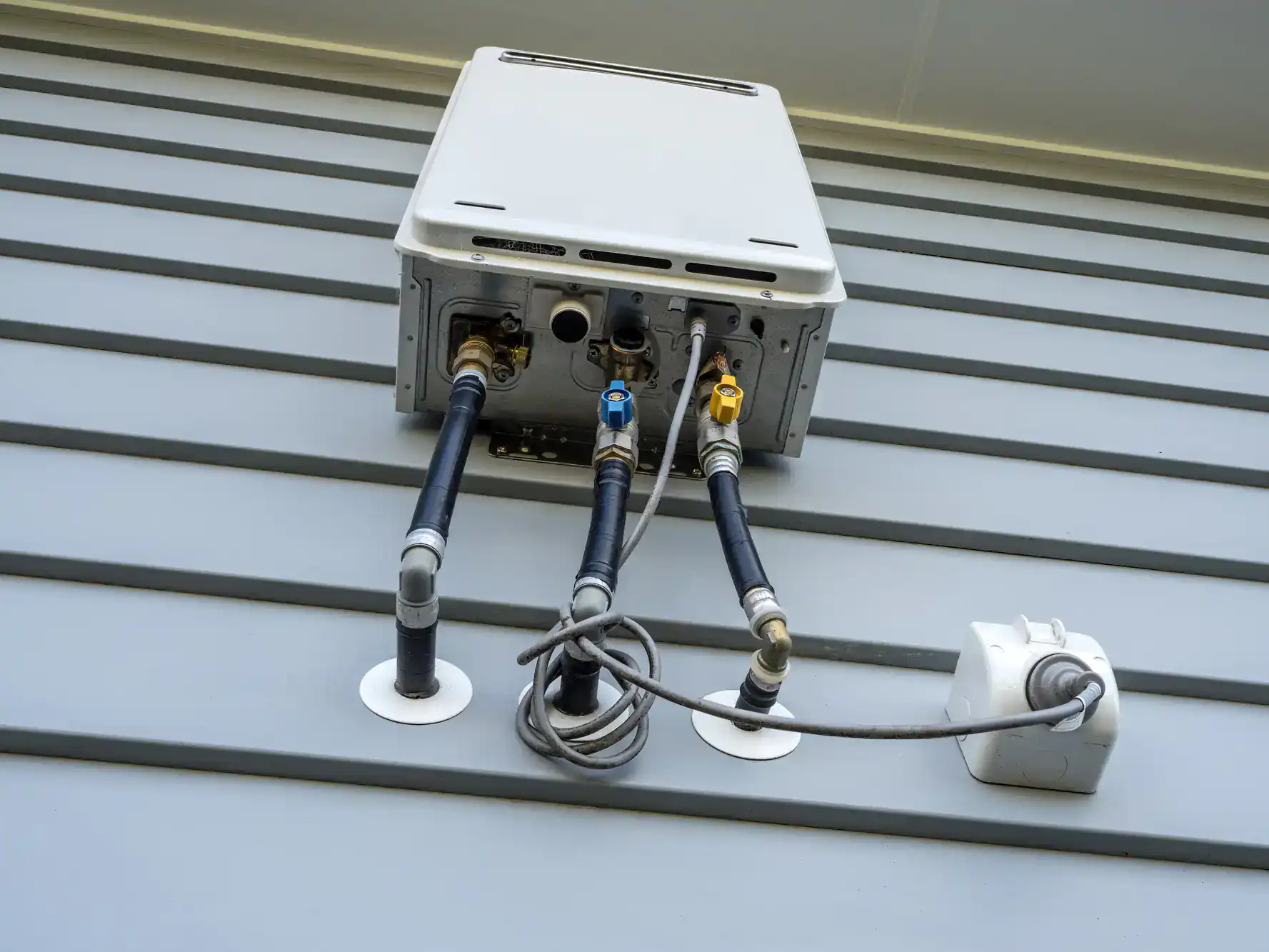
Our tankless water heater installation in River Park covers the full scope unit, labor, venting, City of Sacramento permit, and inspection coordination. If your home needs a gas line upgrade to meet the minimum ¾-inch supply requirement for a tankless system, that’s identified during the initial assessment and included in your quoted price before work begins. Total installation costs typically run between $1,400 and $3,895, with gas line work adding $1,500 to $2,500 where needed. You get one number. That’s what you pay.
Every unit we install meets the 2024 DOE efficiency standards for gas-fired tankless water heaters which means only high-efficiency, code-compliant equipment goes into your home. For River Park homeowners, that matters both for long-term performance and for qualifying for federal Inflation Reduction Act energy efficiency tax credits, which can offset a meaningful portion of the installation cost.
Sacramento’s water supply is hard elevated in calcium and magnesium and that mineral content causes scale buildup inside tankless heat exchangers over time. Left unaddressed, it reduces efficiency and shortens equipment life. We install every unit with that reality in mind and walk you through what annual descaling maintenance looks like so your system performs at full capacity for its full 20-plus year lifespan. River Park homeowners near Glen Hall Park and along the American River Parkway corridor are in the same hard water zone this isn’t a minor footnote, it’s part of owning a tankless unit in Sacramento.
It depends on what’s already there, and the only way to know is a proper assessment before any work is quoted. Most tankless water heaters require a minimum ¾-inch gas supply line to operate at full capacity. A significant number of River Park homes were built in the 1940s through 1960s and many were plumbed with gas lines sized for the appliances of that era, which often means ½-inch supply lines that won’t support a modern tankless unit.
During the pre-installation evaluation, one of our technicians checks your existing gas line size and pressure. If an upgrade is needed, it’s included in your upfront quote not discovered mid-job and added to your bill. Some River Park homes are already set up correctly and need no additional work at all. The point is that you’ll know the full picture before you commit to anything.
Most tankless water heater installations in the Sacramento area run between $1,400 and $3,895, with the final number depending on the unit selected, the complexity of the venting setup, and whether any gas line work is required. If your home needs a gas line upgrade which is common in River Park’s older housing stock that typically adds $1,500 to $2,500 to the total.
We give you one complete price before work starts. That number includes the unit, labor, venting, the City of Sacramento permit, and inspection coordination. There are no line items added after the fact. If you’re eligible for federal Inflation Reduction Act tax credits on a qualifying high-efficiency unit, we can walk you through what qualifies during the estimate.
Yes and it’s not optional. The City of Sacramento explicitly requires a permit for water heater installation and replacement, and California Plumbing Code backs that up at the state level. Installing a water heater without a permit isn’t just a code violation it creates real financial risk. If an unpermitted installation causes water damage or a fire, your homeowner’s insurance company has grounds to deny the claim entirely.
We handle the complete permit process for every installation in River Park. That means pulling the permit through the City of Sacramento Building and Safety Division, scheduling the required inspection, and ensuring the installation passes before the job is considered complete. You don’t fill out a single form or make a single call to the city. It’s included as a standard part of every installation not an add-on, not an extra charge.
Sacramento’s water supply carries elevated levels of calcium and magnesium what’s commonly called hard water. Inside a tankless water heater, those minerals accumulate on the heat exchanger over time, forming scale deposits that reduce heating efficiency, slow flow rates, and put additional strain on the unit. Left unaddressed, scale buildup can significantly shorten the lifespan of a system that should otherwise last 20-plus years.
The practical answer is annual descaling maintenance a flushing process that removes mineral buildup and keeps the heat exchanger performing the way it should. River Park sits squarely in Sacramento’s hard water zone, so this isn’t a hypothetical concern. We walk every customer through what maintenance looks like after installation, including how often to schedule it and what signs to watch for between service visits. A tankless unit in Sacramento that gets annual maintenance will outperform and outlast one that doesn’t by a wide margin.
The physical installation typically takes four to six hours for a standard residential job. That covers removing the old unit, installing the new tankless system, connecting the gas supply and venting, and testing the unit before we leave. If your River Park home requires a gas line upgrade as part of the project, the total time may run longer depending on the scope of that work but that’s assessed and communicated upfront, not discovered mid-job.
The permit and inspection timeline adds a separate step. We pull the City of Sacramento permit before work begins and schedule the inspection after installation. The inspection itself is typically a brief visit to confirm the installation meets code and because our work is done to that standard from the start, it passes. From your first call to a fully inspected, operational tankless system, most River Park jobs are completed within one to two days.
For most River Park homeowners, yes and the math is straightforward. The homes in this neighborhood were built between the 1940s and 1960s, which means a lot of them are still running aging tank heaters that are well past their expected lifespan. When that tank fails and it will you’re facing a replacement either way. The question is whether you replace it with another tank that will need replacing again in 10 to 12 years, or upgrade to a tankless system that lasts 20-plus years and costs you less to operate every month.
River Park’s high homeownership rate and strong property values mean most residents here are making long-term decisions about their homes, not short-term fixes. A properly installed tankless unit reduces water heating energy use by up to 37%, eliminates the standby heat loss of a traditional tank, and adds real infrastructure value to a property worth protecting. For a home in a neighborhood where median sale prices have reached $750,000, that’s not a minor upgrade it’s a smart one.