
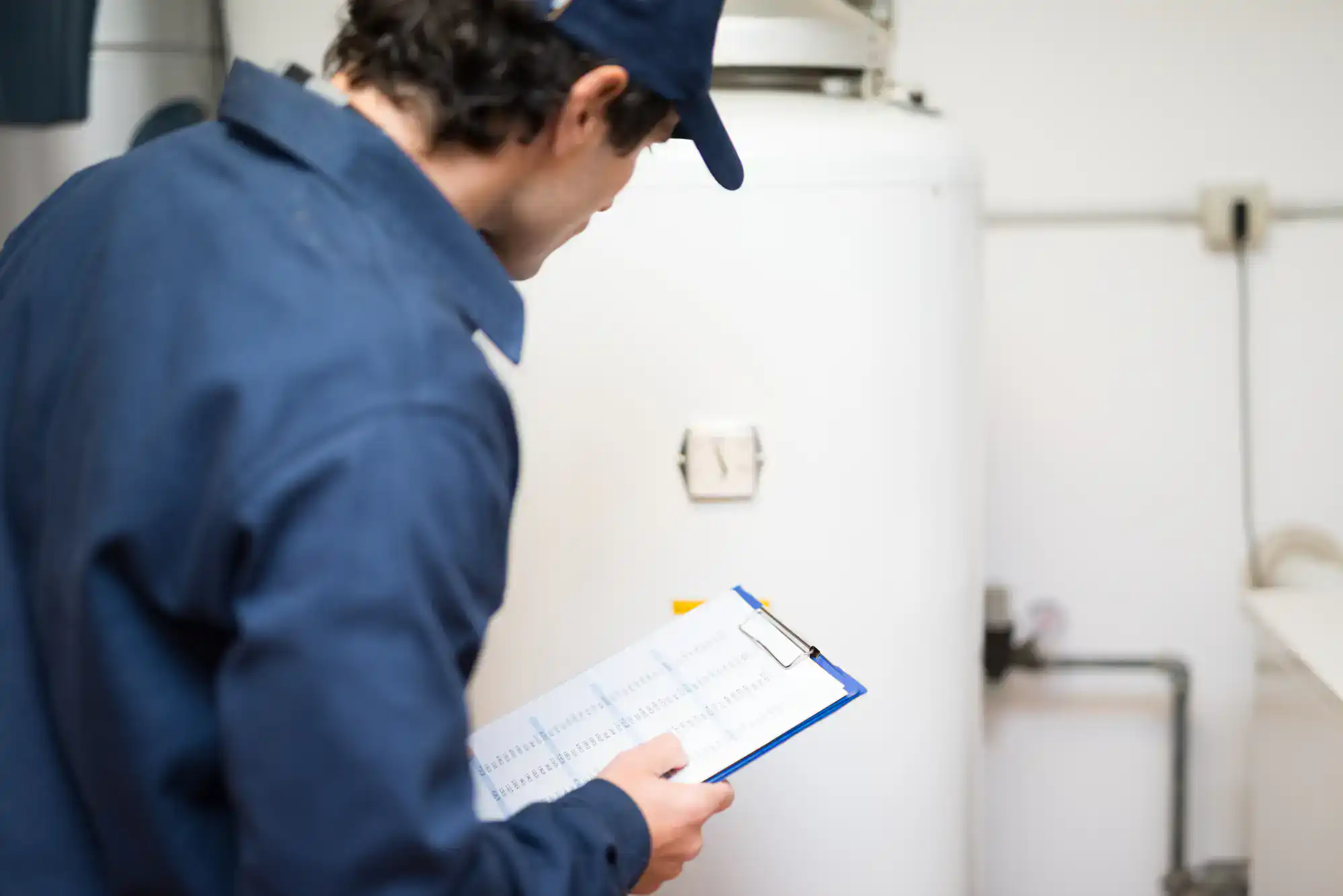
Tankless Water Heater Installation
Get a free quote for tankless water heater installation from your local plumbing team.
We’ll contact you about your tankless water heater installation request. Privacy policy
Hear from Our Customers
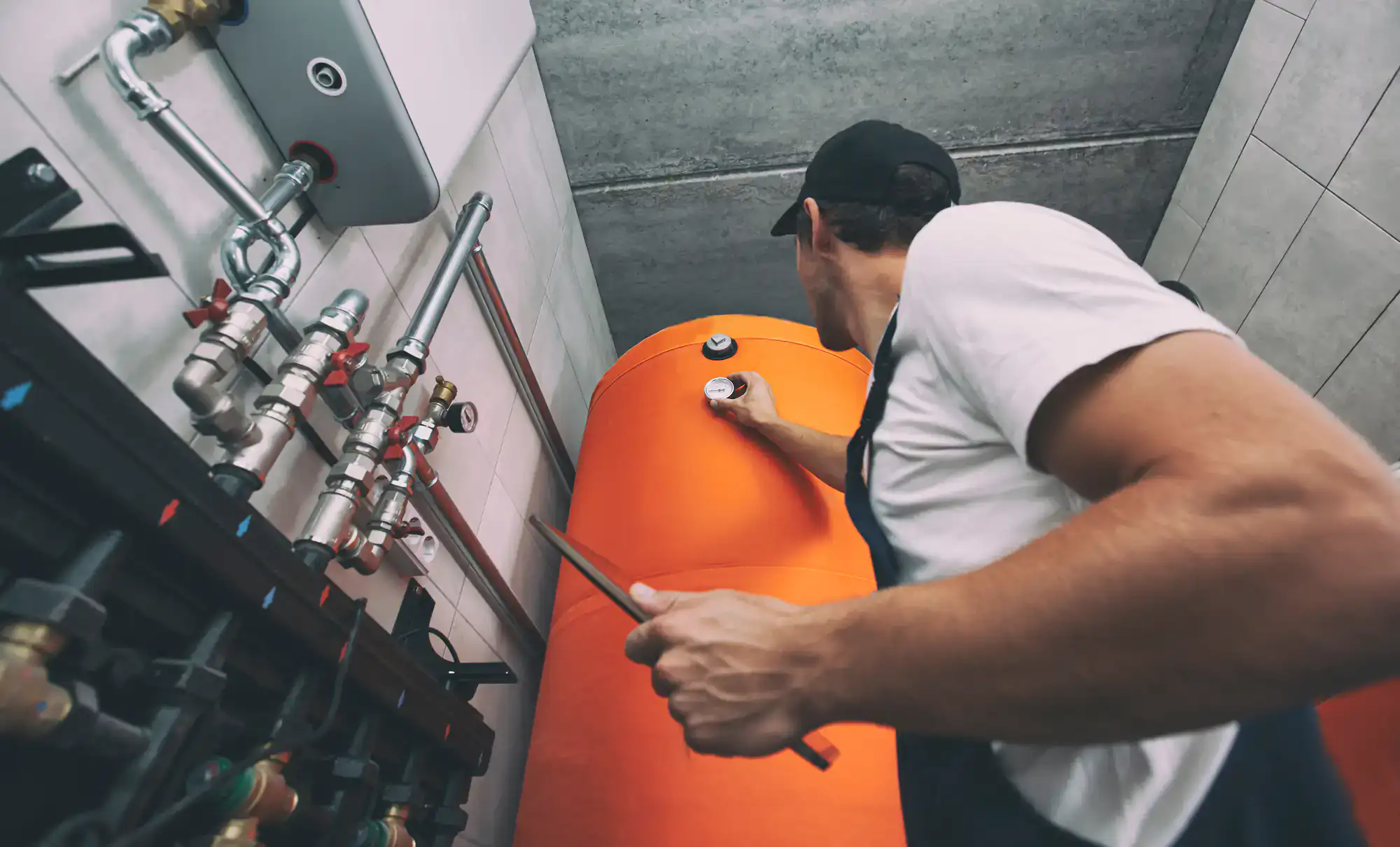
If your Rocklin home was built in Stanford Ranch or Whitney Oaks in the late ’90s or early 2000s, there’s a good chance the original builder-grade water heater is either already failing or close to it. Those units were designed to last 8 to 12 years. Most of them are well past that now. A tankless system doesn’t just replace what you had it changes how your home operates. No tank running out mid-shower. No standby heat loss burning gas around the clock. Just hot water when you need it, at the rate your home actually demands.
Rocklin’s water supply carries a high mineral load that’s a documented condition across the Placer County water system. Scale buildup quietly degrades conventional tank heaters from the inside out. Tankless units are far easier to maintain in hard water conditions. An annual flush keeps the heat exchanger clean and the system running at full efficiency. It’s a small task that extends the life of the unit significantly, and it’s something we walk every Rocklin customer through at installation.
The energy savings are real too. Field studies have shown up to 37% reduction in water heating costs when switching from a storage tank to a tankless system. For a larger home in Whitney Ranch running multiple bathrooms, a dishwasher, and laundry on a regular basis, that adds up fast and keeps adding up for the 20-plus years the unit will run.
We were founded in 2009 by Ryan Murray, a licensed tradesman who came up through construction before building this company from scratch. That background matters because it means we understood job sites, real timelines, and what homeowners actually deal with long before we ever ran a plumbing business. This isn’t a franchise with a call center somewhere else. When you call, you’re dealing with a real local operation that has been working across Placer County for over 15 years.
Rocklin has grown fast faster than almost any city in the Sacramento region over the past two decades. A lot of that growth happened in neighborhoods like Stanford Ranch, Whitney Oaks, and the areas surrounding Sierra College. We’ve been in this market through all of it, which means we know the housing stock, the local permit process through the City of Rocklin Building Department, and the water conditions that affect how these systems perform over time.
Our 4.7 out of 5 Google rating across 93 reviews isn’t something we engineered. It’s what happens when you show up on time, quote the job honestly, and finish it right.
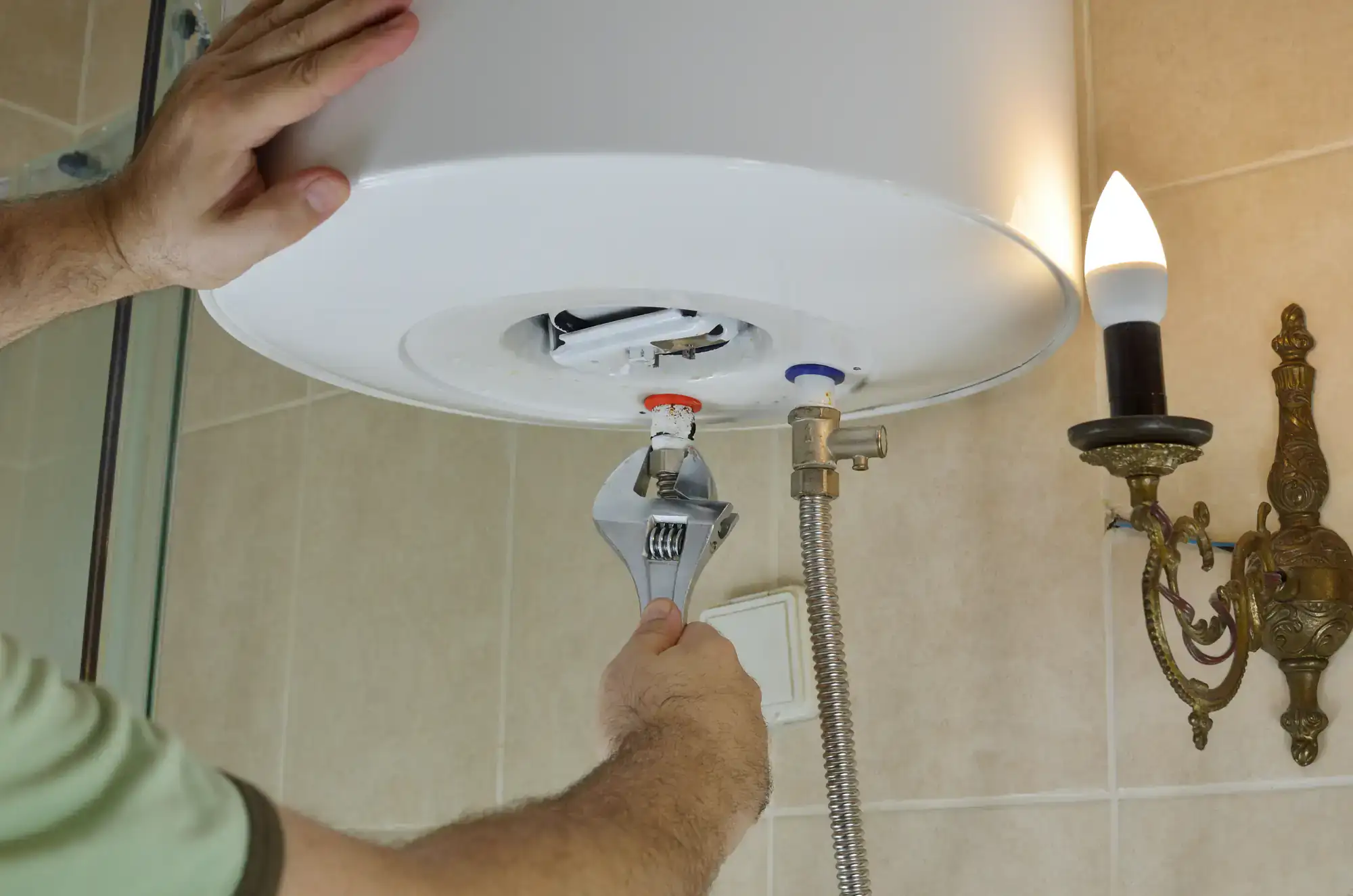
It starts with a call. You tell us what’s going on whether that’s a failed unit that needs to come out today or a planned upgrade you’ve been thinking about for a while. We ask a few questions about your home: how many bathrooms, current water heater setup, whether it’s gas or electric, and roughly when it was installed. That gives us enough to come out prepared.
When we arrive, we assess the full picture before quoting anything. That means checking your existing gas line capacity, the venting setup, and any electrical requirements. A lot of Rocklin homes particularly those built in the 1990s and early 2000s have gas lines that were sized for the original builder appliances, not a high-demand tankless unit. If an upgrade is needed, you’ll know the full cost before we touch anything. If it’s not needed, you won’t be charged for it. The quote you get is the number we work from.
Once you approve the scope, we pull the permit through the City of Rocklin Building Department that’s included, and you don’t have to deal with it. We handle the application, the scheduling, and the inspection coordination. California’s Title 24 Building Standards Code governs every installation, and every unit we install meets current DOE efficiency requirements. When the job is done, it’s done right inspected, permitted, and backed by a company that’s still going to be here when you need annual maintenance.
Ready to get started?
Every tankless water heater installation we do in Rocklin includes a full pre-installation assessment gas line capacity, venting configuration, and water supply conditions. Placer County’s mineral content is one of the first things we account for, because it directly affects which unit we recommend and what maintenance schedule makes sense for your home. We’re not going to put in a system without knowing what it’s up against.
Gas line upgrades are quoted upfront when needed. Venting is handled as part of the installation, not treated as a separate line item that appears after the fact. For homes in Whitney Ranch and the newer developments in northwest Rocklin, infrastructure is often already in good shape for a direct conversion. For older sections of central Rocklin or homes near the Sierra College corridor, we may find that some prep work is needed and we’ll tell you exactly what that is and what it costs before anything starts.
Permit management is standard on every job. The City of Rocklin requires a permit for water heater replacement, and we handle the full process application, fee coordination, and inspection scheduling so you don’t have to navigate the building department on your own. Units we install meet the 2024 DOE efficiency standards for gas-fired tankless systems, and qualifying installations may be eligible for federal energy efficiency tax credits under the Inflation Reduction Act. We’ll let you know where your installation stands when we go over the quote.
It can, but it’s manageable and tankless systems actually handle hard water better than conventional tanks do over the long run. Rocklin’s Placer County water supply carries a high mineral load, which means calcium scale builds up inside water-heating equipment over time. In a conventional tank, that scale accumulates in standing water around the clock. The DOE has found that even a thin layer of limescale as little as 1/16 of an inch can reduce heating efficiency by up to 12%.
With a tankless unit, the water only passes through the heat exchanger when you’re actively using hot water. There’s no standing water sitting there accumulating deposits. That said, annual descaling is still important for Rocklin homeowners skipping it for several years can degrade performance and shorten the unit’s lifespan. We assess your water conditions during the installation consultation and give you a clear maintenance schedule based on what we find. It’s a straightforward process, and it keeps the system running efficiently for 20 years or more.
Yes. The City of Rocklin requires a building permit for water heater replacement this applies to both tank and tankless systems. Because Rocklin is a fully incorporated municipality, permits are issued by the City of Rocklin Building Department directly, not through Placer County’s building services. That’s an important distinction, and it’s one reason why hiring someone familiar with the local permit process in Rocklin matters.
All installations must comply with California’s current Title 24 Building Standards Code, which is updated on a three-year cycle. The 2022 edition, effective January 1, 2023, governs all current permit applications. Beyond code compliance, a permitted installation protects you at resale and keeps your homeowner’s insurance coverage intact. Unpermitted work can complicate both. We handle the entire permit process as a standard part of every installation you don’t call the city, you don’t file anything, and you don’t schedule the inspection. We do all of it.
Most tankless water heater installations in Rocklin fall in the range of $1,400 to $3,895, with the national average sitting around $2,629 according to Angi. Where your project lands within that range depends on a few things: the unit itself, whether your existing gas line needs to be upsized, and what the venting situation looks like. Gas line upgrades, when needed, typically add $1,500 to $2,500 to the project.
The important thing is that you know the full number before any work begins. We assess your home’s gas capacity, venting, and electrical setup during the initial visit, and the quote we give you reflects the complete scope including any upgrades that are actually needed. If something isn’t needed, it won’t be on the quote. Several of our customers have noted that the final bill came in at or below the original estimate, and that’s by design.
Sizing comes down to two things: how many fixtures you’re running simultaneously at peak demand, and what the incoming groundwater temperature is during the coldest months. In Rocklin, winter lows average around 39 to 41 degrees Fahrenheit, which means the water coming into your home is cold enough that the heater has to work harder to hit your target output temperature. That affects how much flow rate measured in gallons per minute you actually need.
For a four-bedroom home in Whitney Ranch or Whitney Oaks with two or three full bathrooms, a gas tankless unit rated at 7 to 10 GPM is typically the right range. That handles two showers running at the same time alongside a dishwasher or washing machine without any drop in temperature. Undersizing is one of the most common mistakes made when homeowners or less experienced installers pick a unit based on price alone. We size every system to the home’s actual peak demand not a generic estimate so the performance matches what your household actually needs.
For a straightforward replacement where the gas line is already adequately sized and venting can be adapted from the existing setup most installations take three to five hours. If the project requires a gas line upgrade or new venting runs, plan for a full day. We’ll give you a realistic time estimate when we assess the job, not a best-case-scenario number that ends up being wrong.
Same-day installation is available in many cases, particularly for emergency replacements where a tank has failed and the household has no hot water. If you’re calling from a Whitney Ranch or Stanford Ranch home on a cold January morning with no hot water and a family to get ready, that’s exactly the situation we’re set up to handle. Parts availability can affect same-day completion for specific unit models, but we’ll tell you upfront what’s in stock and what the realistic timeline looks like before you commit to anything.
It can, depending on the unit. Under the Inflation Reduction Act, homeowners who install qualifying energy-efficient water heating systems may be eligible for a federal tax credit. To qualify, the unit needs to meet specific efficiency thresholds for gas-fired tankless water heaters, that means complying with the 2024 DOE efficiency standards, which set a minimum Uniform Energy Factor (UEF) rating for new installations.
Every unit we install in Rocklin meets current DOE efficiency requirements, so if your system qualifies, you’re covered from a compliance standpoint. The tax credit is claimed on your federal return for the year the installation is completed, which is why homeowners who are considering an upgrade often time it before December 31st to capture the benefit in the current tax year. We’ll flag whether your specific installation qualifies when we go over the quote it’s not something you should have to research on your own after the fact.