
Water Heater Repair
Get a free quote for water heater repair from your local plumbing team.
We’ll contact you about your water heater repair request. Privacy policy
Hear from Our Customers
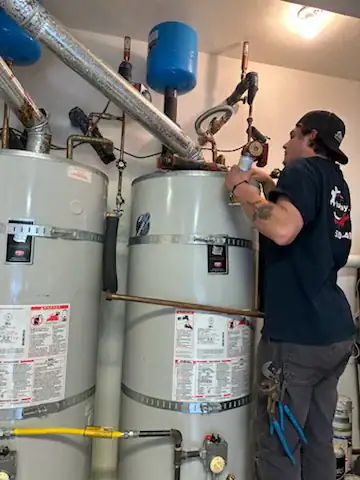
A failed water heater in Foresthill hits differently than it does in the suburbs. You’re not a short drive from a dozen plumbers. You’re on a ridge, 16 miles up Foresthill Road, and your options are limited which makes who you call matter a lot more than it would anywhere else.
What you actually need is someone who shows up when they say they will, tells you what’s wrong in plain language, and gives you a price before they start turning wrenches. That’s the whole job. No runaround, no surprise charges at the end, no vague estimates that balloon once we’re inside your home.
For homes in Foresthill especially those on private well water in areas like Todd Valley sediment buildup inside the tank is one of the most common reasons water heaters fail early or start underperforming. Well water carries minerals that municipal systems filter out before it ever reaches your tap. Over time, that sediment settles at the bottom of the tank, forces the heating element to work harder, and shortens the life of the unit. Catching it early with a proper flush and inspection means fewer emergency calls and a system that holds up through the cold months when you need it most.
We’ve built our reputation on a few things that sound simple but are apparently hard to find: showing up on time, being straight about what something costs, and doing the work right the first time. Across 93 verified Google reviews, customers in Foresthill and surrounding foothill communities consistently bring up the same details the technician was on time, explained everything clearly, and the final bill matched or came in under the original estimate.
That last part matters a lot when you live in a community like Foresthill, where service scarcity could easily justify inflated pricing. It doesn’t with us. Whether you’re in the Foresthill town core, out in Todd Valley, or further up Mosquito Ridge Road, the pricing model is the same transparent, upfront, and honored.
Every technician is licensed, insured, and background-checked. Water heater work in Placer County requires a permit and a licensed installer that’s not optional, and we handle it as a standard part of the job, not an add-on.
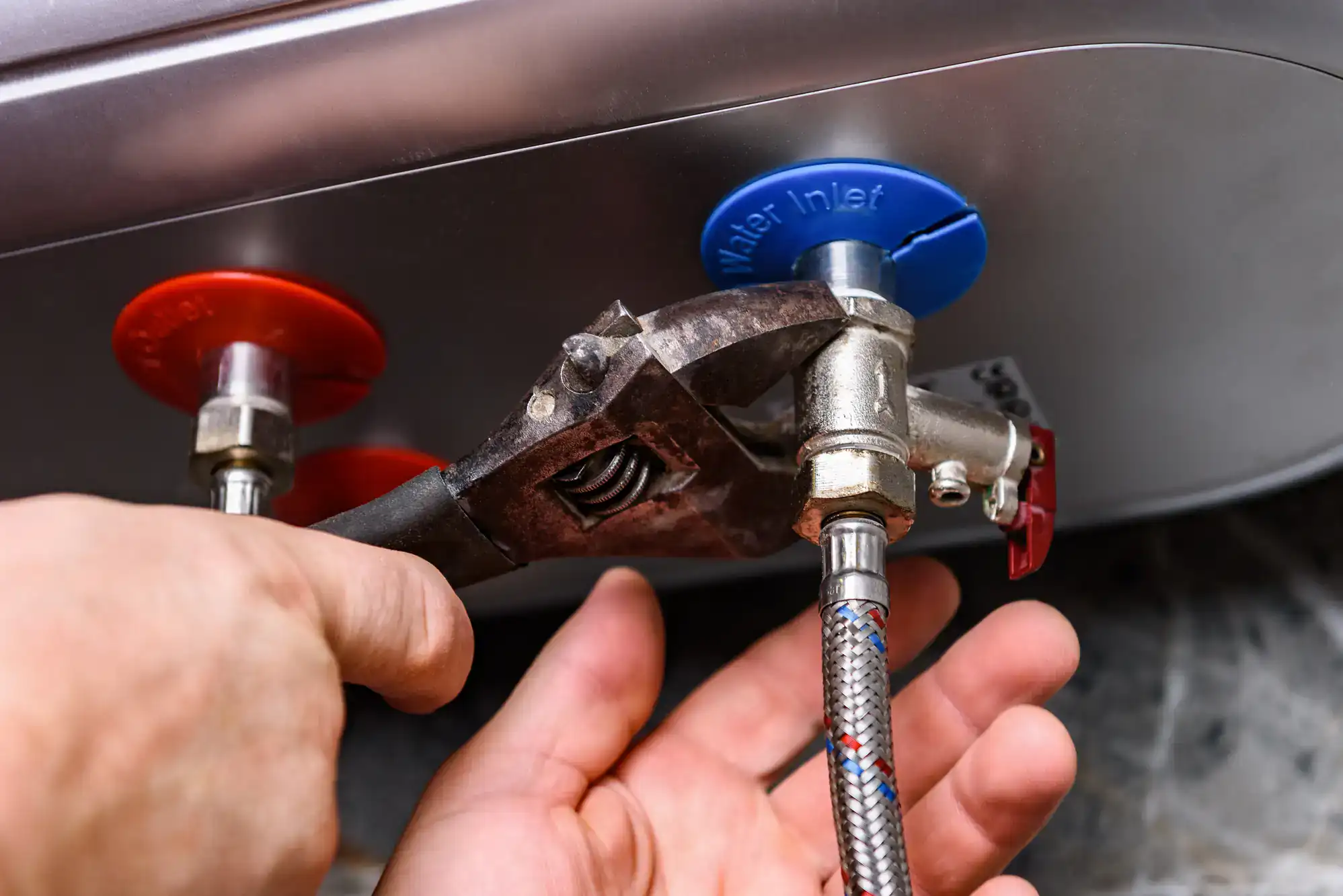
When you call us, the first thing that happens is a real conversation not a voicemail chain. You describe what’s going on: no hot water, strange noises, a leak, a pilot light that won’t stay lit. Based on what you share, we give you an honest read on what it’s likely to be and what a service call involves before anyone drives up the mountain.
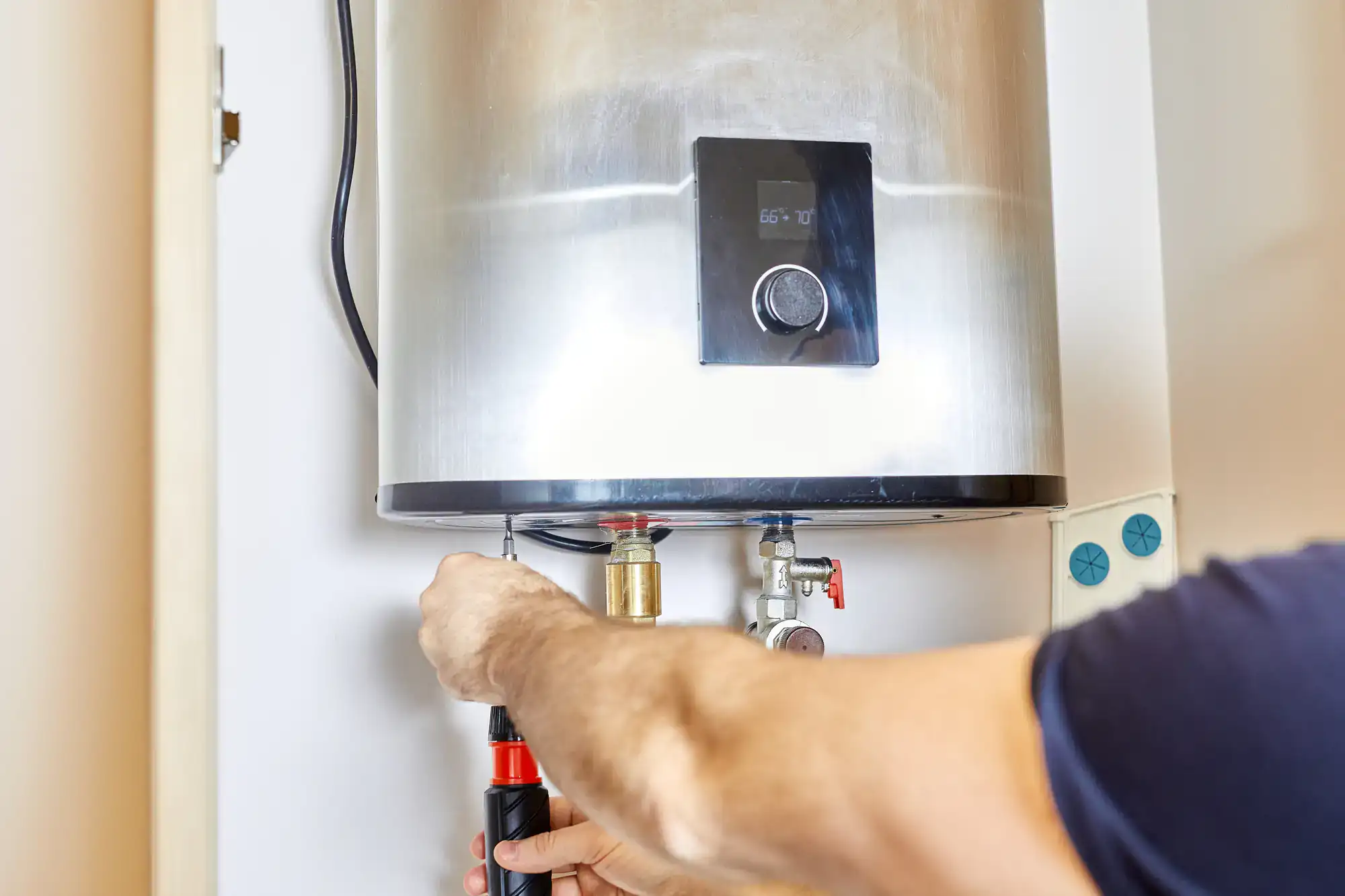
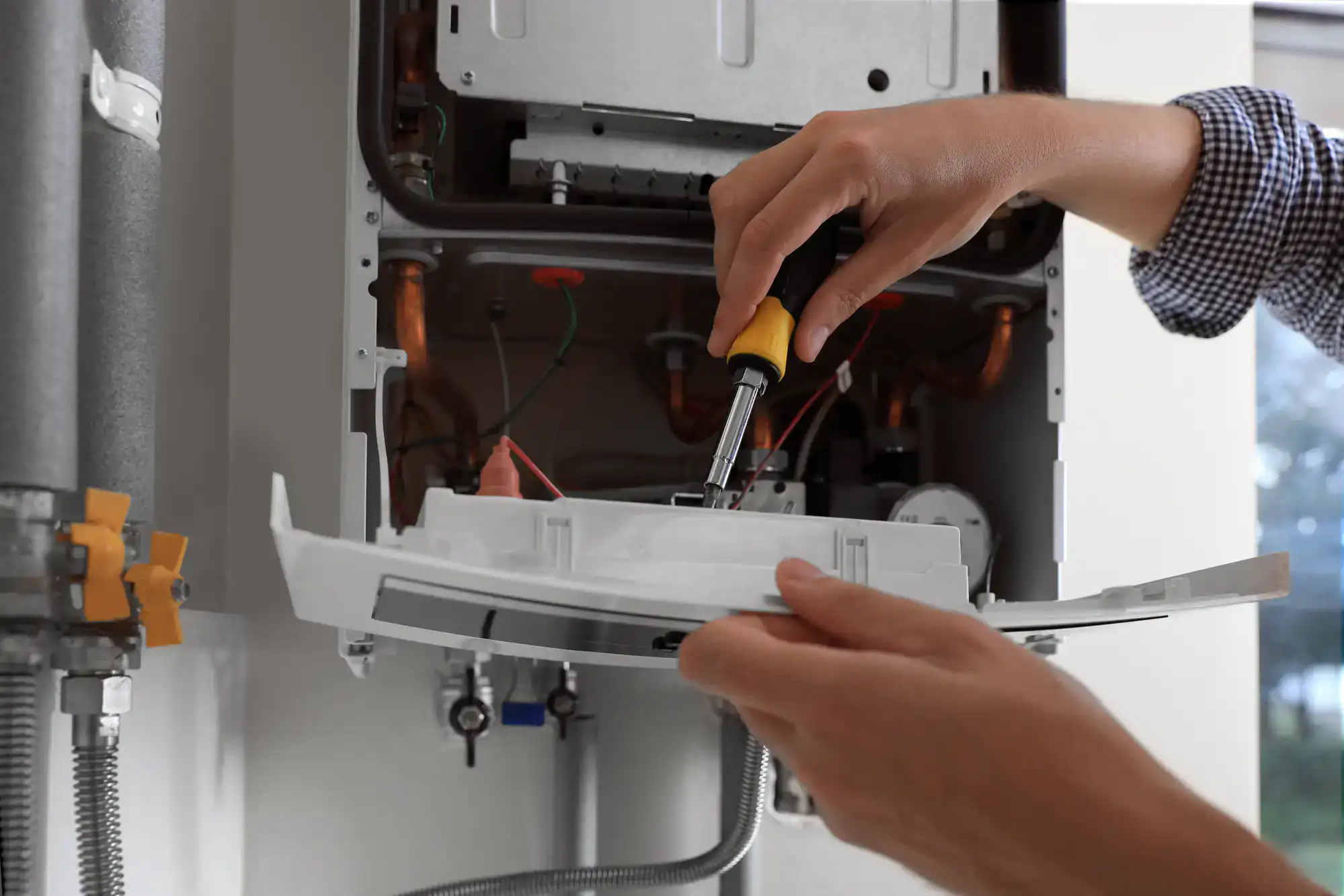
When our technician arrives, the first step is a proper diagnosis. That means checking the heating element, thermostat, anode rod, pressure relief valve, and for homes on well water assessing sediment levels inside the tank. Foresthill homes on private wells often show accelerated wear inside the tank because of the mineral content in the water supply. A good diagnosis accounts for that, not just the symptoms you called about.
From there, you get a clear explanation of what’s wrong and what it costs to fix it, before any work starts. If the repair makes sense, we do it. If the unit is old enough or damaged enough that repair costs would eat into what a replacement would cost, we tell you that honestly too. Once the work is complete, we handle the Placer County permit requirements for any replacement installation inspections, seismic strapping, pressure relief discharge piping, all of it.
Ready to get started?
We handle the full range of residential water heater repair in Foresthill gas and electric tank units, tankless on-demand systems, and hybrid water heaters. The issues we see most often in this area reflect the specific conditions foothill homes deal with: sediment accumulation from well water, pressure fluctuations common in private well systems, thermostat failures from the thermal cycling that comes with Foresthill’s elevation and cold winters, and pilot light issues in gas units installed in drafty crawl spaces.
For homes in Todd Valley Estates many of which were built in the mid-1970s aging tank units and older supply line configurations are common. Those systems often need more than a quick part swap. They need a technician who checks the full picture: the anode rod, the dip tube, the condition of the tank lining, and whether the existing installation still meets current Placer County code requirements.
Tankless water heater repair in Foresthill gets its own layer of complexity because of well water mineral content. Scale buildup inside a tankless heat exchanger can significantly reduce efficiency and eventually cause the unit to fail. Descaling and proper maintenance intervals matter more here than they do in homes on treated municipal water. Whatever type of system you have, our diagnostic process is the same thorough, honest, and built around what your home actually needs.
This is probably the most common concern we hear from Foresthill residents, and it’s a fair one. A lot of plumbing companies list Foresthill in their service area but quietly deprioritize it when the call comes in the drive up Foresthill Road takes 25 to 35 minutes from Auburn, and some companies just aren’t willing to commit to it consistently.
We serve Foresthill as a genuine part of our service territory, not a checkbox on a coverage map. That means when you call, you get a real response not a vague “we’ll see if someone’s available.” We know the road, we know the bridge, and we know what it means to be a homeowner up on the Foresthill Divide who needs a plumber and doesn’t have a dozen backup options. The commitment to show up applies whether you’re in the town core, out in Todd Valley, or further along Mosquito Ridge Road.
Repair costs depend on what’s actually wrong with the unit. Smaller fixes a faulty thermostat, a burned-out heating element, a failing pressure relief valve typically run in the $100 to $350 range. More involved repairs or partial component replacements can push into the $400 to $600 range. Full water heater replacement, including equipment and installation, generally falls between $1,200 and $2,500 for a standard tank unit, depending on size and fuel type.
What you won’t get with us is a quote that changes once we’re inside your home. The estimate you receive before work begins is the number you pay and in some cases, the final bill has come in under that estimate. For Foresthill homeowners, that kind of pricing transparency matters more than it might in a city with ten plumbers to choose from. You shouldn’t be penalized for living 16 miles up the ridge.
Yes and it’s one of the most overlooked issues for homeowners on private wells in the Foresthill area. Well water in the Sierra Nevada foothills often carries minerals, sediment, and varying pH levels that municipal water systems filter and treat before delivery. When that untreated water flows directly into your water heater, sediment settles at the bottom of the tank over time. It insulates the water from the heating element, forces the unit to run longer and hotter to reach temperature, and accelerates wear on internal components.
The symptoms are usually gradual: water that takes longer to heat up, popping or rumbling sounds from the tank, or a unit that seems to cycle more frequently than it used to. Left unaddressed, heavy sediment buildup can shorten a water heater’s lifespan by several years. Annual flushing is the standard recommendation for any home on well water and in Foresthill, it’s not optional maintenance, it’s what keeps the system running through the winters when you actually need it.
The general rule of thumb is this: if the repair cost exceeds 50% of what a replacement would cost, and the unit is more than 8 to 10 years old, replacement usually makes more financial sense. A newer unit that needs a single component replaced a thermostat, a heating element, an anode rod is almost always worth fixing. An older unit that’s already been repaired once or twice, shows signs of tank corrosion, or is running significantly less efficiently than it should be is usually a different conversation.
For Foresthill homes on well water, the calculus shifts slightly. Mineral-heavy water accelerates internal wear, which means a 10-year-old tank on a private well may be in worse shape than a 12-year-old unit on treated municipal water. When our technician assesses your system, the recommendation you get is based on the actual condition of your unit not on what generates the bigger invoice. If a $200 fix will get you another three to five solid years, that’s what we’ll tell you.
Yes. Because Foresthill is an unincorporated community, all building and plumbing permits are issued through Placer County not a city building department. Water heater replacement requires a permit, a licensed installer, and a county inspection before the job is considered complete and code-compliant. This applies regardless of whether you’re replacing a gas unit, an electric unit, or switching to a tankless system.
The permit process also requires compliance with California Plumbing Code standards: proper seismic strapping, correct temperature and pressure relief valve installation with appropriate discharge piping, and minimum energy efficiency ratings under California’s energy code. We handle all of this as a standard part of any replacement job we pull the permit, perform the installation to code, and coordinate the inspection. You don’t need to manage that process separately or worry about whether the work will pass. It’s built into how we do the job.
Winter is the busiest season for water heater calls in Foresthill, and for good reason. At roughly 3,000 feet elevation, temperatures in Foresthill regularly drop to the upper 30s and occasionally below freezing between December and March. Cold incoming water temperatures mean your water heater has to work significantly harder just to reach the set temperature and that added strain is where wear shows up fastest.
The most common cold-weather issues we see are pilot light failures on gas units installed in drafty crawl spaces or utility areas that aren’t well-sealed, thermostat failures from the repeated thermal cycling of heating cold well water to hot, and heating element burnout on electric units that are running near-constant during cold snaps. If your unit has been struggling through the last couple of winters slower recovery time, inconsistent temperatures, strange noises fall is the right time to have it looked at before the next cold stretch hits. A pre-winter inspection costs far less than a Sunday evening emergency call in January.