
Main Office
Placerville
Open 24/7- 4330 Panorama Dr, Unit 36
Placerville, CA 95667 - (530) 444-5419
- Open 24 hours, 7 days a week
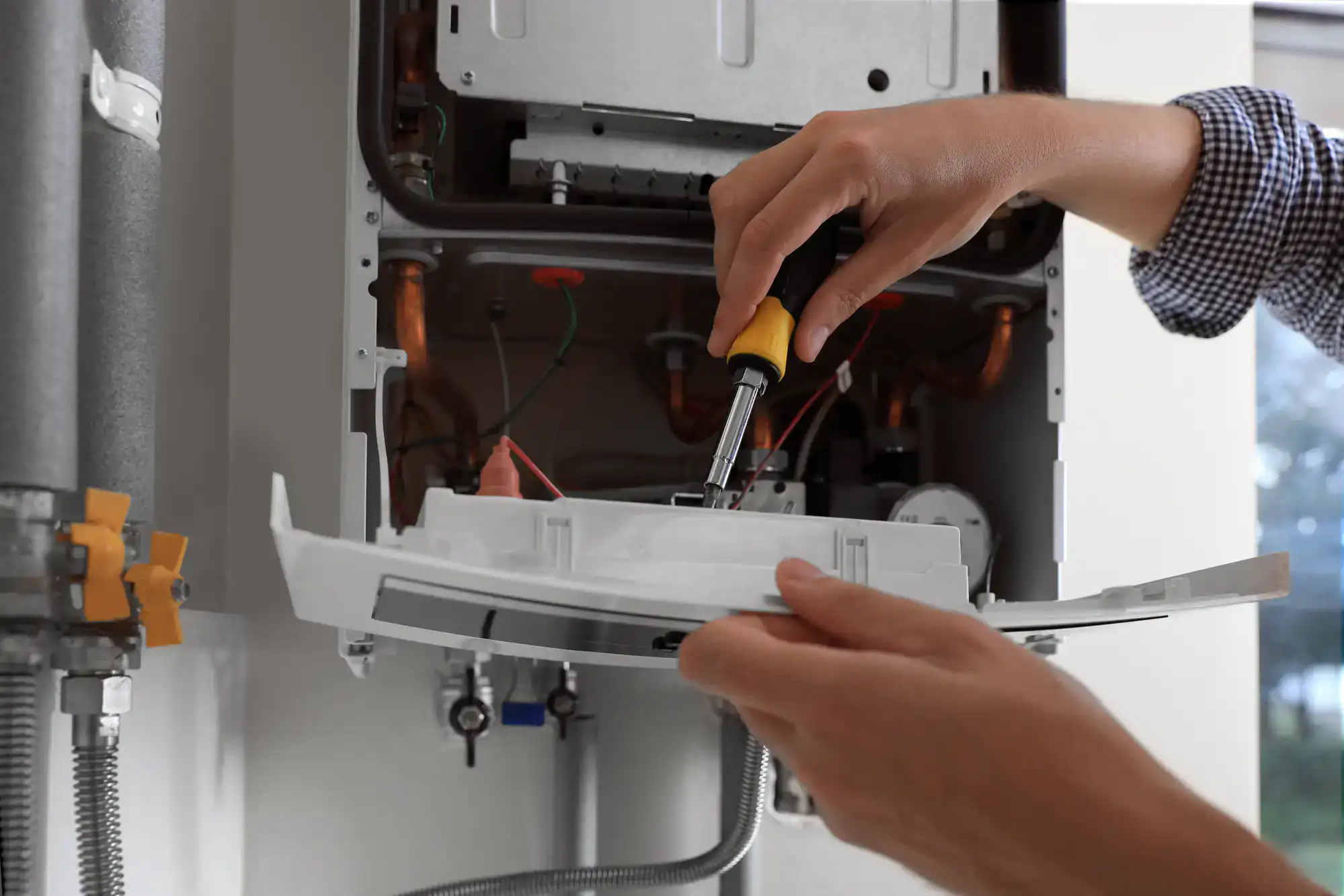
Water Heater Repair
Get a free quote for water heater repair from your local plumbing team.
We’ll contact you about your water heater repair request. Privacy policy
Hear from Our Customers
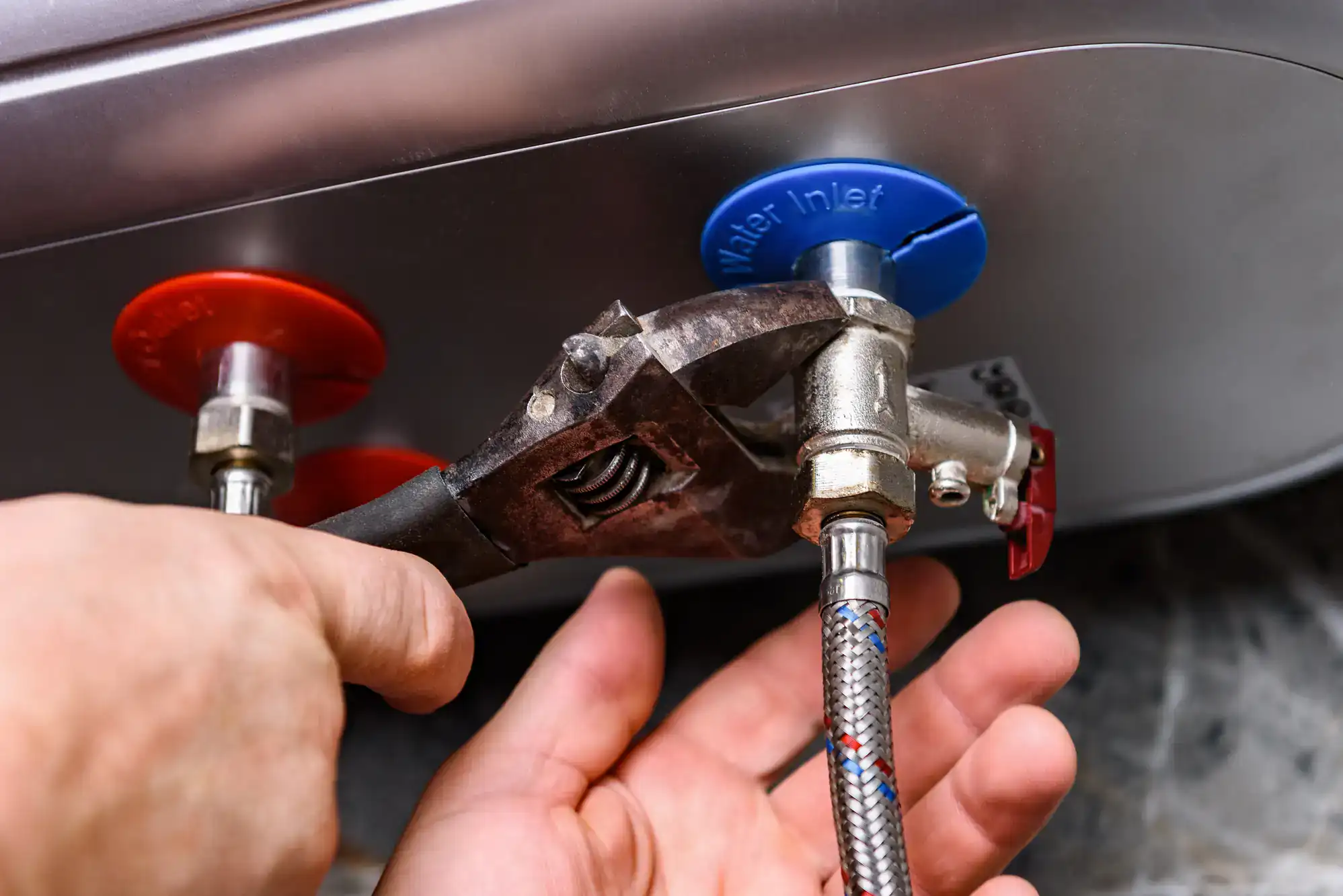
A failed water heater in Meyers isn’t a minor inconvenience it’s a problem that compounds fast. When temperatures drop below freezing and the nearest hardware store is a mountain pass away, you need someone who actually shows up and gets it right the first time.
At 6,378 feet, your gas water heater is working in thinner air than it was designed for. That altitude difference affects combustion efficiency, accelerates wear on burner components, and shortens the lifespan of units that were never calibrated for Sierra Nevada conditions. A plumber who doesn’t account for that isn’t diagnosing your problem they’re guessing.
Then there’s the vacation property reality. If your cabin in Tahoe Paradise sat empty for three months and just got hit with a full house of ski guests, your water heater felt that. Sediment hardens during long periods of inactivity, heating elements burn out faster, and the thermal shock of going from dormant to peak demand is exactly when older units fail. Getting the right diagnosis and an honest answer on whether to repair or replace means the difference between one service call and three.
We’re a family-owned company built on a straightforward idea: show up on time, tell the truth about what needs to be done, and charge what we said we would. With a 4.7-star Google rating across 93 verified reviews, that approach has held up across a lot of jobs and a lot of different situations.
For Meyers and the broader El Dorado County area, we work with homes that have real history 1960s A-frames and cabins from the Tahoe Paradise development, ranch-style homes with aging gas lines, and vacation properties that have been through decades of freeze-thaw cycles. These aren’t cookie-cutter jobs, and they don’t get cookie-cutter assessments.
Our customers have noted that the final bill sometimes came in below the original estimate. That’s not a sales line it’s what happens when a company isn’t padding quotes to cover for surprises we should have anticipated upfront.
It starts with a real conversation not a chatbot, not a callback queue. You describe what’s happening, and one of our technicians helps you understand whether this is an emergency repair situation or something that can be scheduled. For Meyers properties, that first call also covers access: whether US-50 or SR-89 is affected by chain controls, whether the property is occupied, and whether there’s a property manager involved if you’re calling from out of town.
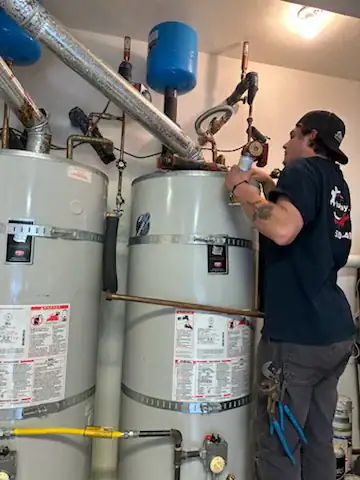
On-site, our technician runs a full diagnostic before any work starts. That means checking the unit itself burner assembly, heating elements, anode rod condition, sediment buildup, thermostat function but also the surrounding infrastructure. In older Tahoe-area cabins, the issue isn’t always the water heater. Sometimes it’s a freeze-damaged inlet line, a failed pressure relief valve, or a venting problem that’s been quietly reducing efficiency for years.
Once the diagnosis is complete, you get a clear explanation and a firm price before anything is touched. If the repair makes sense, it gets done. If replacement is the smarter move especially for aging tank units in vacation properties where a tankless upgrade would eliminate standby heat loss and reduce freeze risk that conversation happens honestly, not as an upsell. El Dorado County requires a permit for water heater replacement in California, and we handle that process so you don’t have to manage it from Sacramento.
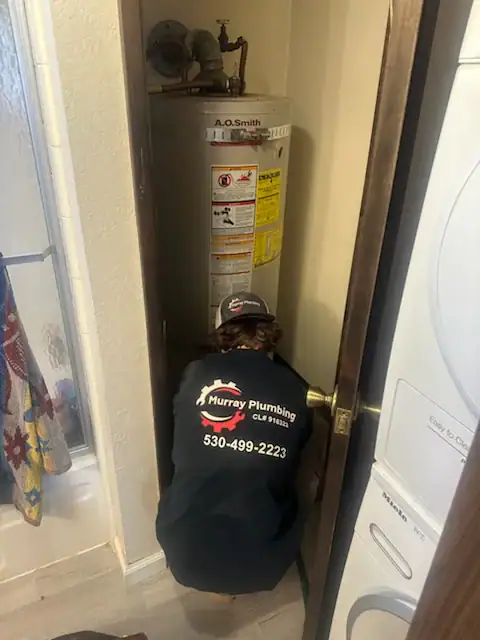
Ready to get started?
We handle the full range of residential water heater repair in Meyers gas and electric tank units, tankless systems, and the surrounding plumbing infrastructure that affects how your unit performs. That includes burner and igniter repair, thermostat and heating element replacement, sediment flushing, anode rod service, pressure relief valve replacement, and freeze-damage assessment on inlet and outlet connections.
For Meyers vacation properties specifically, sediment flushing is often the most overlooked service. When a property sits vacant for months and then gets heavy use during ski season, sediment that’s been settling on the bottom of the tank hardens and starts insulating the heating element from the water. That forces the unit to run longer, drives up energy costs, and eventually causes that rumbling or popping sound that means the tank is working significantly harder than it should be.
We also hold a Certified Installer designation for tankless water heater systems relevant for Meyers homeowners considering an upgrade. Tankless units eliminate standby heat loss during vacancy periods, deliver on-demand hot water for peak-demand weekends, and carry longer lifespans than traditional tank units. All replacement work we perform is permit-compliant under El Dorado County Building Division requirements and California Plumbing Code Title 24 standards, including seismic strapping and T&P relief valve compliance.
Yes and it’s one of the most commonly missed factors in high-elevation plumbing diagnostics. At Meyers’ elevation of 6,378 feet, the air is thinner, which means less available oxygen for gas combustion. Older gas water heaters calibrated for sea-level conditions can run inefficiently at altitude, producing incomplete combustion, sooting on burner components, and more wear than the manufacturer’s rated lifespan accounts for.
This doesn’t mean your water heater is broken it means the diagnosis needs to account for where you live. A technician who doesn’t factor in altitude may replace a part that isn’t actually the root cause, leaving the underlying combustion issue unaddressed. When we service a gas water heater in Meyers, altitude-related combustion performance is part of the standard diagnostic, not an afterthought.
The honest answer depends on three things: the age of the unit, the nature of the failure, and the cost of the repair relative to what a replacement would run. A water heater that’s 8 years old with a failed heating element is almost always worth repairing. A 14-year-old tank unit in a Meyers vacation property that’s been through years of freeze-thaw cycles, has visible corrosion, and is making rumbling sounds from sediment buildup that’s a different conversation.
In Meyers specifically, the vacation property context matters. If you’re managing a short-term rental on Airbnb or VRBO, repeated repair calls on an aging unit cost you more in lost bookings and guest complaints than a well-timed replacement. We give you a straight answer on this not the answer that generates more billable work, but the one that actually makes sense for your situation and your property.
Yes. California law requires a building permit for water heater replacement, and in Meyers as an unincorporated community that permit comes from the El Dorado County Building Division, not a city office. The permit process triggers an inspection to verify compliance with California Plumbing Code Title 24 requirements, which include seismic strapping, proper T&P relief valve installation, expansion tank requirements on closed systems, and correct venting.
It’s also worth knowing that Meyers sits within the Tahoe Regional Planning Agency’s jurisdiction. Routine water heater replacement typically qualifies as exempt from a full TRPA permit, but any work that involves structural modifications or changes to drainage can trigger additional review. We handle the El Dorado County permit process as part of the job which matters especially for out-of-area property owners who don’t have time to manage a permit application from Sacramento or the Bay Area.
This is one of the most common patterns in Meyers and it comes down to how water heaters handle inconsistent use. When a tank unit sits dormant for months, sediment that’s been accumulating on the bottom of the tank hardens and settles. The anode rod which protects the tank from internal corrosion depletes without the normal flushing action of regular use. And in some cases, standing water at lower-than-normal temperatures can create conditions inside the tank that accelerate deterioration.
Then the property gets activated for ski season, cold incoming water temperatures spike the thermal demand on the unit, and it gets hit with heavy back-to-back usage after months of inactivity. That cycle is genuinely hard on water heaters. Annual sediment flushing and anode rod inspection before the season starts can extend the life of your unit significantly. And if the unit is already aging, that pre-season checkup is also the right time to have an honest conversation about whether a tankless upgrade makes more sense for a property with this kind of usage pattern.
Nationally, water heater repairs run between $500 and $600 on average. In the Meyers and South Lake Tahoe area, you should expect rates that reflect mountain access, local labor costs, and the technical complexity that comes with high-elevation homes and aging cabin infrastructure. That’s not a premium for its own sake it’s the reality of servicing properties in a remote Sierra Nevada community where the job often involves more than just swapping a part.
What matters more than the number is knowing the number before work starts. We provide a firm, upfront price after the diagnostic so there’s no ambiguity when the invoice arrives. Our customers have noted that the final cost sometimes came in below the original estimate. For out-of-area vacation property owners authorizing repairs remotely, that kind of pricing transparency isn’t just a nice-to-have. It’s the foundation of being able to trust the process when you’re not there to see it.
For many Meyers properties especially vacation homes and short-term rentals tankless systems are genuinely worth considering. The core advantage for a property that sits vacant for stretches of time is that a tankless unit doesn’t maintain a tank of heated water around the clock. There’s no standby heat loss during the months your cabin is empty, which translates directly to lower energy costs and less wear on the system.
For short-term rental operators in Meyers, the on-demand delivery is also a practical benefit your property can go from empty to a full house of guests without anyone waiting for a tank to recover. Tankless units also carry longer lifespans than traditional tank water heaters, which matters in a climate where freeze-thaw cycles and inconsistent use patterns accelerate aging on standard equipment. We hold a Certified Installer designation for tankless systems, which means the installation is done to manufacturer specifications not just general plumbing knowledge applied to a specialized unit. If you’re weighing the upgrade, that conversation starts with an honest look at your current unit’s age, your property’s usage pattern, and what the total cost of ownership actually looks like over the next decade.
Our Locations
From the foothills to the valley, Murray Plumbing has a licensed team close by. Find the office nearest you — we’re open 24 hours a day, 7 days a week.