

Water Heater Replacement
Get a free quote for water heater replacement from your local plumbing team.
We’ll contact you about your water heater replacement request. Privacy policy
Hear from Our Customers
Auburn winters aren’t brutal by Sierra Nevada standards, but when overnight temps drop below freezing and your water heater gives out, the timing couldn’t be worse. You’ve got a commute down I-80, a household to manage, and no time to wait three days for someone to call you back. A fast, clean replacement gets your Auburn home back to normal and keeps it there.
What most Auburn homeowners don’t realize is that the mineral-rich water coming through the Placer County Water Agency system quietly shortens a water heater’s lifespan. Calcium and sediment build up inside the tank over time, making the unit work harder, run louder, and fail sooner than it should. If your water heater is rumbling, slow to recover, or simply old, that’s not coincidence that’s Placer County water doing what it does to equipment that hasn’t been maintained or replaced.
More than 40% of Auburn’s housing was built before 1970. That means a lot of homes in this area are running older plumbing infrastructure alongside aging water heaters and when one goes, the surrounding components often need attention too. Getting a licensed professional who understands what’s behind the walls of an older Auburn home isn’t just convenient. It protects the investment you’ve made in a property that’s worth protecting.
We’ve been doing this for over 60 years not as a franchise, not as a call center, but as a family-owned company where the reputation on every job actually means something. Five generations of ownership means our knowledge base runs deep, and the commitment to getting it right isn’t a tagline. It’s how our business has stayed standing this long.
Auburn homeowners whether you’re in a pre-war bungalow near Old Town or a mid-century ranch off Lincoln Way can expect a technician who shows up on time, explains the situation clearly, and doesn’t pad the invoice. That’s not a promise we invented for a webpage. It’s what customers have said, repeatedly, across 369 verified reviews and a 4.7-star Google rating.
We handle the Placer County permit process as part of every installation. You don’t have to chase paperwork or wonder if the job was done to code. That’s already covered.
It starts with a call. You describe what’s happening no hot water, strange sounds, visible leaks, or just an aging unit you’ve been watching for a while and we give you a clear price range before anyone shows up. No vague “we’ll let you know when we get there” approach. You know what you’re looking at before we pull into the driveway.
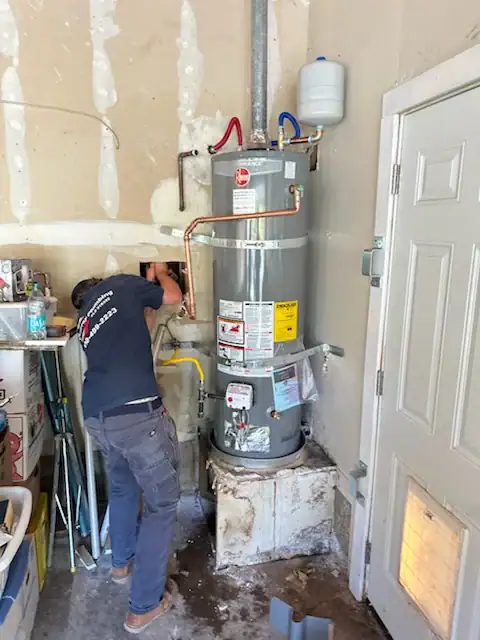
When our technician arrives, they assess the existing setup the unit itself, the surrounding supply lines, the shut-off valves, and the pressure relief valve. In Auburn’s older housing stock, it’s common to find components around the water heater that are just as worn as the unit itself. If something needs to be addressed, you’ll hear about it before any work begins, not after.
The installation is done to current Placer County code, which means it meets California’s 2022 Title 24 energy efficiency standards and includes the required permit. That permit matters more than most people think it protects you during a home sale, keeps your insurance clean, and confirms the work was done right. When the job is finished, the old unit is hauled away and the work area is left clean. Most standard replacements are completed the same day.
Ready to get started?
Most Auburn homeowners are replacing a traditional tank water heater, and for good reason they’re reliable, straightforward to install, and well-suited to the older plumbing configurations common in pre-1970 homes throughout the area. A standard tank replacement in Auburn typically runs between $882 and $1,816 depending on unit size, existing conditions, and any related work the installation requires. You’ll know where your job falls before anything is touched.
Tankless water heaters are worth considering if you’re in a newer Auburn home or planning a longer-term stay. They run $1,400 to $3,900 installed, use less energy over time, and eliminate the sediment accumulation problem that PCWA water chemistry tends to accelerate in tank-style units. The tradeoff is a higher upfront cost and, in some older Auburn homes, a more involved installation if the gas line or venting needs to be updated. We’ll tell you honestly whether the switch makes sense for your specific setup not just what costs more.
Every replacement we perform includes the required Placer County permit, proper disposal of the old unit, and installation by a Certified Installer which means your manufacturer’s warranty is valid from day one. Whether your water heater is in a garage off Auburn Ravine Road or a utility closet in an Old Town home that’s been standing since the Gold Rush era, the process is the same: clean, permitted, and done right.
Yes and this isn’t optional. Under California Plumbing Code Section 502.1, a permit is legally required for water heater replacement in Placer County. Placer County’s Building Services Division enforces this requirement, and as of the current cycle, all new installations must also meet the 2022 Title 24 energy efficiency standards. That means the unit itself and the installation have to comply with current code before the job passes inspection.
The reason this matters to you as an Auburn homeowner goes beyond the permit fee. If a water heater is replaced without a permit and you later sell your home, a buyer’s inspector will flag it. That can delay closing, reduce your negotiating position, or require you to remediate the work entirely. In Auburn, where median home values are pushing past $580,000, that’s a real financial risk for the sake of skipping a step. We pull the required permit on every job it’s built into the process, not an add-on.
For a standard tank water heater replacement in Auburn, most homeowners are looking at somewhere between $882 and $1,816. Where your job lands in that range depends on the size of the unit, the condition of the surrounding plumbing, and whether anything adjacent like a shut-off valve or supply line needs to be replaced at the same time. In Auburn’s older housing stock, it’s fairly common to find worn components near the water heater that are worth addressing while everything is already open.
If you’re considering a tankless system, the installed cost typically runs $1,400 to $3,900. The wider range reflects the variation in unit capacity and how much work the existing gas line or venting requires. Some older Auburn homes need additional prep before a tankless unit can be installed correctly and we’ll tell you upfront if that’s the case. Either way, you’ll have a clear number before any work begins, and the final invoice reflects what was quoted.
Age is the most reliable indicator. Most tank water heaters have a functional lifespan of 8 to 12 years under normal conditions but in Auburn, where the Placer County Water Agency’s supply carries minerals from the Sierra Nevada foothills, that timeline can run shorter if the unit has never been flushed or maintained. Sediment accumulates at the bottom of the tank, forces the heating element to work harder, and wears the unit down faster than it would in an area with softer water.
Beyond age, the signs that point toward replacement rather than repair are pretty consistent: water that takes noticeably longer to heat up, rumbling or popping sounds during heating cycles, rust-colored water at the tap, visible corrosion around the tank or connections, or a unit that’s been repaired more than once in the last two years. If the unit is over 10 years old and showing any of these symptoms, repair costs typically don’t make financial sense you’re spending money to extend the life of something that’s already past its window. A technician can assess your specific situation and give you a straight answer.
It does, and it’s one of the more overlooked factors for homeowners in Auburn. The water supply managed by the Placer County Water Agency travels through Sierra Nevada foothill geology before it reaches your home, picking up calcium, magnesium, and other naturally occurring minerals along the way. Over time, those minerals settle inside a tank water heater as sediment you’ll often hear it as a rumbling or knocking sound during heating cycles.
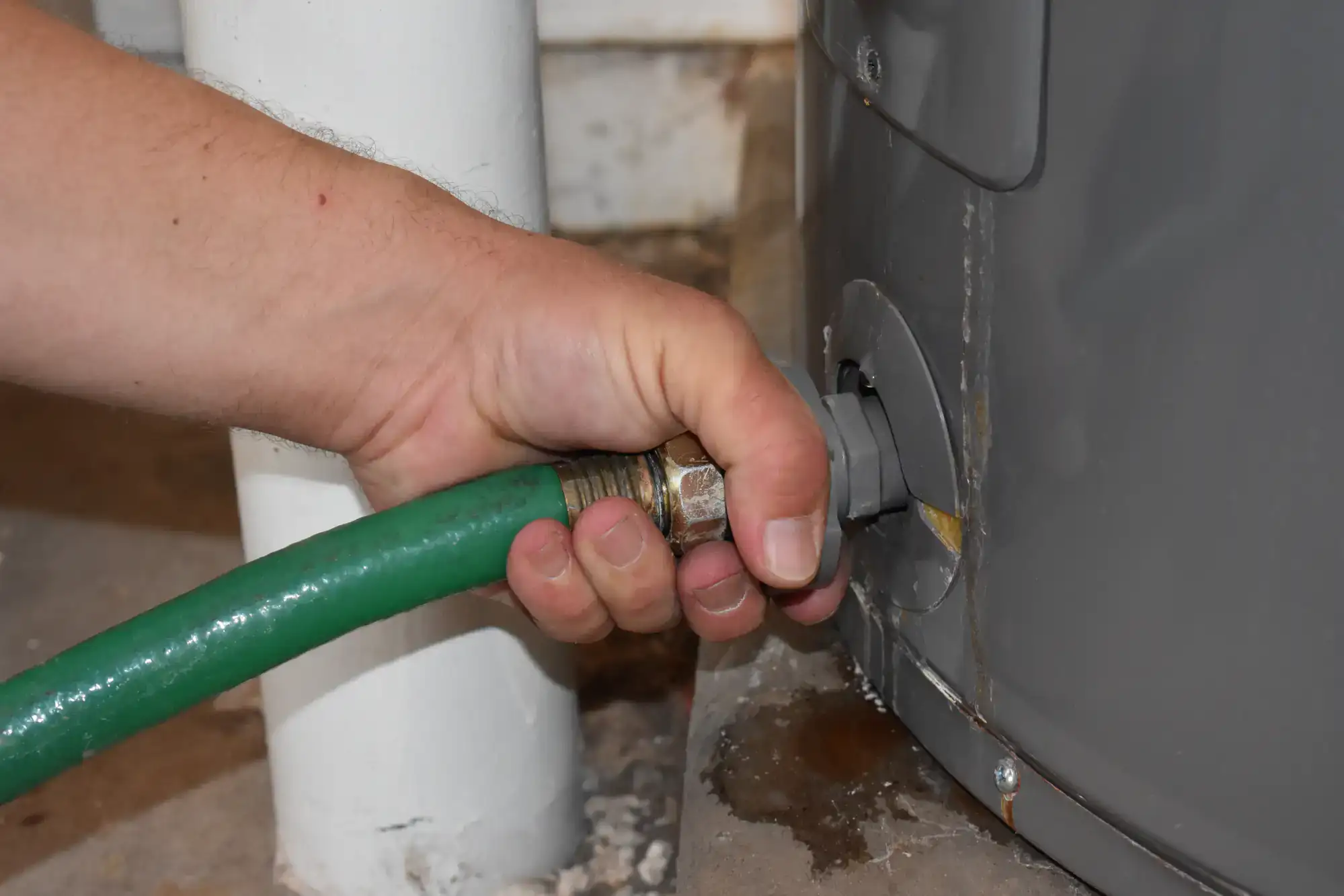
That sediment layer sits between the burner and the water, which forces the unit to run longer to reach the same temperature. The extra strain shortens the lifespan of the heating element, accelerates corrosion inside the tank, and increases your energy costs in the process. Regular flushing can slow this down, but many Auburn homeowners have never had their water heater flushed especially in older homes where the unit may have been in place for a decade or more. When you replace a water heater in this area, it’s worth asking about a maintenance schedule that accounts for local water conditions so the new unit lasts as long as it should.
Most standard tank water heater replacements are completed in two to four hours. The actual installation time depends on the size of the unit, where it’s located in the home, and whether any related components need to be addressed. In Auburn’s older homes particularly those built before 1970 the water heater is sometimes in a tight crawl space, a low-clearance utility closet, or an uninsulated garage, which can add some time to the job compared to a straightforward swap in a modern utility room.
If the surrounding plumbing is in good shape and the new unit is a like-for-like replacement, the process moves quickly. Our technician disconnects and removes the old unit, makes any necessary adjustments to connections or venting, installs the new unit, tests the system, and confirms everything is working before leaving. The permit process runs parallel to the installation it doesn’t add days to your timeline. Same-day completion is standard for most jobs, and the old unit is hauled away as part of the service.
It depends on your home’s setup and how long you plan to stay. Tankless water heaters are genuinely more energy-efficient over time and eliminate the sediment buildup problem that affects tank units in areas with mineral-heavy water like Auburn’s PCWA supply. If you’re in a home where you expect to be for another 10 or more years, the long-term savings and reduced maintenance can make the higher upfront cost worthwhile.
That said, tankless systems aren’t a universal fit for every Auburn home. Older properties especially those built in the 1950s and 1960s that make up a large portion of Auburn’s housing stock sometimes require gas line upgrades or venting modifications before a tankless unit can be installed correctly. Those additional costs can shift the math depending on your specific situation. The honest answer is that some homes are great candidates and some aren’t, and the only way to know is to have someone assess your current setup. We’ll give you a straightforward read on whether the switch makes sense for your home not just what generates a larger invoice.