
Hear from Our Customers
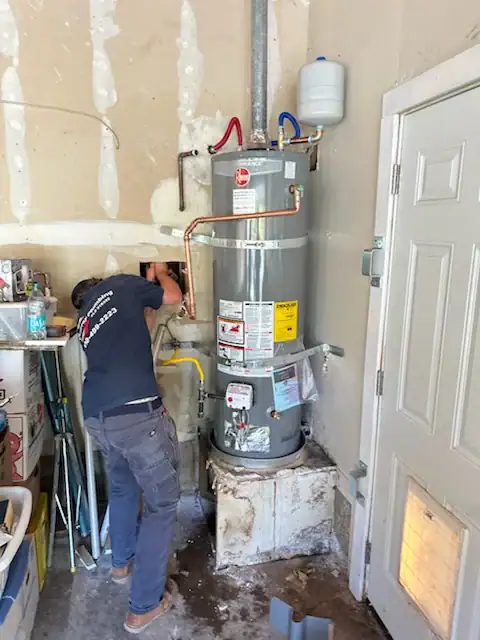
When your water heater fails at a Dollar Point vacation home, the clock starts immediately. You’re not just dealing with an inconvenience you’re losing time you planned for something else entirely. A fast, clean replacement means your property is functional again before the weekend is gone, the guests are settled, and the season actually starts the way you intended.
Dollar Point’s housing stock tells a specific story. A lot of these homes were built between the 1970s and 1990s, and many of them haven’t had a water heater replaced in years sometimes decades. If the unit has been sitting through Sierra Nevada winters in a garage or crawl space without being properly monitored, age isn’t the only thing working against it. Cold does real damage to standby equipment in unoccupied homes, and the Tahoe City Public Utility District has specifically warned homeowners not to shut down water heaters before leaving for the season because of exactly that risk.
There’s also a water quality angle that most plumbers won’t bring up. Dollar Point’s water supply comes from Lake Tahoe through the North Tahoe Public Utility District it’s notably soft water, which sounds like a good thing until you understand what it does to the anode rod inside your tank. Soft water is more corrosive to that rod than hard water, which means it depletes faster and leaves your tank vulnerable to rusting from the inside. A proper replacement addresses that. A rushed one doesn’t.
We’ve been in business for over 60 years, and the way we operate hasn’t changed much: show up when we say we will, charge what we quoted, and do the job right the first time. That’s earned us a 4.7 out of 5 on Google, with nearly 100 reviews that say the same things on time, professional, honest about cost.
For Dollar Point homeowners, that consistency matters more than it might somewhere else. This isn’t a neighborhood where you can easily call three plumbers and wait for the best bid. You’re on the North Shore, off SR 28, and your options for reliable service are limited. When you find a company that actually delivers, you hold onto it.
We serve the full Dollar Point area the main subdivision, Chinquapin, the Highlands, and the surrounding Lake Forest corridor. Whether you’re a year-round Placer County resident or managing a second home from out of the area, you get the same licensed technicians, the same upfront pricing, and the same 24/7 emergency dispatch a real person, not a voicemail.
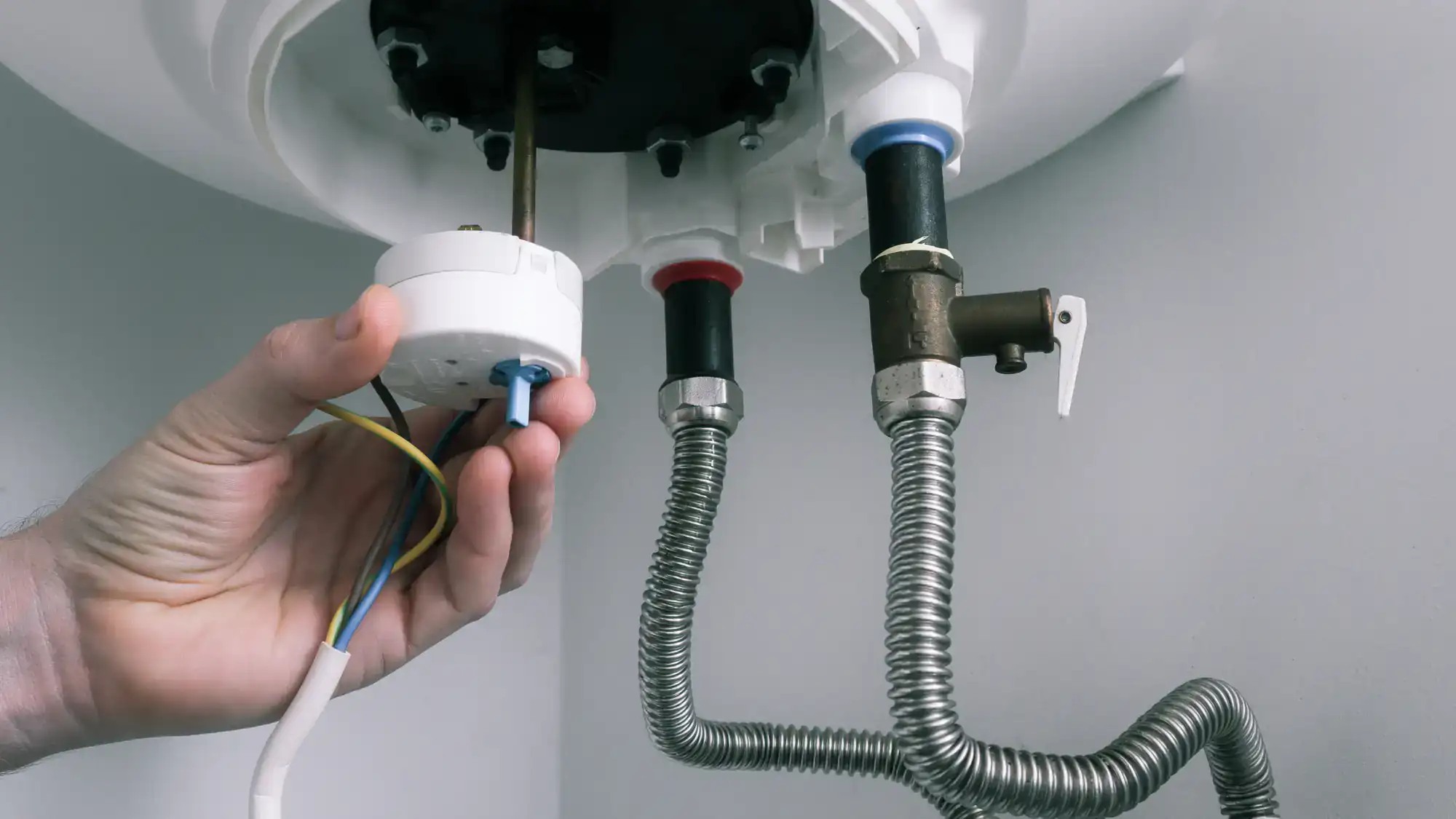
It starts with a call. When you reach out, you’re talking to a real dispatcher not an answering service who can get a licensed water heater technician scheduled, often same day or next day. If it’s an emergency, that response is available around the clock. For vacation homeowners who just arrived to find a problem, that turnaround matters.
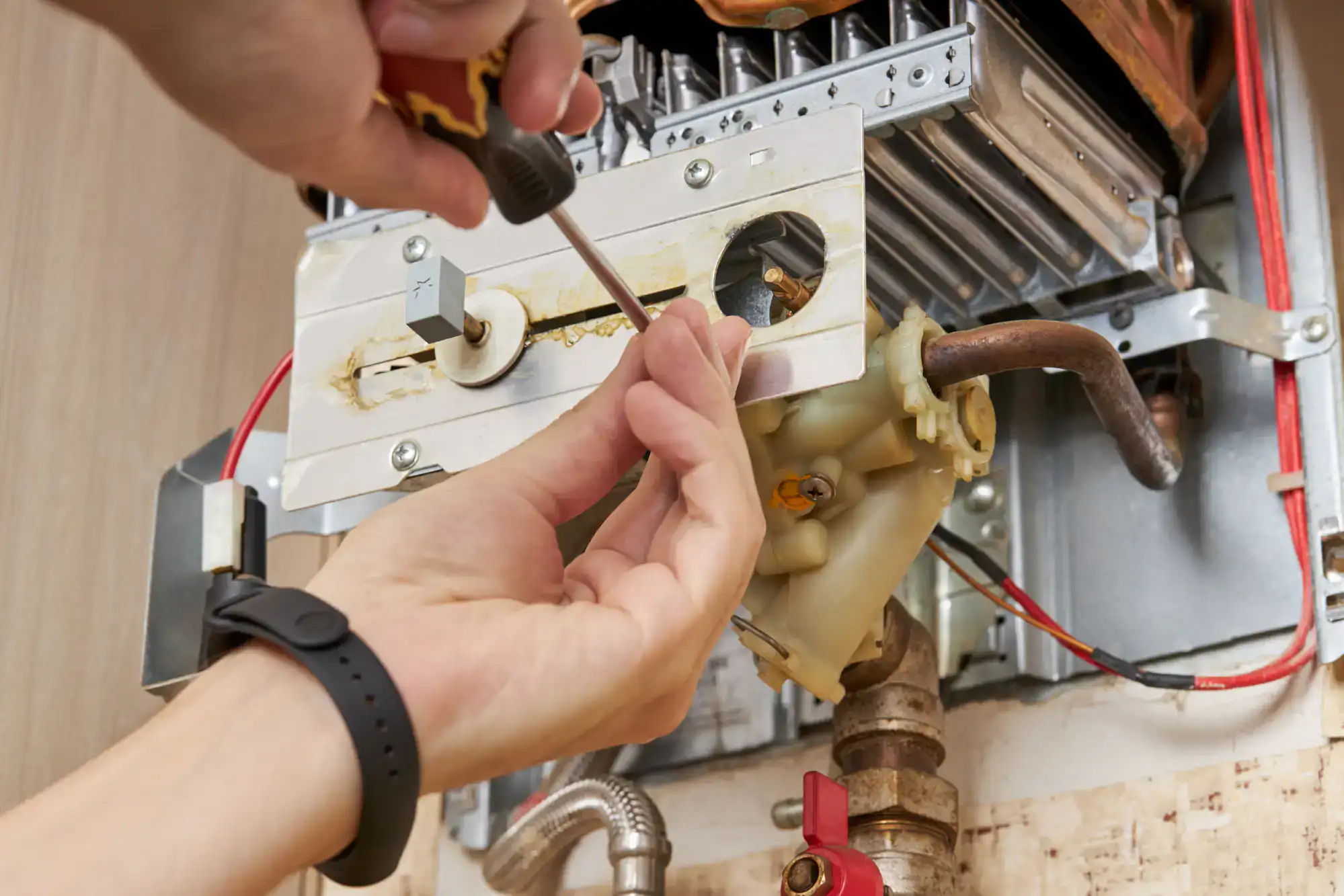
Once on-site, our technician assesses the existing unit age, condition, how it’s been installed, and whether the surrounding plumbing shows any signs of freeze damage or corrosion. In Dollar Point, that last part is important. Units installed in garages or crawl spaces in mountain homes take a different kind of beating than units in a Sacramento Valley house, and a technician who understands that will catch things that others walk past.
Before any work begins, you get a clear, upfront estimate. No vague ranges, no numbers that change at the end. We also handle the Placer County building permit required under California Plumbing Code 104.0 every time, without exception. That permit protects your property at resale, keeps your installation code-compliant, and matters especially if your Dollar Point home is used as a vacation rental or you’re planning to sell. When the job is done, your new unit is installed, tested, and ready to go warranty intact, paperwork in order.
Ready to get started?
Most water heater replacement conversations come down to one question: tank or tankless? For a Dollar Point vacation home that sits empty for months at a time, that question has a real answer. A tankless water heater heats water on demand instead of keeping a full tank at temperature around the clock which means no standby energy loss during the off-season, no large volume of standing water sitting in a cold garage through a Sierra Nevada winter, and a lifespan that runs 20 years or more compared to the 8–15 you typically get from a traditional tank unit. For a property you’re protecting long-term, that math is worth knowing.
For year-round Dollar Point residents, a high-efficiency tank unit is often still the right call lower upfront cost, simpler installation, and fully capable of handling the hot water demand of a three- to four-bedroom mountain home. We carry the equipment to handle both, and as a Certified Installer, the manufacturer’s warranty on your new unit stays fully valid after installation. That’s not a small detail when you’re leaving a unit to run unattended through the winter.
Replacement costs for a standard tank unit typically run between $882 and $1,816 installed, with tankless systems ranging from $1,400 to $3,900 depending on unit size and the complexity of the installation. Every job starts with a straight, honest estimate and our track record shows final invoices that come in at or below what was quoted.

Yes and it’s not optional. Under California Plumbing Code 104.0, a permit is required for any plumbing modification inside a home, and water heater replacement falls squarely in that category. In Dollar Point, that permit is issued through Placer County Building Services, which you can reach at (530) 581-6200 if you have questions specific to your property.
This matters more than people often realize. If you’re selling your Dollar Point home, a buyer’s inspection will flag unpermitted work and in a market where properties are valued at $600,000 and well above, that’s a real liability. If you rent your property as a vacation rental, unpermitted plumbing can create insurance and compliance complications. We pull the Placer County permit on every water heater replacement, every time. It’s part of the job, not an add-on.
The honest answer depends on age and repair cost. If your unit is under eight years old and the issue is a single component a faulty thermostat, a bad heating element repair usually makes sense. Once you’re past the eight-year mark, the math shifts. A repair that costs more than 10% of what a full replacement would run is almost always the wrong call financially, because you’re paying to extend the life of a unit that’s already in its decline window.
For Dollar Point homes specifically, there’s another layer to consider. If the unit has been sitting in an unheated garage or crawl space through multiple Sierra Nevada winters without regular maintenance, the internal damage particularly to the anode rod in a soft-water environment like Lake Tahoe may be more advanced than what’s visible from the outside. Our technician can tell you honestly whether you’re looking at a repair or a replacement, and we’ll give you that answer straight before any work begins.
More than most people expect. The Tahoe City Public Utility District specifically warns homeowners not to turn off or set water heaters too low before leaving for the winter, because without the heat the unit generates, the surrounding pipes especially those in garages, crawl spaces, or exterior walls are at real risk of freezing. Hot water pipes are actually more vulnerable to freezing than cold water pipes, and once a pipe freezes and bursts, you’re dealing with a much larger problem than just the water heater.
Beyond freeze risk, a unit that sits idle for months in a soft-water environment like Dollar Point experiences accelerated anode rod depletion. The anode rod is what keeps your tank from corroding internally, and soft water from Lake Tahoe depletes it faster than hard water would. If your unit has been through several winters without a rod inspection, internal corrosion may already be underway even if the unit appears to be working when you return. That’s one of the first things our technician checks on a seasonal property visit.
For a lot of Dollar Point properties, yes and the reasoning is specific to how these homes are actually used. A traditional tank water heater maintains a full tank of heated water continuously, which means it’s burning energy to keep water hot during the months your property sits empty. A tankless unit heats water only when you turn on a tap, so there’s no standby loss during the off-season. Over years of use, that adds up.
The other factor is freeze risk. A large tank of standing water in an unheated garage at 6,200 feet elevation is a vulnerability that a tankless system eliminates. Tankless units also last significantly longer typically 20 years or more versus 8–15 for a tank unit which means fewer replacements over the life of a vacation property. The upfront cost is higher, generally $1,400 to $3,900 installed depending on the unit and the complexity of the job, but for a home you’re managing as a long-term investment, it’s a reasonable conversation to have. We can walk you through both options and give you a straight comparison before you decide.
Same day in most cases, and around the clock for genuine emergencies. When you call us, you reach a real dispatcher not a voicemail or a third-party answering service who can get a licensed water heater technician moving toward your property. For vacation homeowners who arrive at their Dollar Point home on a Friday evening to find no hot water, that response time is the difference between a weekend that works and one that doesn’t.
Dollar Point is accessible via SR 28 off the North Shore, and our technicians are experienced serving mountain communities where road conditions are part of the job. In winter, that matters. A plumber who hesitates because the address is in the Sierra Nevada isn’t the right call for a property at this elevation. If you’re dealing with a failed unit whether you just got here or you’ve been here all season call directly and get a real answer about availability and timing.
It does, and it’s the opposite of what most people assume. Dollar Point’s water supply comes from Lake Tahoe through the North Tahoe Public Utility District, which means it’s notably soft considered some of the cleanest drinking water in the country. That sounds like it would be easy on your water heater, but soft water is actually more corrosive to metal components than moderately hard water.
The component most affected is the anode rod a sacrificial metal rod inside your tank that attracts corrosion so the tank itself doesn’t rust. In soft-water environments, that rod depletes faster. Once it’s gone, the tank is exposed, and internal corrosion accelerates significantly. Most homeowners don’t know this until there’s already visible rust in the water or the tank starts leaking. Regular anode rod inspection ideally every two to three years extends the life of a tank water heater considerably in a soft-water area like Dollar Point. When we replace a water heater here, that conversation is part of the job, not an afterthought.