
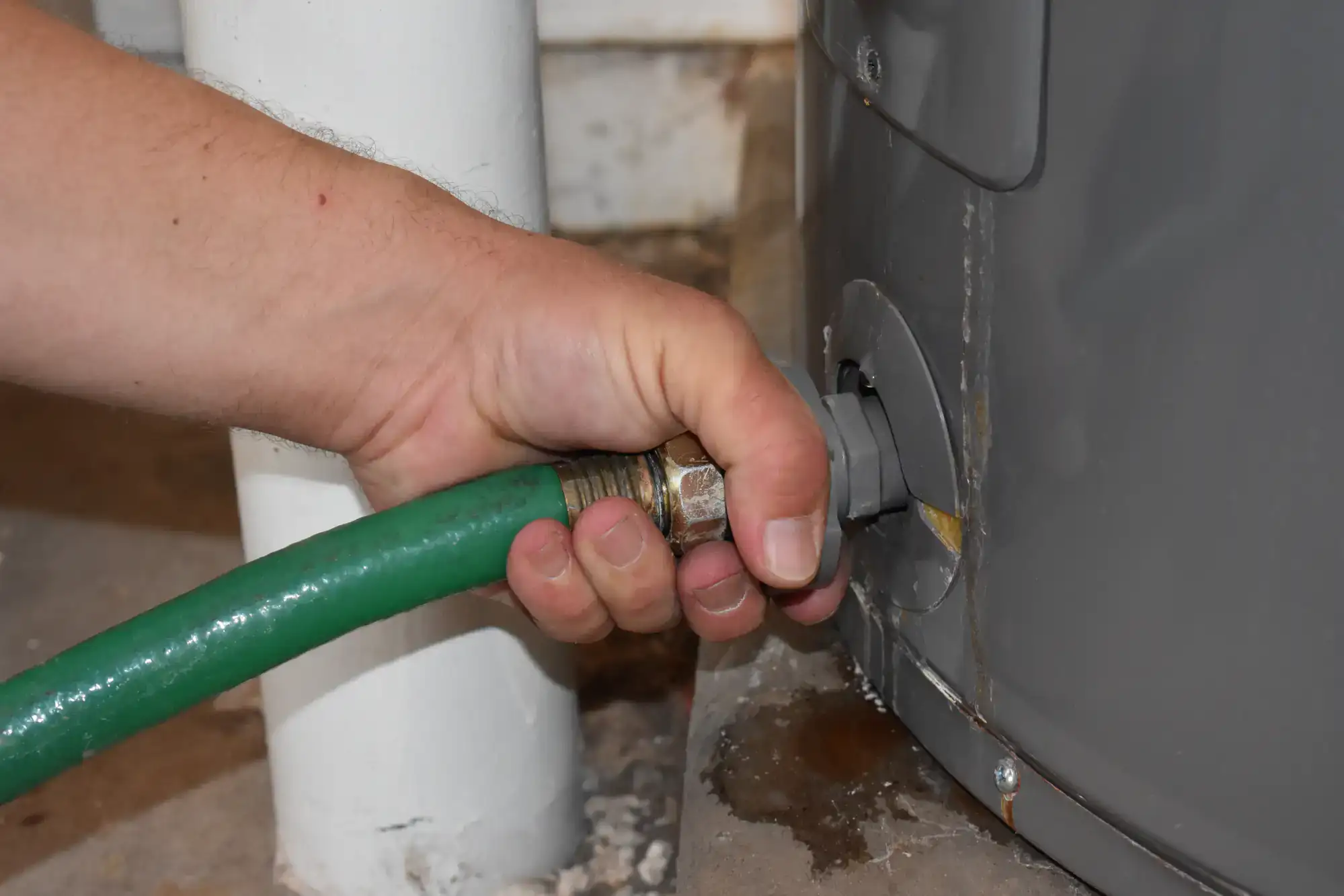
Water Heater Replacement
Get a free quote for water heater replacement from your local plumbing team.
We’ll contact you about your water heater replacement request. Privacy policy
Hear from Our Customers
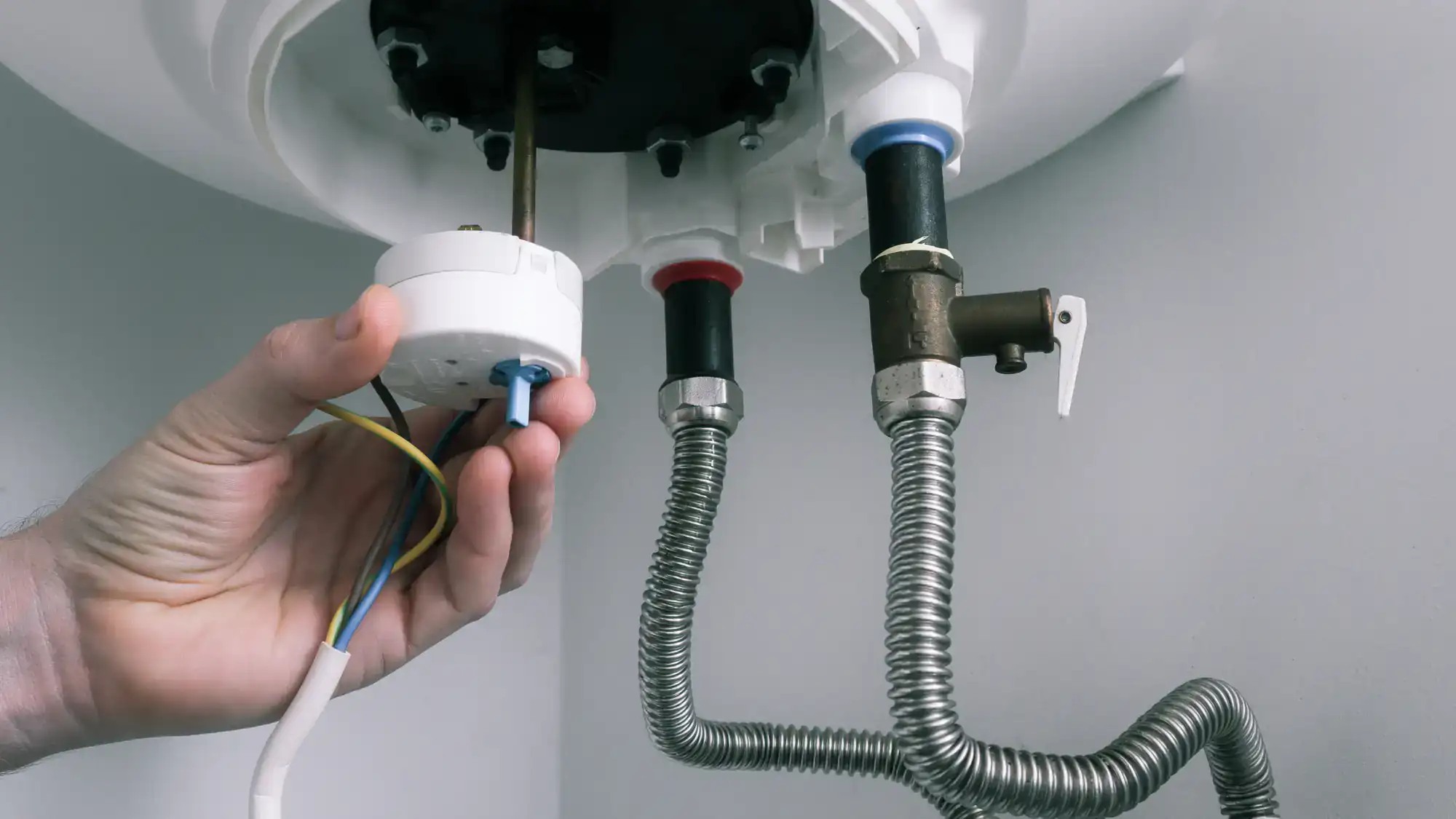
Hot water on demand sounds simple until you’ve been without it. When your water heater finally gives out, the ripple effect hits fast: cold showers, dishes piling up, and the nagging feeling that the repair bill is going to be worse than you expected. A proper replacement fixes all of that, and it fixes it for years.
Here’s something worth knowing about East Sacramento specifically: roughly half the homes in this neighborhood were built before 1950. That’s a lot of original plumbing configurations, aging gas lines, and water heaters that may have been replaced once already and are now quietly running on borrowed time. Sacramento’s moderately hard water speeds that process up mineral sediment builds inside the tank, reduces efficiency, and causes that rumbling sound many homeowners hear before a unit finally fails. If your water heater is 8 to 10 years old and you’re in an older home near McKinley Park or the Fab Forties, it’s not a question of if it’s when.
A new, properly sized water heater also means lower energy bills. Older units work harder to heat the same amount of water, especially once sediment has built up on the heating elements. Replacing an inefficient unit particularly with a heat pump water heater that qualifies for SMUD rebates can put real money back in your pocket over time, not just restore your hot water.
We’ve built our reputation on one thing most plumbing companies struggle with: saying what we’re going to charge and then actually charging that. Sometimes less. That’s not a sales line it’s what customers keep writing in reviews, and it’s the kind of thing that travels fast in a neighborhood as community-oriented as East Sacramento.
The technicians who show up to your door are licensed, insured, and familiar with what older Sacramento-area homes actually look like on the inside aging infrastructure, original venting setups, plumbing configurations that haven’t been touched in decades. We don’t just swap out a unit and leave. We assess what’s there, explain what we’re doing, and make sure the installation is fully permitted through Sacramento County and seismically strapped per California code.
With a 4.7-star Google rating across hundreds of reviews, our track record speaks for itself. Punctual, professional, and transparent those are the words that show up again and again.
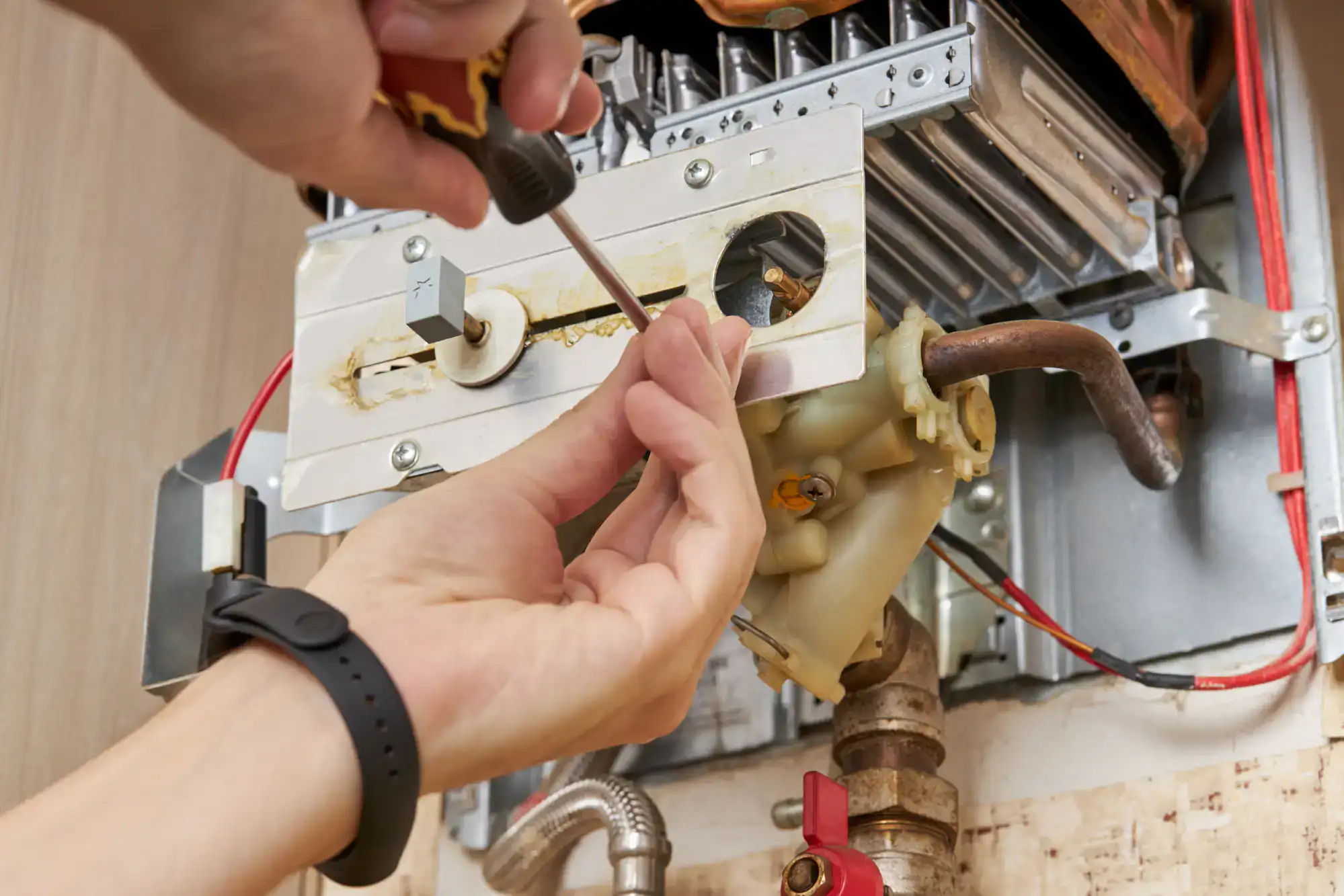
It starts with a call. You describe what’s happening no hot water, strange noises, visible rust, or just an old unit you’re ready to replace before it fails and we give you a straight answer on what it’s going to take and what it’s going to cost. No vague estimates, no “we’ll see when we get there.”
When our technician arrives, the first step is an honest assessment. In East Sacramento’s older homes, that means checking more than just the unit itself gas line condition, existing venting setup, current seismic strapping, and whether the space meets California code for the replacement you’re considering. If you’re thinking about upgrading to a tankless system or a heat pump water heater that qualifies for SMUD’s rebate program, that conversation happens here, with real numbers, not a pitch.
Once you’ve made the decision, the work moves quickly. We pull the required Sacramento County permit which California law mandates for any water heater replacement handle the installation, and haul away the old unit. Most standard tank replacements are completed in under two hours. You’re not waiting around all day, and you’re not left with a mess when it’s done.

Ready to get started?
Water heater replacement in East Sacramento isn’t a one-size-fits-all job. The homes here range from compact post-war bungalows near Tahoe Park to large Tudor and Spanish Revival properties in the Fab Forties and the right unit for one home is the wrong unit for another. We size the replacement based on your household’s actual hot water demand, not just what’s easiest to pull off a truck.
Every replacement includes the Sacramento County permit, California-required seismic strapping, pressure relief valve installation, and full compliance with the California Plumbing Code. For East Sacramento homeowners especially those with high-value properties where an unpermitted installation can surface as a liability during a future sale this isn’t optional. It’s the only way the job gets done.
If you’re considering a tankless water heater, we walk you through the real trade-offs: higher upfront cost, longer lifespan (often 20 years or more), lower monthly energy use, and potential eligibility for SMUD rebates on qualifying heat pump models. East Sacramento falls within SMUD’s service territory, and current rebate programs can meaningfully offset the cost of an energy-efficient upgrade. Our technician will tell you exactly what qualifies and what doesn’t no guesswork, no pressure.
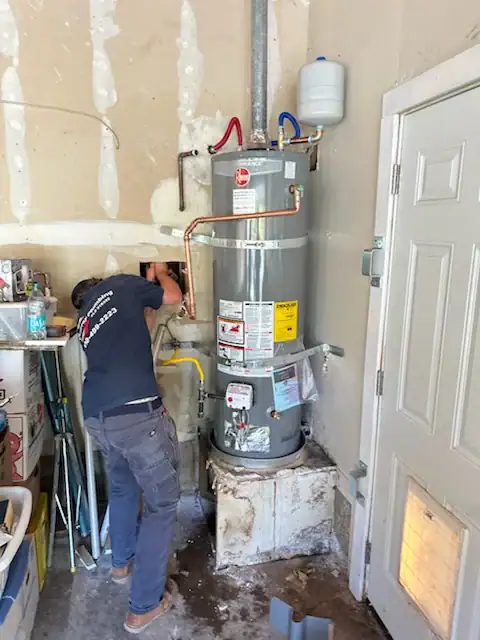
Yes and this isn’t something to skip. California Plumbing Code Section 502.1 makes it unlawful to replace a water heater without pulling a permit from the authority having jurisdiction, and Sacramento County enforces this requirement. The permit triggers an inspection that confirms your installation meets current safety codes, including proper venting, pressure relief valve discharge, and seismic strapping.
For East Sacramento homeowners, this matters beyond just code compliance. If you sell your home and in a market where median prices are hovering around $725,000, that’s a significant transaction an unpermitted water heater replacement can surface during the buyer’s inspection. That creates a disclosure issue, a potential delay in closing, or a retroactive permit process that’s more expensive and stressful than doing it right the first time. We pull the permit as part of every replacement job. You don’t have to think about it.
The honest answer depends on age, repair history, and what’s actually wrong. If your unit is under 8 years old and the issue is an isolated component a faulty thermostat, a failed heating element, a worn anode rod repair often makes sense. But once a tank water heater passes the 10-year mark, the math starts shifting. Repair costs that exceed roughly 10% of what a full replacement would cost are usually a signal to replace rather than patch.
In East Sacramento, there’s an additional factor worth considering: Sacramento’s moderately hard water accelerates sediment buildup inside the tank. A unit that’s been running in an older home without regular maintenance may be operating well below its rated efficiency even before any visible symptoms appear. If you’re hearing rumbling or popping from the tank, seeing rust-colored water, or noticing that your hot water runs out faster than it used to, those are signs the unit is on its way out not just having a bad day.
For a standard tank water heater replacement in East Sacramento, you’re typically looking at a range of $1,200 to $2,500 depending on the size of the unit, the complexity of the installation, and whether any related work is needed gas line adjustments, updated venting, or modifications to the existing setup. Tankless water heater installations run higher, generally $2,500 to $3,500 or more, because they often require changes to gas line sizing, electrical connections, or venting configuration.
What affects that range in East Sacramento specifically is the age of the housing stock. Older homes and roughly half of East Sacramento’s homes were built before 1950 sometimes have original plumbing configurations that require additional work before a new unit can be installed properly. We assess all of that upfront and give you a clear number before any work begins. The quote you get is the price you pay. If anything comes in under estimate, that’s what you’re billed.
Yes, and it’s worth looking into before you decide on a unit. East Sacramento falls within the Sacramento Municipal Utility District (SMUD) service territory not PG&E and SMUD offers rebate programs for qualifying heat pump water heaters that can significantly reduce your out-of-pocket cost on an energy-efficient upgrade. Depending on the program cycle and the unit you choose, rebates can range from a few hundred dollars to substantially more for qualifying installations.
To qualify, units generally need to meet NEEA Tier III or Tier IV efficiency standards for California climate zone 12, and installation typically needs to include a thermostatic mixing valve. These aren’t complicated requirements, but they do need to be met correctly for the rebate to apply. We understand SMUD’s current requirements and can tell you upfront whether the unit you’re considering qualifies so you’re not chasing a rebate after the fact that turns out not to apply.
For a standard tank-to-tank replacement, most jobs are done in under two hours from the time our technician arrives. That includes removing the old unit, installing and connecting the new one, testing it, and hauling away what’s been taken out. You’re not clearing your schedule for the day this is a focused, efficient job when it’s handled by someone who shows up prepared.
Tankless installations take longer, typically three to four hours or more, because they often involve modifying the gas line, updating venting, or making electrical changes depending on the unit and your home’s existing setup. In East Sacramento’s older homes, it’s not uncommon to find that the existing infrastructure needs some updating to accommodate a modern tankless system properly. That’s not a problem it’s just something to plan for. We communicate what’s involved before starting, so there are no surprises mid-job.
Sizing depends on how many people are in the household and your peak hot water usage patterns not just the square footage of the home. As a general guideline, a household of one to two people typically does well with a 30 to 40-gallon tank. Three to four people usually need 40 to 50 gallons. Larger households or homes with high simultaneous demand multiple bathrooms running at once, for example may need 50 to 80 gallons or a tankless system that heats water on demand rather than storing it.
What makes East Sacramento homes a little different is the variety in layout and size. A smaller post-war bungalow near River Park has very different hot water demands than a multi-bathroom Tudor in the Fab Forties. Getting the sizing right matters because an undersized unit will struggle to keep up from day one, and an oversized unit wastes energy heating water you’re not using. Our technicians assess your home’s actual setup and usage before recommending a unit not just whatever’s standard or easiest to install.