

Hear from Our Customers
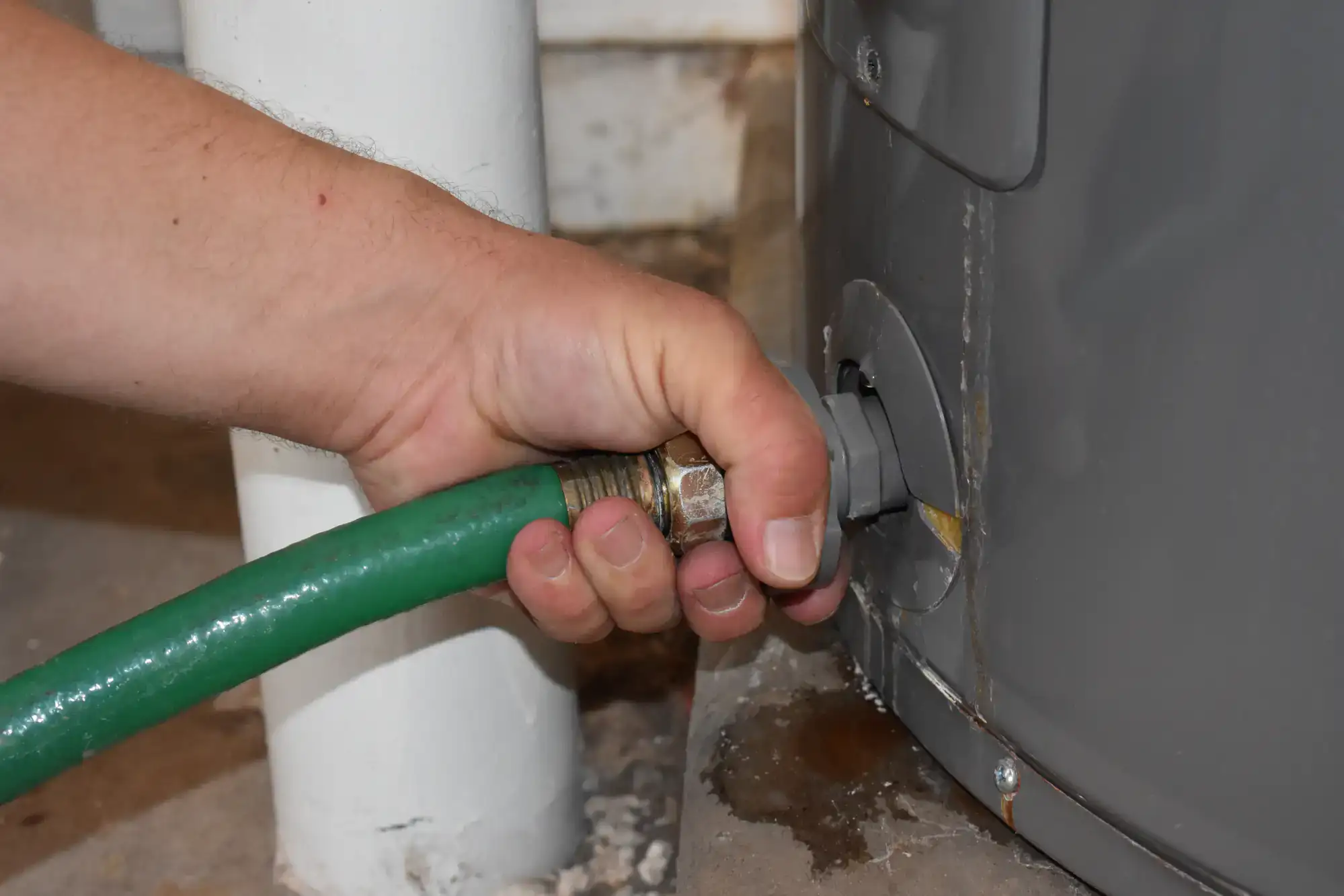
A failed or struggling water heater is one of those problems that affects everything morning routines, laundry, dishes, the works. Once it’s replaced with a properly sized, properly installed unit, you stop managing around the problem and just have hot water again. That might sound simple, but for a household that’s been dealing with lukewarm showers or a unit that takes forever to recover, it’s a real shift.
Here’s something specific to North Auburn that most plumbing pages won’t tell you: the mineral content in Placer County’s water supply is hard on water heaters. Sediment builds up faster than national averages suggest, which means your unit was likely working harder than it should have been for longer than you realized. A new installation properly flushed and set up starts clean and runs more efficiently from day one.
The foothill elevation also matters. Groundwater temperatures here run cooler than what you’d find down in the Sacramento valley, which means your water heater has to work through a bigger temperature rise to get water to a usable heat. When a unit is already aging, that extra demand accelerates the decline. Replacing it with a correctly sized system for North Auburn’s actual conditions means you’re not just solving today’s problem you’re getting a system built to handle the environment you actually live in.
We’ve been doing this work for over 60 years across five generations of family ownership. That’s not a marketing line it’s just what happens when a family builds a business the right way and keeps it. No franchise structure, no corporate layer between you and accountability. When something goes sideways, there’s a real person behind the name on the truck.
Our team holds Certified Installer status, which means manufacturer warranties stay intact from the moment your new unit is installed. Every replacement we do in North Auburn is permitted through Placer County Building Services because North Auburn is unincorporated, that’s where the authority sits, and skipping that step creates problems down the road when you go to sell your home. We handle all of it.
With a 4.7-star Google rating backed by 93 verified reviews, the track record is there. Customers consistently note that the technician showed up on time, explained the work clearly, and that the final bill matched or came in under what was quoted. That’s not standard in this industry. It should be, but it isn’t.
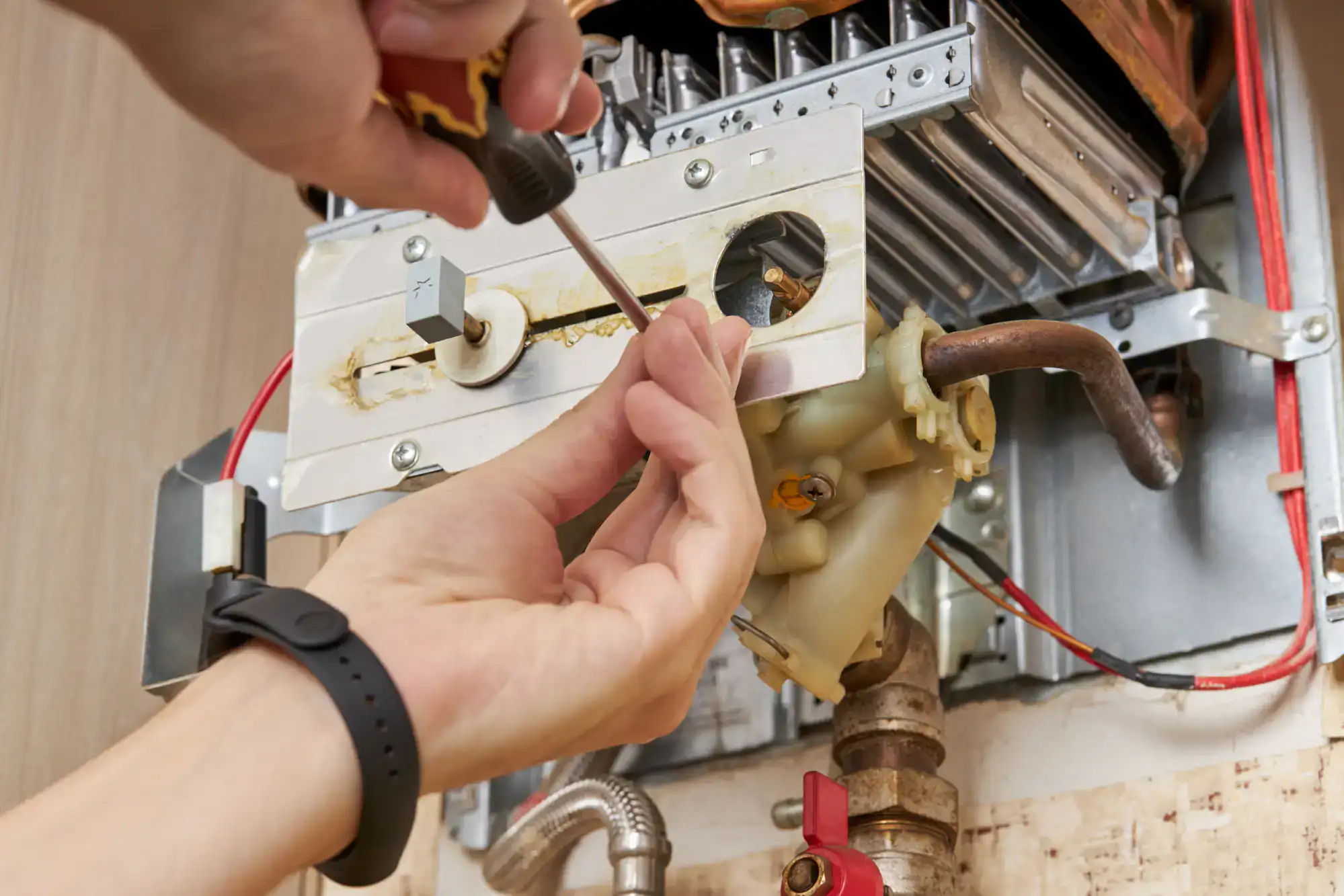
It starts with a call. You describe what’s happening no hot water, strange noises, water pooling under the tank, higher energy bills and a technician will walk you through what’s likely going on before anyone shows up at your door. If it sounds like replacement is the right move, you’ll get a clear estimate upfront, not a range that balloons once the work starts.
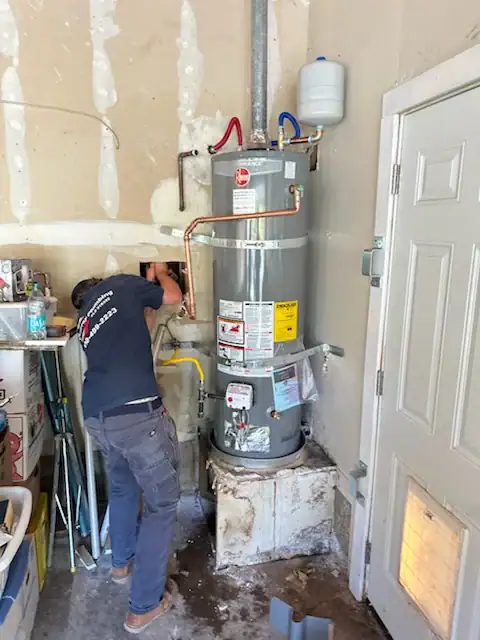
When the technician arrives at your North Auburn home, they assess the existing unit, confirm the right replacement size for your household’s demand, and get to work. In most cases, a standard tank water heater replacement is completed in under two hours. The old unit is removed, the new one is set in place, connected, and tested. California code requires two seismic straps one in the upper third of the unit, one in the lower third and that’s done as part of every install, no exceptions. We pull the Placer County permit, schedule the inspection, and you end up with a documented, code-compliant installation.
If you’re considering switching from a tank to a tankless system, that conversation happens before the work begins. Tankless units have different venting and gas line requirements, and the foothill groundwater temperatures here mean sizing matters more than it does in warmer climates. The technician will tell you what makes sense for your home not just what’s available in the truck.
Ready to get started?
Every water heater replacement through our company includes the permit, the seismic strapping, the removal of your old unit, and a full test of the new system before the technician leaves. You’re not coordinating three different things with three different people it’s handled in one visit.
For North Auburn homeowners specifically, the hard water conditions in Placer County are part of the conversation from the start. If your existing unit has significant sediment buildup, that gets noted. If your incoming water lines show corrosion or if the shut-off valve is deteriorating which is common in homes built in the 1980s and 1990s throughout the unincorporated foothill communities those issues get flagged so you can decide how to handle them. Nothing gets added to your bill without a conversation first.
Tank replacements typically run between $882 and $1,816 depending on unit size and any related line work. Tankless water heater replacements generally fall between $1,400 and $3,900, with the higher end reflecting gas line modifications or new venting requirements. Both ranges reflect installed cost equipment plus labor plus permit. We also offer 24/7 emergency water heater replacement for situations that can’t wait until Monday morning, which matters in a foothill community where a cold January night and a failed water heater tend to happen at the same time.
Yes, and it’s not optional. California state code and Placer County’s building standards both require a permit for water heater replacement. Because North Auburn is an unincorporated community, your permit comes from Placer County Building Services not a city building department. That distinction trips people up sometimes, especially if they’ve had work done in Auburn proper and assume the process is the same.
The reason this matters beyond just following the rules: if you sell your home and an unpermitted water heater replacement shows up during inspection, it becomes a negotiating problem or a deal-breaker. With a median home value around $552,000 in North Auburn, that’s not a risk worth taking to save a few hundred dollars. We pull the permit on every job and handle the inspection scheduling so you don’t have to think about it.
The general rule is straightforward: if the repair cost is more than 10% of what a full replacement would run, replacement is almost always the smarter financial move. But age matters too. Most tank water heaters start declining in efficiency around year eight and are considered high-risk for failure by year ten to twelve. If yours is in that window and something goes wrong, you’re likely paying to extend a unit that’s already on borrowed time.
In North Auburn, the hard water in Placer County’s water supply tends to accelerate that timeline. Sediment builds up inside the tank faster than in softer-water markets, which strains the heating element and reduces efficiency over time. If you’ve never had the tank flushed or the anode rod replaced, and the unit is more than eight years old, it’s worth having a technician take a look before the decision gets made for you usually at the worst possible time.
For a standard tank-to-tank replacement, most jobs are done in under two hours from the time the technician arrives. That includes removing the old unit, installing and connecting the new one, completing the seismic strapping required by California code, and running a full test to confirm everything is working before leaving.
Tankless replacements take longer typically three to four hours because they often involve modifications to the gas line or venting setup. If your home is older, which is common throughout the unincorporated foothill neighborhoods in and around North Auburn, there’s a chance the existing infrastructure needs some updating to support a tankless system. That gets assessed before work begins, so there are no surprises mid-job. Either way, the goal is one visit, one completed installation, and hot water before the end of the day.
A tank water heater stores a set volume of heated water typically 40 to 50 gallons for most households and keeps it hot continuously. A tankless unit heats water on demand, only running when you need it. Tankless systems generally last longer (up to 20 years versus 10 to 12 for a tank) and use less energy over time, but the upfront cost is higher and the installation is more involved.
For North Auburn specifically, the cooler groundwater temperatures that come with the Sierra Nevada foothill elevation are worth factoring in. Tankless units have to work through a larger temperature rise here than they would in Sacramento’s warmer valley floor, which means sizing the unit correctly is critical. An undersized tankless system will struggle during high-demand periods, especially in winter. A technician familiar with Placer County’s actual groundwater conditions not just the manufacturer’s spec sheet will size the unit for where you actually live.
Two things stand out in this area. First, the mineral content in the water supply throughout Placer County and the surrounding foothill communities is high. Hard water leaves sediment deposits inside the tank over time, which insulates the water from the heating element and forces the unit to run longer to reach temperature. That extra strain shortens the lifespan of the unit and drives up energy costs before the heater ever shows an obvious sign of failure.
Second, the foothill climate puts water heaters through real seasonal stress. Summers in North Auburn regularly push above 90 degrees, which increases household hot water demand. Winters drop into the low 30s at night, which means the unit is pulling colder groundwater and working harder to heat it. That swing from peak summer demand to cold winter groundwater is a real factor in how quickly an aging unit breaks down. If you’ve noticed your energy bills climbing or your recovery time getting slower, those are early signs the unit is working harder than it should be.
Yes 24/7, including weekends and holidays. Water heaters in the North Auburn foothills don’t schedule their failures around business hours, and a cold snap in January that takes out your unit on a Sunday night is exactly the kind of situation where waiting until Monday isn’t a real option for a household with kids or elderly residents.
When you call after hours, you reach an actual dispatcher not a voicemail. A technician is assigned, you get a clear arrival window, and the job gets done with the same process as any scheduled replacement: upfront pricing before work starts, permit pulled, seismic straps installed, full test before the technician leaves. The emergency availability is there because the need is real in this community, and the process doesn’t change just because the call came in at 10 p.m.