
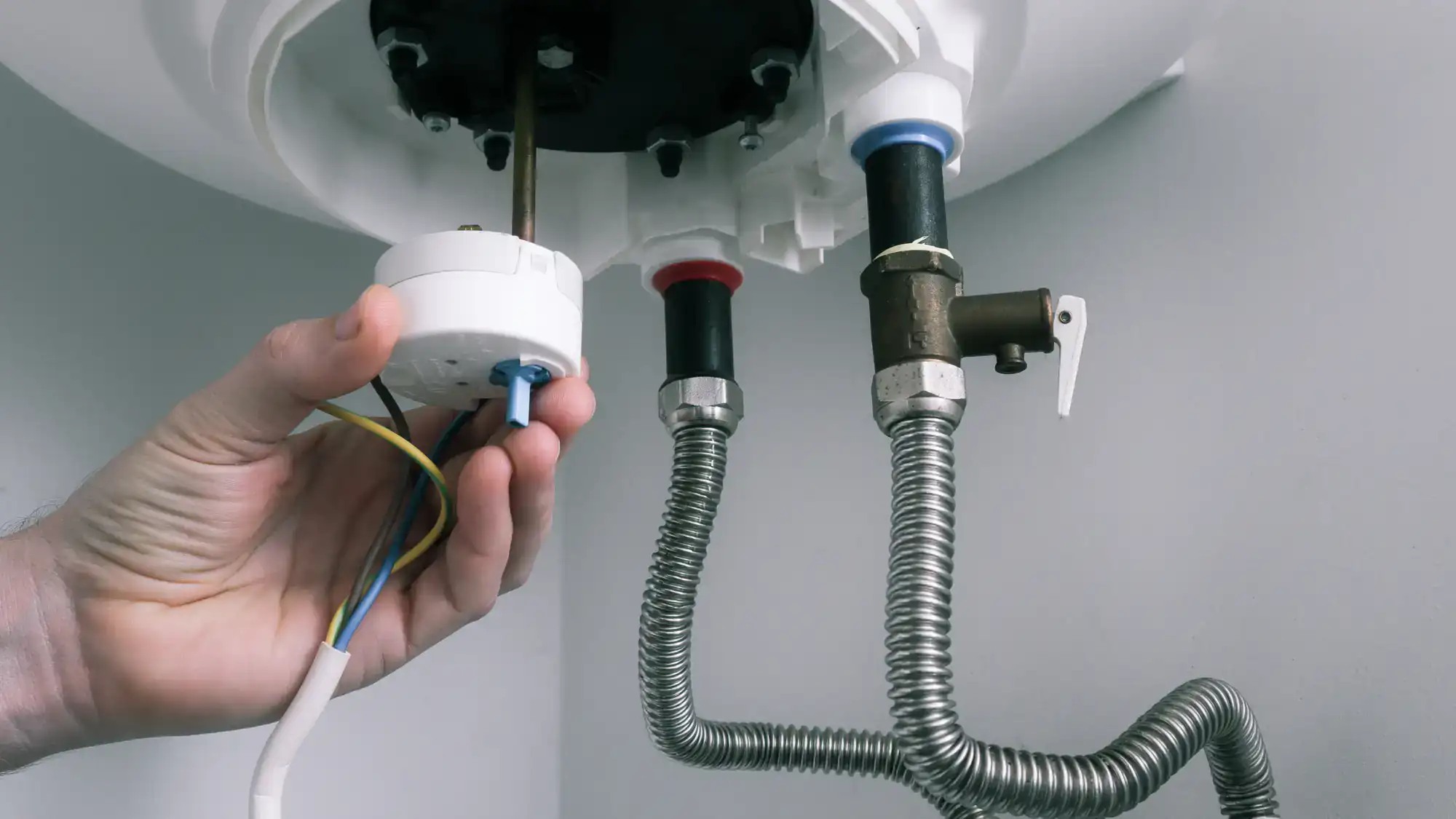
Water Heater Replacement
Get a free quote for water heater replacement from your local plumbing team.
We’ll contact you about your water heater replacement request. Privacy policy
Hear from Our Customers
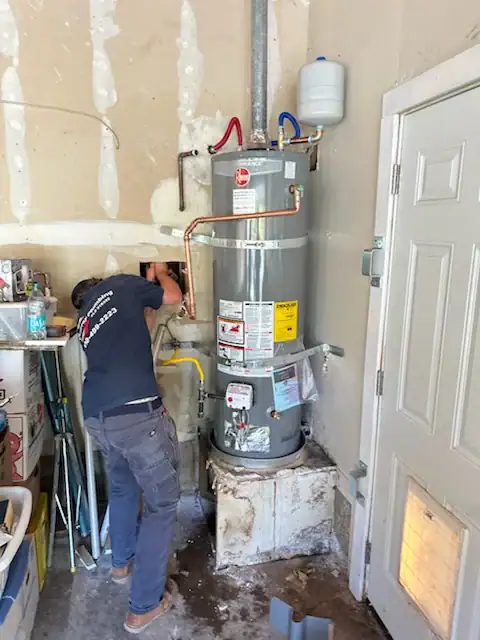
The most immediate thing you notice is obvious hot water that actually works. But beyond that, the right replacement means lower energy bills, a unit that’s properly sized for your household, and an installation that won’t come back to haunt you during a home sale or insurance claim.
River Park and the surrounding Sacramento River corridor sit on City of Sacramento municipal water that regularly tests at 141 parts per million classified as hard. At that level, mineral buildup accumulates inside your tank faster than the national average suggests, which is why a lot of homeowners in River find themselves replacing units at year 8 or 9 instead of year 12 or 13. If your current unit is making rumbling noises or your hot water is running out faster than it used to, that sediment buildup is almost certainly part of the story.
The homes along Riverside Boulevard, through Land Park, and into Pocket-Greenhaven also tend to run older mid-century builds with original gas line configurations and water heater closets that don’t always accommodate a straight swap. A proper water heater replacement in River, CA means accounting for what’s already there, not just pulling one box out and dropping another in. When the job is done right, you get a unit that fits your home, meets California code, and is backed by a manufacturer warranty that’s actually valid.
We’ve been family-owned for over 60 years across five generations. That’s not a marketing angle it’s just the reality of how we operate. When your name is on every job, you don’t cut corners.
We carry a 4.7 out of 5 rating on Google, and the reviews tell a consistent story: showed up on time, explained what was happening, left the space clean, and charged exactly what was quoted sometimes less. In a Sacramento plumbing market where national franchise brands compete heavily on ad spend, that kind of track record is harder to manufacture than a logo.
River Park homeowners, and those throughout the Sacramento River corridor from Land Park down through Pocket-Greenhaven, are dealing with specific conditions aging housing stock, hard city water, and California permit requirements that not every contractor handles properly. We know this area, know what these homes typically present, and come prepared for the job as it actually exists not the easy version of it.
When you call us for a water heater replacement estimate in River, CA, the first thing that happens is a real conversation not a vague range and a callback. You describe what you have, what you’re experiencing, and what your home looks like, and you get an honest number before anyone shows up.
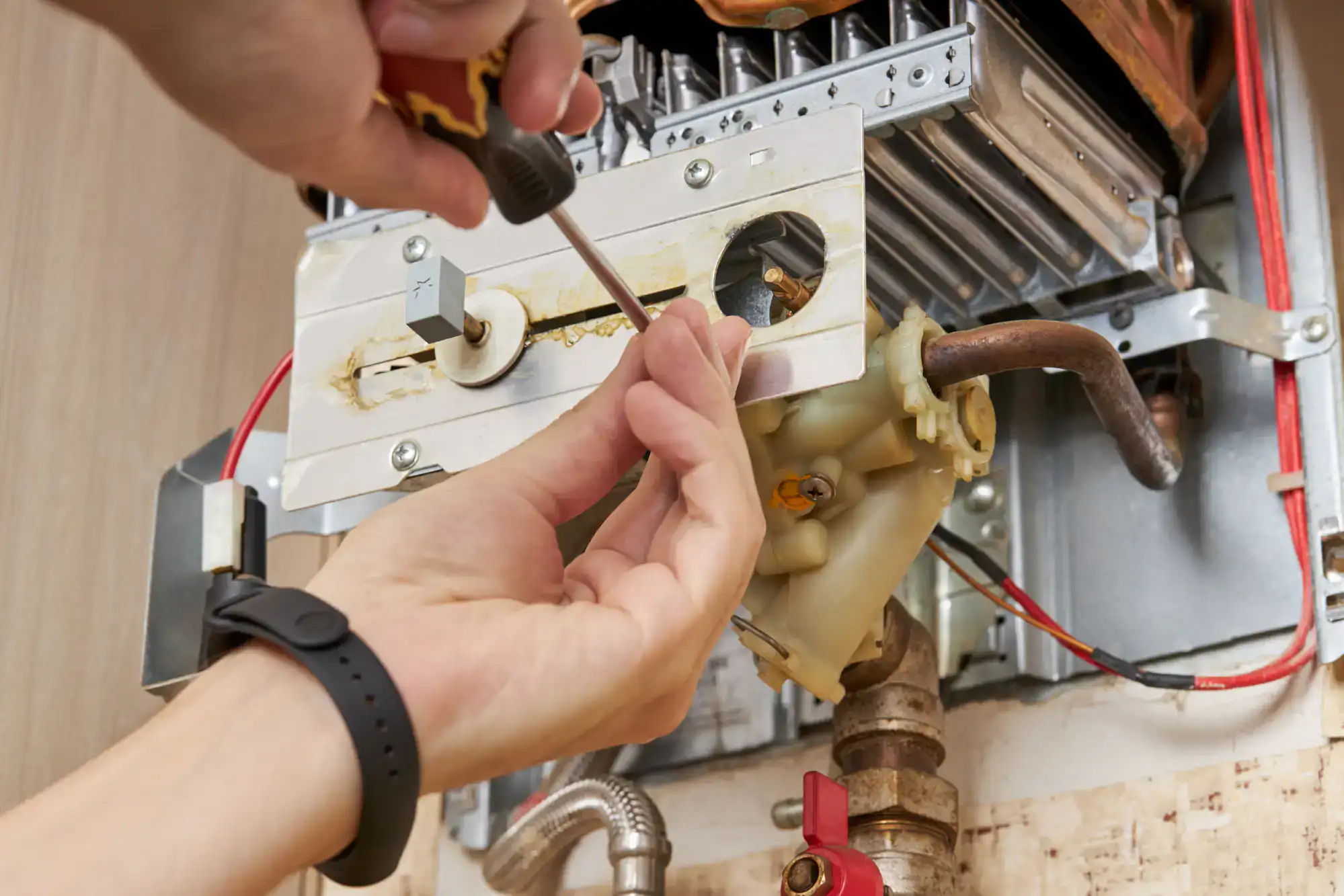
When our technician arrives, they assess your existing setup before anything gets disconnected. In older River Park and Land Park homes, that means checking the gas line configuration, the venting situation, the condition of the supply lines, and whether the current installation meets California Plumbing Code including the seismic strapping requirement that’s mandatory for every water heater installation in the state. If something needs to be addressed beyond the unit itself, you’ll know about it before the work starts, not after.
From there, the old unit comes out, the new one goes in, and the system gets tested before the technician leaves. Most standard tank replacements are done in under an hour. We also handle the permit process because in Sacramento, water heater replacement requires a permit from the City of Sacramento Building Department, and skipping that step creates real problems down the road, especially if you’re planning to sell. You don’t have to manage any of that. It’s part of the job.

Ready to get started?
Water heater replacement in River, CA isn’t just a swap. What you get with us is a licensed installation that includes permit handling, California-required seismic strapping, pressure relief valve setup, proper venting for gas units, and a full system test before the technician walks out the door. Your manufacturer warranty stays intact because the installation meets certified installer standards which matters when you’re spending anywhere from $900 to $3,500 depending on unit type.
If you’re weighing a standard tank replacement against a tankless upgrade, that’s a conversation worth having before the job starts. Tankless systems run higher upfront typically $1,400 to $3,900 installed but they can make real sense for households with high hot water demand, especially given how hard Sacramento’s municipal water works against tank efficiency over time. SMUD also offers rebates for qualifying high-efficiency units, including heat pump water heaters, which can offset a portion of the upgrade cost for River, CA homeowners on the SMUD grid.
For homes throughout the River Park corridor including those in Pocket-Greenhaven, South Land Park, and Curtis Park our full-service capability means that if something else gets uncovered during the replacement, like corroded supply lines or an aging pressure regulator, it doesn’t require a second appointment with a different company. One call, one crew, one job done completely.
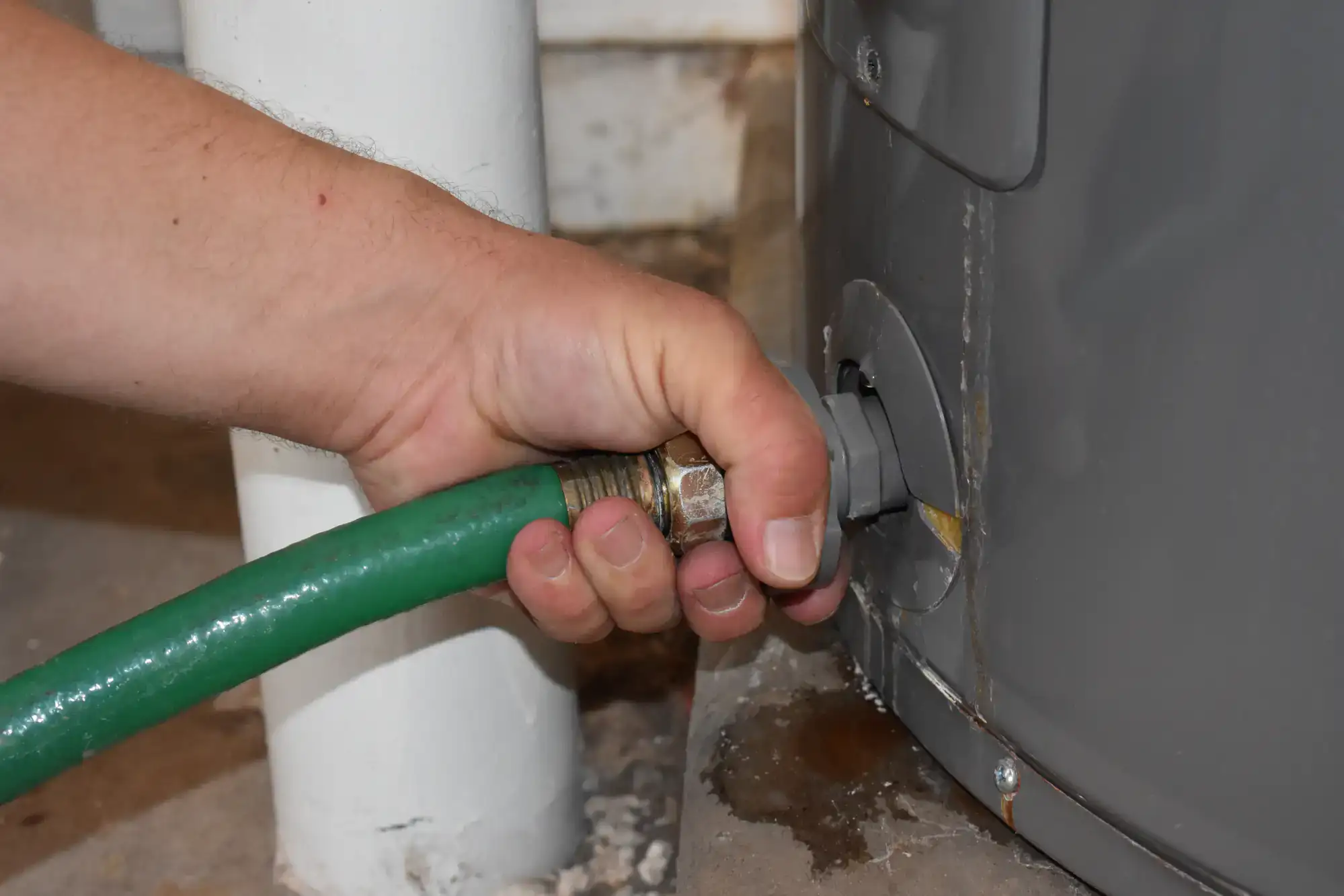
Sacramento’s municipal water supply is classified as hard water, testing at around 141 parts per million and in some parts of the county, it can reach 15.2 grains per gallon. At that hardness level, calcium and magnesium deposits accumulate inside your tank at an accelerated rate, coating the heating element and lining the bottom of the tank with sediment. That buildup forces the unit to work harder to heat the same amount of water, which drives up your energy bill and wears out components faster than the manufacturer’s timeline assumes.
The practical result for River, CA homeowners is that a tank unit rated for 12 to 15 years may start showing real performance decline at year 7 or 8. If you’re hearing a rumbling or popping sound from your water heater, that’s almost always sediment being disturbed by the heating cycle and it’s a clear sign the unit is working against a significant mineral load. Addressing it sooner rather than later, and discussing whether a water softener or treatment system makes sense for your home, can help protect whatever you replace it with.
Yes in Sacramento, water heater replacement requires a permit from the City of Sacramento Building Department. This applies whether you’re replacing a gas unit, an electric unit, or upgrading to tankless. The installation also has to comply with the California Plumbing Code, which includes mandatory seismic strapping, proper pressure relief valve discharge piping, and clearance requirements around the unit.
The permit requirement isn’t just a formality. Unpermitted water heater installations are one of the most common findings during Sacramento home inspections, and they can create real complications if you’re selling buyers’ agents and inspectors flag it, and it can stall or complicate a closing. Beyond the real estate angle, an unpermitted installation can also void your manufacturer warranty and create liability exposure if the unit later causes water damage. When we handle your water heater replacement in River, CA, pulling the permit and ensuring the installation passes inspection is part of the job not an add-on.
For a standard tank water heater replacement same fuel type, same general location in the home most jobs are done in under an hour from start to finish. That includes disconnecting and removing the old unit, installing and connecting the new one, checking all fittings and connections, testing the system, and confirming hot water is flowing before the technician leaves.
Where jobs take longer is when the existing setup needs to be brought up to current California Plumbing Code standards. In older River Park and Land Park homes, that sometimes means updating the venting configuration, replacing corroded supply lines, or reconfiguring the gas connection to meet current clearance requirements. These aren’t unusual situations in a neighborhood with mid-century housing stock, and they’re worth addressing properly rather than working around. If anything like that applies to your home, you’ll know about it during the assessment before the work starts not mid-job.
A standard tank water heater stores and continuously heats a set volume of water typically 40 to 50 gallons for most households. They’re less expensive upfront, widely available, and straightforward to replace. The downside in a hard water market like Sacramento is that the tank interior is constantly exposed to mineral-rich water, which accelerates sediment buildup and reduces efficiency over time. In River, CA, that’s a more pressing consideration than it would be in a soft water market.
A tankless water heater heats water on demand, which eliminates standby heat loss and generally delivers better long-term energy efficiency. They run higher upfront installed costs typically range from $1,400 to $3,900 but the efficiency gains can be meaningful on your monthly SMUD bill, especially during Sacramento’s hot summers when overall energy demand is already elevated. Tankless units also tend to last longer, often 20 years or more with proper maintenance. The right answer depends on your household’s hot water usage, your home’s existing infrastructure, and whether the upfront investment makes financial sense given your timeline in the home.
Yes River, CA is served by SMUD, the Sacramento Municipal Utility District, and SMUD offers rebates for qualifying high-efficiency water heater upgrades. Heat pump water heaters are among the most commonly incentivized options, and certain high-efficiency gas units may also qualify depending on current program availability. The rebate amounts change periodically, so it’s worth confirming current eligibility before you commit to a specific unit.
The rebate conversation is worth having before the job starts, not after. If you’re already replacing a failing unit, upgrading to a qualifying high-efficiency model at the same time can reduce the net cost of the replacement and lower your monthly energy bill going forward. We can walk you through which replacement units qualify under current SMUD programs, what the realistic energy savings look like for a household your size, and whether the upgrade math actually makes sense for your situation without pushing you toward a more expensive unit just for the sake of it.
The honest answer is that it depends on age, condition, and repair cost relative to replacement cost. If your unit is under eight years old and the issue is an isolated component a failed heating element, a faulty thermostat, a worn anode rod repair usually makes sense. But if the unit is eight years or older and you’re in the Sacramento River corridor, the hard water factor changes the math. A unit that’s been operating in hard water for a decade has likely accumulated significant sediment load, and repairing one component doesn’t address the underlying efficiency loss or the wear on the rest of the system.
The clearest signals that replacement is the better call are a leaking tank, visible corrosion on the unit or connections, consistently inconsistent hot water, or a repair estimate that runs more than half the cost of a new installation. If you’re not sure, a water heater technician can assess the unit and give you a straight answer not a recommendation shaped by what generates more revenue. Our approach is to tell you what the unit actually needs, and let you make the call from there.