
Get a free quote for water leaks from your local plumbing team.
We’ll contact you about your water leaks request. Privacy policy
Hear from Our Customers
A slow leak inside a plaster wall doesn’t announce itself. It just quietly soaks the wood framing, feeds the mold, and chips away at a home that may have been standing since 1910. By the time you notice a stain on the ceiling or a soft spot in the floor, the damage behind it is usually weeks or months ahead of what you’re seeing.
That’s the reality of owning or managing property in Boulevard Park. The homes here are beautiful Craftsman bungalows, American Foursquares, Colonial Revivals but their supply lines are old, their sewer laterals are older, and the mature trees lining 21st and 22nd Street don’t care what’s buried underneath them. Root intrusion into aging clay and cast iron pipes is one of the most common underground leak sources in this neighborhood, and it rarely shows up until something fails.
Getting the leak found and fixed quickly means protecting original hardwood floors, plaster walls, and period millwork that simply can’t be replicated. It also means protecting your water bill, your property value, and your tenant relationships if you’re a landlord. A home in Boulevard Park that sells above a million dollars deserves a repair that actually lasts not a patch that buys you six months.
We’ve been serving Sacramento County for over 24 years. That’s not a number to fill space it means we’ve worked in the kinds of homes that define Boulevard Park. Galvanized steel supply lines. Multi-unit conversions with informal drain connections. Sewer laterals that haven’t been touched since the Truman administration. We know what we’re looking at when we walk into a 1910 Foursquare, and we know how to find the problem without treating it like a tract home from 1995.
We’re a licensed California C-36 plumbing contractor. We pull permits when the work requires it, we document everything, and we give you pricing before we start not after. Our Google rating sits at 4.7 out of 5 based on 93 reviews, and customers have specifically noted that final invoices came in at or below the original estimate. That’s not something most plumbers can say, and it’s the kind of thing that matters when you’re managing a historic property in Boulevard Park.
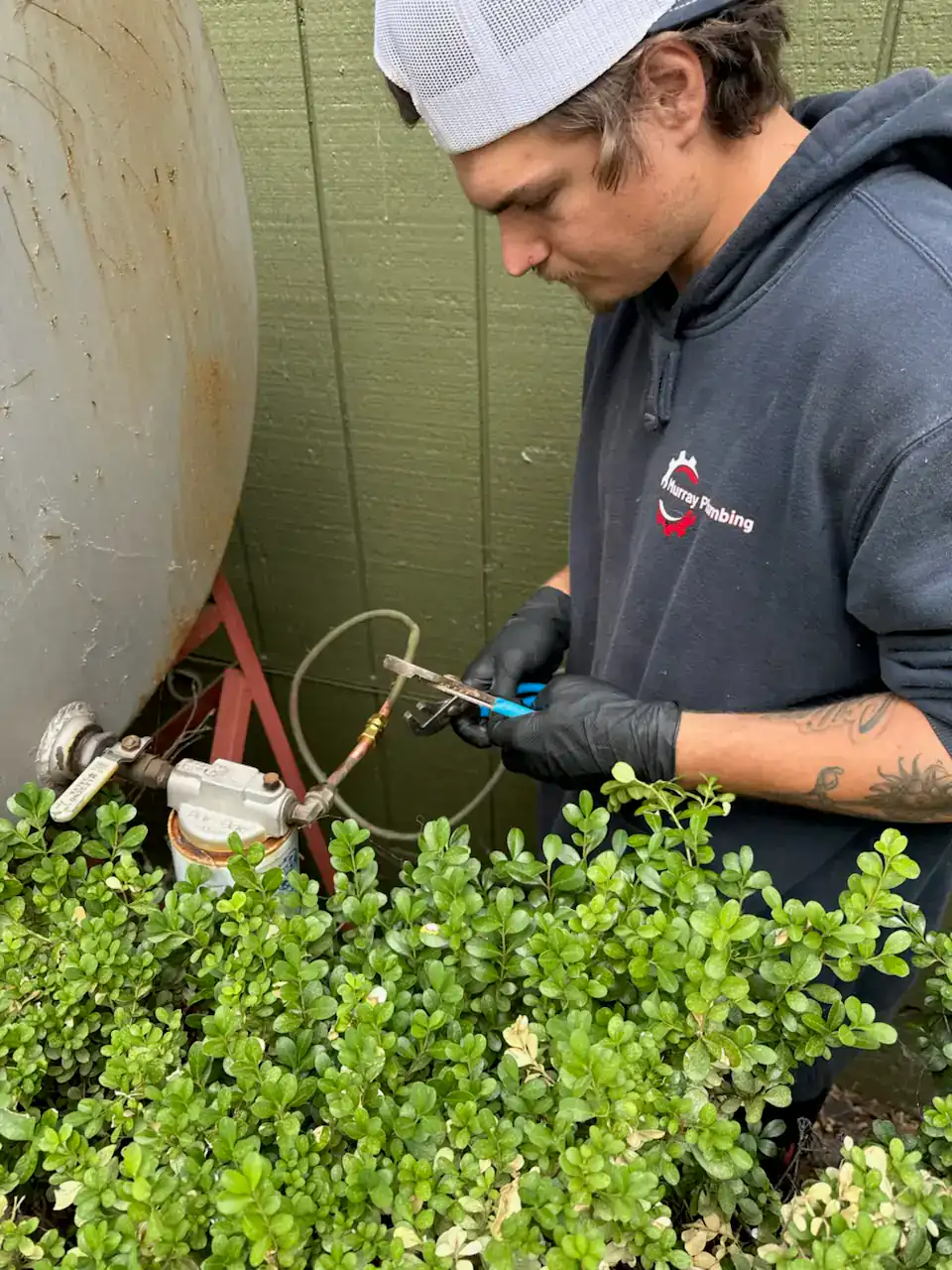
When you call, you talk to someone who can actually help not a call center routing you to whoever’s available. We ask the right questions upfront so we arrive prepared, not guessing. Same-day response is the goal, and for active leaks, it’s the standard.
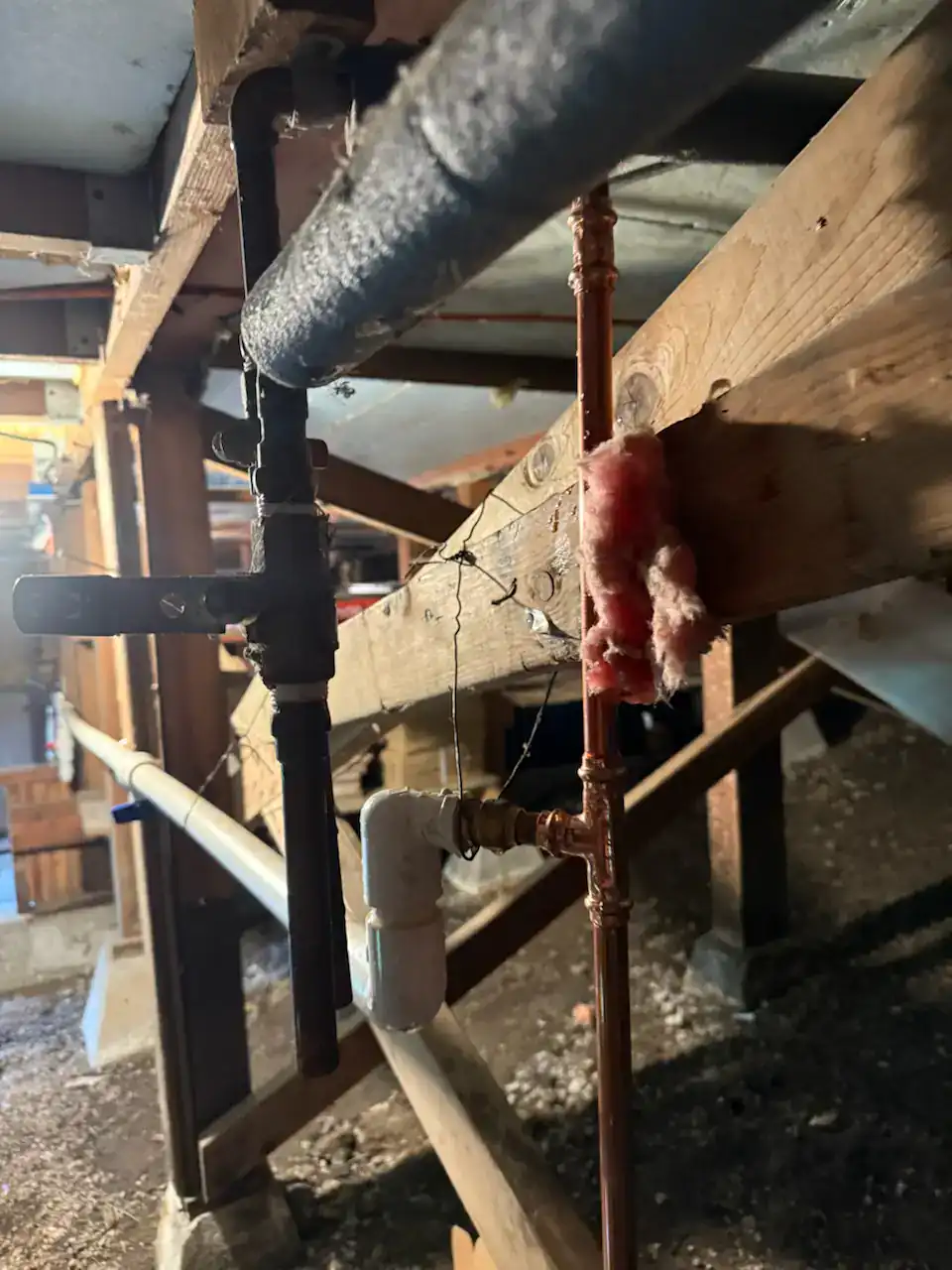
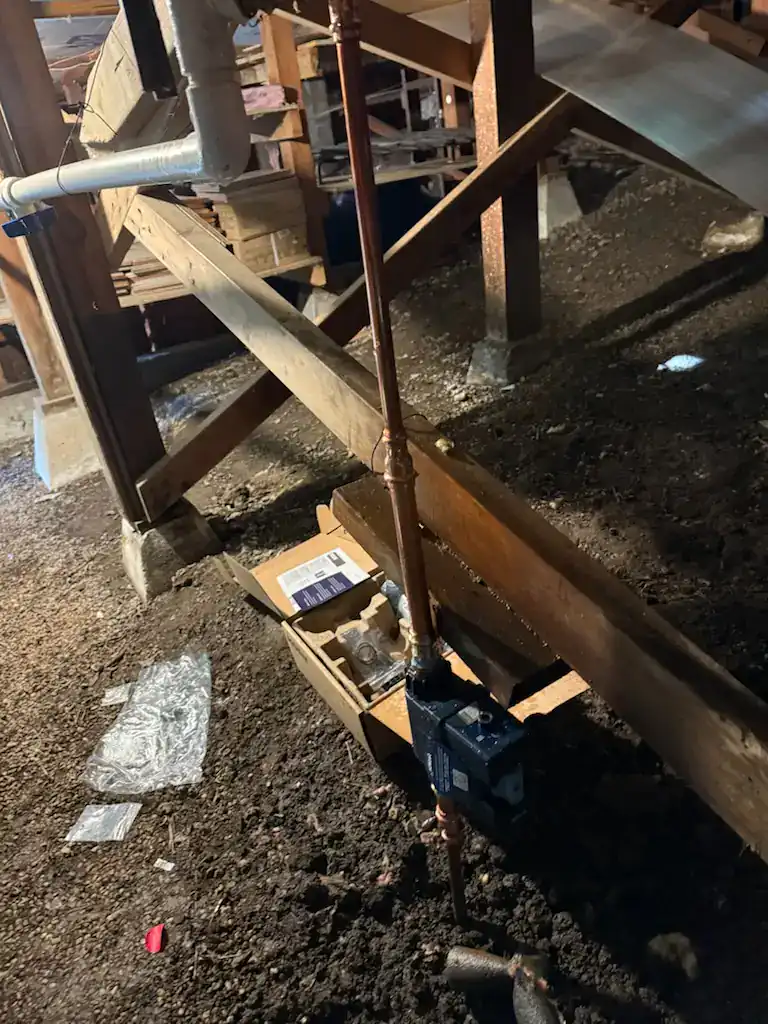
Once we’re on-site, we start with non-invasive detection. Acoustic listening equipment, camera inspection, and thermal imaging go first especially in a neighborhood where opening a wall means potentially disturbing original plaster, historic millwork, or hardwood floors that can’t be easily matched. We don’t recommend tearing anything open until we know exactly where the problem is and why it’s happening. In Boulevard Park specifically, that process often includes checking for root intrusion in sewer laterals, inspecting galvanized supply lines for internal corrosion, and evaluating whether aging pipe joints are the source of a slow hidden leak.
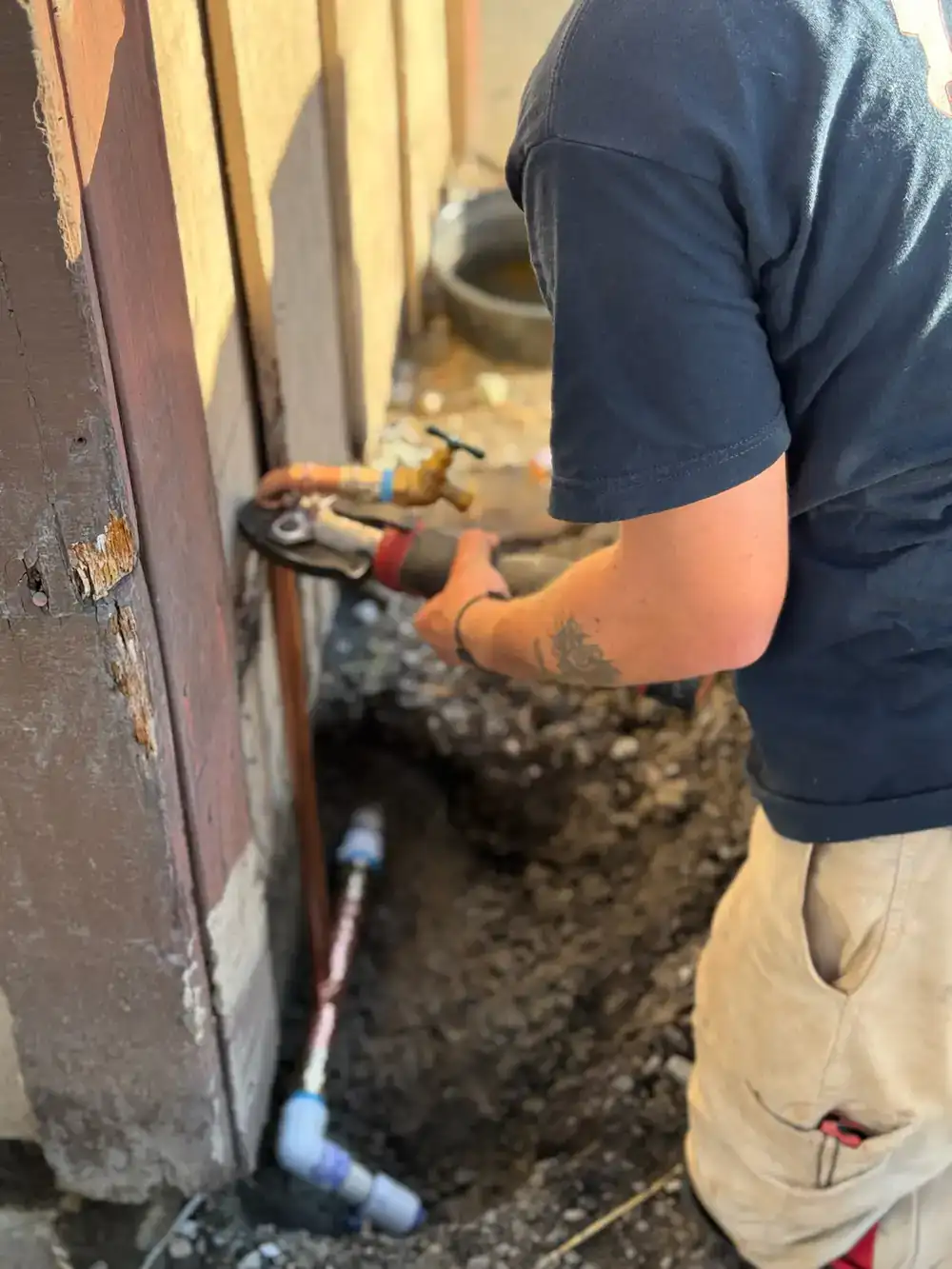
From there, you get a clear price before any work begins. If the job requires a City of Sacramento plumbing permit which is common for supply line replacements, sewer lateral work, or anything involving concealed piping we handle that process. We know the requirements, we pull the permits, and we give you the documentation when the job is done. For property owners in a National Register historic district, that paperwork isn’t just good practice it protects you.
Ready to get started?
Water leak repair in Boulevard Park covers a wider range of scenarios than most neighborhoods, simply because of the age and complexity of the housing stock. Supply line leaks, slab leaks, sewer lateral failures, wall leaks, toilet leaks, underground service line breaks the type of failure depends heavily on what era of plumbing is in the building and what’s been done to it since.
Toilet leaks are one of the most underestimated problems in older homes and multi-unit conversions. A running toilet can waste up to 200 gallons a day without making enough noise to notice. In a building where multiple units share infrastructure, one faulty flapper valve can show up as an unexplained spike on a shared water meter. Wall leaks in plaster-construction homes are particularly damaging because the material holds moisture without obvious visual signs by the time a stain appears, the framing behind it has often been wet for a long time. Underground leaks in Boulevard Park frequently involve clay or cast iron sewer laterals compromised by the root systems of the neighborhood’s mature street trees, particularly along the protected median corridors on 21st and 22nd Streets.
We handle detection and repair across all of these categories. Whether it’s a pinhole leak in a galvanized supply line, a failed joint in a sewer lateral, or water coming through a foundation wall during one of Sacramento’s winter atmospheric river events, the diagnostic process starts the same way methodically, non-invasively, and with a clear answer before any work begins.
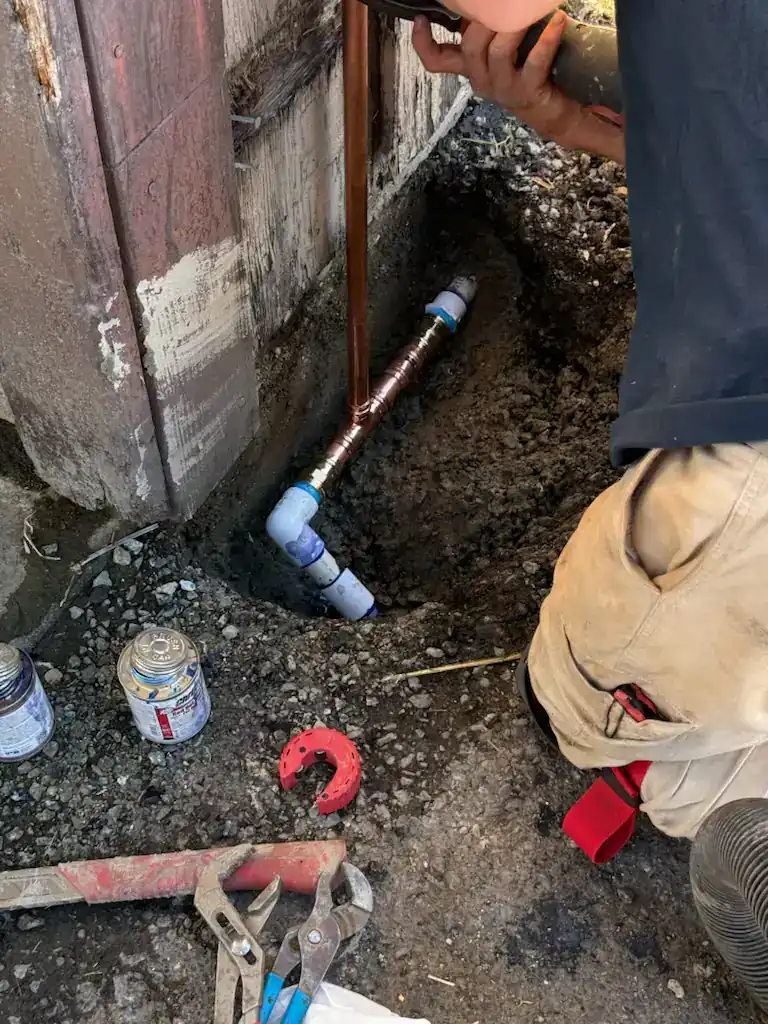
The most reliable early signal is your water bill. If your usage has gone up without an obvious explanation no new appliances, no change in habits there’s a good chance water is going somewhere it shouldn’t be. In Boulevard Park’s older homes, hidden leaks inside plaster walls or under original hardwood floors can run for weeks before showing any visible sign. By the time a stain appears on a ceiling or a floor feels soft underfoot, the damage behind it is usually significant.
Other signs to watch for include the sound of running water when everything is off, a water meter that keeps moving after you’ve shut off all fixtures, or unexplained mold or musty odor in a room that doesn’t have an obvious moisture source. In multi-unit buildings and many of Boulevard Park’s larger Foursquare homes were converted to duplexes or triplexes a shared water meter that spikes without explanation is often the first indicator that something is leaking inside the walls of one of the units.
The most common culprit in pre-1940 homes is galvanized steel pipe. Galvanized pipes corrode from the inside out the zinc coating degrades over time, rust builds up along the interior walls of the pipe, and eventually pinhole leaks develop. By the time those pinholes appear, the pipe has usually been deteriorating for years. Homes in Boulevard Park that haven’t had their supply lines replaced are working with plumbing that is well past its 60-to-70-year design lifespan.
Beyond supply lines, the other major failure point in this era of construction is the sewer lateral the underground pipe that runs from the house to the city main. Original laterals in Boulevard Park were typically clay or cast iron, both of which are brittle, prone to joint failure, and highly susceptible to root intrusion from the mature trees that line the streets throughout the neighborhood. Sacramento’s expansive clay soils also shift seasonally shrinking in the dry summer heat and swelling again during the wet winter months which puts consistent stress on underground pipes and accelerates joint failures over time.
It depends on the scope of the work. Minor repairs replacing a toilet flapper, fixing a supply valve under a sink, patching an accessible joint generally don’t require a permit. But anything that involves replacing a section of supply line, repairing or replacing a sewer lateral, or opening walls or floors to access concealed piping typically does require a City of Sacramento plumbing permit. California state law also requires a licensed C-36 plumbing contractor for any project exceeding $500 in value.
For properties in Boulevard Park specifically, the historic district designation adds a layer of consideration for any exterior work that’s visible from the public right-of-way. Interior plumbing repairs usually don’t trigger historic review, but excavation work near the protected median corridors on 21st and 22nd Streets, or any exterior pipe penetrations visible from the street, may require coordination with the City of Sacramento’s Historic Preservation Office. We’re a licensed C-36 contractor, we know the permitting requirements, and we pull permits when the work requires them so you’re covered and documented when the job is done.
Yes and it’s one of the most common underground plumbing problems in this specific neighborhood. The mature trees lining Boulevard Park’s streets, the grassy medians on 21st and 22nd Streets, and the shared green spaces throughout the neighborhood create an extensive root network underground. Tree roots follow moisture, and aging clay or cast iron sewer laterals with even minor joint gaps are a reliable water source. Over time, roots infiltrate those gaps, expand inside the pipe, and eventually cause partial or full blockages, cracks, or complete joint failures.
The tricky part is that root intrusion often develops slowly and silently. You might notice slow drains or occasional backups long before you realize the lateral itself is compromised. Camera inspection is the only reliable way to see what’s actually happening inside the pipe without excavation. If roots are found early, the lateral can sometimes be cleaned and lined without full replacement. If the damage is more advanced, a targeted repair or full lateral replacement may be necessary but either way, you’ll know exactly what you’re dealing with before any digging starts.
For active leaks, same-day response is the standard. We offer 24/7 emergency service, and when you call, you reach someone who can actually help not an answering service that takes a message and promises a callback window. In a densely developed urban neighborhood like Boulevard Park, where homes sit close together and a burst pipe or a gushing supply line can affect adjacent units or neighboring properties quickly, response time isn’t just about convenience it’s about limiting damage.
In the meantime, knowing where your main water shutoff is located can make a significant difference while you wait. In many of Boulevard Park’s older homes, the shutoff is in the basement, in a crawl space, or at the meter near the street. If you’re not sure where yours is, it’s worth finding out before you need it. When we arrive, we’ll assess the situation, stop the active leak, and give you a clear picture of what needs to happen next with pricing before any repair work begins.
In most cases, yes and the homes in Boulevard Park are a good example of why. A house built between 1905 and 1915 has had over a century of plumbing modifications layered on top of the original system. You might have original galvanized supply lines in one section of the house, copper from a 1970s renovation in another, and a sewer lateral that’s never been touched. If the home was converted to a duplex or triplex at some point which is common in Boulevard Park there may be informal plumbing splits and shared drain connections that weren’t fully documented or permitted at the time.
That complexity means diagnosis requires more care and more experience than a straightforward repair in a 2005 tract home. It also means the repair approach has to account for the building’s historic fabric original hardwood floors, plaster walls, and period millwork that can’t be easily replaced if they’re damaged during access. We use non-invasive detection methods first, so we’re not cutting into anything until we know exactly where the problem is. The goal is always to find the least disruptive repair path that will actually hold not just the fastest one.