
Water Leaks
Get a free quote for water leaks from your local plumbing team.
We’ll contact you about your water leaks request. Privacy policy
Hear from Our Customers
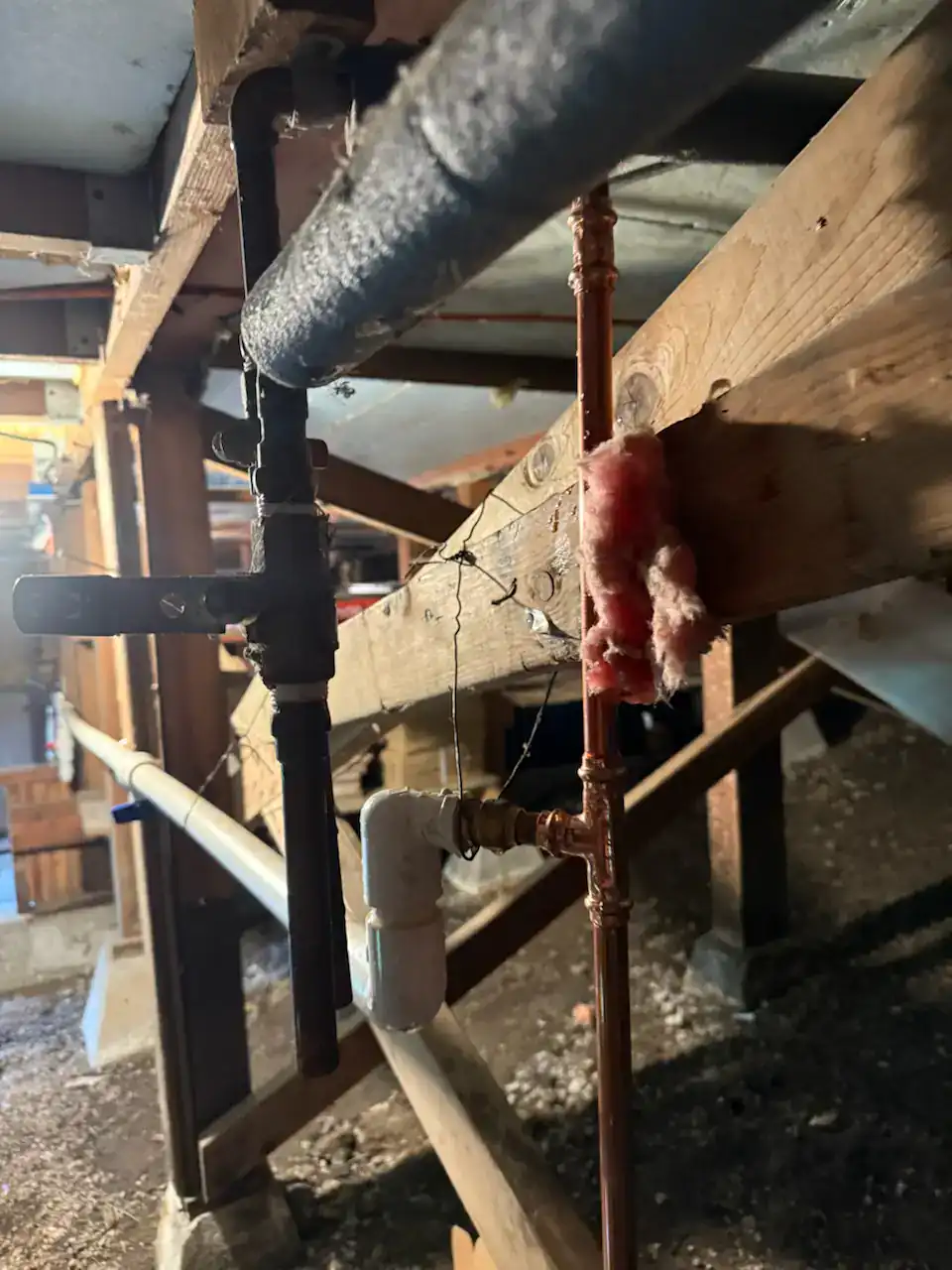
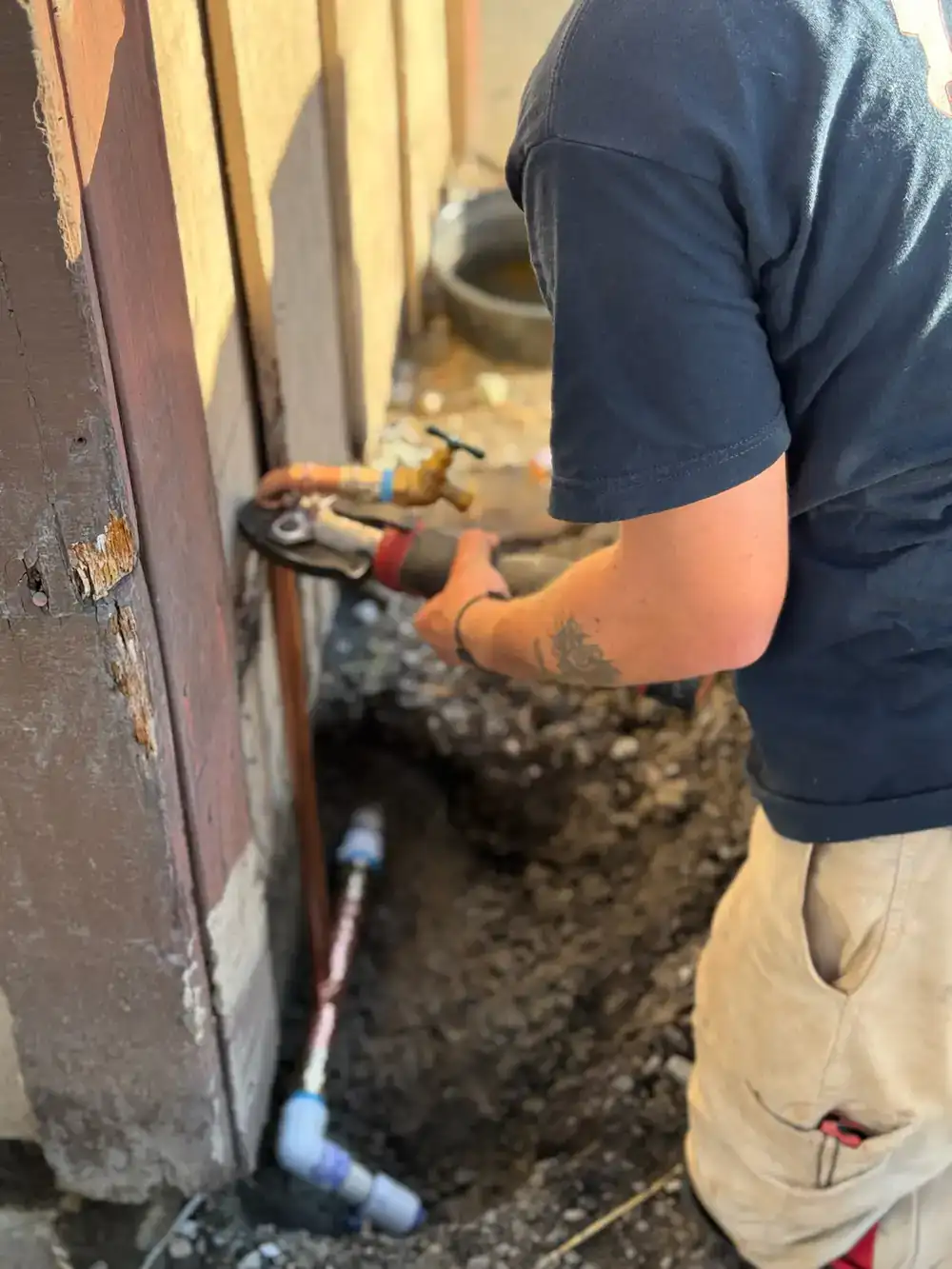
A lot of Citrus Heights homes were built in the 1960s and 1970s ranch-style, slab foundation, original pipes that are now pushing 50 to 60 years old. Galvanized steel has a lifespan. When it runs out, the pipe doesn’t always burst dramatically. It just slowly fails corroding from the inside, losing pressure, seeping into walls or under the concrete you’re standing on. By the time you notice a soft spot in the floor or a water bill that doesn’t make sense, the leak has usually been running for a while.
Getting it repaired properly means your water bill normalizes, your floors stop absorbing moisture, and you’re not creating the conditions for mold to take hold. Mold can start forming within 24 to 48 hours of sustained water exposure and in a sealed slab-foundation home, there’s nowhere for that moisture to go. A real repair stops the cycle before it becomes a remediation project.
There’s also the long-term picture. Citrus Heights is served by the Citrus Heights Water District, which delivers a blended water supply that can be harder on aging pipe materials than most homeowners realize. If your home still has its original plumbing, the combination of pipe age and local water chemistry means this probably won’t be the last issue but fixing it now, correctly, gives you a clear picture of where things stand and what to plan for next.
We’ve been working in Sacramento County for over 24 years, and that means we’ve been inside the ranch homes off Greenback Lane, the older tracts near Auburn Boulevard, and the slab-foundation houses that make up most of Citrus Heights’s residential landscape. We know what original 1960s plumbing looks like, and we know what it does when it starts to go.
We hold a California C-36 Plumbing Contractor license the credential required by state law for any plumbing work over $500. You can verify it directly with the California State License Board before we ever show up at your door. We’re fully insured, and we don’t subcontract the work out to someone else.
What customers consistently say about us and what actually sets us apart is that the final invoice has come in at or below the original estimate. Not always, but often enough that it shows up in reviews, unprompted. In an industry where that almost never happens, it means something. We tell you the price before we start. That’s the standard, and we hold to it.
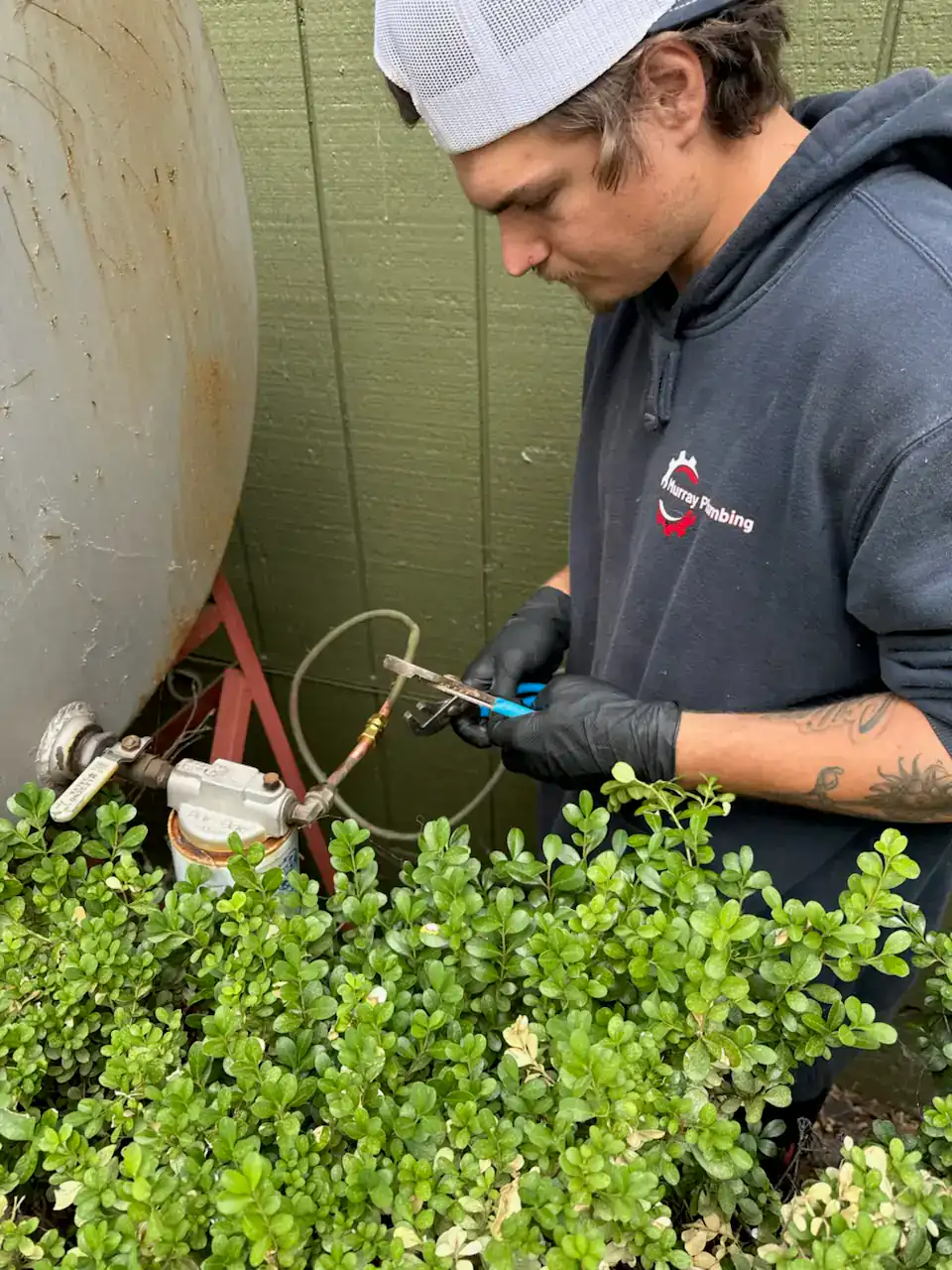
When you call about a water leak in Citrus Heights, the first thing we do is actually listen. Where is the water showing up? What does your water bill look like? Is this a visible leak or something you’re suspecting based on signs a warm spot on the floor, a musty smell, a meter that keeps moving when everything’s shut off? That information shapes how we approach the job before we arrive.
Once we’re on site, we locate the leak. In a slab-foundation home which describes most of Citrus Heights that often means using acoustic detection equipment or pressure testing to find what’s happening under the concrete without unnecessary demolition. Hidden leaks inside walls follow a similar diagnostic process. We find it first, then we talk to you about what we found, what the repair involves, and what it costs. You get a specific number, not a range.
If the work requires a permit which applies to certain repairs involving your water service line or significant slab work we handle that process. California’s licensing requirements exist for a reason, and work done without proper permits can create problems with your homeowner’s insurance and the Citrus Heights Water District. Once the repair is done, we walk you through what was fixed and what, if anything, you should keep an eye on going forward. No disappearing act after the invoice.
Ready to get started?
Water leak repair in Citrus Heights isn’t one-size-fits-all the type of leak, the age of the home, and where it’s located in the plumbing system all affect how it’s handled. We cover the full range of leak-related work, from the straightforward to the ones hiding where you’d least expect them.
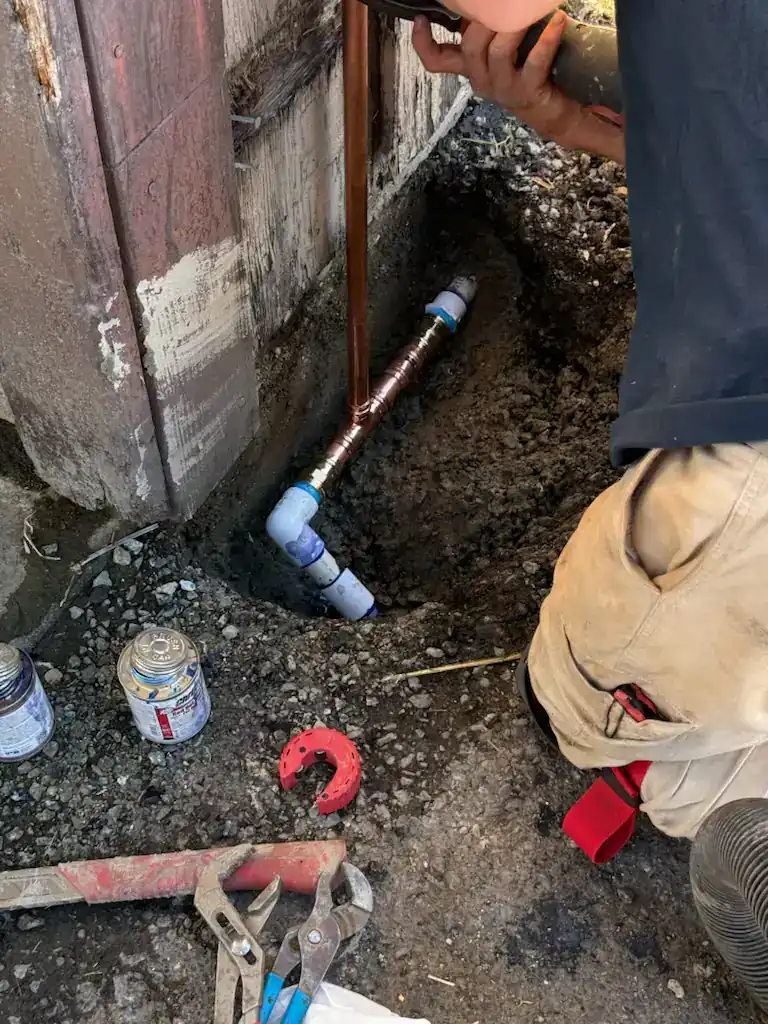
Slab leaks are one of the most common and most destructive issues in this city. When a supply line under a concrete slab fails which happens with age, thermal expansion from Sacramento Valley summers, or soil movement during the wet season the water has nowhere to go except into your foundation. We use non-invasive detection methods first, and we’re direct about what the repair requires before any concrete gets touched. Underground water leak repair along service lines the pipe running from the Citrus Heights Water District meter to your home is another area we handle regularly, particularly in homes where the original line has never been replaced.
Wall leak repair, toilet leak repair, and general plumbing leak repair are also part of what we do. A running toilet might seem minor, but it can waste thousands of gallons a month and in some cases it’s the first visible sign of a larger pressure or supply issue. Whether it’s a pinhole in a copper line, a failed joint in aging galvanized pipe, or a cracked fitting behind a wall, we find it, quote it, and fix it. One call, one crew, no handoffs.
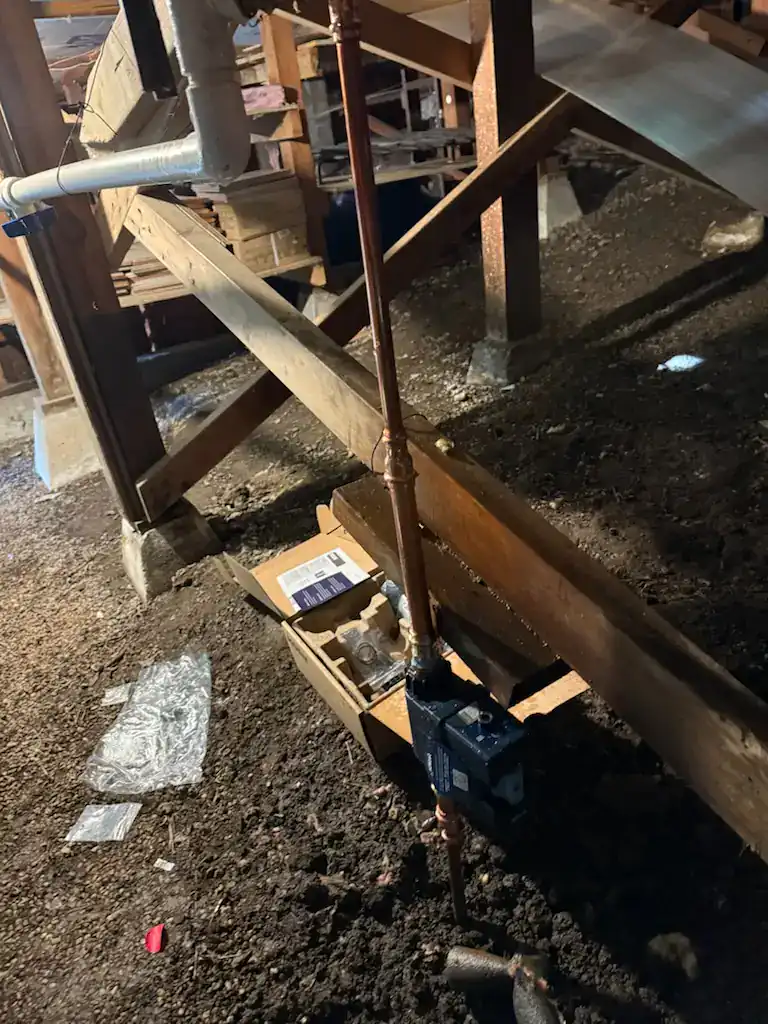
The most reliable early sign is a water bill that’s higher than normal without any obvious change in your usage. If your bill from the Citrus Heights Water District has crept up or jumped suddenly and you can’t explain why, that’s worth investigating. Other signs include warm or soft spots on the floor (common in slab-foundation homes when a hot water line is leaking underneath), a persistent musty smell in a room that doesn’t have obvious moisture, or a water meter that continues to move after you’ve shut off every fixture in the house.
The challenge with Citrus Heights homes specifically is that so many of them are slab construction. There’s no crawl space to visually inspect the pipes run through or under the concrete, which means leaks can go undetected for weeks or months. If you’re seeing any of these signs, don’t wait for it to become obvious. The longer a slab leak runs, the more it costs to repair both the plumbing and whatever the moisture has reached in the meantime.
The most common cause in Citrus Heights is simply pipe age. The majority of the city’s residential housing was built in the 1960s and 1970s, and a lot of those homes still have original galvanized steel pipes. Galvanized pipe has an expected service life of 50 to 70 years which means the oldest homes in Citrus Heights are at or past that threshold right now. As the zinc coating inside the pipe breaks down, the steel corrodes, mineral deposits accumulate, and the pipe eventually fails usually from the inside out, which is why you often don’t see it coming.
The water chemistry in Citrus Heights adds to the issue. The Citrus Heights Water District delivers a blended supply of surface water and groundwater, and the underlying groundwater in the area can be moderately hard conditions that accelerate buildup and corrosion inside aging pipe materials. Summer heat also plays a role: Sacramento Valley temperatures regularly push past 95°F, and the thermal expansion that comes with that puts stress on older joints and fittings that have already been weakened over decades. It’s not one thing it’s the combination of age, water chemistry, and climate working together.
It depends on the type of leak and the cause. In California, most standard homeowner’s insurance policies will cover sudden and accidental water damage a pipe that bursts unexpectedly, for example. What they typically don’t cover is damage resulting from a slow leak that went unaddressed, or from deferred maintenance on pipes that were clearly at the end of their service life. The distinction matters, and insurance adjusters look at it carefully.
Slab leaks are a gray area. Some policies cover the cost of accessing the leak meaning the concrete work required to reach the pipe but not the pipe repair itself. Others cover neither. If you’re dealing with a slab leak in a Citrus Heights home and you’re planning to file a claim, it’s worth calling your insurance company before the repair starts to understand exactly what’s covered. One thing that is clear: if the repair was done without a proper permit or by an unlicensed contractor, most insurers will use that as grounds to deny the claim. That’s one of the practical reasons California’s C-36 licensing requirement exists.
The honest answer is that it depends on where the leak is, what caused it, and what the repair involves. A straightforward toilet leak or exposed pipe repair is a relatively contained job. A slab leak that requires detection equipment, concrete access, and pipe replacement is a more involved project. What we can tell you is that we give you a specific price before any work begins not a range, not a starting-at number, but an actual cost you can say yes or no to.
What’s worth understanding is the cost of not acting. A slow leak under a slab in a Citrus Heights ranch home can erode the soil beneath your foundation, warp flooring, and create conditions for mold all of which are significantly more expensive to address than the original plumbing repair. Water damage is the second most common homeowner’s insurance claim in the country, with average payouts around $15,400. Getting a leak repaired when you first notice the signs is almost always the less expensive path, even when the repair itself feels like an unexpected expense.
We offer 24/7 emergency response, and for active leaks, same-day service is the standard we aim for not a promise we make and then walk back. When you call about a water leak in Citrus Heights, you’re talking to someone who can actually dispatch a technician, not a call center reading from a script. If water is actively running where it shouldn’t be, shut off your main water supply valve first it’s typically located near your water meter and then call us. That one step limits how much damage accumulates while we’re on the way.
Response time matters more than most people realize. A slab leak or burst pipe that runs for several hours can saturate the soil beneath a foundation, push moisture into wall cavities, and create the conditions for mold growth all within the same day. Citrus Heights has a high rate of residents who work from home, which means many people catch these issues earlier than they might otherwise. If you’re home and you notice something off, calling sooner rather than later is always the right move.
For minor repairs fixing a leaking toilet, replacing a section of exposed pipe, repairing a dripping fixture permits are generally not required. But for more significant work, the answer changes. Repairs involving your water service line, work that requires breaking through a concrete slab, or any repiping of a substantial portion of your home’s plumbing system typically require a permit under California building codes and Sacramento County regulations. The Citrus Heights Water District also has requirements for work that touches the connection between their infrastructure and your property.
The reason this matters isn’t bureaucratic it’s practical. Unpermitted plumbing work can create real problems when you sell the home, file an insurance claim, or have a subsequent issue that an inspector traces back to a prior repair. We hold a California C-36 Plumbing Contractor license, which authorizes us to pull permits and perform the full scope of leak repair work legally and correctly. If your repair requires a permit, we handle it. You don’t have to figure out the process on your own, and you don’t have to worry about whether the work was done in a way that protects you down the road.