
Get a free quote for water leaks from your local plumbing team.
We’ll contact you about your water leaks request. Privacy policy
Hear from Our Customers
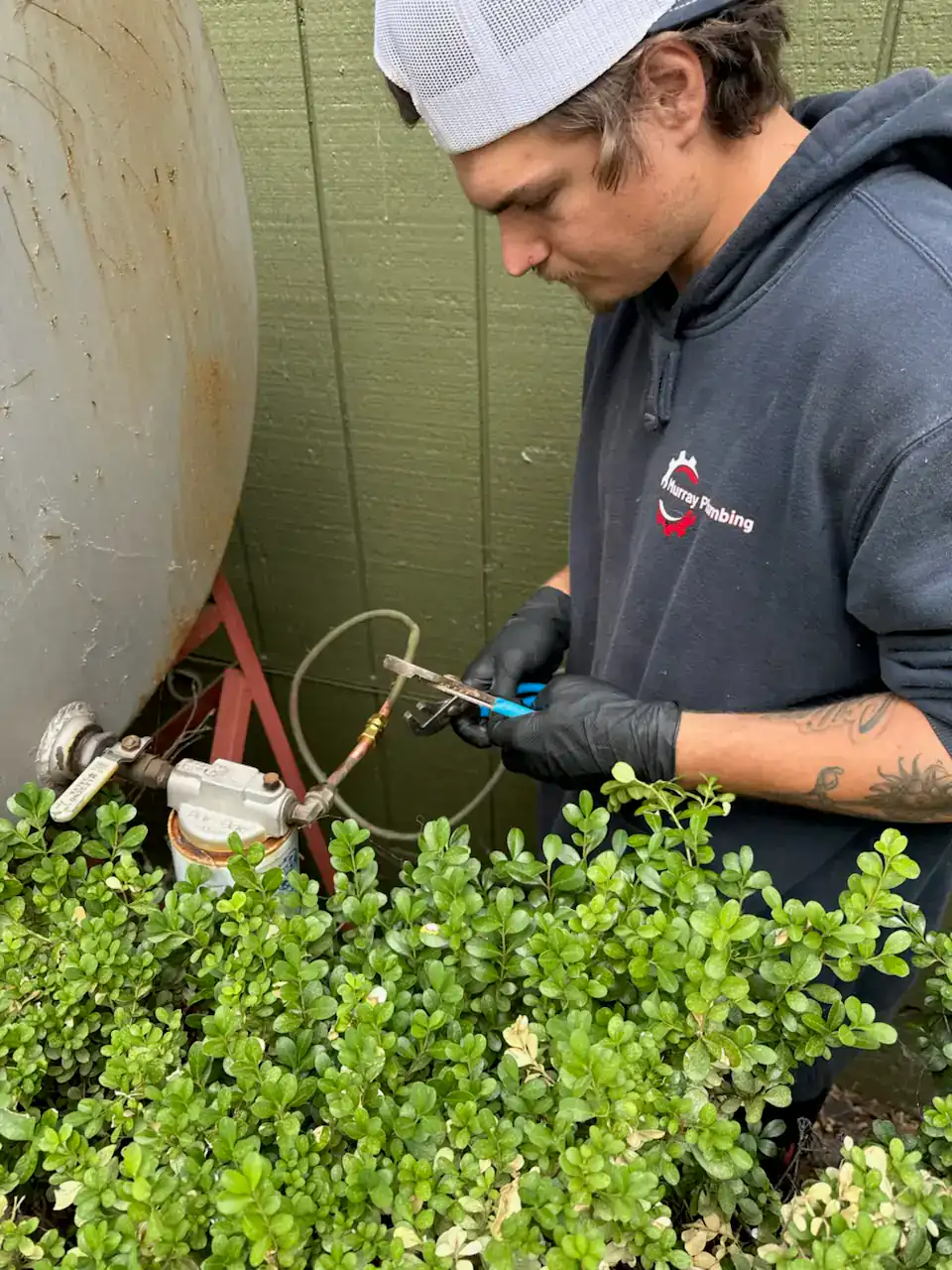
A water leak on a rural Clay property isn’t always obvious. You’re not watching a city water meter tick up you’re noticing pressure that feels off, a pump that cycles more than it should, or a soft patch in the yard that wasn’t there last season. By the time those signs appear, the leak has usually been running long enough to matter.
That’s the part most homeowners don’t account for. The Sacramento Valley’s clay soils the same geology that gives Clay its name swell every winter and pull back every summer. That cycle puts underground pipes under constant stress, and joint failures, service line cracks, and shifting supply lines are a predictable result. Finding the source isn’t guesswork when you know what to look for and have the equipment to look precisely.
Once the leak is located and repaired correctly, you stop losing water, you stop feeding a moisture problem that can turn into mold within 48 hours, and you stop gambling on whether the damage is spreading inside a wall or under your slab. The fix itself is straightforward. Getting to it accurately without tearing up your yard or your floor unnecessarily is where the right plumber makes the real difference.
We’ve been serving Sacramento County for over 24 years, with deep roots in the rural south county corridor Clay, Herald, the communities along the SR-99 corridor near Galt, and properties like yours that sit on private wells, run long underground service lines, and deal with soil conditions that suburban plumbers rarely encounter. When you call, you reach someone who can actually answer your question.
Our Google rating sits at 4.7 out of 5 across 93 verified reviews, and the pattern in those reviews says something specific: customers mention that the final bill came in at or below the original estimate. That’s not an accident it’s how we quote. You get a clear number before any work starts, and that number holds.
We hold a valid California C-36 Plumbing Contractor license, carry full liability insurance, and know Sacramento County’s permitting process because we work through it regularly. For a property in unincorporated Clay, that matters there’s no city building department here, and permitted work done by a licensed contractor is the protection you have when it counts.
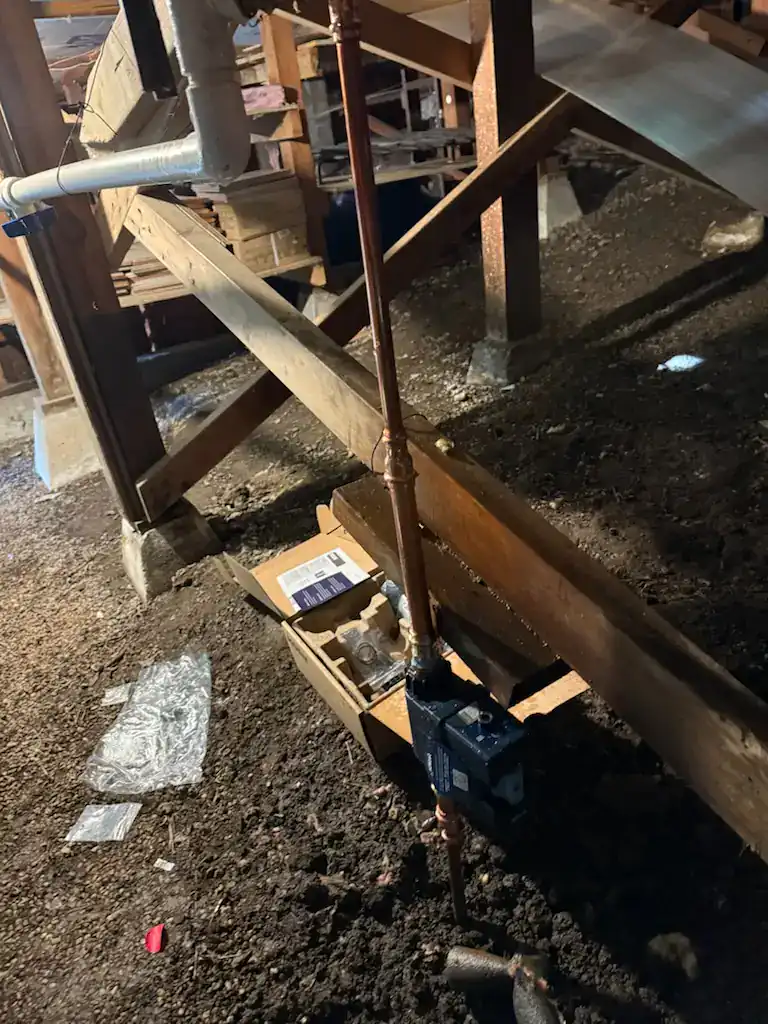
It starts with a call. You describe what you’re seeing or what you’re not seeing but suspect and we give you a real-time read on urgency. If it’s an active leak or something that can’t wait, we move the same day. Clay is rural, but that doesn’t change our response commitment. We’ve been covering this part of Sacramento County for over two decades, and the drive out here is part of the job.
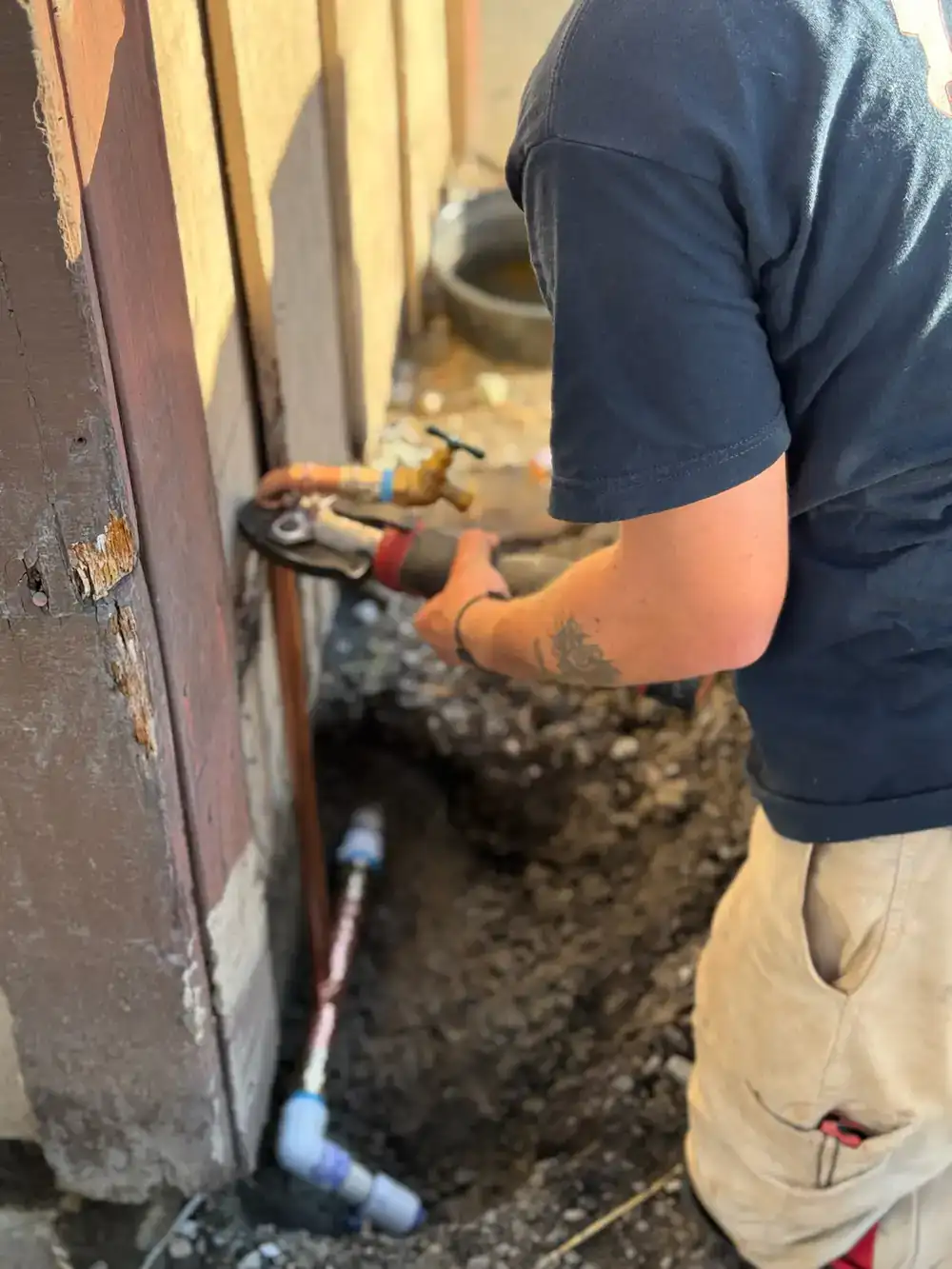
When we arrive, the first step is locating the leak precisely. For underground leaks which are common on rural properties with long supply lines and clay soil that shifts seasonally we use professional detection equipment to identify the source before any digging starts. This protects your landscaping, your driveway, and your budget. A targeted repair is always less expensive than exploratory excavation.
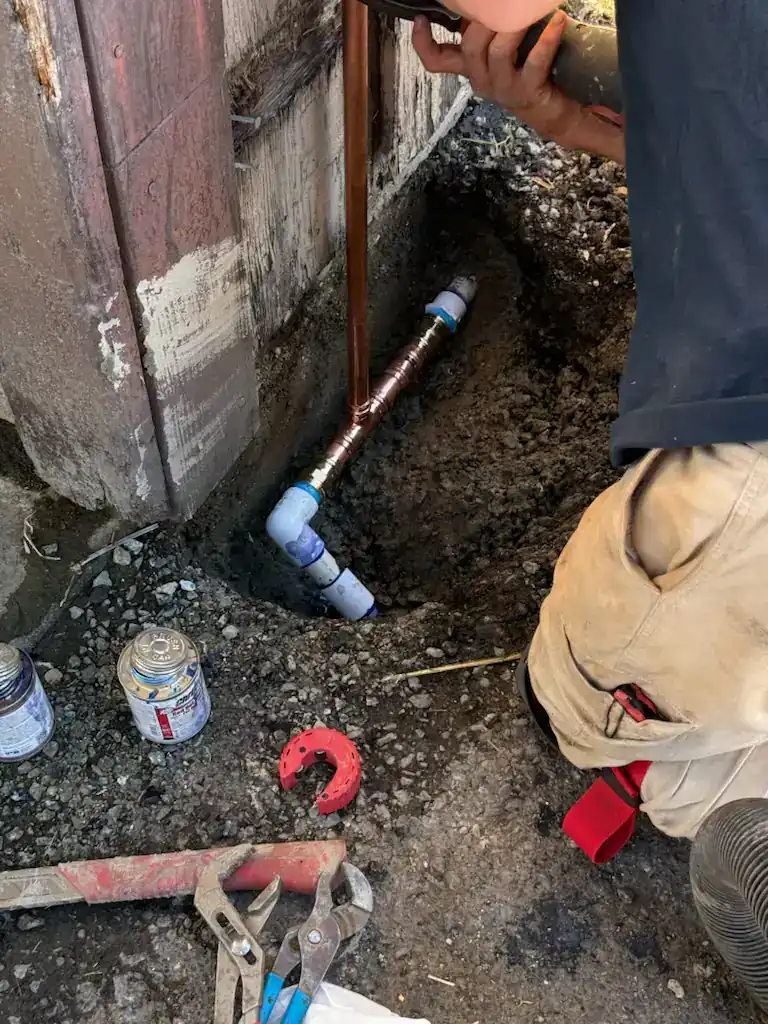
Once the leak is located, we walk you through exactly what the repair involves and give you the price upfront. You decide before we proceed. If the work requires a Sacramento County permit which applies to water line replacements and certain underground repairs in unincorporated areas like Clay we handle that process. After the repair is complete, we test the system, confirm there are no secondary issues, and make sure you understand what was done and why. No loose ends.
Ready to get started?
Water leaks in Clay-area homes tend to fall into a few consistent categories, and most of them trace back to the same root causes: aging infrastructure, soil movement, and the wear that comes from decades of Sacramento Valley summers and wet winters cycling through the same pipes.
Underground supply line leaks are the most common call we get from rural properties in this corridor. Long service runs from a well or meter to the house give soil movement more linear footage to work with, and the valley’s expansive clay soils don’t let up. Slab leaks are another regular issue when the ground shifts beneath a foundation, the pipes embedded in or below that slab move with it, and the resulting cracks can go undetected for months. Inside the home, wall leaks, toilet leaks, and fixture supply line failures are typically easier to spot but just as capable of causing serious damage if they’re ignored or patched temporarily.
We also handle the full range of plumbing leak repair needs that come up on rural Sacramento County properties: pressure-side failures on well systems, irrigation line leaks, and older galvanized or cast iron lines that have reached the end of their service life. If a full or partial repipe makes more sense than another repair on aging pipe, we’ll tell you that directly with the numbers to back it up rather than put a short-term fix on a long-term problem.
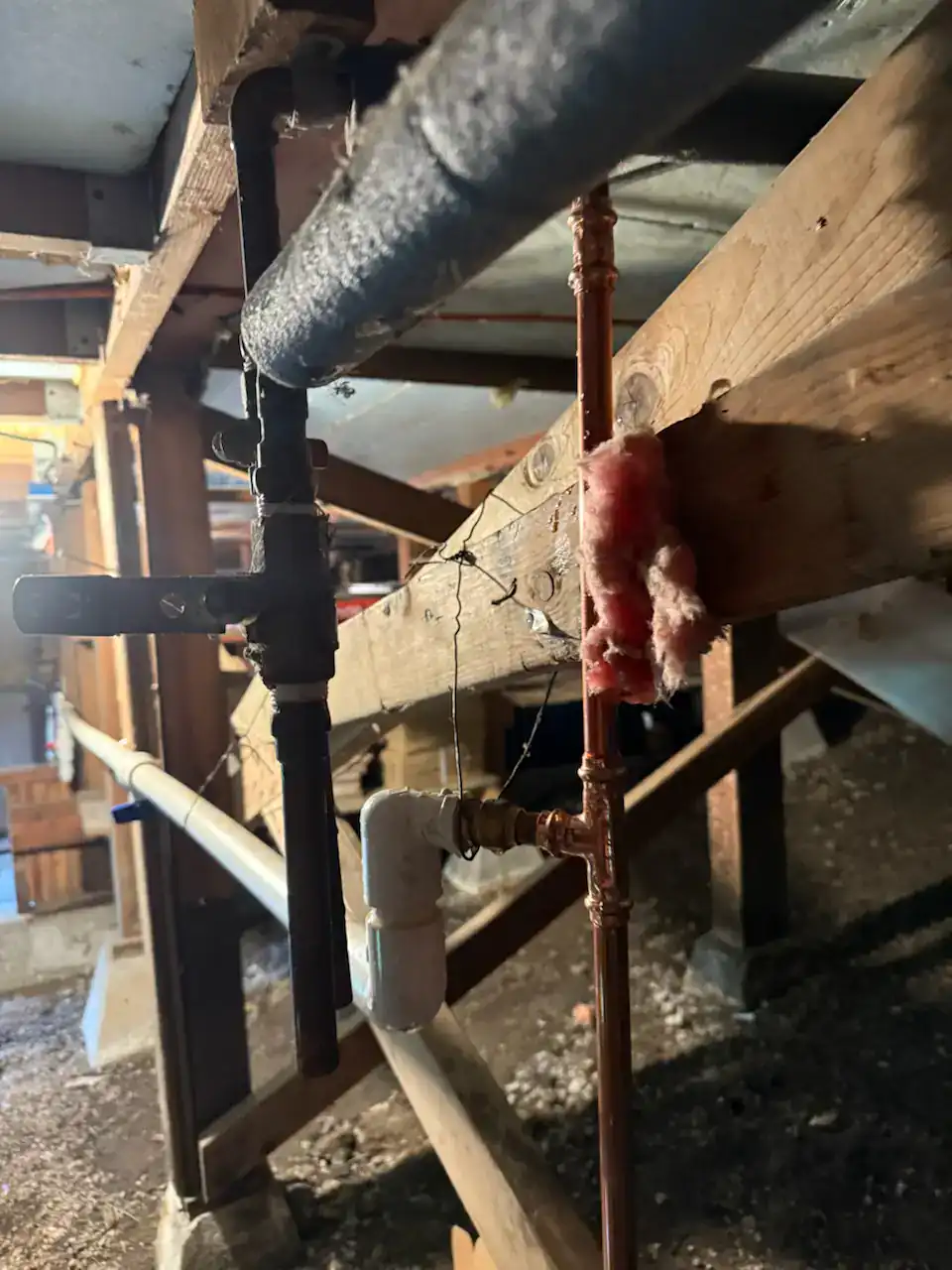
On a well-fed property, you won’t see a city water bill spike the way you would on a metered municipal system. Instead, the signs tend to be subtler: your well pump is cycling more frequently than usual, your water pressure has dropped noticeably, or you’re finding wet or unusually soft ground in the yard without a clear explanation. Some homeowners also notice the pump running at odd hours or for longer stretches than it used to.
These are all indicators that water is leaving the system somewhere between the pump and the house or along the service line itself. Because rural Clay properties often have longer underground runs than suburban homes, there’s more pipe exposed to the soil movement that the Sacramento Valley’s clay geology creates year after year. The longer that leak runs undetected, the more soil erosion, foundation moisture, and pump wear accumulates. If anything on that list sounds familiar, it’s worth having the line checked before the problem compounds further.
Slab leaks are more common in Sacramento Valley homes than most homeowners realize, and the clay soil conditions in south Sacramento County particularly around Clay are a direct reason why. When the ground beneath a slab swells in winter and contracts in summer, the foundation moves and the pipes embedded in or running beneath that slab move with it. Over time, that movement causes small cracks or joint separations that allow water to seep out slowly and quietly.
What you typically notice first is a warm or damp spot on the floor, a section of flooring that feels soft or buckled, or a persistent sound of running water when everything in the house is turned off. Some homeowners notice their water heater running constantly, which can indicate a hot-side slab leak. Left alone, a slab leak saturates the subfloor, feeds mold growth, and can compromise the structural integrity of the slab itself. The repair approach depends on where the leak is and how accessible the pipe is we’ll assess it and give you the options clearly before any work begins.
It depends on the scope of the work. Minor repairs replacing a fixture, fixing a supply stop valve, patching a small section of accessible pipe typically don’t require a permit. But more significant work does: replacing a water service line, repairing or replacing underground plumbing, or any work that involves opening walls or floors to access buried pipe generally falls under Sacramento County’s permitting requirements.
Because Clay is an unincorporated community, there’s no city building department involved. All permits are issued through Sacramento County’s Building Inspection Division. This is worth paying attention to, because unpermitted plumbing work can create real problems when you go to sell the property or file an insurance claim. We pull the correct permits for every job that requires one and are fully familiar with Sacramento County’s process. You don’t have to manage that piece we handle it as part of the job.
We offer genuine 24/7 emergency response not a voicemail box that someone checks in the morning. When you call about an active leak, you reach a real person who can assess the situation and get someone moving. For Clay specifically, we understand that rural south Sacramento County properties aren’t always the first stop on a suburban dispatch route, which is why our response commitment is built around actually showing up, not just being technically available.
For active leaks a burst pipe, a supply line failure, water visibly entering the home same-day response is the standard, not the exception. The faster a leak is stopped, the less water damage accumulates. Mold can begin developing within 24 to 48 hours of water exposure, and water damage that might cost a few hundred dollars to repair on day one can reach thousands by the end of the week. If you’re seeing active water loss, don’t wait to see if it resolves on its own. It won’t.
If you’re on a private well, you’re not receiving a metered water bill the way a city customer would so a rising utility cost usually points to your electricity bill, not a water statement. Well pumps run on electricity, and a pump that’s working overtime to compensate for a leak somewhere in the system will drive up your power usage noticeably. If your electric bill has been climbing without an obvious explanation, an underground or supply line leak is one of the first things worth ruling out.
Beyond the cost, a pump that runs continuously or cycles too frequently is under more mechanical stress than it’s designed to handle. That accelerates wear on the pump itself, which is a separate and often expensive repair. The underlying leak is the root problem fixing it protects both your plumbing system and your pump. If you’re noticing higher electricity costs, reduced pressure, or a pump that seems to run longer than it used to, a leak inspection on the supply side is a reasonable first step.
In the older housing stock around Clay and Herald in Sacramento County, the most consistent culprit is aging pipe material. Many homes built in earlier decades were plumbed with galvanized steel, which corrodes from the inside out over time. As the interior of the pipe corrodes, it restricts flow, builds up scale, and eventually develops pinhole leaks or full-section failures. Cast iron drain lines are similarly prone to cracking and root intrusion as they age, particularly on larger rural lots with mature trees whose roots follow moisture toward the pipe.
The Sacramento Valley’s seasonal soil movement accelerates this process. A pipe that’s already weakened by corrosion doesn’t handle the annual swell-and-shrink cycle well what might have held for another few years in stable soil fails faster here. If your home is more than 30 to 40 years old and you haven’t had the plumbing assessed, it’s worth knowing what you’re working with before a failure forces the decision. We can tell you honestly whether a targeted repair makes sense or whether the pipe has reached the point where a section replacement is the smarter investment.