
Get a free quote for water leaks from your local plumbing team.
We’ll contact you about your water leaks request. Privacy policy
Hear from Our Customers
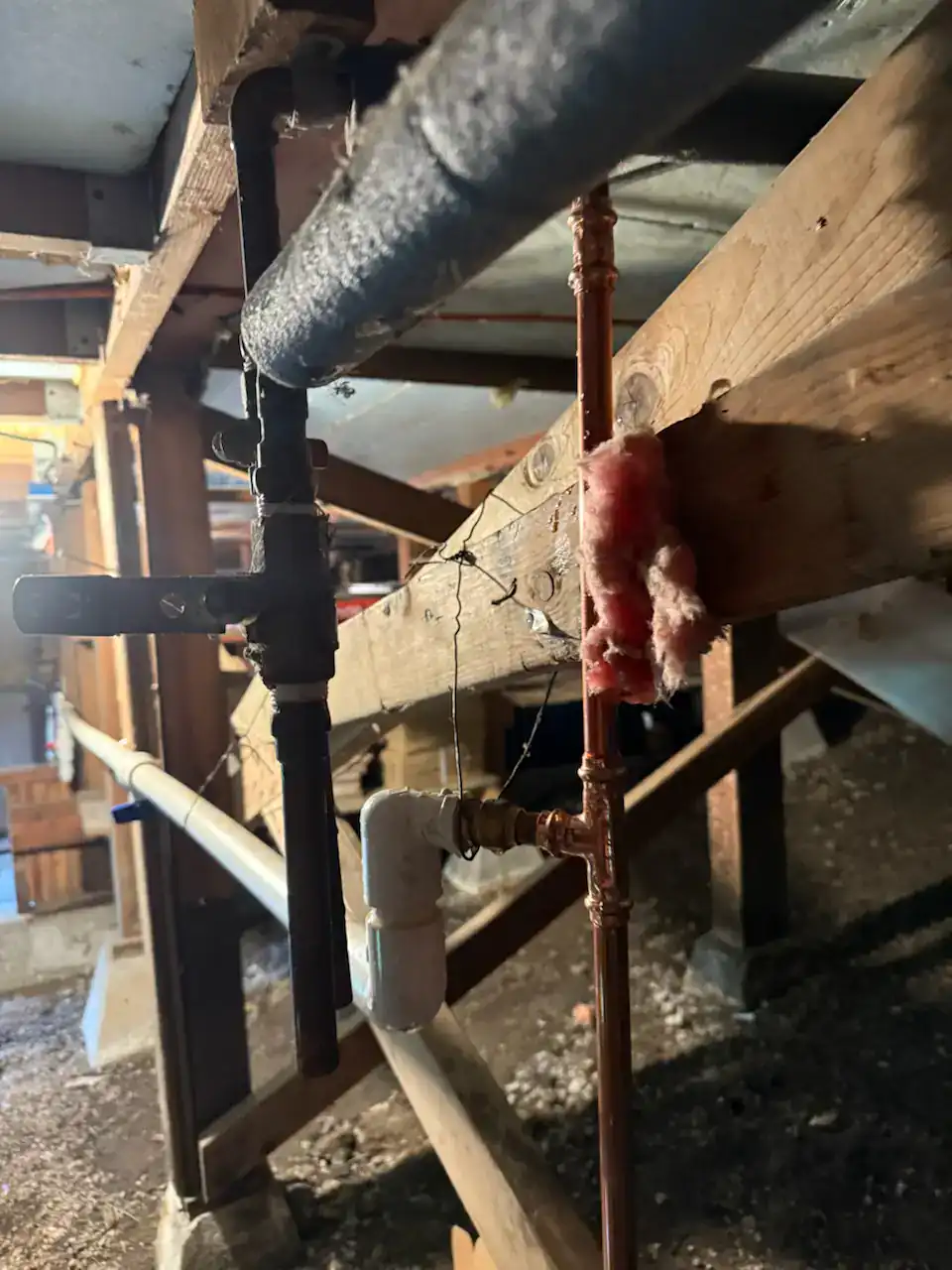
The most expensive water leak in an East Sacramento home isn’t the one you can see it’s the one sitting behind a plaster wall or slowly migrating beneath a concrete slab while your water bill quietly climbs. By the time it’s obvious, you’re not dealing with a plumbing repair anymore. You’re dealing with mold remediation, structural damage, and a restoration bill that can push well past $15,000.
When the leak is found and fixed correctly, the water bill drops, the wet smell disappears, and you stop wondering what’s going on inside those walls. For homeowners in the Fab Forties and surrounding streets where original hardwood floors and historic finishes are part of what makes the home worth what it’s worth that peace of mind has real dollar value attached to it.
East Sacramento’s clay soil doesn’t help. It swells during the wet season and shrinks every summer, and that constant movement stresses underground lines and slab foundations year after year. Homes in this neighborhood face a specific set of plumbing risks that newer suburban builds simply don’t aging galvanized supply lines, brittle clay tile drains, and tree roots from decades-old oaks and elms finding their way into every vulnerable joint. Getting ahead of those problems, rather than reacting to them, is what separates a manageable repair from a major renovation.
We’ve been serving Sacramento County for over 24 years, with deep roots in East Sacramento and the surrounding neighborhoods. That’s long enough to know what’s behind the walls of a 1930s Craftsman near McKinley Park, what galvanized pipes look like when they’ve finally given out, and why a slow drain in a Fab Forties Tudor Revival is rarely just a slow drain.
With a 4.7 out of 5 Google rating backed by 93 verified reviews, the track record speaks for itself. Customers mention things like same-day arrivals, technicians who actually explain what they found, and final invoices that came in at or below the original estimate. That last one matters more than it sounds it means the number you’re given before work starts is the number you pay when it’s done.
This isn’t a franchise operation where someone gets dispatched from a queue. When you call us, a real person picks up, and a qualified technician who knows East Sacramento’s housing stock shows up to do the work.
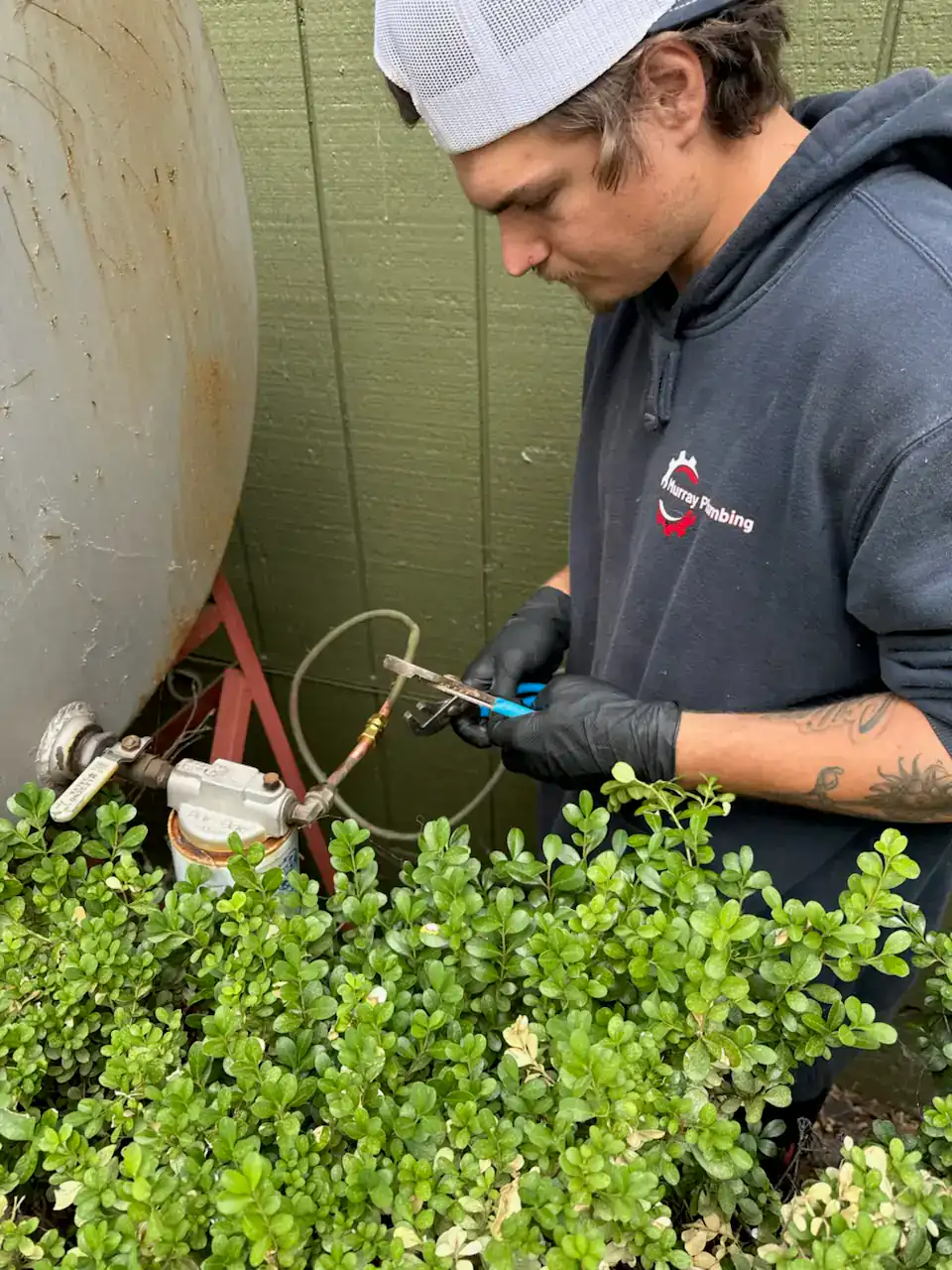
It starts with a call and an actual person answering it. From there, a technician gets to your home, typically the same day. Before anything else happens, the goal is to find the leak precisely, not approximately. In East Sacramento’s older homes, that means using acoustic detection equipment, thermal imaging, and pressure testing to pinpoint the source before a single wall gets opened or a slab gets touched. Your original floors and plaster aren’t collateral damage in this process they’re something worth protecting.
Once the leak is located, you get a clear explanation of what was found and a complete cost estimate before any repair work begins. No vague ranges, no “we’ll know more once we open it up.” You know what it costs, you decide whether to move forward, and the work gets done.
For underground line repairs or significant slab work in the City of Sacramento, permits are part of the process and we handle that coordination, not you. East Sacramento sits within Sacramento County jurisdiction, and any plumbing repair over $500 requires a valid California C-36 license. We carry that license, and it’s verifiable. After the repair is complete, the work is checked, the area is cleaned up, and you’re not left wondering if it was done right.
Ready to get started?
Water leak repair in East Sacramento isn’t a one-size-fits-all job. The homes here many of them built in the 1920s through 1940s along the numbered streets between J Street and Folsom Boulevard come with plumbing infrastructure that reflects their age. Galvanized steel supply lines that were designed to last 40 to 70 years are now pushing 80 to 100. Clay tile drain lines that were standard in pre-war construction crack under the same seasonal soil movement that’s been working on them for decades. These aren’t edge cases in this neighborhood they’re common conditions.
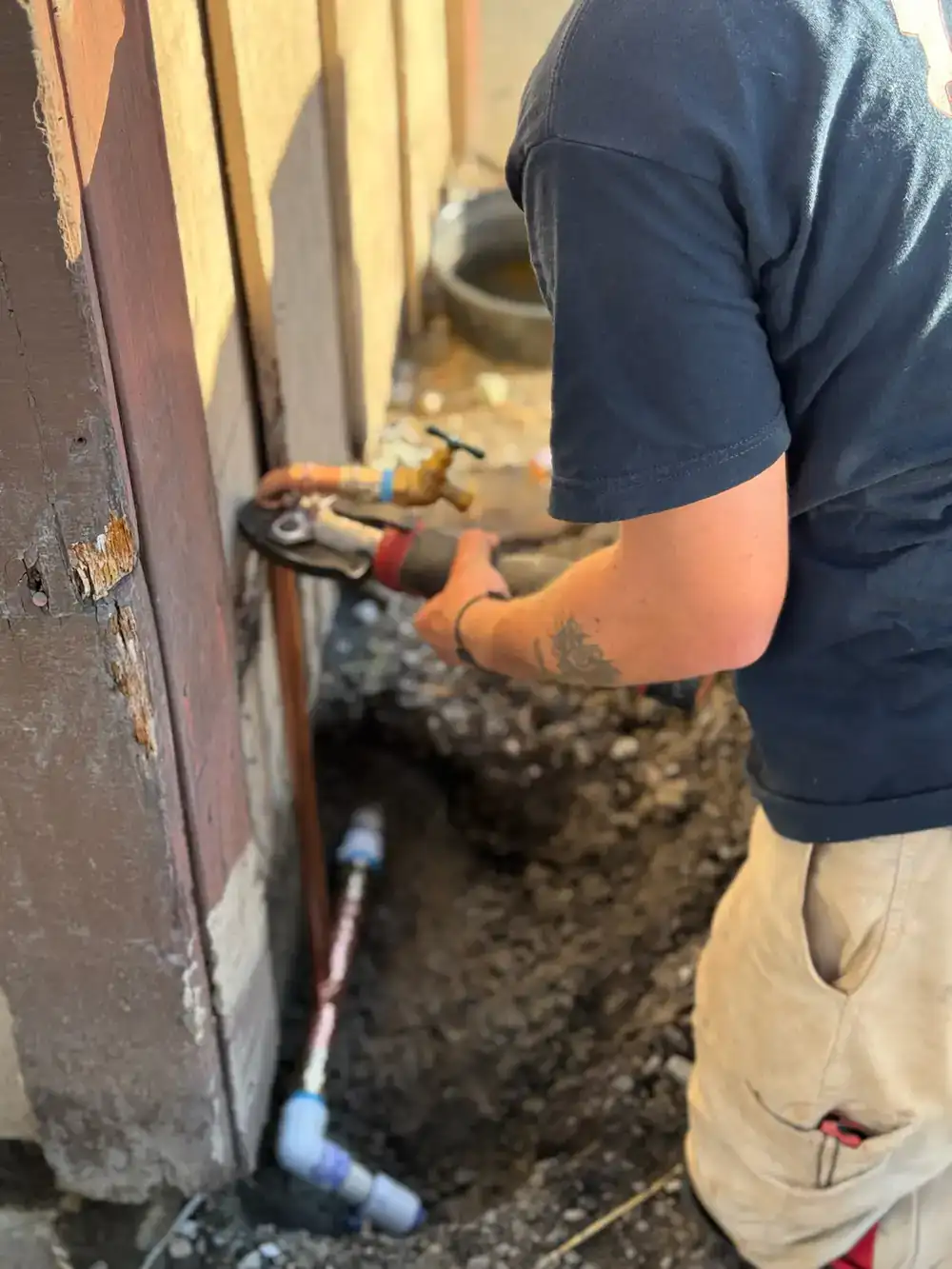
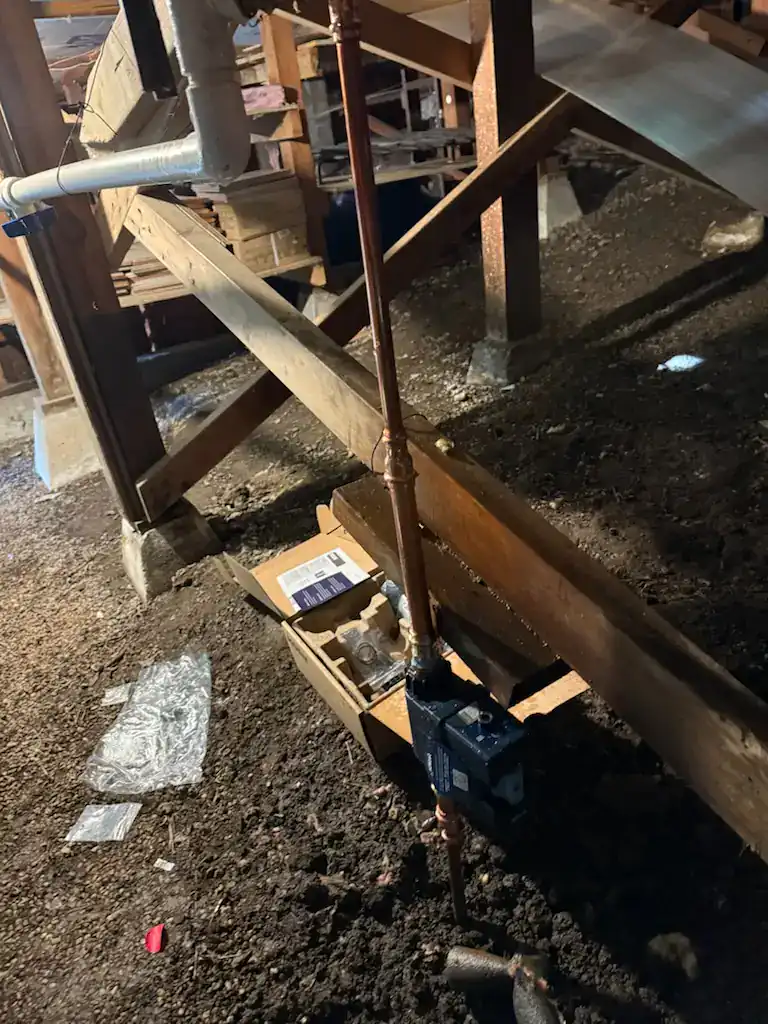
We handle the full range of water leak repairs that East Sacramento homeowners actually face: wall leaks, toilet leaks, underground water line failures, slab leaks, and drain line issues caused by root intrusion from the mature trees that line nearly every block. Detection comes first, using non-invasive methods that protect your home’s finishes. Repair follows with materials and methods appropriate for the age and condition of your specific system not whatever’s fastest or cheapest to install.
If your home is showing signs of a hidden leak unexplained spikes in your water bill, soft spots in the floor, a persistent damp smell, or low pressure that wasn’t there before those are worth taking seriously in a neighborhood where the average home value sits above $700,000 and the plumbing beneath it hasn’t been young for a long time.
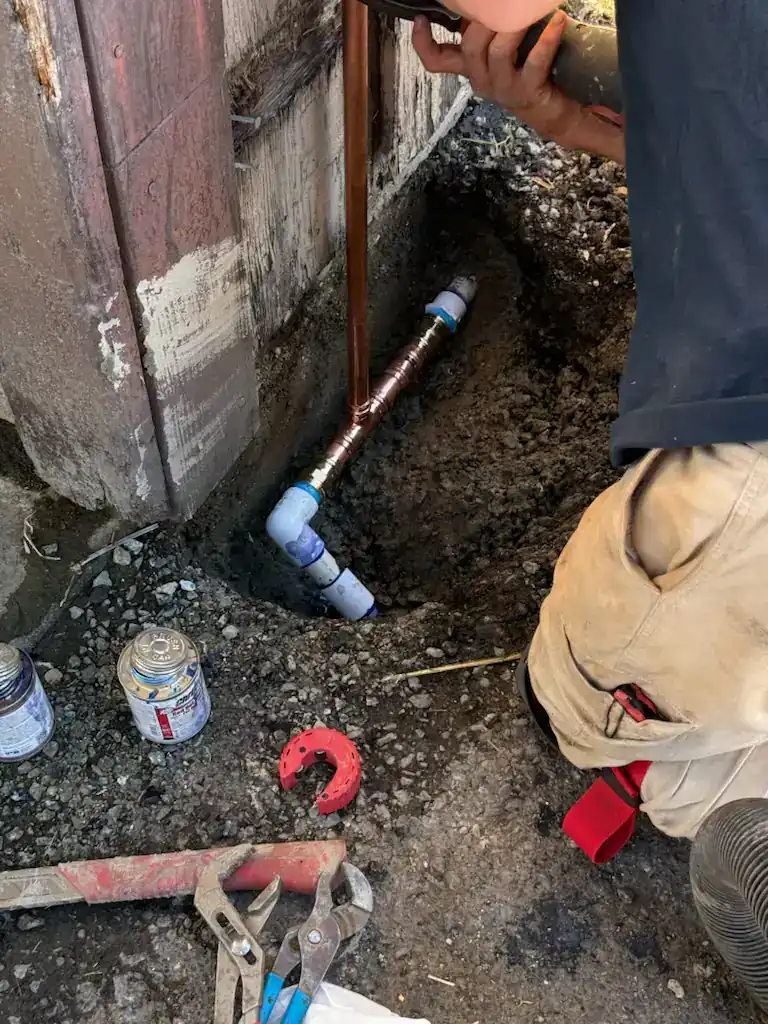
The most reliable early indicator is your water bill. If it’s climbing without any change in your usage habits, there’s a good chance water is going somewhere it shouldn’t. Other signs include soft or warped spots in hardwood floors, a musty or damp smell in rooms that should be dry, low water pressure that developed gradually, or the sound of running water when nothing is turned on.
In East Sacramento specifically, these symptoms carry extra weight because of the age of the housing stock. Homes built in the 1920s through 1940s a significant portion of the neighborhood have plumbing systems that are well past their designed lifespan. Galvanized pipes corrode from the inside out over decades, and the failure often starts as a pinhole leak long before it becomes a visible problem. If you’re noticing any of these signs, getting a proper leak detection done sooner rather than later is almost always the cheaper path.
Slab leaks happen when a water line running beneath your home’s concrete foundation develops a breach. In East Sacramento, the primary driver is the area’s expansive clay soil. That soil absorbs water during Sacramento’s wet season roughly November through April and then contracts significantly during the long, hot summer. That cycle repeats every year, and over time it puts real mechanical stress on pipes embedded in or beneath the slab.
They’re serious. A slab leak that goes undetected can erode the soil beneath your foundation, cause concrete to crack, warp flooring from below, and create the kind of sustained moisture environment where mold establishes itself quickly. The average water damage insurance claim runs around $15,400, but slab leak repairs in older homes with historic finishes can push well beyond that figure. Catching it early when it’s still a plumbing repair rather than a structural one makes a significant difference in both cost and disruption.
The cost depends heavily on where the leak is and what’s causing it. A straightforward toilet leak or visible supply line repair is on the lower end of the range. Underground line repairs, slab leak remediation, or a repiping job in a pre-war home are more involved and priced accordingly. What we commit to is giving you the full cost before any work begins not an estimate that expands once the job is underway.
In East Sacramento, older pipe materials add a layer of complexity that affects pricing. Galvanized steel and clay tile systems require different repair approaches than modern copper or PVC, and working carefully around original hardwood floors, plaster walls, or historic tile takes more time and skill than a standard repair in a newer build. That said, the cost of a proper repair done now is almost always a fraction of what water damage remediation costs if the leak is left to run. Getting an accurate diagnosis first is the right starting point and that’s exactly what the process here looks like.
Yes, and it’s one of the more common issues in this neighborhood. East Sacramento’s mature tree canopy the large oaks, elms, and other established trees that line the streets and fill the yards has root systems that extend well beyond what’s visible above ground. Those roots follow moisture, and aging clay tile or cast iron drain lines are exactly the kind of target they find. Roots infiltrate pipe joints, grow inside the line, and eventually cause partial or full blockages. Left long enough, they crack the pipe itself.
The issue tends to be gradual, which is why it often goes unnoticed until there’s a slow drain, a sewage smell, or a full backup. A camera inspection of the drain line is the most direct way to know what’s actually happening underground. If root intrusion is caught early, it can often be addressed without full excavation. If it’s been progressing for years which is common in homes that haven’t had their lines inspected recently the repair scope is larger.
It depends on the type of leak and the cause. Most standard homeowners insurance policies cover sudden and accidental water damage a pipe that bursts unexpectedly, for example. What they typically don’t cover is damage that resulted from a slow, ongoing leak that went unaddressed, or from wear and tear on aging pipes. The distinction matters, and it’s one insurers look at closely when a claim comes in.
In East Sacramento, where a large share of homes have plumbing systems that are 70 to 100 years old, insurers may also scrutinize the condition of the pipes themselves. Having documentation that you acted quickly when a problem appeared and that the repair was done by a licensed contractor strengthens your position significantly. California requires a valid C-36 plumbing license for any job over $500, and permitted work creates a paper trail that supports both your claim and your home’s resale history. If you’re unsure about your specific coverage, your insurance agent is the right call but getting the leak fixed promptly and correctly is the part you control.
Not always, but it’s the first thing worth ruling out. The EPA estimates that the average home loses around 10,000 gallons of water per year to leaks and a lot of that goes unnoticed because the leak is somewhere out of sight. A running toilet, a dripping outdoor hose bib, or a slow underground line failure can all show up as a billing spike before you ever see a drop of water.
In East Sacramento, seasonal timing is worth paying attention to. The transition from the wet season into summer when the clay soil starts its dry-season contraction is when underground leaks and slab issues most commonly become symptomatic. If your bill jumped between spring and summer and nothing changed in your household routine, that timing is meaningful. Sacramento’s water utility bills by usage, so even a small continuous leak adds up fast over a monthly billing cycle. A pressure test and basic leak check can usually confirm or rule out a plumbing issue within a single visit, and it’s a straightforward starting point before assuming the worst.