
Hear from Our Customers
Most Latrobe homeowners don’t find out they have a leak from a water bill. They find out when there’s a soft spot in the floor, a wet patch in the yard that shouldn’t be there, or a well pump that won’t stop cycling. By the time it’s visible, the damage has usually been building for a while and that’s the part that costs you.
When you’re on a private well and sitting on five or ten acres off Latrobe Road, a slow underground leak can saturate a large stretch of soil before anyone notices. There’s no meter alert, no utility call. That’s why the detection side of this matters just as much as the repair finding exactly where the water is coming from, whether it’s a wall, a service line, a pressure tank connection, or something buried under the property.
Once the source is located and the repair is done right, you get your water system back without the guesswork. No more watching the pump, no more soft ground, no more wondering if the smell in the crawl space is getting worse. For properties in El Dorado County’s foothill corridor where plumbing systems are often older, custom-built, and more complex than anything in a suburban tract getting a complete diagnosis the first time is what actually solves the problem.
We’ve been serving El Dorado, Sacramento, and Placer Counties for over 24 years. That means our technicians have worked on the kind of properties that exist out here: acreage parcels, private wells, aging infrastructure, outbuildings with their own water lines, and plumbing systems that don’t look anything like a standard suburban setup.
Latrobe isn’t El Dorado Hills. The properties are different, the systems are different, and the problems show up differently. A plumber who only knows tract homes and city water isn’t going to be much help when your issue is somewhere along a long underground service line on a horse property or vineyard parcel. Our 4.7 out of 5 rating across 93 verified Google reviews reflects work done on real properties in this region not a call center dispatching someone who’s never been out this way.
We’re fully licensed, bonded, and insured under California’s C-36 requirements, and we’re straightforward about price before any work begins.
When you call, you reach a real person not a voicemail, not an answering service routing your call to a queue. You describe what you’re seeing, and we work to get a technician out to your property, often the same day. For active leaks, that response time matters. Water moving through a wall, under a slab, or into saturated soil doesn’t pause while you wait on a callback.
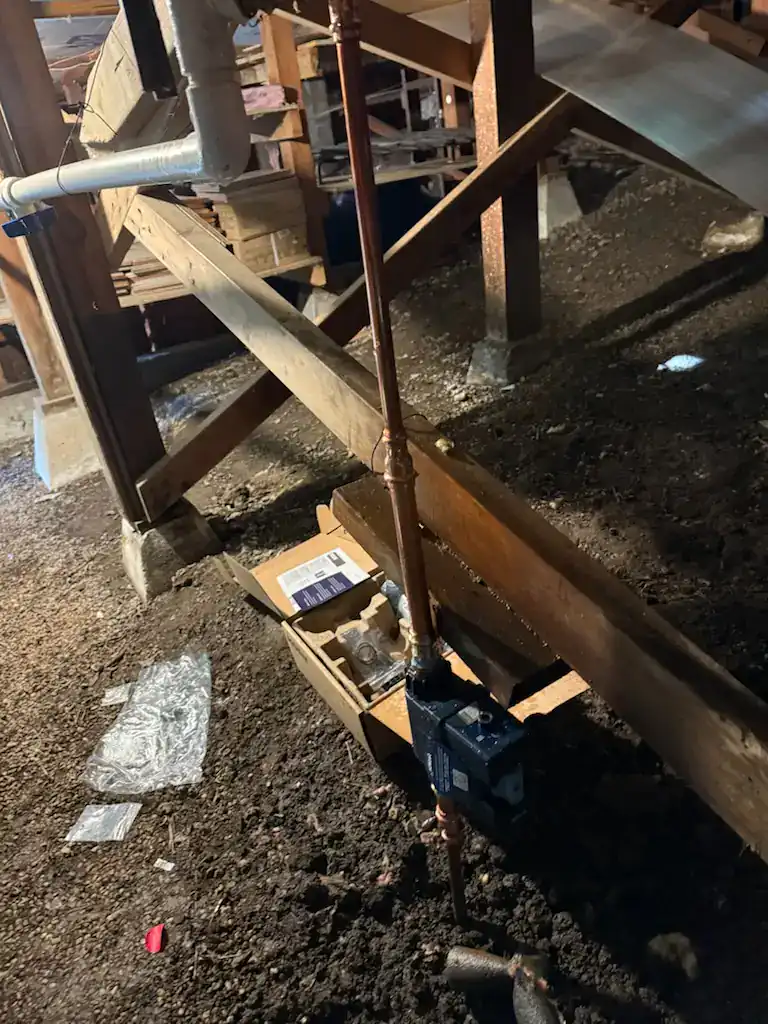
Once on-site, the first step is diagnosis not assumptions. On a rural Latrobe property, that means tracing the system from the well head or main shutoff, checking pressure, and using the right detection approach for the type of leak suspected. Underground leaks on acreage properties require a different process than a visible pipe failure inside the home, and the repair scope gets determined by what’s actually found not by a guess made before anyone looked.
Before any work starts, you get the full cost. Not an estimate range, not a “depends what we find” answer the actual number. El Dorado County requires permits for plumbing work on unincorporated properties when applicable, and we handle that process as part of the job. When the repair is complete, the system gets tested to confirm it’s holding before we leave your property.
Ready to get started?
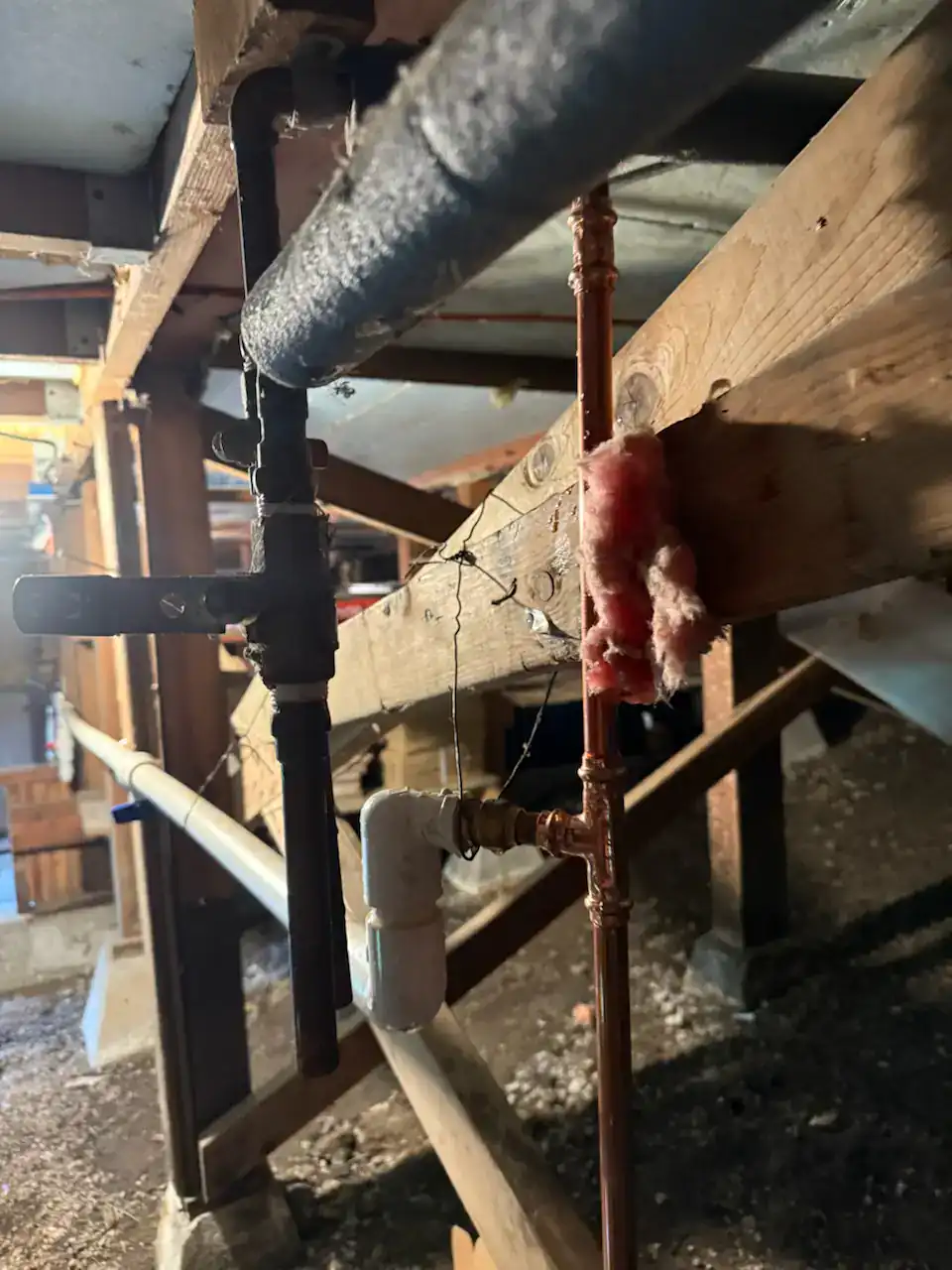
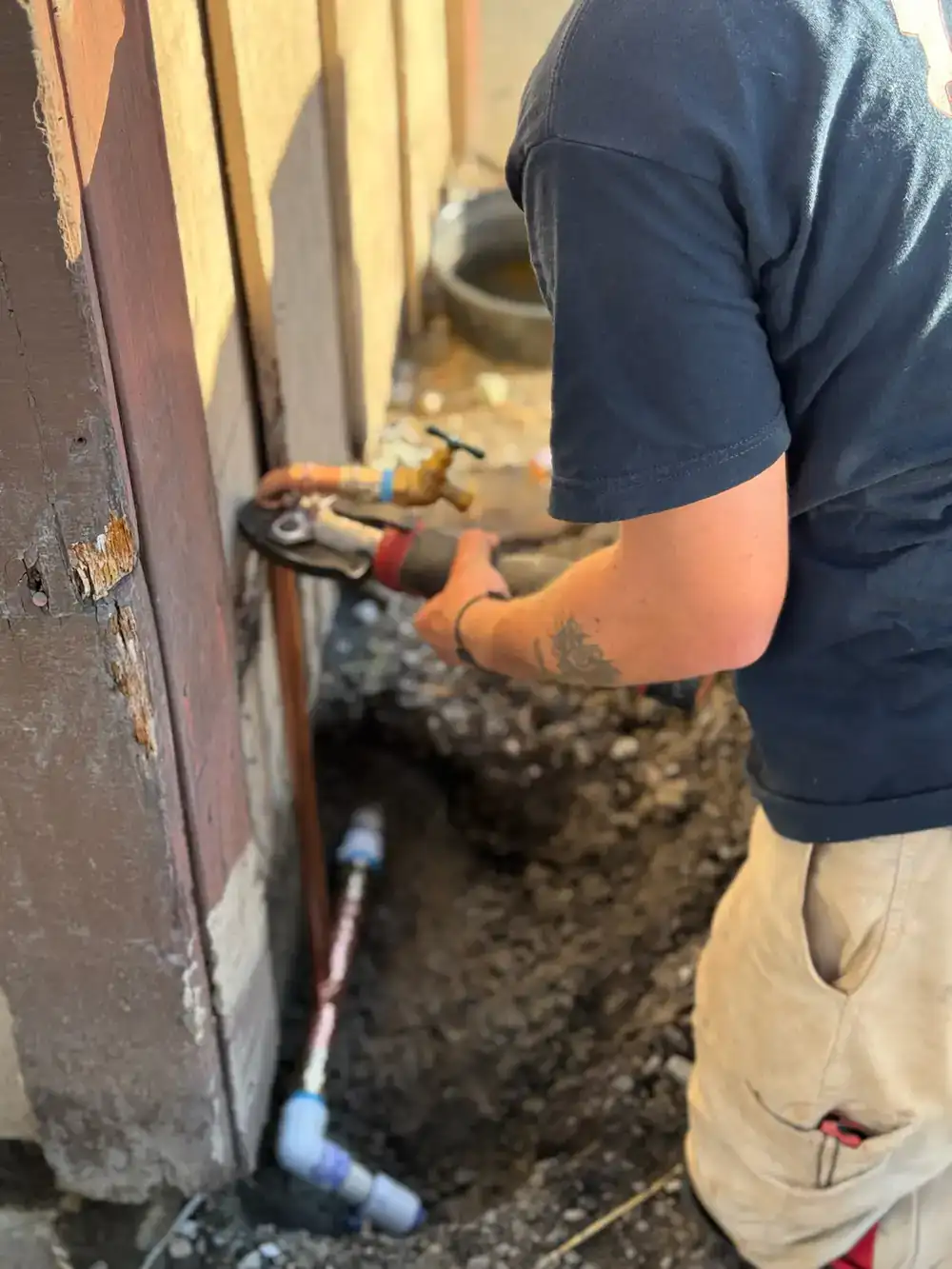
Water leak repair in Latrobe covers a wider range of situations than it does in most areas. Inside the home, that includes toilet leaks, wall leaks, supply line failures, and fixture connections that have started to give. Those are the straightforward ones. What’s more common on properties along the Latrobe Road corridor are the leaks you can’t see from inside underground service line failures, pressure tank issues, leaks at well connections, and irrigation or barn water lines that have cracked from soil movement, root intrusion, or a winter freeze that went unnoticed until spring.
Older homes in this part of El Dorado County often have mixed-era plumbing original galvanized or early copper lines that have reached the end of their service life alongside newer fixture upgrades. That combination creates unpredictable failure points, and a repair that only addresses the visible symptom without understanding the broader system often leads to another call within the year.
We handle the full scope: detection, repair, service line work, and anything that falls under residential plumbing on a rural property. If your property is within the El Dorado Irrigation District’s service area, we can also help you understand where EID’s responsibility ends and yours begins which matters when you’re trying to figure out who fixes what and who pays for it.
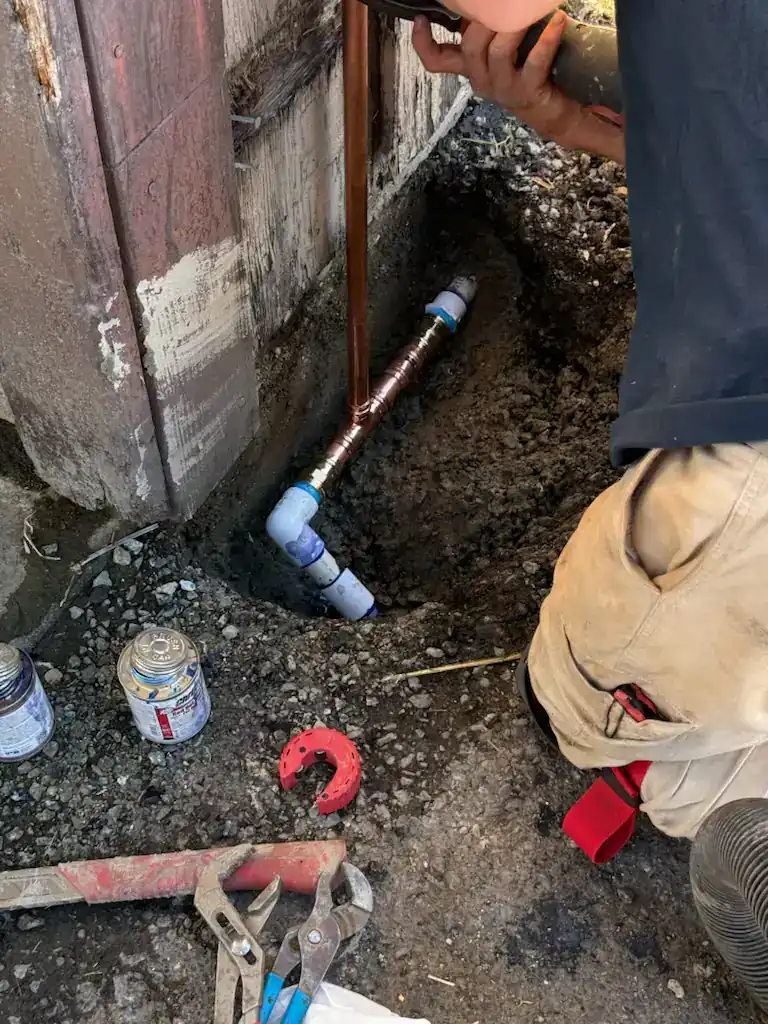
On a city-water property, a hidden leak usually shows up as a spike in your monthly utility bill. On a private well which describes a large portion of Latrobe-area properties that early warning doesn’t exist. Instead, you’re looking for indirect signs: a well pump that runs more frequently than usual or won’t stop cycling, unexpectedly high electricity costs, soft or soggy ground in areas that shouldn’t be wet, a musty smell in a crawl space or outbuilding, or visible water staining on walls or ceilings that doesn’t have an obvious source.
The challenge is that by the time any of those signs appear, the leak has often been active for weeks or longer. That’s the reality of how hidden leaks behave on large rural parcels where there’s more soil to absorb water before anything surfaces. If something feels off with your water system and you can’t explain why, a professional leak detection visit is worth scheduling before the damage compounds. Our detection process is built around finding what you can’t see, not just repairing what’s already visible.
The honest answer is that cost depends heavily on where the leak is and what’s involved in reaching it. A straightforward toilet or supply line repair inside the home is going to run significantly less than an underground service line failure on a multi-acre property that requires locating the break, excavating, and repairing or replacing a section of line. For interior plumbing repairs, you’re generally looking at a few hundred dollars for common fixture and connection issues. Underground line work on rural acreage can range from several hundred into the low thousands depending on depth, line length, and what’s found.
What we commit to is that you’ll know the full number before any work starts. No mid-job escalations, no “we found something else” surprises that weren’t in the original scope without your approval first. For properties in unincorporated El Dorado County, permit fees may apply for certain repairs, and those get factored into your upfront cost as well.
Yes and the timeline is faster than most people expect. Mold can begin developing within 24 to 48 hours of sustained water exposure, particularly in areas with limited airflow like crawl spaces, wall cavities, and under-slab spaces. Once mold is established, you’re no longer dealing with a plumbing repair you’re dealing with a remediation project that can cost significantly more. The average water damage insurance claim nationally runs around $15,400, and that number climbs sharply when mold or structural damage has had time to develop.
For Latrobe properties specifically, the risk is compounded by the wet winters the foothill corridor sees. Saturated soil during the rainy season increases hydrostatic pressure on underground pipes and foundation elements, which can accelerate existing micro-fractures into active leaks. A crawl space that stays damp through winter is exactly the environment where mold takes hold quietly. Getting a leak addressed quickly especially one that’s been present through a wet season is the difference between a repair and a full remediation.
It depends on the scope of work. In California, any plumbing project valued at $500 or more requires a licensed C-36 contractor, and certain types of repairs in unincorporated El Dorado County require a permit through the county’s Building Division. Simple fixture replacements and minor repairs often don’t trigger a permit requirement, but more involved work service line replacement, underground repairs, or anything touching the main water supply connection typically does.
This matters more than most homeowners realize. Unpermitted plumbing work on a permitted-scope project can create complications when you sell the property, and in some cases it can affect your homeowners insurance coverage if a future claim is tied to work that wasn’t properly permitted. We’re fully licensed under California’s C-36 requirements and handle the permit process when it applies you don’t have to navigate El Dorado County’s Building Division on your own. It gets factored into the job from the start, not treated as an afterthought.
Detection and repair are two different steps, and on a rural property like most of what exists in the Latrobe area, detection is often the harder one. Repair means fixing the break or failure once it’s been located. Detection means finding it in the first place which, on a property with long underground service lines, a private well, and outbuildings with their own water supply, can require acoustic listening equipment, pressure testing, and a methodical trace of the system rather than a visual inspection.
In a suburban home on city water with standard plumbing layouts, a plumber can often make a reasonable guess about where a leak is based on where the damage is showing. On a ten-acre parcel off Latrobe Road with a well head, a main house, a barn, and irrigation lines running across the property, that guesswork approach doesn’t hold up. We approach detection as its own step diagnosing the system thoroughly before recommending any repair so you’re not paying to fix the wrong thing or missing a second failure point that shows up two weeks later.
Yes. A significant number of properties in the Latrobe area aren’t just residential they’re working parcels with vineyards, horse operations, or agricultural irrigation systems that have their own water supply infrastructure. Leaks in those systems can be substantial in volume and can affect both the property’s domestic water supply and its agricultural function. A drip line failure on a vineyard block or a broken stock water line serving a horse property is a different problem than a leaking kitchen faucet, but it’s still a plumbing problem that needs to be found and fixed correctly.
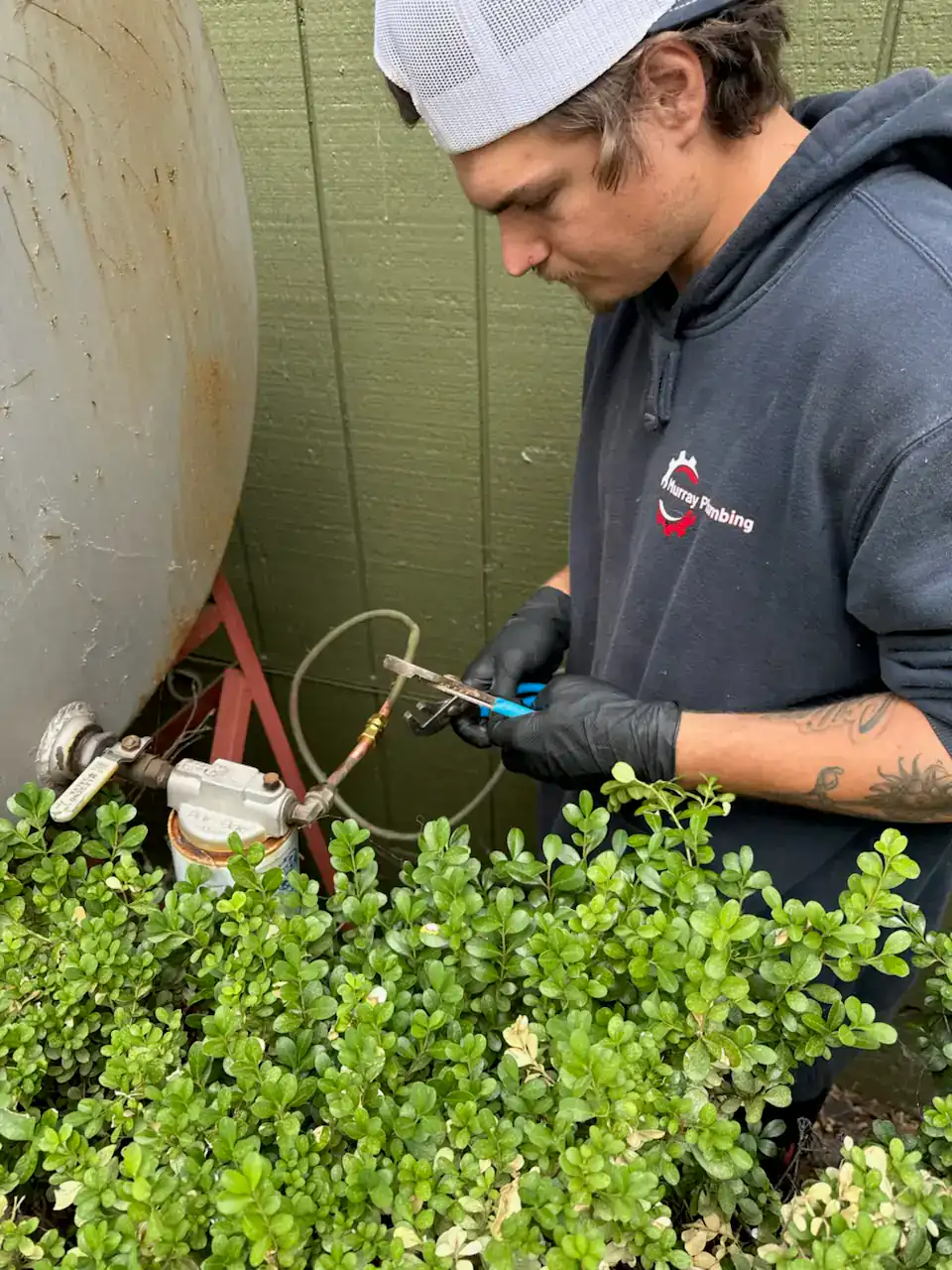
We handle the full scope: detection, repair, service line work, and anything that falls under residential plumbing on a rural property. If you’re dealing with a leak somewhere in your irrigation infrastructure, a barn water line, or an outdoor supply system connected to your well, that falls within the scope of what we handle. The same process applies: locate the source, give you the full cost before starting, and repair it in a way that holds up to the demands of a working rural property.