
Get a free quote for water leaks from your local plumbing team.
We’ll contact you about your water leaks request. Privacy policy
Hear from Our Customers
A water leak in a Little Pocket home isn’t just an inconvenience it’s a clock running against you. Mold can start forming within 24 to 48 hours of water exposure. The longer a hidden leak runs inside a wall or beneath a slab, the more it costs to fix what it damaged along the way.
Most of the homes in Little Pocket were built between the 1940s and 1960s, which means the plumbing inside them is aging right alongside the rest of the structure. Galvanized steel pipes standard in that era have a lifespan of roughly 40 to 70 years. If your home was built in 1955, those pipes are 70 years old. When one section starts to go, the sections next to it usually aren’t far behind.
Then there’s the river. Living near the Sacramento River means your Little Pocket home sits on soil with higher moisture content and more groundwater pressure than most Sacramento neighborhoods. That pressure pushes against underground pipes and slab foundations in ways that accelerate wear and it’s one of the leading reasons slab leaks and underground water line failures are more common in river-adjacent communities like yours. Once the leak is repaired properly, you get your water pressure back, your bill drops, and you stop wondering what’s quietly happening inside your walls.
We’ve been working on Sacramento-area homes for over 24 years, and that includes countless homes throughout Little Pocket and the surrounding 95822 ZIP code. That’s long enough to know what a 1950s galvanized line looks like when it’s failing, what Sacramento’s clay-heavy soil does to underground pipe joints over time, and why river-adjacent neighborhoods like Little Pocket carry a different kind of plumbing risk than newer developments further east.
Our customers mention showing up on time, explaining the problem clearly, and more than once handing over a final invoice that came in under the original estimate. That last part is rare in this industry, and it’s not an accident. It’s how we operate.
A 4.7 out of 5 on Google across 93 verified reviews is what happens when you do the work right, charge a fair price, and don’t leave people guessing about what they’re paying for.
When you call, you reach a real person not a voicemail, not a routing system. You describe what’s happening, and from there, we work to get a licensed plumber to your home the same day. For active leaks, that response time matters more than most people realize until they’re standing in a wet room watching the clock.
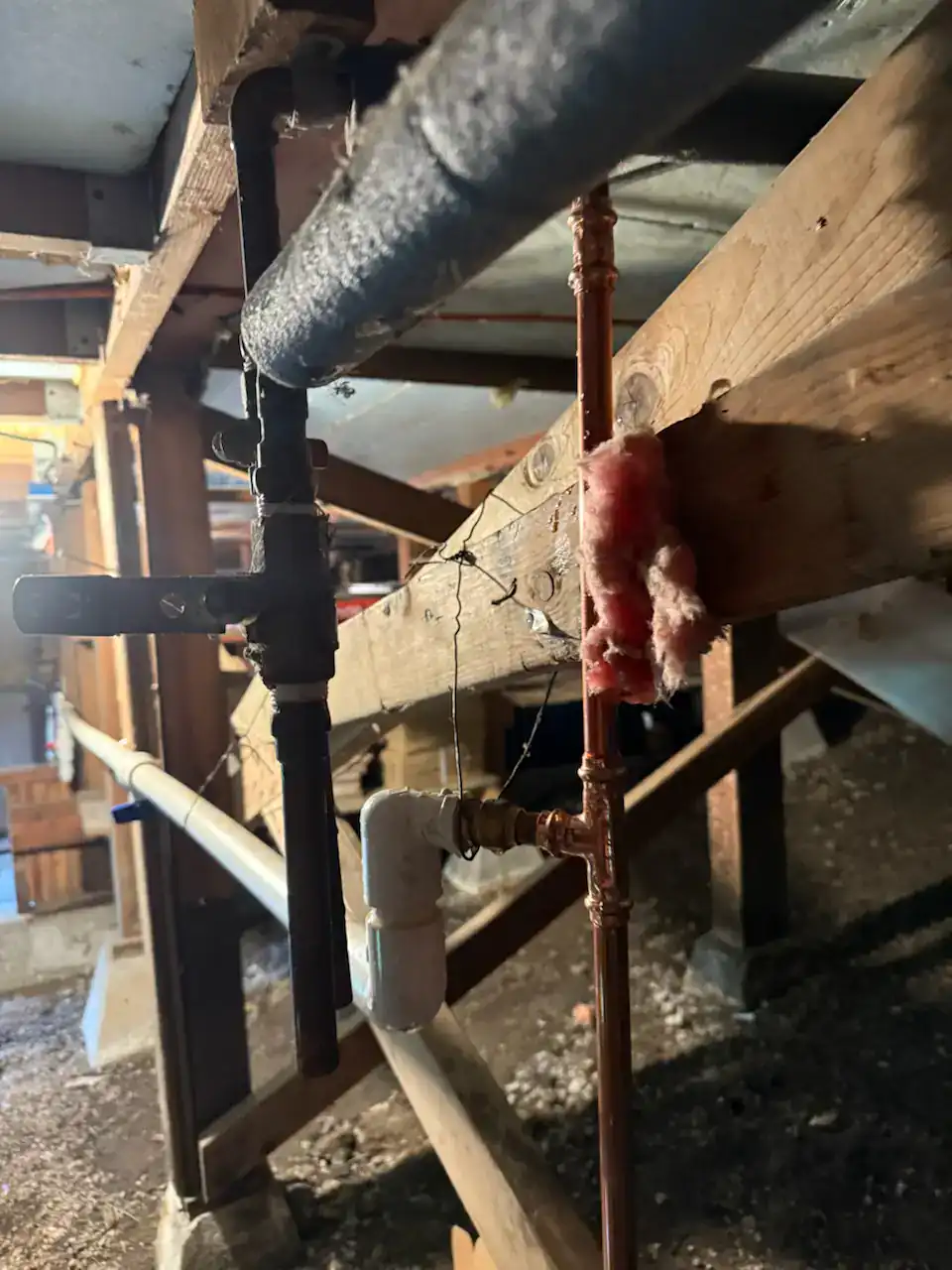
Once on-site, the first step is a thorough diagnosis. That means pressure testing, acoustic leak detection, and camera inspection where needed the tools that find what’s hiding behind drywall or beneath a concrete slab. In older Little Pocket homes, the visible problem is often just the beginning. A dripping fitting under the sink might point to a broader issue with aging supply lines throughout the house. You’ll know exactly what was found before anyone touches a wrench.
From there, you get a clear, upfront price. Not a range. Not an estimate that balloons after the walls are open. A specific number, explained plainly. Because Sacramento requires permits for water line repairs and replacements, we handle the permitting process as part of the job so you’re covered from a code compliance standpoint without having to navigate that yourself. Work gets done, the area gets cleaned up, and you’re not left with a half-finished job waiting on a callback.
Ready to get started?
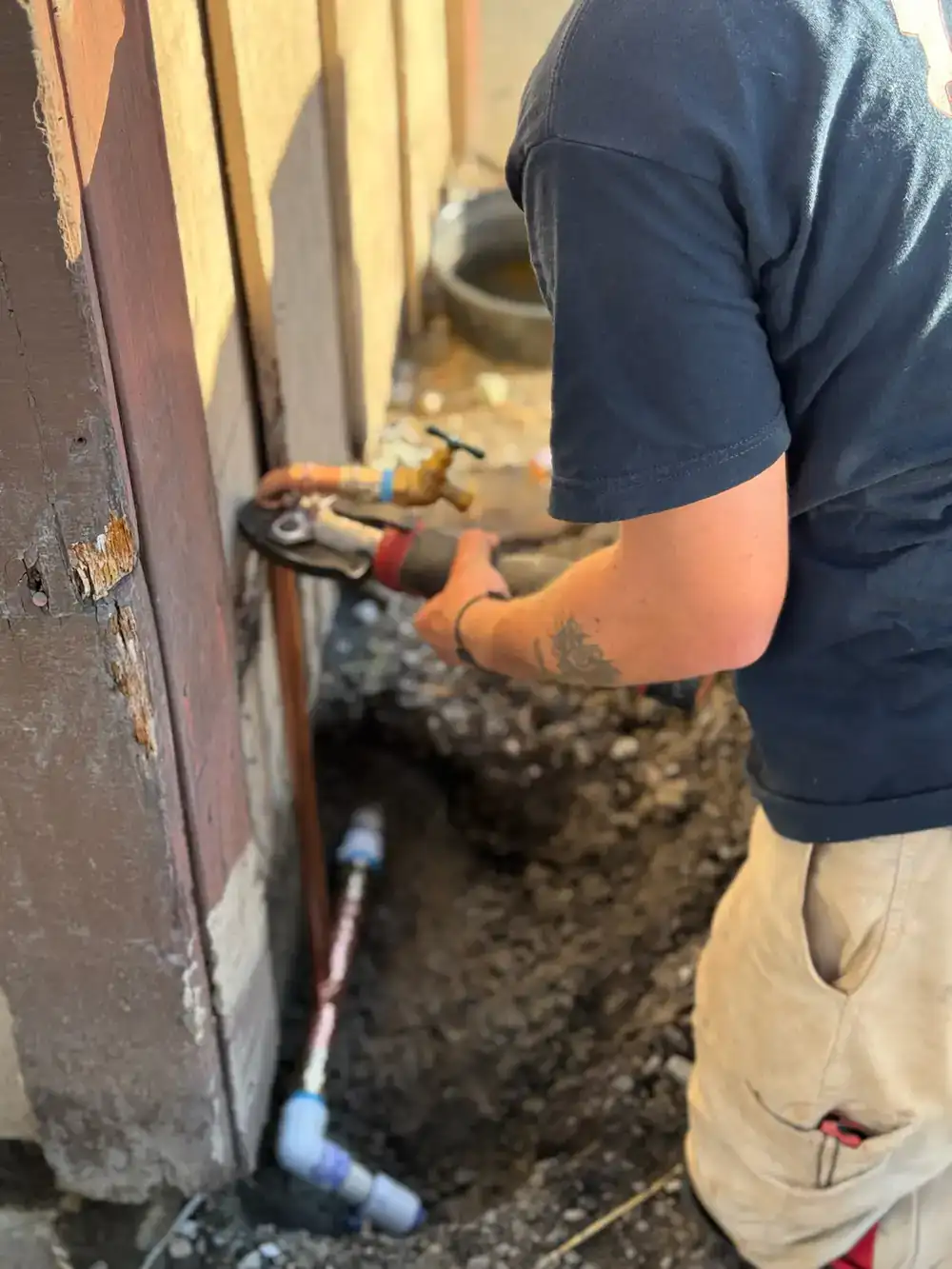
Water leak repair in Little Pocket covers more ground than most people expect when they first call. The obvious ones a dripping toilet, a leaking supply line under the sink, a visible pipe joint that’s weeping are straightforward. We handle those quickly, usually in a single visit. But the calls that matter most are the ones where the leak isn’t visible at all.
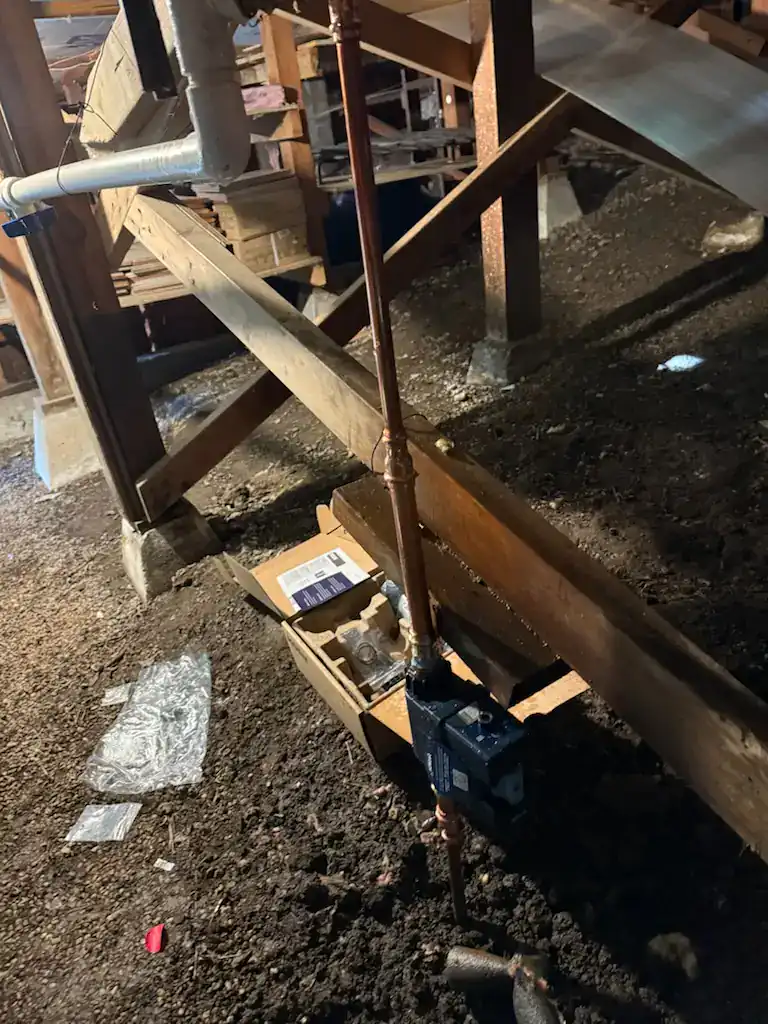
Slab leaks are one of the more serious issues in this neighborhood. When a pipe running beneath your concrete foundation develops a crack or a pinhole often from decades of groundwater pressure, soil movement, or simple age water migrates upward through the slab before you ever see a wet floor. By the time there’s a warm spot underfoot or a musty smell in a back bedroom, the damage is usually already underway. The same goes for underground water line failures between the meter and your home, which are more common in river-adjacent soil conditions and in homes with original galvanized or aging polybutylene lines.
Wall leaks, toilet leak repair, and water line replacements are all part of what we handle here and all of it is done under California’s C-36 licensing requirement, which means the work is legal, permitted where required, and backed by a contractor who carries proper insurance. For Little Pocket homeowners with real equity in mid-century homes along Riverside Boulevard and throughout the 95822 ZIP code, that distinction matters when it comes time to sell or file an insurance claim.
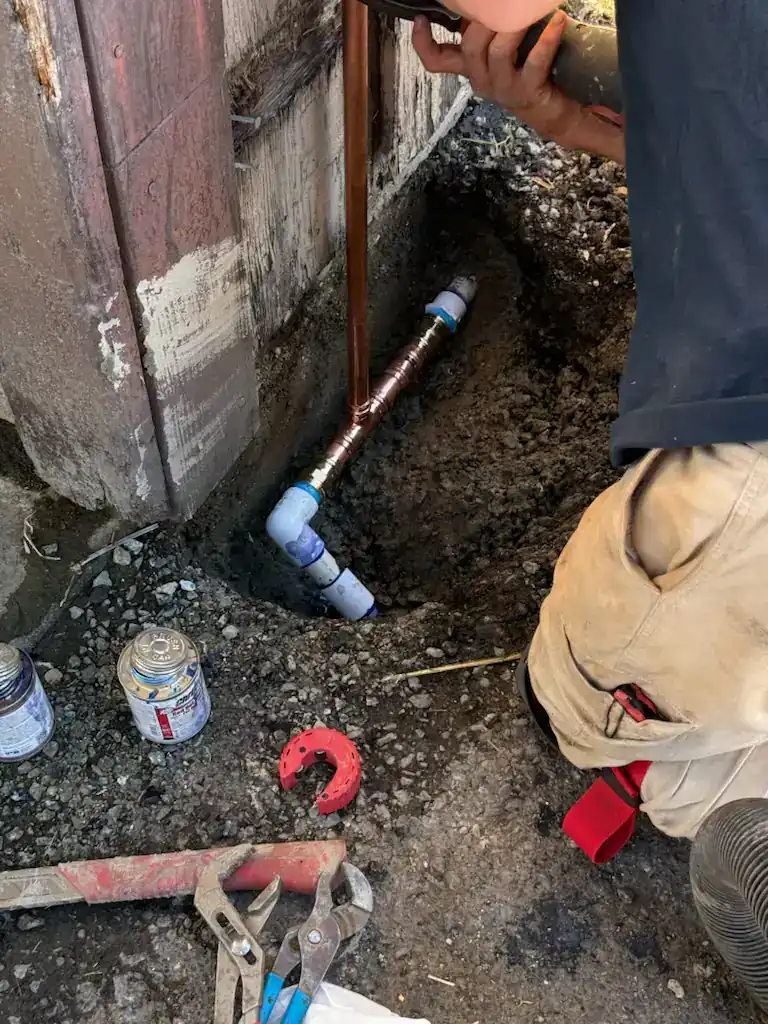
The most common signs are a water bill that’s higher than usual without any change in how much you’re using, a soft or warm spot on the floor, a persistent musty smell in a room that doesn’t have obvious moisture, or the sound of running water when everything in the house is turned off. In older Little Pocket homes most of which were built between the 1940s and 1960s these signs tend to show up gradually, which makes them easy to dismiss until the damage becomes harder to ignore.
The tricky part is that many of the leaks in homes this age are happening inside walls, beneath slabs, or underground in the service line running from the street to your house. You won’t see them until the water has already done significant damage. If your bill has jumped and you can’t explain why, or if you’re noticing any of the signs above, it’s worth having a plumber run a proper pressure test and inspection before assuming it’ll resolve on its own. It rarely does.
Cost depends heavily on where the leak is and what’s causing it. A straightforward supply line repair or toilet leak fix is generally on the lower end often resolved in a single visit for a few hundred dollars. A slab leak or underground water line failure is a different conversation. Depending on depth, access, and the extent of the damage, those repairs can run anywhere from $1,500 to $4,000 or more, and that’s before factoring in any drywall, flooring, or structural repair that the water damage itself may require.
What we do differently is tell you the number before the work starts not a range, not a ballpark. A specific cost, explained clearly. In a neighborhood like Little Pocket where older homes can surprise you once the walls are open, that kind of pricing transparency isn’t just convenient it’s the difference between a manageable repair and an open-ended bill that keeps climbing.
A slab leak happens when a pipe running beneath your concrete foundation develops a crack or pinhole and starts releasing water into the ground or upward through the slab itself. You might notice a warm spot on the floor, an unexplained spike in your water bill, or moisture appearing near a baseboard with no obvious source. In some cases, the first sign is a musty smell in a room that seems otherwise dry.
In Little Pocket specifically, slab leaks are more likely for a few compounding reasons. The homes here were built in an era when copper and galvanized steel pipes were standard materials that are now 55 to 85 years old and well past their expected service life. Sacramento’s clay-heavy soil expands and contracts significantly between the wet winter season and the dry summer heat, and that movement puts constant stress on underground pipe joints. Add in the groundwater pressure that comes with living near the Sacramento River, and the conditions for slab leak development are very real. Catching them early before water migrates through the foundation and into the subfloor is what separates a manageable repair from a major remediation project.
It depends on the cause and how quickly the leak was addressed. Most standard homeowners insurance policies cover sudden and accidental water damage a pipe that bursts unexpectedly, for example. What they typically don’t cover is damage from a slow leak that was left unaddressed over time, or deterioration that’s considered a maintenance issue rather than an accident. The distinction matters, and insurers will often look at whether the damage was reported promptly.
This is one of the practical reasons why acting quickly on a suspected leak is important. If you notice signs of water damage in your Little Pocket home a stain on the ceiling, a soft floor, a water bill that doesn’t make sense documenting it and calling a licensed plumber right away strengthens your position with an insurance claim. We can provide a written diagnosis and repair record that gives you something concrete to work with. That documentation can make a real difference in whether a claim gets approved and for how much.
For most standard repairs a leaking toilet, a supply line failure, a visible pipe joint the job is typically diagnosed and completed in a single visit. We often arrive the same day you call, and straightforward repairs usually take a few hours once the plumber is on-site. If it’s a 24/7 emergency call, the response is the same regardless of whether it’s a weekday morning or a Saturday night.
More involved repairs slab leaks, underground water line replacements, or situations where the source of the leak requires more thorough detection work can take longer, sometimes spanning more than one visit depending on what’s found. In Little Pocket, where homes often have original plumbing infrastructure and where permits are required for certain types of water line work under Sacramento City code, the permitting process is factored into the timeline from the start. You won’t be caught off guard by a delay you weren’t told about. The process gets explained upfront, including a realistic timeframe for completion.
Most of Little Pocket’s housing stock was built between the 1940s and 1960s and that era of construction comes with specific plumbing characteristics that not every contractor is equally familiar with. Galvanized steel supply lines, older sewer laterals, original cast iron drain stacks, and slab-on-grade foundations are common in this neighborhood. A plumber who primarily works on new construction in newer Sacramento suburbs is going to approach a 1958 ranch home on the west side of I-5 very differently than one who has spent decades working on exactly this type of housing.
We’ve been operating in Sacramento County for over 24 years. That’s direct, accumulated experience with the conditions that define neighborhoods like Little Pocket: river-adjacent soil pressure, aging pipe materials, Sacramento’s seasonal soil movement, and the older sewer infrastructure along corridors like Riverside Boulevard. When something unexpected turns up once the work is underway and in homes this age, it sometimes does you’re dealing with a plumber who has seen it before and knows how to handle it without turning a straightforward repair into an open-ended project.