
Hear from Our Customers
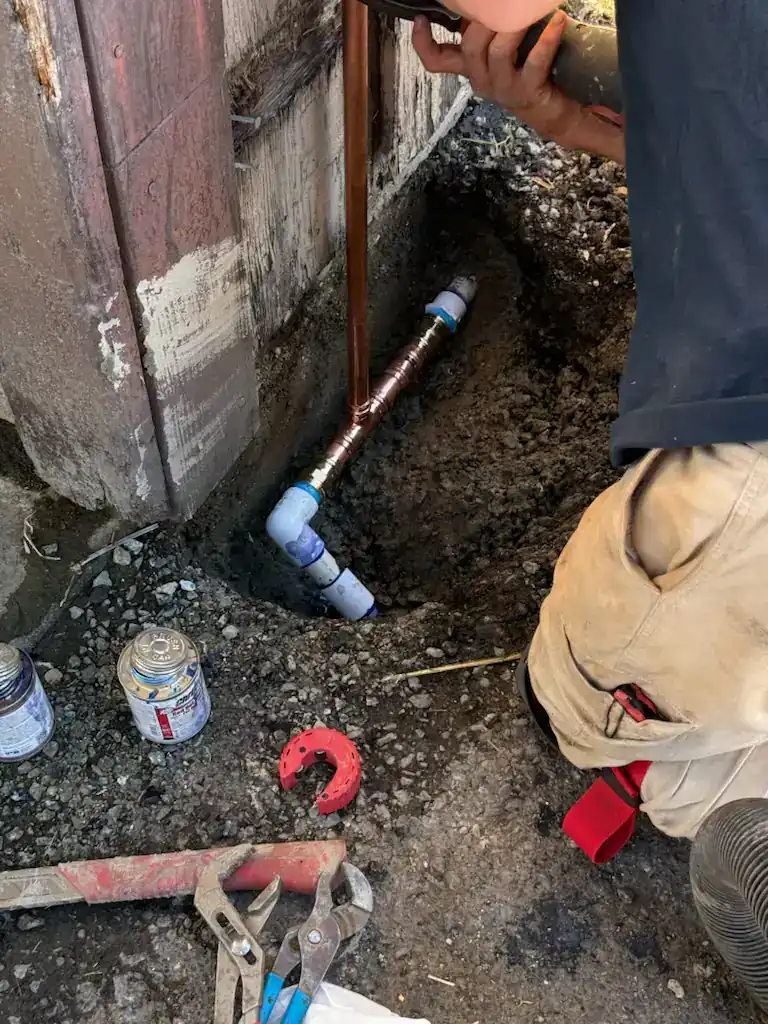
A water leak in Midtown isn’t just a plumbing problem it’s a timeline. The longer it sits, the more it spreads. Into the wall. Into the floor. Into the unit next door. In a neighborhood where duplexes, triplexes, and converted Victorians share walls and floors, one hidden leak can turn into a landlord dispute, a mold situation, or a restoration bill that dwarfs what the repair would have cost on day one.
What you get when the leak is found and fixed correctly is straightforward: your water bill stops climbing, the musty smell goes away, and you’re not watching a water stain slowly grow back on the ceiling you just painted. For Midtown homeowners dealing with galvanized pipes that are 60 to 100 years old, that also means no more rust-tinged water and no more wondering when the next failure is coming.
For landlords managing properties along Boulevard Park or Newton Booth, a properly repaired and permitted plumbing system also means no surprises at the point of sale or refinance. A repair done right with the correct permits pulled through the City of Sacramento protects the property’s value in a way that a quick patch never will.
We’ve been serving Sacramento County for over 24 years, and that means we’ve worked in the kinds of homes that define Midtown: century-old Victorians in Boulevard Park, converted multi-units near Lavender Heights, loft buildings along the R Street Corridor, and everything in between. We know what aging Sacramento-area plumbing looks like from the inside, and we know how to fix it without creating a bigger problem than the one we came for.
The thing customers mention most in our reviews isn’t speed or friendliness it’s that the final bill came in at or below what we quoted. In an industry where that almost never happens, it’s worth saying plainly. You’ll know the exact cost before we start. No hourly ambiguity, no scope creep once the walls are open. Just a straight answer and a repair that holds.
We hold a 4.7/5 Google rating across 93 verified reviews, and we answer our own phones not a call center.
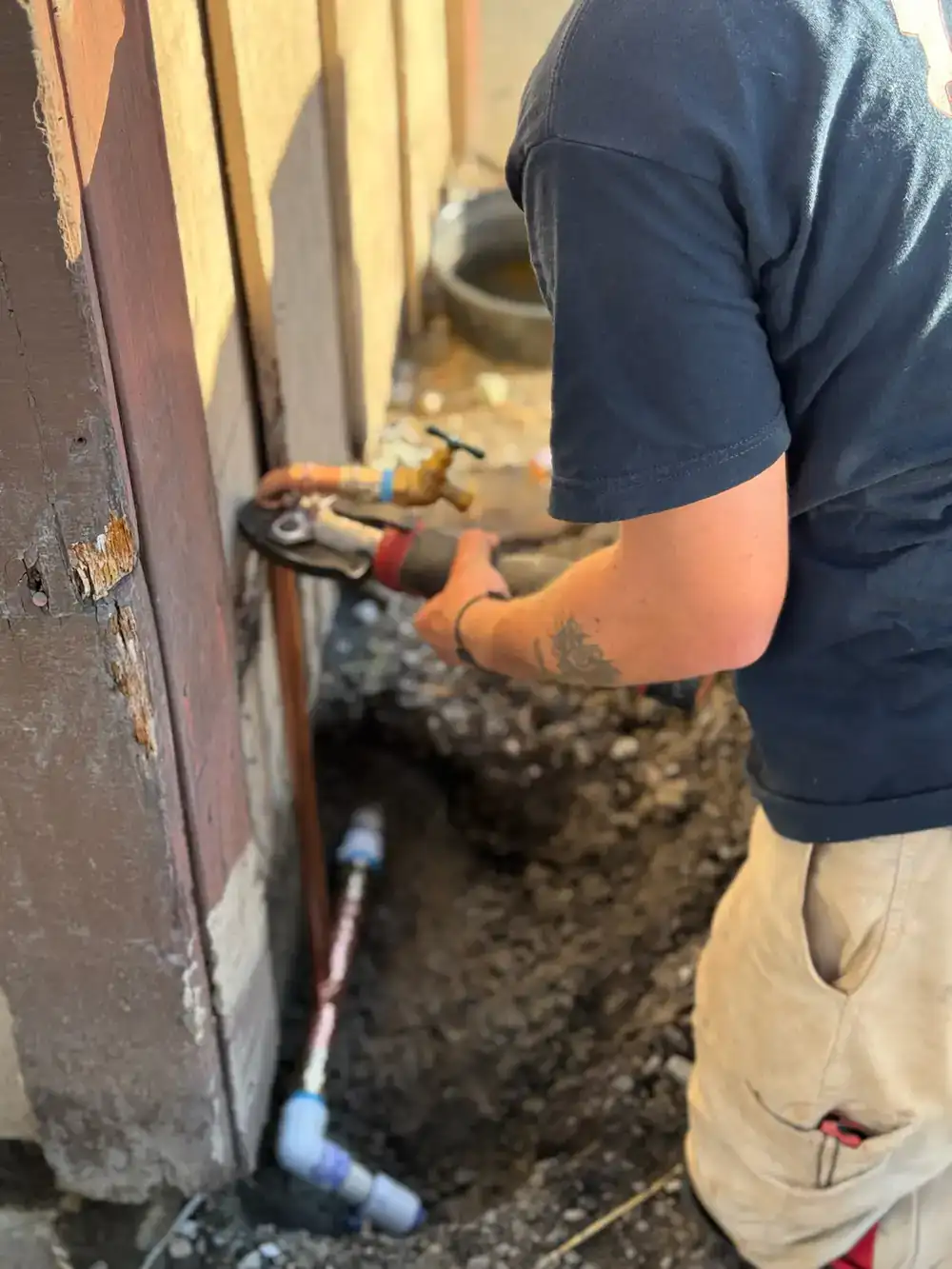
The first thing we do is find the leak accurately not approximately. In Midtown’s older homes, that matters more than most people realize. A galvanized pipe that’s corroding from the inside, a copper pinhole caused by Sacramento’s specific soil chemistry, a clay sewer line cracked by root intrusion from one of the neighborhood’s mature street trees each of these requires a different approach, and none of them should be diagnosed by assumption. We use professional detection methods to pinpoint the source before any repair work begins, which means we’re not opening walls or digging up yards based on a guess.
Once we’ve located the problem, we walk you through exactly what needs to be done and what it costs. That conversation happens before we pick up a tool. If the repair requires a City of Sacramento building permit which is required for water line replacement, sewer line work, and drain line repairs we handle that process. Midtown’s Historic District designation adds an additional layer of review for work on historically significant structures, and we’re familiar with what that requires so you don’t get caught off guard later.
After the repair is complete, we don’t leave you with a vague “should be fine.” We explain what was fixed, why it failed, and what if anything you should keep an eye on. If there’s a larger systemic issue in an older Midtown home that could cause the next leak, we’ll tell you that too straight, not as a sales pitch.
Ready to get started?
Water leak repair in Midtown covers more ground than it does in newer parts of the Sacramento metro, and that’s simply because the housing stock is older and more varied. Supply line leaks, toilet leaks, wall leaks from corroded joints, underground service line failures, slab leaks, and pinhole leaks in copper pipe are all common calls in this neighborhood and each one has its own detection and repair approach. We handle all of it under one call, which matters when you’re dealing with a shared-wall building and don’t have time to coordinate between a detection specialist and a repair crew.
For Midtown’s rental property owners and landlords, we also understand that a repair that isn’t permitted is a liability not a savings. The City of Sacramento requires permits for plumbing system work, and California law requires a valid C-36 license for any project over $500. We are a fully licensed C-36 contractor, and we pull permits when the work requires it. That protects you at the point of sale, during an insurance claim, and in any tenant dispute where the quality of the repair becomes a question.
If you’re dealing with an active leak right now water coming through a wall, a ceiling stain that appeared overnight, a soft spot in the yard near your service line same-day and 24/7 emergency response is available. You call, a real person answers, and we’ll tell you honestly how fast we can be there.
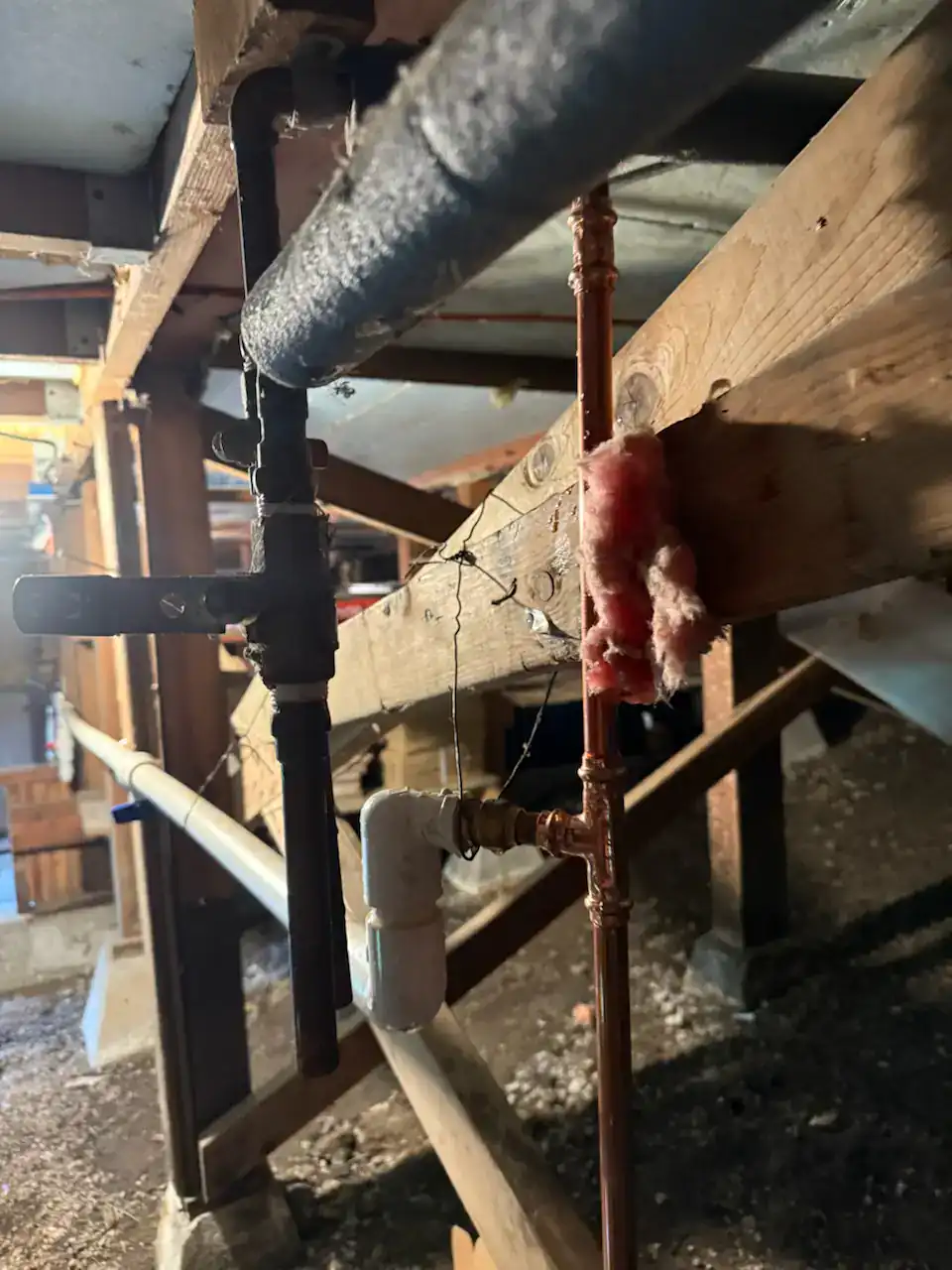
The most common signs in Midtown’s older homes are an unexplained spike in your water bill, a musty or damp smell that doesn’t go away, water stains that keep returning after you’ve painted over them, or a soft spot in the floor or yard. These are all signs of a slow, hidden leak the kind that’s been building for weeks or months before it becomes visible.
In homes built before the 1980s, which describes a significant portion of Midtown’s housing stock, galvanized iron pipes are a common culprit. They corrode from the inside, narrowing over time and eventually developing leaks that are completely hidden behind walls or under floors. Sacramento’s soil chemistry also causes a specific type of pitting corrosion on copper pipes, which creates pinhole leaks that can saturate the ground beneath a foundation or driveway without any interior sign. If something feels off your bill is up, the water pressure is down, or there’s a smell you can’t explain it’s worth having it checked before the damage compounds.
It depends on the scope of the work. For minor repairs replacing a toilet valve, fixing a supply line under a sink a permit typically isn’t required. But for anything involving the water line from the meter to the house, sewer line repair or replacement, drain line work, or gas line modifications, the City of Sacramento requires a building permit. Skipping that permit doesn’t just create a code violation it can affect your ability to sell the property, file an insurance claim, or get financing if the unpermitted work is discovered during an inspection.
For Midtown homeowners with historically designated properties, there’s an additional layer. Midtown carries a Historic District designation, which means certain plumbing alterations affecting the structure or exterior of a historically significant building require review beyond the standard permit process. A plumber who isn’t familiar with that requirement can inadvertently create a compliance problem that costs more to resolve than the original repair. We are a licensed C-36 contractor and handle the permit process when the work requires it.
This is a documented Sacramento-area issue, and Midtown sees it regularly. Sacramento’s soil chemistry particularly in areas with older underground infrastructure creates conditions that cause pitting corrosion on the exterior of copper pipes. Unlike the internal corrosion that affects galvanized iron, this type of corrosion attacks the outside of the pipe and eventually eats through, creating small holes that leak slowly into the surrounding soil or structure.
The problem is that these leaks are almost invisible at first. There’s no sudden burst, no dramatic water event just a slow, steady release of water that saturates the ground beneath a yard, driveway, or foundation over months. By the time a soft spot appears in the lawn or a foundation issue shows up, significant damage has already occurred. In Midtown specifically, where many copper-era homes were built in the 1950s through 1970s and haven’t had full repiping, this is a real and recurring risk. If your home is in that age range and you haven’t had the plumbing evaluated, it’s worth knowing what you’re working with.
For active leaks water coming through a wall, a ceiling that’s saturated, a pipe that’s clearly failing same-day response is available, and 24/7 emergency service means you’re not waiting until Monday morning if it happens on a Saturday night. When you call, you reach a real person who can give you an honest timeframe, not a call center that takes a message and queues you into a system.
In Midtown, speed matters more than it does in a lot of other neighborhoods. When you’re in a duplex or a converted Victorian with shared walls, a leak that starts in your unit doesn’t stay in your unit. Within a few hours, you’re dealing with a neighbor’s damaged ceiling, a landlord’s liability exposure, or a mold risk that can begin within 24 to 48 hours of water intrusion. The cost of a fast repair is almost always a fraction of what water damage remediation and restoration costs after the fact. If you’re looking at an active situation, don’t wait to see if it gets better on its own it won’t.
Detection is finding where the leak is. Repair is fixing it. They sound like the same thing, but in practice especially in Midtown’s older homes they’re two distinct steps that both have to be done correctly for the repair to actually hold.
A lot of plumbing calls start with a symptom: a stain, a smell, a bill that’s too high. But the symptom rarely tells you exactly where the source is. In a home with galvanized pipes running through walls and under floors, or clay sewer lines running beneath a yard full of mature tree roots, the visible sign of a leak can be several feet away from where the water is actually entering. If you skip proper detection and just repair the most obvious spot, you may fix one symptom while the actual source keeps leaking. We use professional detection methods to locate the source accurately before any repair work begins which means fewer opened walls, less disruption to the home, and a repair that addresses the real problem rather than the nearest visible one.
The honest answer is that it depends on where the leak is, what’s causing it, and what material the pipe is made of and in Midtown, those variables cover a wide range. A toilet supply line repair or a simple fixture leak is a straightforward job. A corroded galvanized pipe inside a wall of a 1910 Victorian, or a service line failure beneath a Boulevard Park yard with established tree roots, is a different scope entirely.
What we do differently is tell you the exact cost before any work begins. You won’t get an hourly rate and a vague estimate of how long it might take you’ll get a specific number upfront, and our customers consistently report that the final bill comes in at or below that figure. For Midtown landlords or homeowners with older properties, that kind of pricing transparency isn’t just reassuring it’s practically useful, because it lets you make an informed decision about the repair before you’re committed to it. If you want a straight answer on what your specific situation is likely to cost, the fastest way to get it is to call and describe what you’re seeing.