
Get a free quote for water leaks from your local plumbing team.
We’ll contact you about your water leaks request. Privacy policy
Hear from Our Customers
A water leak in North Auburn isn’t just a plumbing problem it’s a ticking clock. Mold can start forming within 24 to 48 hours of water exposure. What starts as a damp spot under a sink or a soft patch in the ceiling can turn into structural damage, ruined flooring, and a five-figure repair bill if it goes unaddressed. The average water damage insurance claim runs around $15,400. The longer it sits, the worse that number gets.
What makes North Auburn specifically tricky is the combination of older homes and local water conditions. A large share of homes here were built between the 1940s and the 1990s that’s galvanized steel pipes corroding from the inside out, copper lines that have been through decades of foothill temperature swings, and crawl spaces that were never designed to handle a cold snap rolling in off the Sierra Nevada. These aren’t hypothetical risks. They’re what we actually see in North Auburn homes.
The Placer County Water Agency also serves North Auburn with water pressure that varies significantly due to the terrain some locations push well above 80 to 100 psi, which accelerates wear on joints, supply lines, and fixtures over time. When we get a proper repair done one that addresses the source, not just the symptom we stop the damage, protect your home’s value, and you don’t have to think about it again.
We’ve been serving North Auburn, El Dorado, Sacramento, and Placer County homeowners for over 24 years. That’s not a marketing number it means we’ve worked in the same foothill communities, pulled permits through the same Placer County Building Services Division, and dealt with the same PCWA infrastructure that affects your home’s plumbing right now.
We’re a California C-36 licensed plumbing contractor. Not a franchise. Not a call center routing jobs to whoever picks up. When you call, a real person answers and when we show up, we show up the same day. Our customers have documented that in their own words, and our 4.7 out of 5 Google rating across 93 verified reviews backs it up.
North Auburn is unincorporated Placer County, which means permits, inspections, and code compliance all go through the county not a city building department. We know that process, we handle it, and you don’t have to figure it out on your own.
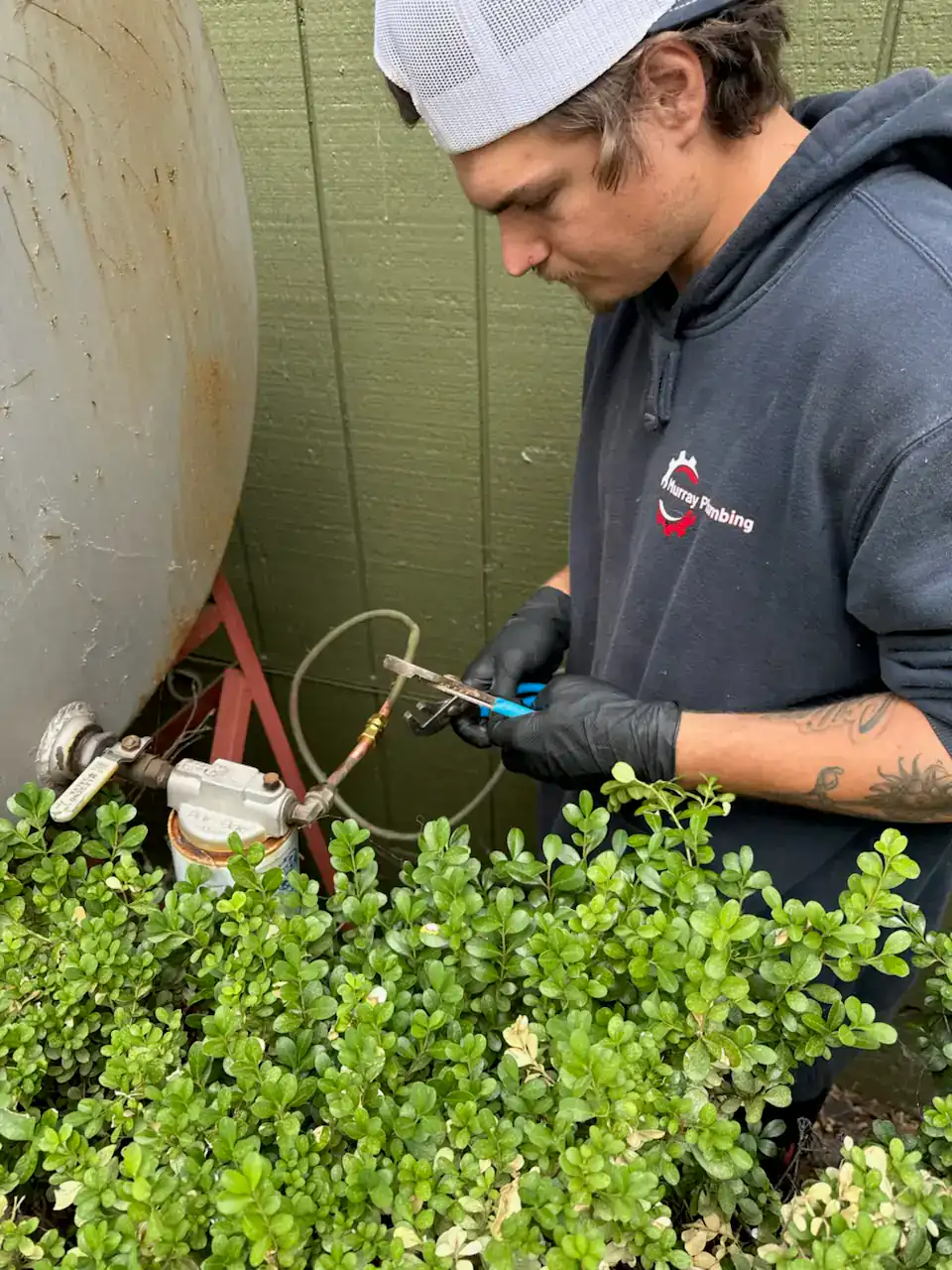
It starts with a call. When you reach out to us, you talk to a real person not a voicemail, not an automated system. We ask the right questions, get a clear picture of what you’re dealing with, and get a technician headed your way. For active leaks, that often means same-day arrival, sometimes within hours.
When we arrive, the first thing we do is find the source. That sounds obvious, but it’s where a lot of repairs go wrong patching the visible damage without identifying what’s actually causing it. We use non-invasive detection methods to locate hidden leaks behind walls, under slabs, and along underground supply lines before any repair work begins. In North Auburn’s older homes, that diagnostic step matters more than most people realize. A pinhole leak in a 1970s copper line looks different than a joint failure on a supply line stressed by high PCWA water pressure, and the fix for each is different.
Once we know exactly what we’re dealing with, we give you the cost upfront a specific number, not a range. You decide whether to move forward. If you do, we complete the repair to California Title 24 code standards. If the work requires a Placer County permit, we handle that process. When we’re done, the leak is fixed not managed, not patched fixed.
Ready to get started?
Water leak repair in North Auburn covers a wider range of situations than most homeowners expect when they first call. The most common calls we get involve supply line failures under sinks and behind toilets, pinhole leaks in aging copper or galvanized pipes, slab leaks where water lines penetrate the foundation, underground water line leaks that show up as unexplained bill spikes, and wall leaks that go undetected until visible staining or soft drywall gives them away.
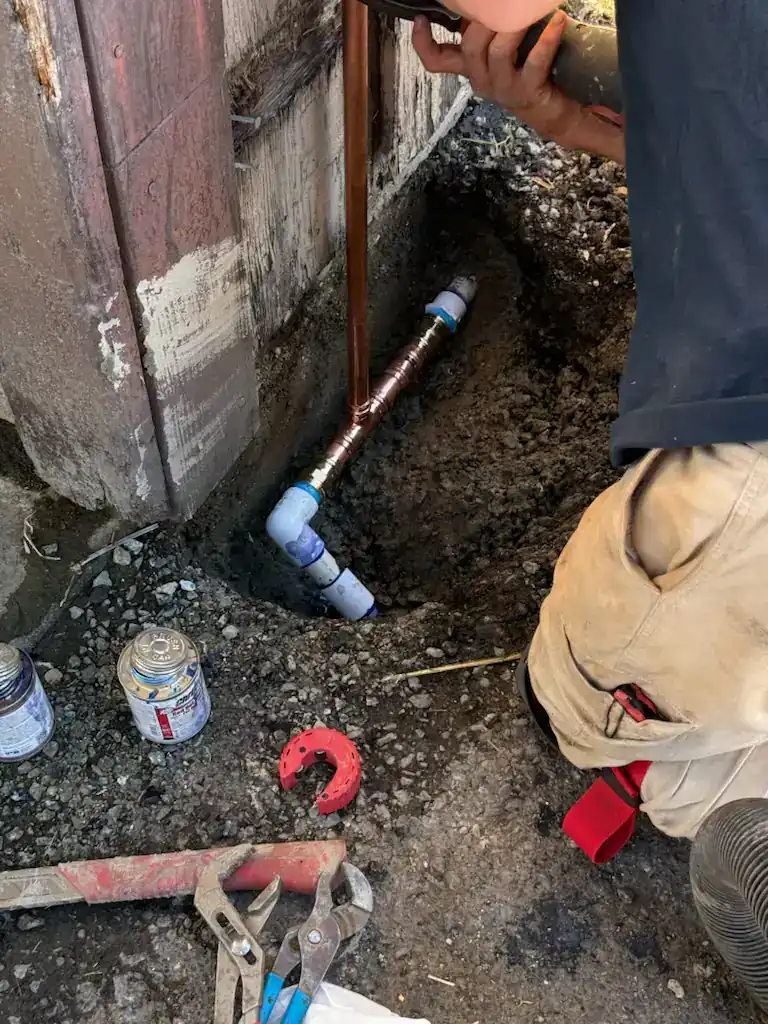
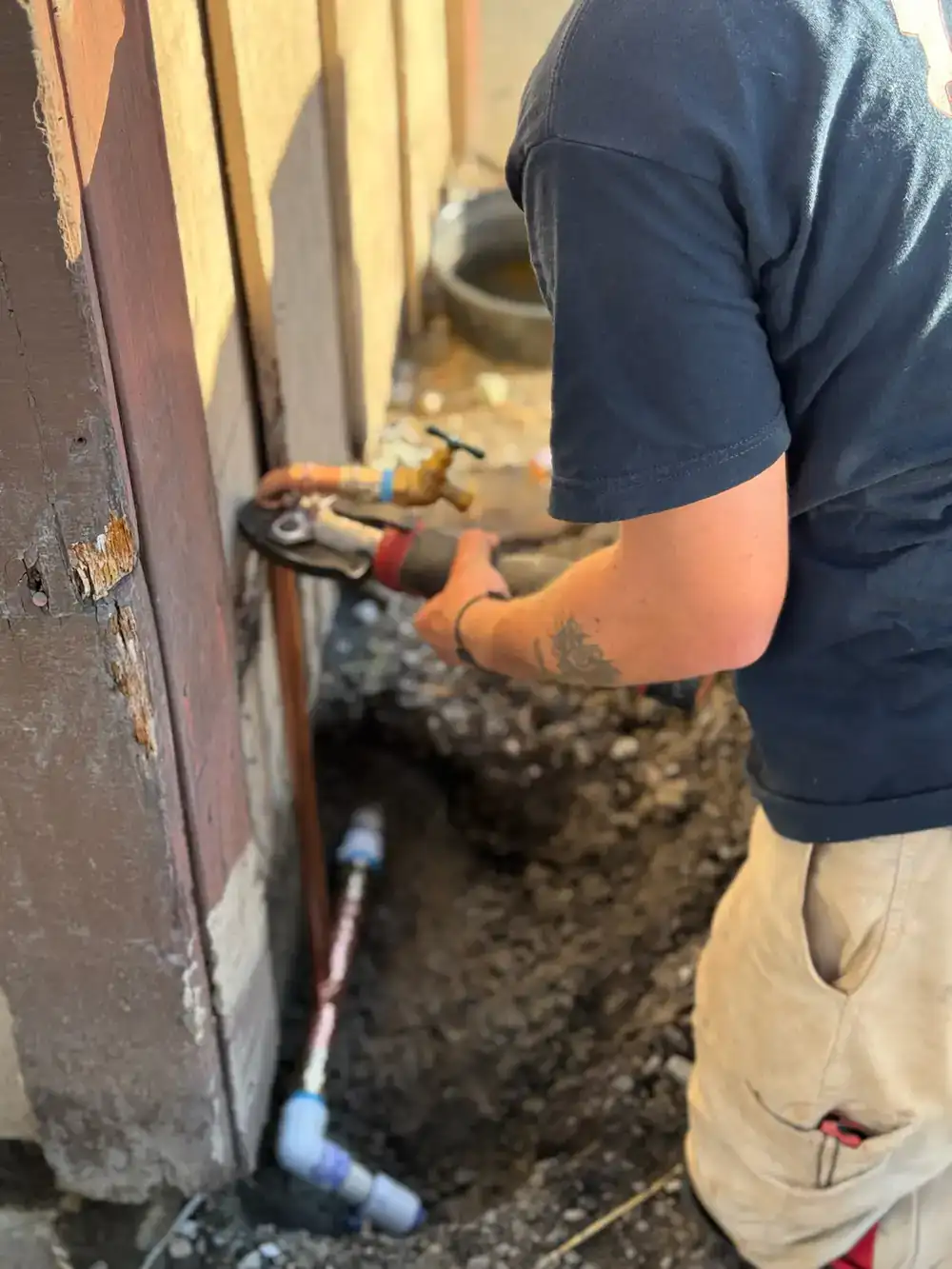
For North Auburn specifically, slab and underground leaks are more common than they are in flat valley communities. The foothill terrain means soil expands and contracts significantly between the wet winter season and the dry summer heat and that ground movement stresses buried pipes over time. If you’ve noticed your water bill climbing through the summer months and can’t explain it with irrigation, an underground supply line leak along your property is a real possibility worth investigating.
Toilet leak repair is another frequent call, and it’s one of the most underestimated sources of water waste and floor damage in older homes. A slow toilet leak can waste thousands of gallons a month without ever making a sound you’d notice. Whatever the source, we identify it accurately, quote it honestly, and repair it to last not to hold until the next cold snap or dry season shift moves things again.
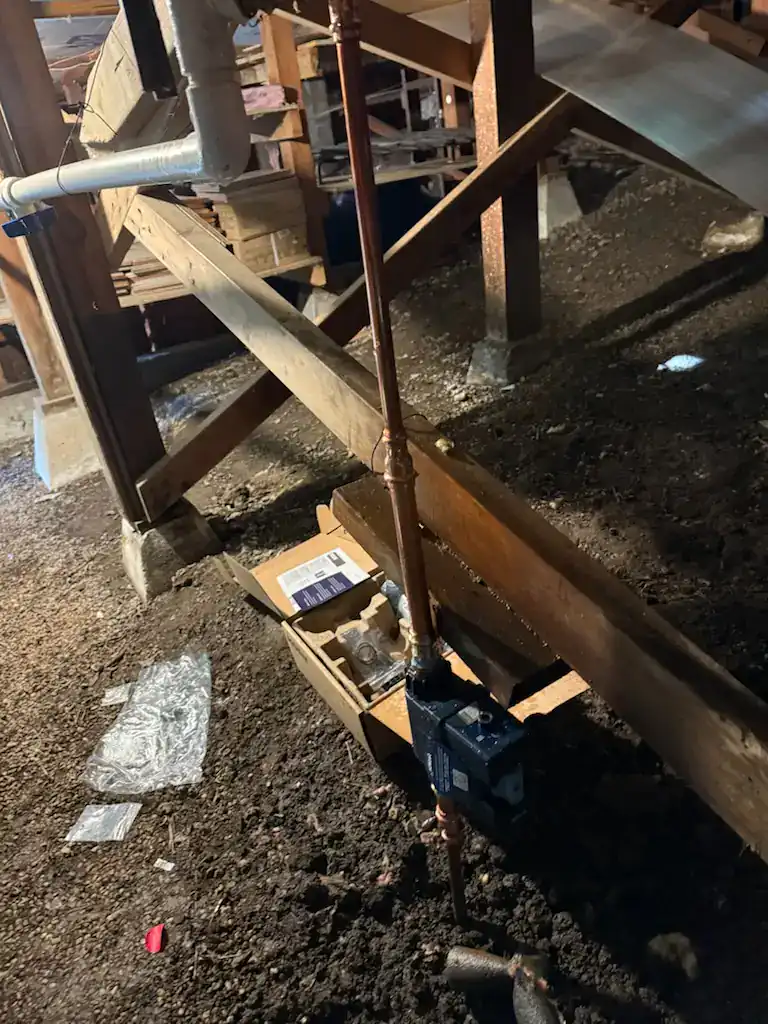
The most reliable early sign is a water bill that’s higher than usual without a clear explanation no extra irrigation, no guests, no change in habits. Beyond that, watch for soft or discolored spots on walls or ceilings, a musty smell in rooms that should be dry, flooring that feels spongy underfoot, or the sound of water running when everything in the house is turned off. In North Auburn’s older homes particularly those built in the 1970s and 1980s these signs often point to galvanized or copper pipe issues that have been developing slowly for months.
If you suspect a leak but can’t locate it visually, the meter test is a simple first step: shut off all water in the house, note your meter reading, wait 30 minutes without using any water, and check the meter again. If it moved, water is going somewhere it shouldn’t be. At that point, calling us for a proper leak detection is the right move the longer a hidden leak runs, the more it costs to repair what it damages.
The two most common culprits in North Auburn’s older housing stock are galvanized steel pipes and copper lines that have been through decades of stress. Galvanized pipes common in homes built before the early 1970s corrode from the inside out. You won’t see it happening, but over time the interior of the pipe narrows and weakens until it starts to fail at joints or develops pinhole leaks through the wall of the pipe itself.
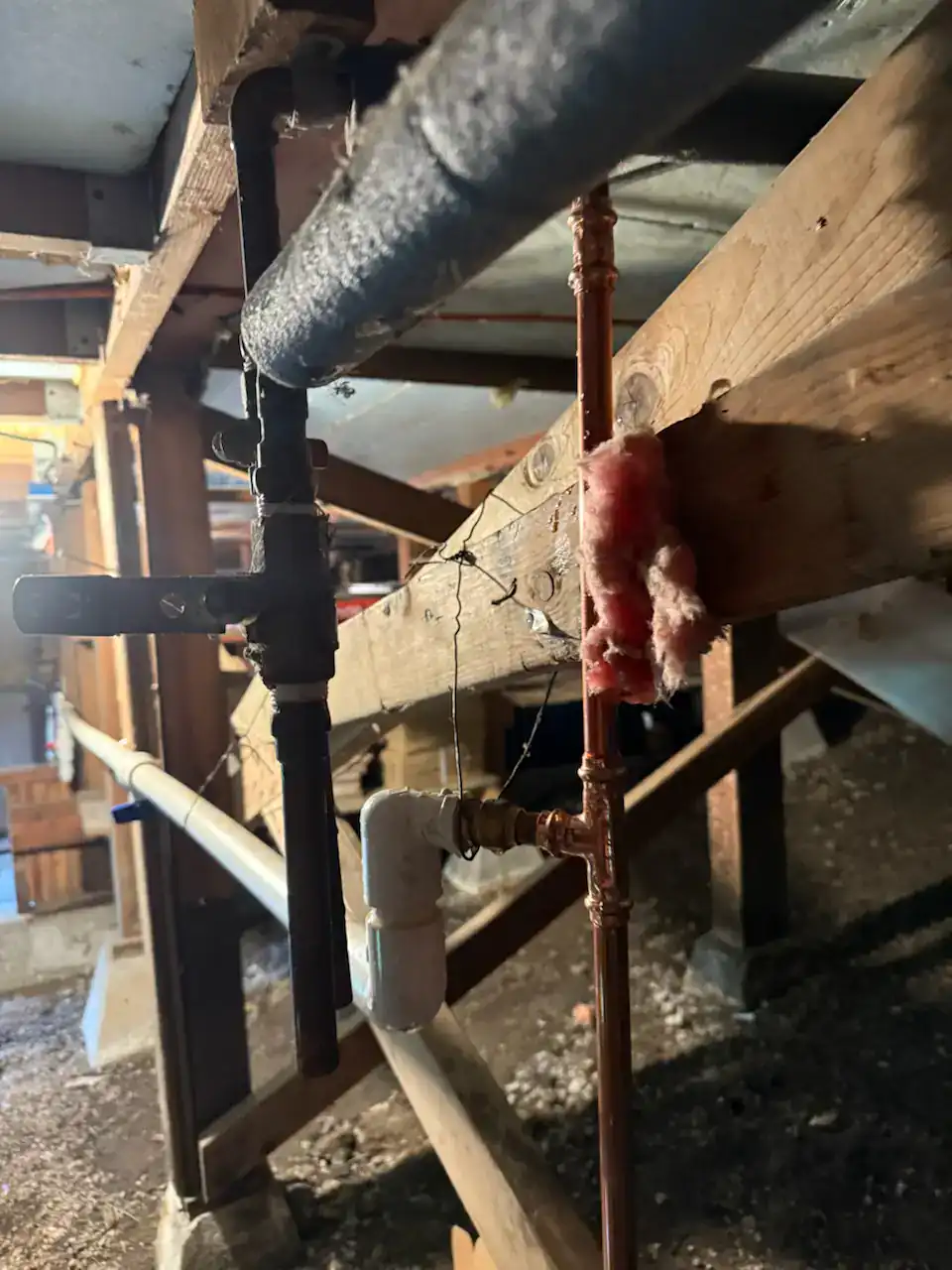
Copper pipes, which replaced galvanized in most construction from the 1970s onward, are generally more durable but they’re not immune. North Auburn’s foothill climate creates a wider temperature swing than valley communities experience, and repeated expansion and contraction over decades weakens solder joints and connections. Add in the water pressure variability that comes with PCWA’s terrain-affected delivery system, and you have conditions that accelerate wear on any pipe material. Homes built before 2000 in North Auburn should be considered candidates for a plumbing inspection, especially if the original pipes have never been replaced.
It depends on the scope of the work. Minor repairs replacing a faucet, swapping out a toilet supply line, fixing a single fixture typically don’t require a permit. But any work that involves replacing a section of pipe, repairing or replacing a water line, or modifying the existing plumbing system does require a permit from the Placer County Building Services Division.
This is an important distinction for North Auburn homeowners specifically, because North Auburn is unincorporated Placer County not the City of Auburn. That means permits go through the county, not a city building department, and the applicable code is California’s Title 24 Building Standards Code as adopted and enforced by Placer County. A licensed plumber operating in North Auburn should know this process and handle it on your behalf. We’ve been pulling Placer County permits for over two decades. We manage the paperwork, coordinate the inspection if one is required, and make sure the repair is documented correctly which matters for your homeowners insurance and for resale.
The honest answer is that cost depends entirely on what type of leak you have and where it is. A supply line replacement under a sink is a straightforward repair that typically runs a few hundred dollars. A slab leak or underground water line repair is a more involved job and can range from $500 to $2,500 or more depending on depth, access, and pipe material. Emergency or after-hours service may carry an additional call fee.
What we do differently is give you the exact cost before any work begins not a range, not an estimate that can shift after the fact. The number you get upfront is the number you pay. Real customers have noted in their reviews that their final bills came in at or below the original quote, which is genuinely uncommon in this trade. If cost is a concern, ask about it directly when you call. We’d rather have that conversation before we start than have you surprised at the end.
Yes and it can happen faster than most people expect. Mold can begin growing within 24 to 48 hours of sustained water exposure, particularly in enclosed spaces like wall cavities, under flooring, and inside crawl spaces. North Auburn’s warm, dry summers might seem like they’d work against mold growth, but a slow leak inside a wall creates a localized humid environment that mold thrives in regardless of the outdoor conditions.
The bigger concern with North Auburn’s housing stock is that many homes here have crawl spaces and wall assemblies that weren’t built with modern moisture barriers. A slow drip behind a bathroom wall or a minor supply line weep under the subfloor can go undetected for months in these older construction types, giving mold a significant head start before visible signs appear. If you’ve noticed a musty smell in a room, soft spots in drywall, or staining on baseboards, don’t wait to see if it gets worse. Getting the leak identified and repaired quickly is the only way to stop mold before it becomes a remediation project on top of a plumbing repair.
Shut off the water supply as close to the leak as possible. If it’s a fixture leak toilet, sink, washing machine there’s usually an individual shutoff valve nearby. If you can’t isolate it or if the leak is coming from inside a wall, under a slab, or from an unknown location, shut off the main water supply to the house. In most North Auburn homes, the main shutoff is near the water meter, which is typically at the front of the property near the street.
Once the water is off, don’t try to open walls or dig around the source on your own. Hidden leaks especially slab leaks and underground line failures require proper detection equipment to locate accurately. Opening the wrong section of wall or digging in the wrong spot wastes time and money. Call us, describe what you’re seeing, and we’ll get a technician out the same day. We answer 24 hours a day, seven days a week including weekends and holidays because an active leak in a North Auburn home at 11 p.m. on a Sunday is exactly the kind of call we’re set up to handle.