
Get a free quote for water leaks from your local plumbing team.
We’ll contact you about your water leaks request. Privacy policy
Hear from Our Customers
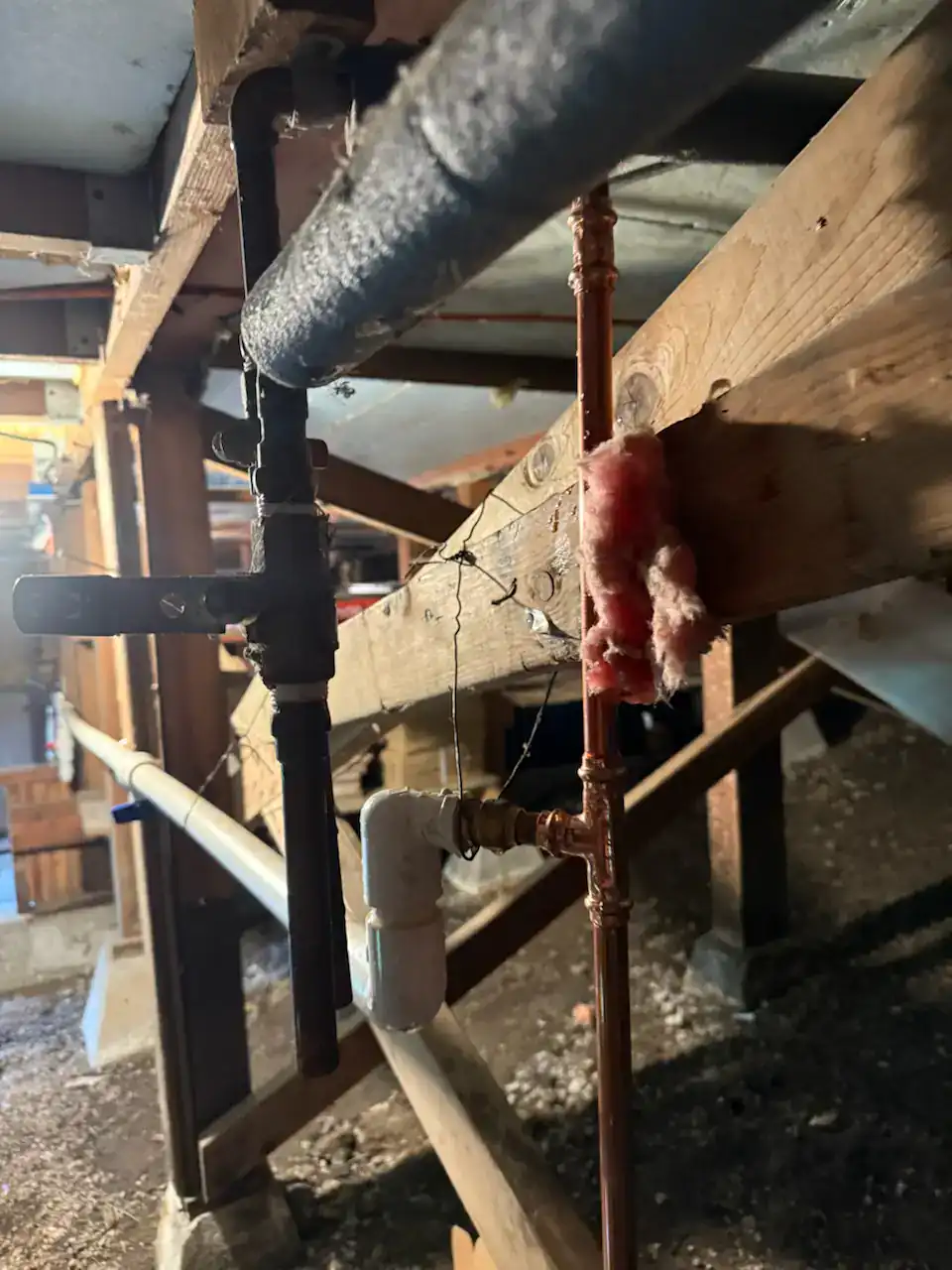
A slow leak doesn’t stay slow. What starts as a damp spot on the floor or a water bill that’s suddenly higher than it should be can turn into rotted subfloor, mold behind drywall, and a repair cost that’s a completely different conversation than it would have been two weeks earlier. The average water damage claim runs around $15,400 and that’s when someone caught it early. Let it go longer, and you’re looking at numbers that can exceed $55,000 once mold remediation and structural repairs enter the picture.
In North Highlands specifically, that timeline tends to move faster than homeowners expect. Most of the homes here were built between the 1950s and 1970s, and a lot of them are still running on the original galvanized steel pipes pipes that are now 60 or 70 years old and corroding from the inside out. Add in the area’s clay and adobe soil, which expands every wet season and contracts every dry summer, and you’ve got underground lines and slab-embedded pipes under constant stress year after year. That combination is why hidden leaks are so common here, and why catching them early makes such a significant difference in what you end up paying.
Getting the leak found and fixed doesn’t just protect your home. It stops water waste the average household loses around 10,000 gallons per year to leaks and it gives you back the peace of mind of knowing your plumbing is actually working the way it should.
We’ve been working in Sacramento County for over two decades, and that means the homes in North Highlands the post-war ranch-styles near Arcade Park, the older properties off Rio Linda Boulevard, the rentals close to McClellan Park aren’t unfamiliar territory. We’ve been inside them. We know what the plumbing looks like, what tends to fail first, and what a real fix requires versus a patch that buys you six months.
What you get when you call is a 4.7-star rated team that answers the phone directly, gives you a straight number before anyone picks up a tool, and shows up when we say we will. No call centers, no vague estimates that shift once work starts. Our customers have told us their final bill came in at or below what we quoted that’s not a policy we advertise, it’s just how we work. For a community where the budget matters and the housing stock is aging, that combination of honesty and speed is exactly what the job calls for.
When you call us, a real person picks up not a recording, not a callback queue. You describe what you’re seeing, and we figure out together how urgent it is. If there’s active water moving somewhere it shouldn’t be, we treat it as an emergency and get someone heading your direction the same day, often within hours.
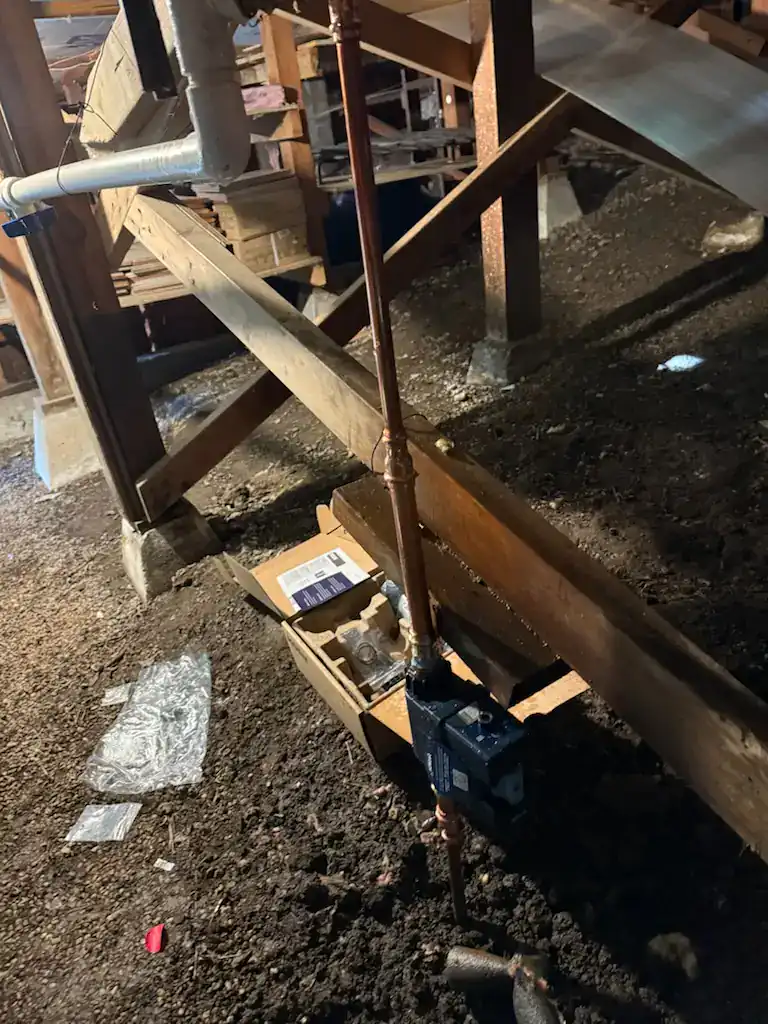
Once a technician arrives, the first priority is finding the source. In North Highlands, that’s not always obvious. Slab leaks in older homes don’t announce themselves they show up as warm spots on the floor, unexplained moisture near baseboards, or a water meter that keeps spinning after everything inside is shut off. We use detection methods that locate the leak before any cutting or digging starts, which protects your floors, your yard, and your wallet. After we know exactly what we’re dealing with, we walk you through what the repair involves and what it costs. You decide whether to move forward. No pressure, no surprises.
Because North Highlands falls under Sacramento County jurisdiction not a city permits for significant plumbing work go through the Sacramento County Building Division. If your repair requires one, we handle that process as part of the job. You don’t have to navigate county paperwork on top of a plumbing problem.
Ready to get started?
Water leak repair in North Highlands covers a lot of ground literally. Slab leaks are among the most common calls we get here, driven by decades of clay soil movement under concrete foundations. When the ground shifts every wet season and contracts every dry summer, the pipes embedded in that slab take the hit. We locate and repair slab leaks without unnecessary demolition, using detection equipment that pinpoints the problem before anything is opened up.
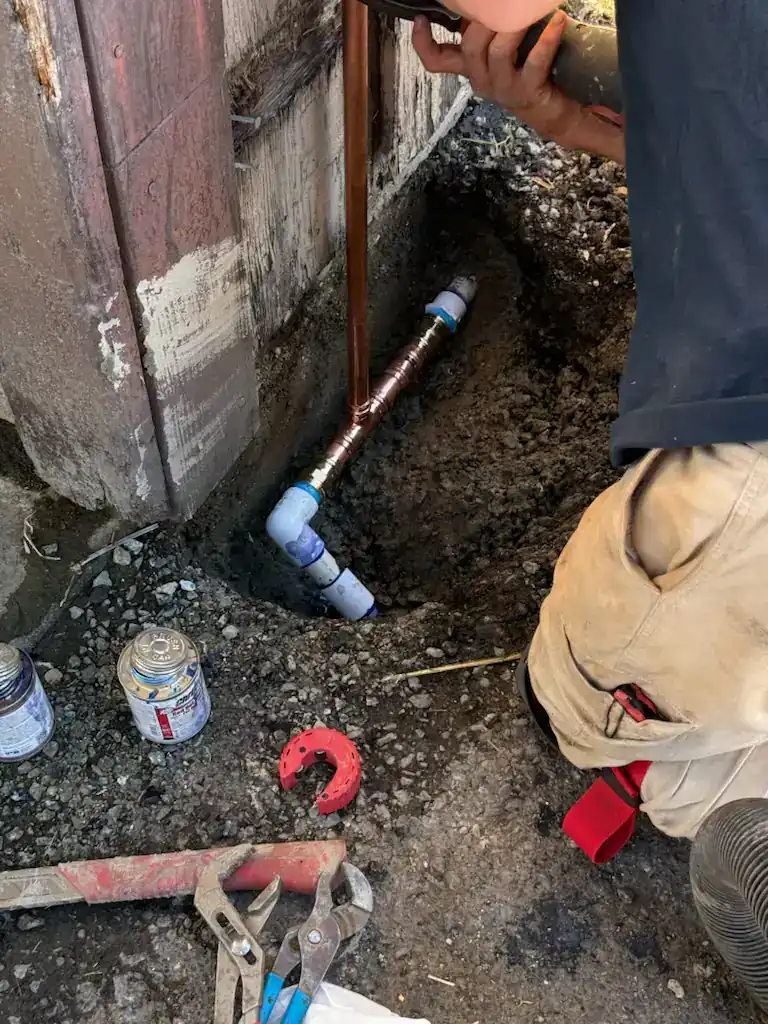
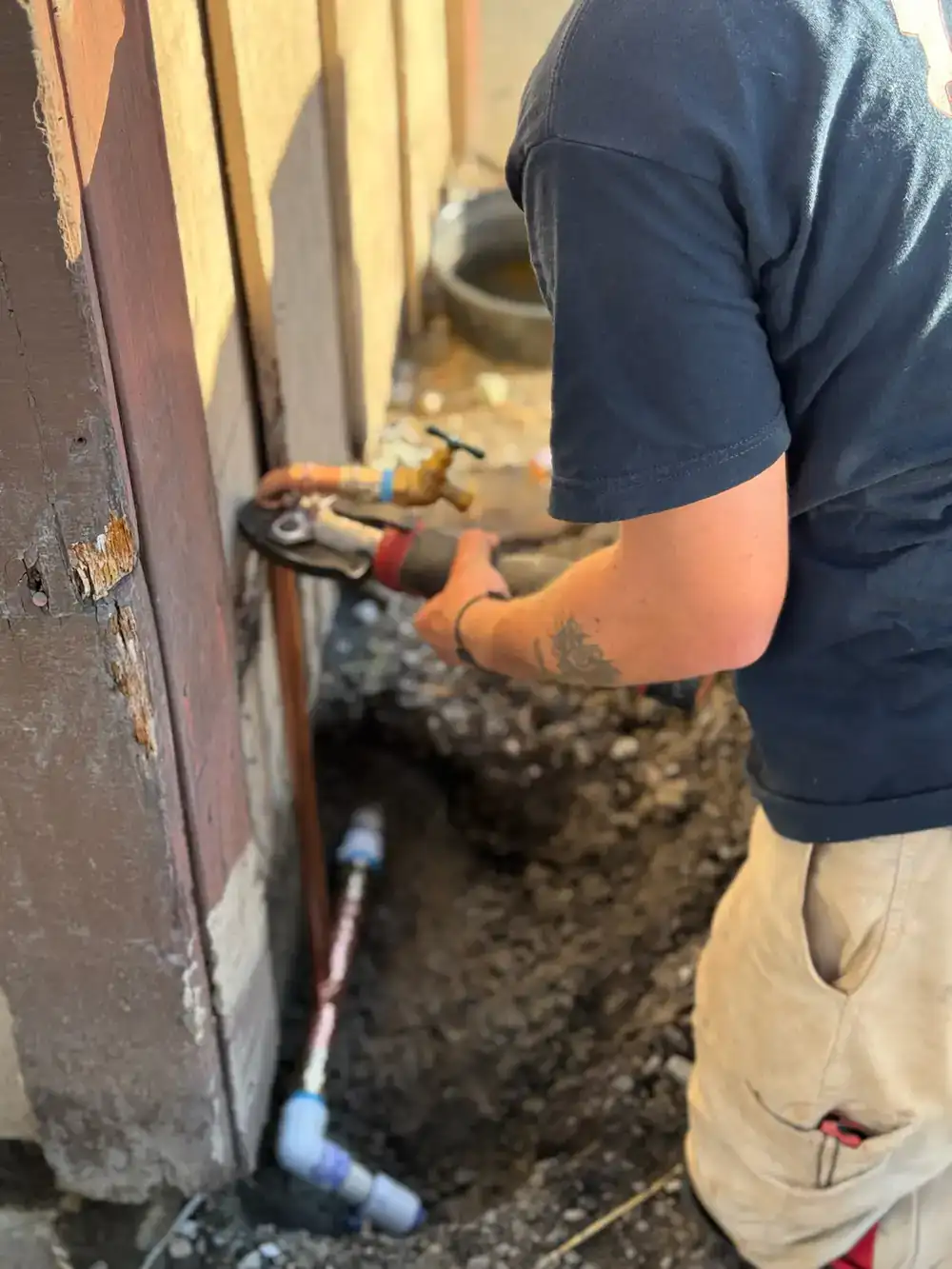
Underground water line leaks are another frequent issue, especially in properties near Dry Creek where the water table rises during the November-through-March rainy season. These leaks don’t always show up inside the house they show up as soggy patches in the yard, a meter that won’t stop, or a water bill that’s quietly doubled. We handle full underground water leak repair in North Highlands including service line repairs, trench work where needed, and restoration of the area afterward.
Inside the home, we repair wall leaks, toilet leaks, supply line failures, and pinhole leaks in copper or galvanized pipe. For homes that have reached the point where spot repairs no longer make sense usually older galvanized systems that are corroding throughout we also handle full repiping. Whatever the situation, you’ll know the full scope and the exact cost before we start.
Slab leaks are tricky because the pipe is buried under your concrete foundation you can’t see it, and by the time there’s visible damage, the leak has usually been running for a while. The most common signs in North Highlands homes are warm or hot spots on the floor (especially on tile or hardwood), a water bill that’s gone up without any change in your usage, the sound of running water when everything in the house is off, or moisture and mold appearing near baseboards at floor level.
If you suspect a slab leak, the fastest confirmation is checking your water meter. Shut off every fixture and appliance in the house, then watch the meter for a few minutes. If it’s still moving, water is going somewhere it shouldn’t. Given that most North Highlands homes were built on slab foundations in the 1950s through 1970s and many are still on original pipe systems slab leaks are a real and common issue here, not a worst-case scenario. Catching them early is the difference between a targeted repair and a much larger project.
This is one of the most common questions we get, and it usually points to one of two things: a hidden leak somewhere inside the home, or an underground leak in the service line between the meter and the house. Both can run for weeks or months without any visible sign inside your living space. A toilet with a worn flapper valve, for example, can waste 200 gallons a day without making a sound. A slow leak under the slab or in a wall cavity won’t show up until it’s saturated enough material to become visible.
The water meter test is a good starting point shut off everything inside and watch whether the meter moves. If it does, the leak is somewhere between the meter and your fixtures. In North Highlands, underground line leaks are particularly common in older properties, especially during and after the wet season when saturated clay soil shifts and puts pressure on aging pipes. If you can’t locate the source yourself, we can find it without tearing into walls or digging up your yard blindly using leak detection equipment.
It depends on the cause of the leak, and the distinction matters. California homeowners insurance typically covers sudden and accidental water damage a pipe that bursts unexpectedly, for example. What it usually does not cover is damage from a slow leak that went undetected over time, or a leak caused by deferred maintenance on pipes that should have been replaced. Insurers may argue that a gradual leak was a known or knowable condition, which can complicate or deny a claim.
This is worth understanding because it directly affects how you approach a plumbing problem. If you notice signs of a leak higher water bills, soft spots in the floor, moisture near walls acting quickly is not just about limiting damage. It also keeps you on the right side of your insurance policy. Documentation matters too. Having a licensed contractor assess and repair the issue, with proper permits where required through Sacramento County Building Division, creates a paper trail that supports a claim if you need to file one. We can walk you through what we found and provide documentation of the repair.
The two most common problem materials in North Highlands’ older housing stock are galvanized steel and, in some homes built between the late 1970s and mid-1990s, polybutylene. Galvanized steel was the standard supply pipe material through most of the mid-20th century, and it has a lifespan of roughly 40 to 50 years. Most North Highlands homes that still have their original galvanized pipes are now well past that window. The pipes corrode from the inside out, which means reduced water pressure and discolored water are early warning signs, followed eventually by pinhole leaks and outright failures.
Polybutylene is a gray plastic pipe that was used widely as a cheaper alternative during its era and has since been found to degrade over time, particularly with exposure to chlorinated water. If your home was built or repiped between roughly 1978 and 1995 and you’re not sure what material your supply lines are made of, it’s worth having someone take a look. In both cases, spot repairs can extend the life of the system for a time, but once a galvanized or polybutylene system starts failing in multiple locations, a full repipe is usually the more cost-effective long-term answer.
For active leaks water visibly running, a pipe that’s burst, or flooding in progress we treat it as an emergency and aim to have someone at your door the same day, often within a few hours of your call. When you call us, you’re speaking directly to someone who can dispatch a technician, not leaving a message with a service that calls back when it gets around to it. That direct access matters when water is actively damaging your home.
For leaks that are serious but not immediately flooding a slab leak you’ve confirmed with the meter test, a wall leak that’s been slowly worsening, an underground line losing pressure we’ll still get you scheduled as quickly as possible, typically same day or next day depending on the call volume. North Highlands is fully within our Sacramento County service area, so there’s no extended travel time or out-of-area dispatch delay. If you’re dealing with something urgent and you’re not sure how serious it is, call and describe what you’re seeing we’ll help you figure out how fast you need someone there.
Not every repair requires a permit, but some do and in North Highlands, those permits go through Sacramento County Building Division, not a city office, because North Highlands is an unincorporated community. Work that typically requires a county permit includes water heater replacements, sewer line repairs or replacements, and full repiping projects. Straightforward repairs like fixing a leaking supply valve, replacing a toilet, or patching a single pipe section generally don’t require one.
The reason this matters is that unpermitted work on jobs that should have been permitted can cause real problems failed inspections if you ever sell the home, complications with insurance claims, and potential liability if the repair fails and there’s no documentation. We are a licensed California C-36 Plumbing Contractor, and when your repair requires a Sacramento County permit, we pull it and manage the inspection process as part of the job. You don’t have to figure out the county’s process on top of dealing with a plumbing problem that’s our end of it.