
Get a free quote for water leaks from your local plumbing team.
We’ll contact you about your water leaks request. Privacy policy
Hear from Our Customers
A slow leak doesn’t stay slow. What starts as a damp spot on the floor or a water bill that’s suddenly higher than usual can turn into mold behind your drywall, soft spots in your subfloor, or a repair that’s ten times more expensive than it would have been two months earlier. The EPA puts the average home’s annual water waste from leaks at around 10,000 gallons and that number climbs fast when the source is underground or hidden inside a wall.
In Rescue, the stakes are a little different than they are in Sacramento or Roseville. A lot of homes out here were built around 1990, which puts the plumbing right in that window where galvanized steel pipes start corroding from the inside and original copper fittings begin to develop pinholes. Add in the foothill freeze risk at 1,200 feet cold enough for real pipe stress during a January snap and you’ve got conditions that accelerate wear in ways that valley homeowners don’t typically deal with.
If your property runs on a private well, a leak isn’t just a plumbing problem. It puts pressure on your pump system and can quietly drain your well supply before you even notice. Getting the right diagnosis early is what keeps a manageable repair from becoming a major one.
We’ve been serving El Dorado, Sacramento, and Placer County for over 24 years. That means we’ve worked on the kind of homes that line Green Valley Road and Bass Lake Road in Rescue, in the kind of weather this area actually gets, with the mix of municipal and well-water systems that define properties throughout the foothill communities. We hold a California C-36 Plumbing Contractor license and handle permits through the El Dorado County Building Division, so you don’t have to figure that out yourself.
Our Google rating is 4.7 out of 5 across 93 verified reviews. What shows up in those reviews isn’t vague praise customers name specific technicians, describe same-day arrivals on Sunday mornings, and note that the final bill came in at or under the original estimate. That last part is rare in this industry, and it’s worth paying attention to.
When you call us, a real person picks up. We give you a price before anyone touches a wrench. And we fix it to last not to get you through the next few months.
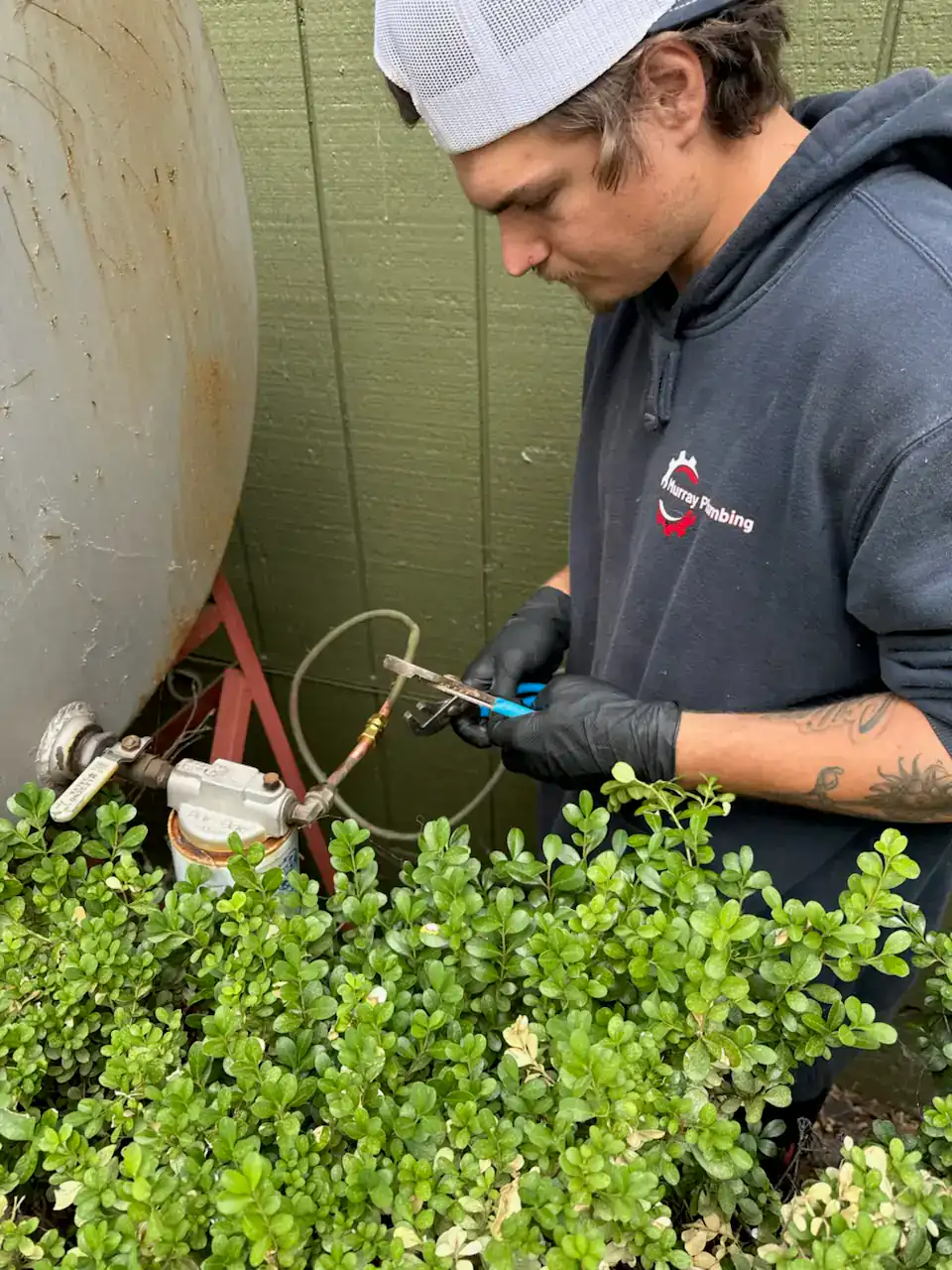
It starts with a phone call. You describe what you’re seeing a wet spot, a high water bill, a sound you can’t place and we assess the situation right there. If it’s urgent, same-day dispatch is the standard, not the exception. For active leaks or burst pipes, our 24/7 emergency response means someone is moving toward your property, not putting you on a callback list.
Once on-site, the first step is locating the leak accurately. That matters more than it sounds, especially in Rescue where properties often have longer underground supply lines running from a wellhead or meter to the house, and sometimes out to a secondary structure or irrigation zone. Finding the exact source before opening walls or digging up a yard saves time, money, and a lot of unnecessary disruption. For homes on private wells, our diagnostic process also accounts for pressure tank behavior and pump-side indicators that a standard municipal-supply inspection would miss.
After the source is confirmed, you get a clear, exact price not a range, not an estimate that grows once work begins. Because Rescue is unincorporated, any plumbing project over $500 requires a licensed contractor and may require a permit through El Dorado County. We handle that process correctly, which protects your insurance coverage and keeps the work on record if you ever sell the property.
Ready to get started?
Water leak repair in Rescue covers a wider range of scenarios than it does in a dense suburban city. We handle the full scope slab leaks, wall and ceiling leaks, toilet and supply line failures, underground water line breaks, and irrigation system leaks that often go unnoticed until a summer water bill tells a different story. Each one gets the same process: locate it accurately, quote it honestly, fix it permanently.
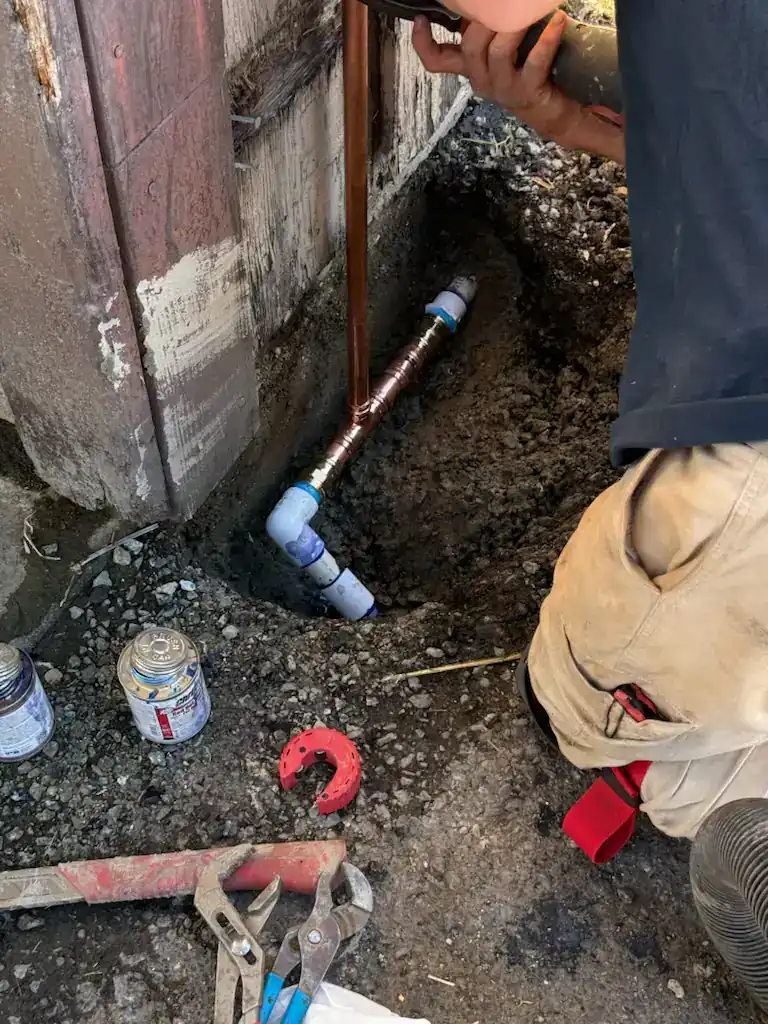
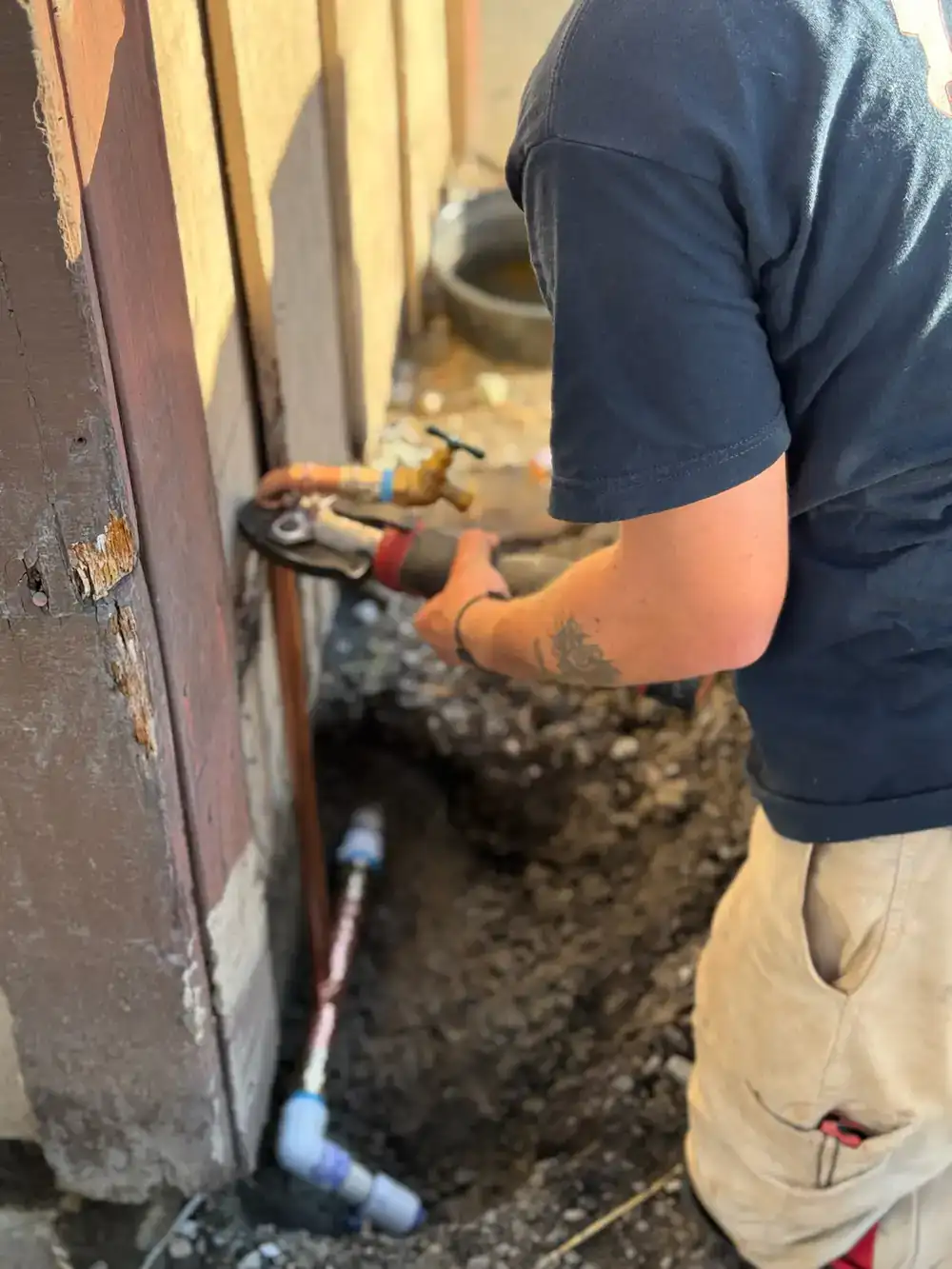
Underground line repair is especially relevant here. Rural parcels in Rescue frequently have long runs of buried supply line from a well pump to the house, from the main shutoff to an outbuilding, or across an irrigation zone covering a large lot. These leaks don’t announce themselves with a puddle on the floor. They show up as soggy ground in an otherwise dry yard, or a water pressure drop you can’t explain. The detection equipment we use is built for exactly this kind of job finding the break without excavating your entire property.
For homes connected to the El Dorado Irrigation District or running on private wells, our repair approach is calibrated to the specific system. Well-water properties get a diagnostic that includes the pressure side of the system, not just the visible plumbing. All work is performed under a valid California C-36 license and permitted through El Dorado County where required so what gets fixed stays fixed, and stays documented.
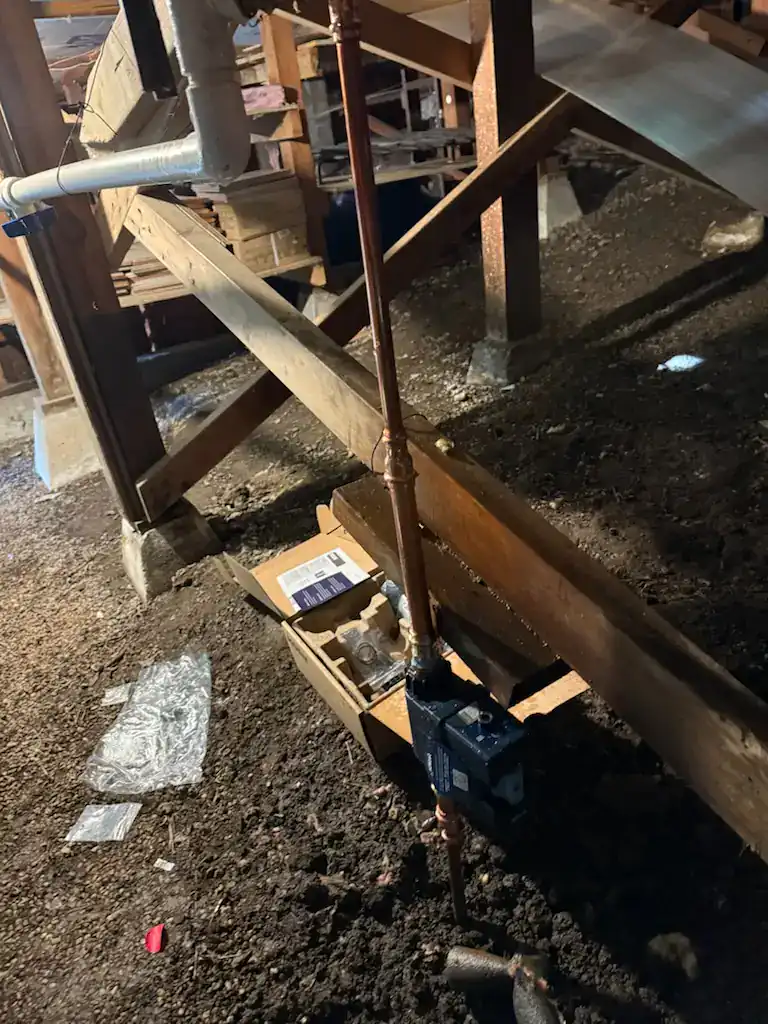
The most common signs are a water bill that’s noticeably higher than usual without a clear reason, a drop in water pressure across multiple fixtures, or a sound a faint hiss or drip that you can hear inside a wall or under the floor when everything is turned off. You might also notice a soft spot in your flooring, a musty smell near a wall, or a patch of drywall that feels slightly damp to the touch.
In Rescue, where a lot of homes were built around 1990, hidden leaks often develop inside walls where older copper fittings have started to pit or corrode. The mineral content in local water whether you’re on El Dorado Irrigation District supply or a private well can accelerate that process over time. If you’re seeing any combination of these signs, it’s worth having someone come out and check before the damage behind that wall becomes a much bigger conversation.
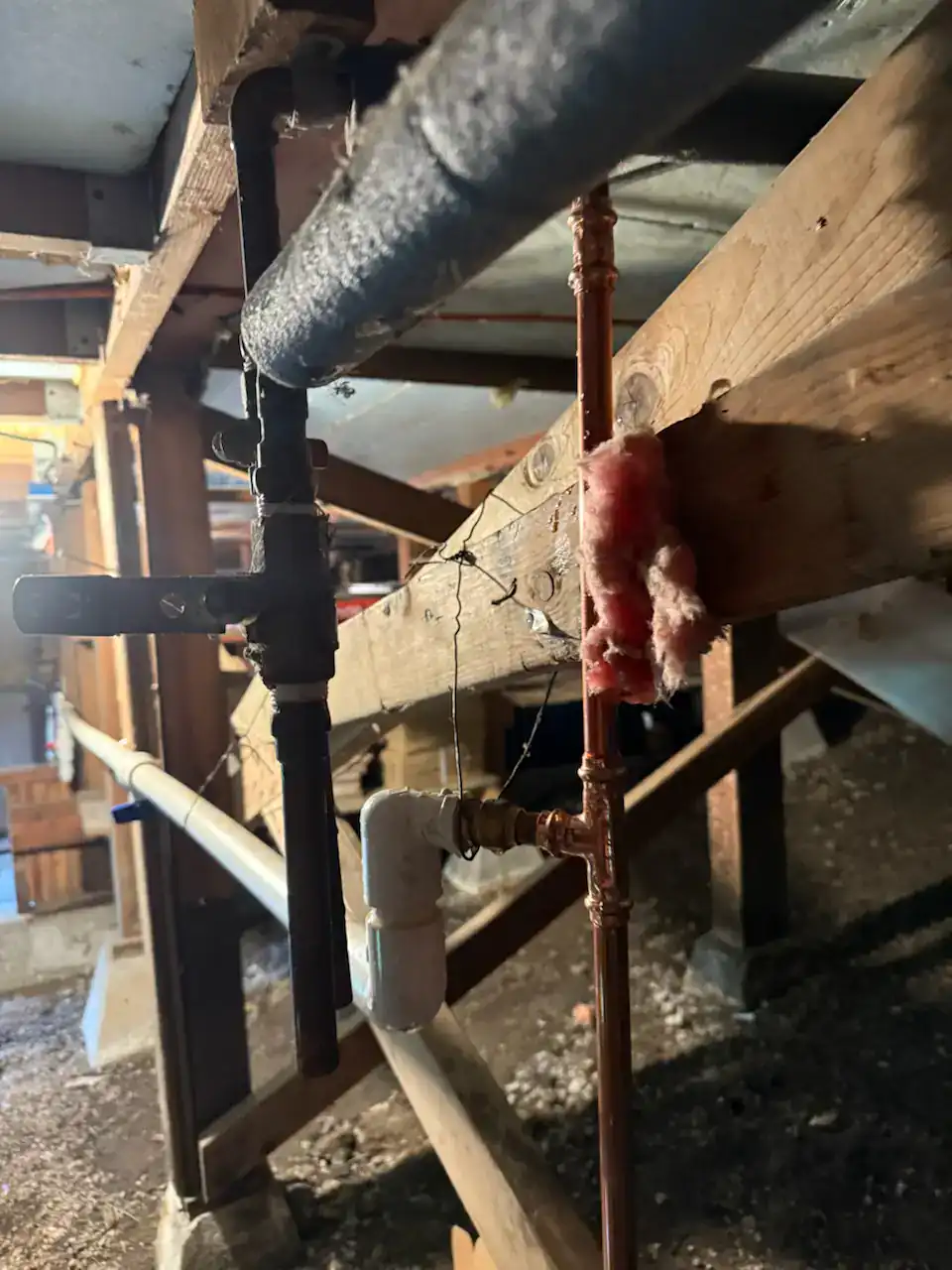
Homes built in the late 1980s and early 1990s which describes a large portion of Rescue’s housing stock were typically plumbed with galvanized steel or early copper pipe. Galvanized steel corrodes from the inside out over time, gradually reducing water pressure and eventually developing pinhole leaks or joint failures. Copper holds up longer but isn’t immune, especially in areas with hard or mineral-heavy water where pitting corrosion is more common.
The freeze-thaw cycle at Rescue’s elevation adds another layer. At around 1,200 feet, winter temperatures drop low enough to stress pipes in uninsulated crawl spaces, garages, and any exposed outdoor runs. A pipe that survives a cold snap without bursting can still develop a slow leak at a fitting or joint that was weakened by the pressure. Left alone, even a small leak creates conditions for mold growth within 24 to 48 hours of sustained moisture and water damage claims average around $15,400 nationally, with serious cases running well beyond that.
It depends on the scope of the work. Minor repairs replacing a supply line under a sink or fixing a toilet valve typically don’t require a permit. But any plumbing project with a value over $500, or work that involves opening walls, replacing sections of pipe, or modifying the water supply system, generally does require a permit through the El Dorado County Building Division. Because Rescue is unincorporated, there’s no city building department involved everything goes through the county.
California state law also requires that any plumbing project over $500 be performed by a licensed contractor holding a valid C-36 Plumbing Contractor license. This isn’t optional and it isn’t waived by the rural or unincorporated status of the property. Hiring an unlicensed plumber for work that requires a permit creates real exposure insurance claim complications, disclosure issues when you sell, and liability for unpermitted work that a future inspection could flag. We hold a valid C-36 license and handle the permit process through El Dorado County correctly.
Yes and it’s important to use one who understands how well-water systems work, not just standard municipal supply lines. A leak on a well-fed property can involve the underground distribution line from the wellhead to the house, the pressure tank, the connections at the pump, or any of the supply lines running through the home itself. Each of those has different diagnostic indicators, and treating a well-water leak the same way you’d treat a city-supply leak often means missing the actual source.
We’ve been working in El Dorado County for over 24 years, which means we’ve worked on the mix of municipal and private well systems that define properties throughout Rescue and the surrounding foothill communities. If your property runs on a well, our diagnostic process accounts for pressure-side behavior and pump indicators not just what’s visible inside the house. Well construction, deepening, or major well repair requires separate permits through El Dorado County’s Environmental Management Department, which is a distinct process from standard plumbing permits.
Same-day response is the standard for most calls, and for active leaks or burst pipes, our 24/7 emergency dispatch means someone is on the way not on a callback list. Our customer reviews consistently describe arrivals within hours of the initial call, including Sunday mornings and after-hours situations where other companies weren’t available or weren’t willing to make the drive.
Rescue’s rural character means not every plumbing company treats it as a priority service area it’s often listed as a “nearby area” tacked onto an El Dorado Hills or Cameron Park service zone, which translates to longer wait times and less urgency. We serve El Dorado County directly, which means a call from a Green Valley Road address in Rescue gets the same response priority as any other call in our service area. When water is actively spreading through your home, that difference matters more than most people realize until they’re in the middle of it.
A spike in your water bill without an obvious source is one of the clearest signs of a hidden or underground leak. The most common culprits are underground supply lines the buried pipe running from your meter or wellhead to the house, or lines feeding outbuildings and irrigation zones across a larger rural lot. These leaks don’t produce a puddle you can see. They saturate the soil around the pipe and sometimes show up as an unusually green or soggy patch in an otherwise dry yard, but often there’s no visible sign at all until the bill arrives.
In Rescue, where properties tend to sit on larger parcels with longer underground line runs than you’d find in a Roseville subdivision, this type of leak can go undetected for months. Irrigation system leaks are also common during summer when systems run frequently a cracked valve, a failed drip emitter connection, or a break along a lateral line can waste thousands of gallons before it registers as a problem. A professional leak detection visit can locate the source without excavating your entire yard, and getting it fixed quickly is almost always less expensive than waiting another billing cycle to see if it gets worse.