
Hear from Our Customers
Your Cal Am Water bill stops climbing for no reason. The musty smell in the hallway disappears. The soft spot near the bathroom floor firms back up. These aren’t small things they’re signs that water has been moving somewhere it shouldn’t, and the longer it goes, the more it takes with it.
Most homes in Rosemont were built between 1970 and 1999. That’s 25 to 50 years of galvanized pipes, older copper lines, and in many cases polybutylene supply systems that were never meant to last this long. When those materials start to fail and they do the leaks don’t announce themselves. They hide inside walls, under slabs, and beneath flooring until the damage is already done.
Slab foundations are common throughout Rosemont, and they make detection harder. Water can travel several feet from the actual break before it surfaces, which means the wet spot you’re looking at may not be anywhere near the real problem. Getting the diagnosis right the first time is what separates a clean repair from a job that fails again in six months. That’s the difference you’re paying for.
We’ve been working in Sacramento County for over 24 years, including the neighborhoods along the US-50 corridor Rosemont, La Riviera, Rancho Cordova and the kind of aging housing stock that defines this stretch of the Sacramento Valley. We know what’s typically inside the walls of a home built in 1978 on this side of town. We’ve seen it enough times to diagnose it quickly and fix it without guessing.
When you call us, a real person picks up not a call center, not a routing system. Our 24/7 emergency line exists because water doesn’t wait for Monday morning, and neither should you. We hold a 4.7 out of 5 rating on Google across 93 verified reviews, and the thing customers mention most is that the final bill came in at or below what we quoted. That’s not an accident it’s how we operate.
When you call, we ask a few straightforward questions what you’ve noticed, how long it’s been happening, where in the house it seems to be coming from. That conversation helps us show up with the right equipment and a realistic picture of what we’re dealing with before we walk through your door.
Once on-site, we use electronic and acoustic detection tools to locate the leak precisely. This matters especially in Rosemont, where slab-on-grade construction is common and supply lines often run directly through or under the concrete. Finding the exact location before we touch anything is what keeps the repair targeted and the disruption minimal. After detection, we walk you through what we found, where it is, and what it will take to fix it with the full cost laid out before any work begins. No hourly ambiguity, no line items that appear after the fact.
Because Rosemont falls under unincorporated Sacramento County, any permitted plumbing work goes through the county not a city building department. We handle that process. We also understand where Cal Am Water’s responsibility ends and yours begins on the service line, so if the break is between their meter and your home, you know exactly what that means for the repair and who’s responsible for what.
Ready to get started?
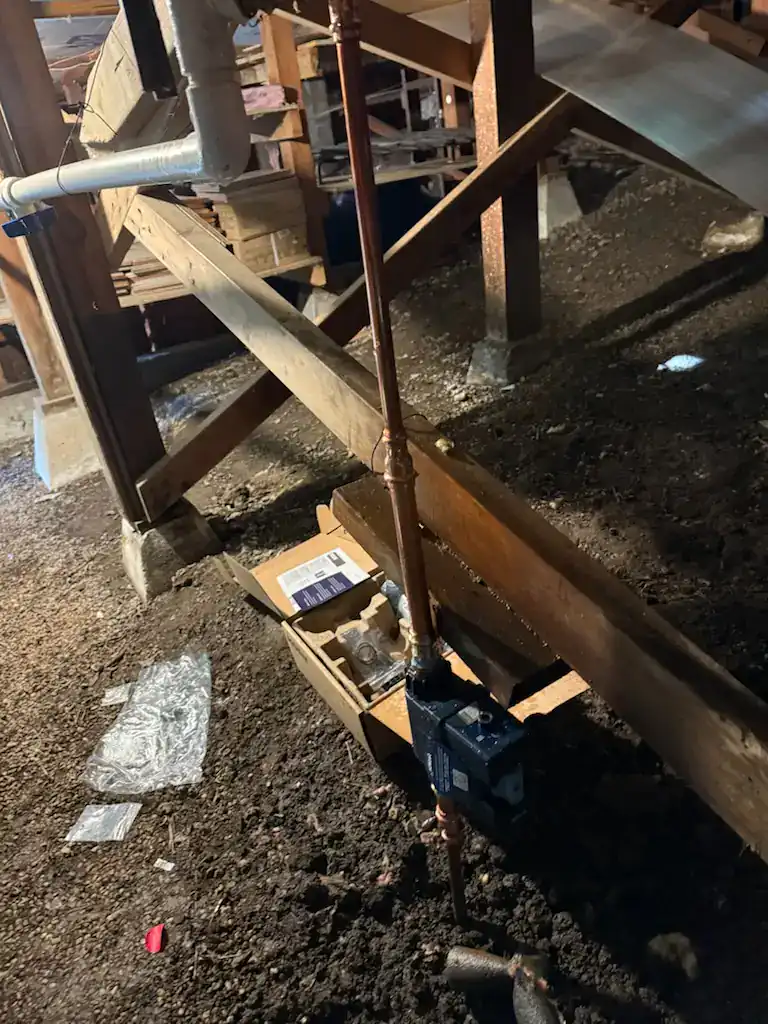
Water leak repair in Rosemont covers a wide range of situations, and they don’t all look the same. Slab leaks are among the most common and most damaging water migrating through or under a concrete foundation can compromise flooring, substructure, and even the slab itself before it becomes visible. We locate these with professional detection equipment and access the pipe with targeted precision rather than exploratory demolition.
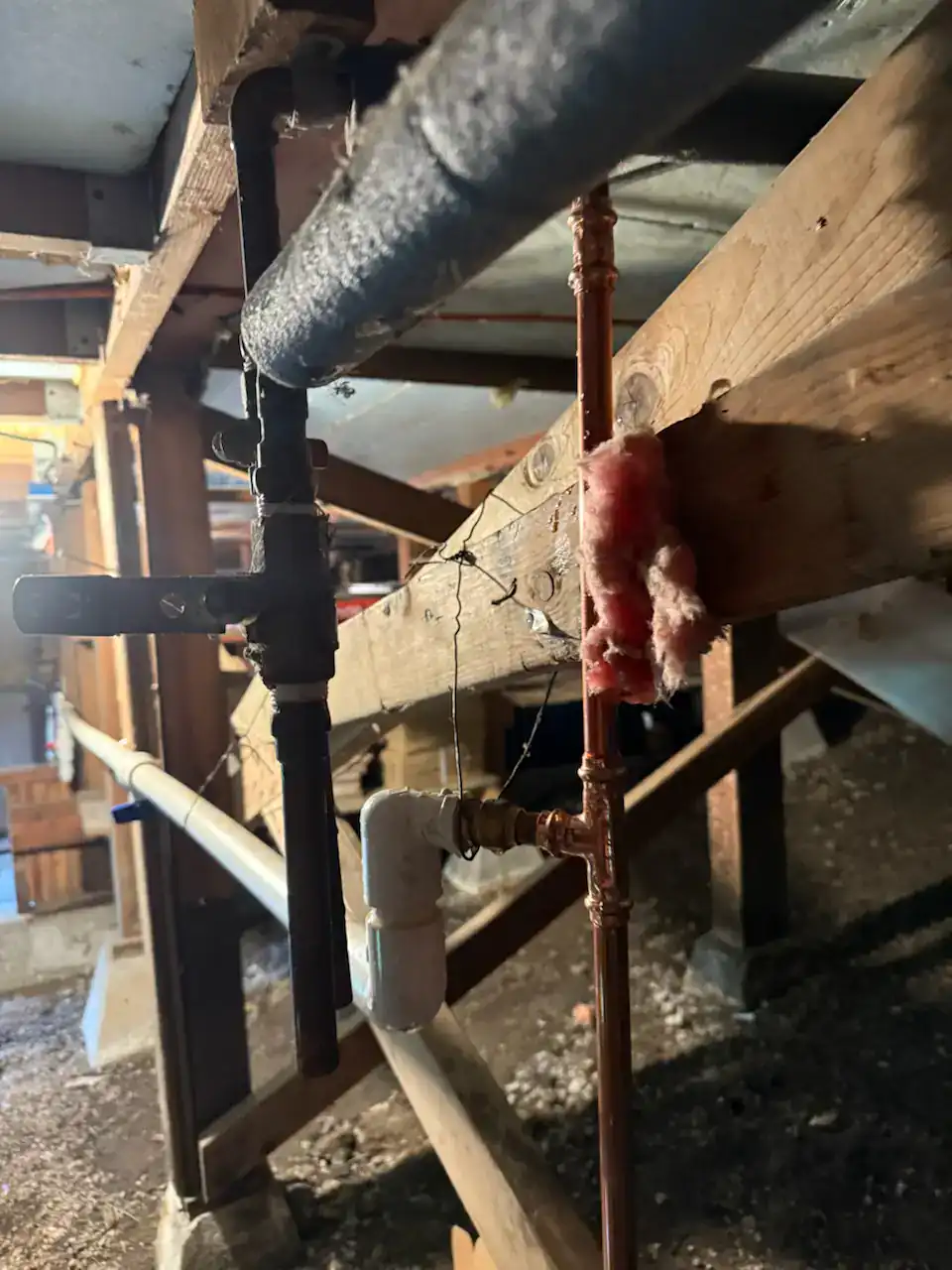
Wall leaks and ceiling leaks often trace back to supply lines or drain connections that have corroded or shifted over time. In homes built in the 1970s and 1980s which describes most of the housing stock between Kiefer Boulevard and Folsom Boulevard in Rosemont galvanized steel pipes are a known culprit. They corrode from the inside out, and by the time you see discoloration or a drip, the pipe wall is already compromised. Toilet leak repair, water line repair, and underground service line work are also part of what we handle regularly throughout Rosemont and the surrounding Sacramento County communities.
If you’ve noticed your Cal Am Water bill spiking without a clear reason, that’s worth a call. A hidden leak running continuously can waste thousands of gallons a month, and the utility bill is often the first real indicator something’s wrong before any physical damage becomes visible.
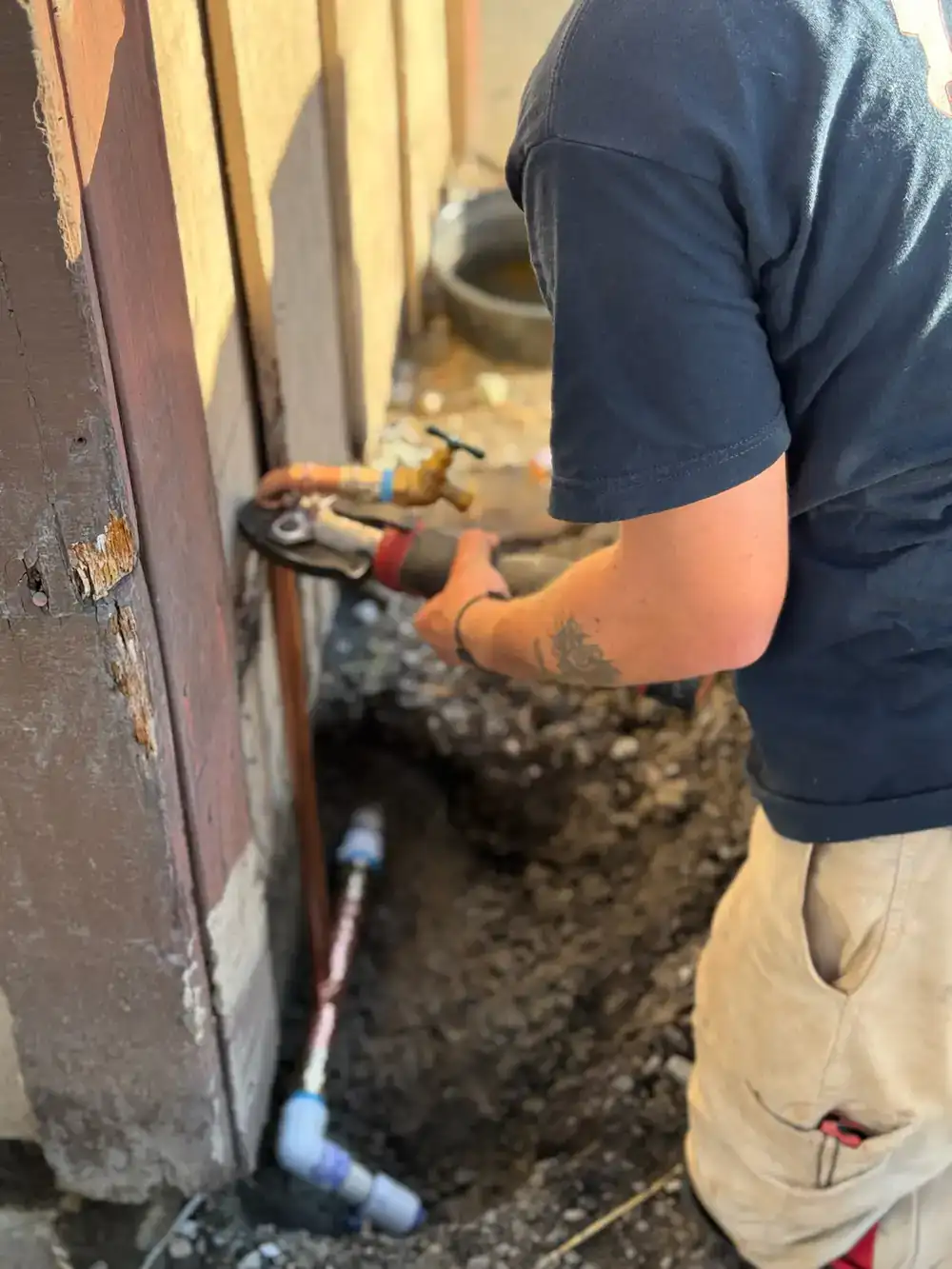
A sudden increase in your Cal Am Water bill without any change in how much water you’re actually using is one of the most reliable early signs of a hidden leak. Cal Am meters consumption continuously, so even a slow, steady drip inside a wall or under a slab will show up in your monthly usage before you ever see physical damage.
The tricky part is that many of these leaks are completely invisible from the surface. They can run for weeks or months inside a wall cavity, under a slab, or along a service line buried in your yard. By the time you see a stain, smell something musty, or notice soft flooring, the water has usually been there long enough to create a secondary problem. If your bill jumped $40 or more without explanation, it’s worth having someone check it out rather than waiting to see if it corrects itself it won’t.
Slab leaks tend to show up in a few specific ways. You might notice warm spots on your floor especially on tile or hardwood which can indicate a hot water line leaking beneath the slab. You might hear water running when everything in the house is turned off. In some cases, you’ll see cracks forming in baseboards or flooring that weren’t there before, or notice a section of carpet that stays damp without any obvious source.
Rosemont has a high concentration of slab-on-grade homes built in the 1970s through the 1990s, and the supply lines embedded in those slabs are now at an age where failures are common. The Sacramento Valley’s summer heat and the soil movement that comes with the wet-dry seasonal cycle both add stress to older pipe materials over time. If you’re seeing any of these signs, don’t wait slab leaks get significantly more expensive the longer they go unaddressed.
The three pipe materials that show up most often in water leak calls throughout Rosemont are galvanized steel, polybutylene, and older copper. Galvanized steel was the standard in homes built before 1980 and corrodes from the inside out meaning the pipe looks fine on the outside while the interior is heavily scaled and narrowed, eventually developing pinhole leaks or failing at joints. Polybutylene was installed in many homes built from the late 1970s through the mid-1990s and is known to degrade over time, particularly where it connects to fittings.
Older copper lines can also develop pinhole leaks as they age, especially in areas where water chemistry or soil conditions accelerate corrosion. With the majority of Rosemont’s housing built between 1970 and 1999, most homes in the neighborhood are working with at least one of these materials somewhere in their system. If your home is in that age range and you’ve never had the plumbing evaluated, it’s worth knowing what you’re working with before something fails unexpectedly.
It depends on the scope of the work. Minor repairs replacing a section of pipe, fixing a leaking joint, swapping out a toilet valve typically don’t require a permit. But more involved work, like repiping a section of your home, repairing or replacing a slab-embedded line, or doing significant water service line work, usually does require a permit through Sacramento County.
Because Rosemont is an unincorporated community, permits go through Sacramento County’s Department of Community Development not a city building department. This catches some homeowners off guard when they’re used to dealing with incorporated cities like Folsom or Rancho Cordova. We handle the permitting process when it’s required, so you don’t have to navigate the county system on your own. All work is completed to California Plumbing Code standards by a licensed C-36 contractor.
The cost depends heavily on where the leak is and how accessible it is. A straightforward toilet leak or visible supply line repair might run a few hundred dollars. A slab leak which requires electronic detection, targeted concrete access, and pipe repair or rerouting can range from $1,500 to $4,000 or more depending on the depth, location, and extent of the damage. Underground water service line repairs fall somewhere in between, depending on how much of the line is affected and whether excavation is needed.
What we commit to is giving you the full cost before any work starts. No hourly billing that balloons once the job is open. No additional line items that appear on the invoice after the fact. Multiple customers have noted that their final bill came in at or below the original estimate. In a community like Rosemont where home values have risen significantly and protecting that investment matters knowing the number before you say yes is a reasonable expectation, and it’s one we meet consistently.
Yes, and it’s more common in Rosemont than people expect. The mature trees that line many of the neighborhood’s streets and yards a lot of them planted when the subdivisions were developed in the 1970s and 1980s now have root systems that are 40 to 50 years old. Those roots are actively seeking moisture, and older water service lines or sewer laterals with hairline cracks are exactly what they find.
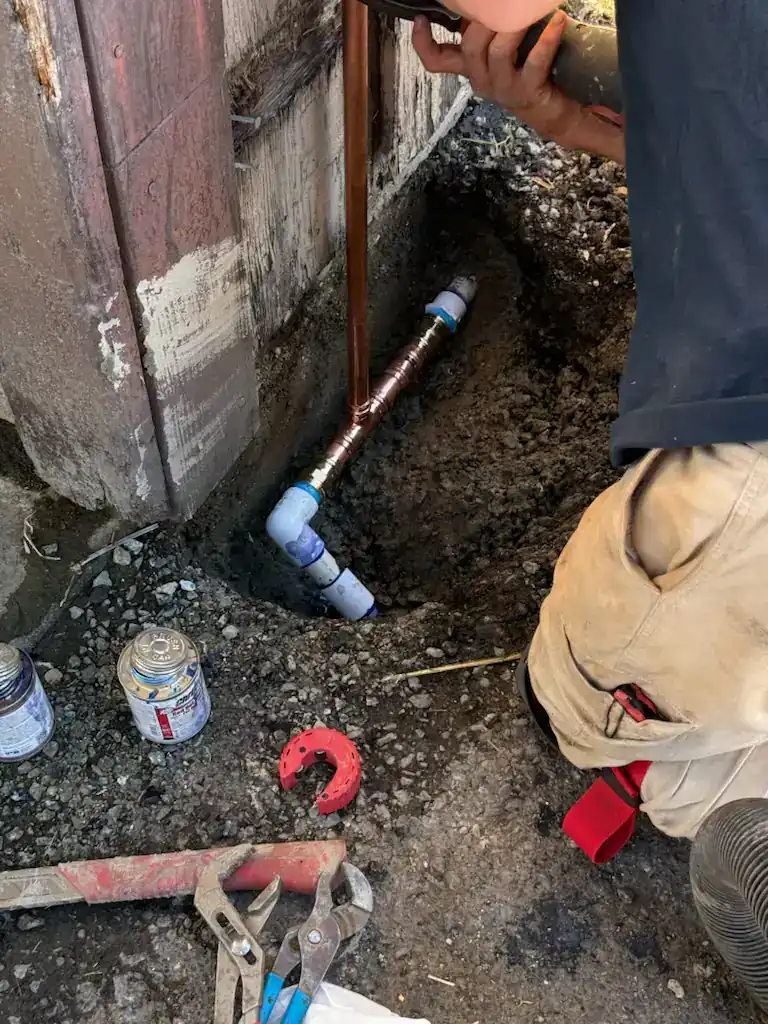
Root intrusion typically starts small. A fine root tip enters a crack in an aging clay or cast-iron line, and over time it expands, widening the crack and eventually causing a partial or full blockage or a leak that shows up as wet ground, unusually green patches in the lawn, or a persistent sewer smell near the foundation. If your home sits near large established trees and you’re noticing any of these signs, it’s worth having the line inspected. Catching root intrusion early is a straightforward fix catching it after the line has collapsed is not.