
Get a free quote for water leaks from your local plumbing team.
We’ll contact you about your water leaks request. Privacy policy
Hear from Our Customers
A hidden water leak doesn’t just waste water it works quietly against everything you’ve invested in your property. The EPA estimates the average home loses around 10,000 gallons a year through leaks alone, and for Shingle Springs homeowners sitting on properties worth upward of $720,000, that’s not a number to ignore. When the leak is found and repaired correctly, your water bill drops, the moisture stops feeding mold behind your walls, and you stop wondering what’s happening inside your foundation.
Out here along the Highway 50 corridor, the conditions are different than they are in the valley. Foothill properties at around 1,250 feet deal with freeze-thaw cycles that stress pipes in crawl spaces and outbuildings, particularly during those cold snaps in January and February when the terrain valleys around Shingle Springs trap cold air overnight. If your home sits on acreage and runs off a private well, you’ve got longer service lines and a pressure tank in the mix more points where a slow leak can develop and go undetected for weeks before you even notice a change in your water pressure.
Getting this fixed isn’t just about the repair itself. It’s about not watching a $15,000 water damage insurance claim turn into a $55,000 structural problem because something small got ignored for one more season. A proper repair done with the right diagnosis, the right parts, and the right process means you’re not dealing with the same issue again next winter.
We’ve been serving El Dorado, Sacramento, and Placer Counties for over 24 years, which means we’ve been working on Shingle Springs foothill homes long enough to know what older shutoff valves look like on acreage properties off South Shingle Road, what hard water does to supply lines over time, and why oak tree roots are one of the more common culprits behind slow sewer line damage in this area.
The thing that sets us apart in a market where contractor trust is earned slowly is simple: you get the exact cost before any work starts. No hourly ambiguity, no rural call-out fees buried in the invoice, no number that changes when the job is done. Our customers have noted that their final bills came in at or below the original estimate which is rare enough in this industry that it’s worth saying plainly. Our California contractor license #916322 is posted publicly, which means you can verify it before you ever pick up the phone.
We hold a 4.7 out of 5 Google rating based on 93 verified reviews. In a tight-knit community like Shingle Springs, that kind of reputation doesn’t happen by accident.
It starts with a call and a real person picks up, whether it’s 2 in the afternoon or 2 in the morning. If you’ve got an active leak, we’ll walk you through whether to shut off your main while a technician gets dispatched. For properties on El Dorado Irrigation District service, that shutoff is on your side of the EID meter and knowing that distinction matters when water is moving fast.
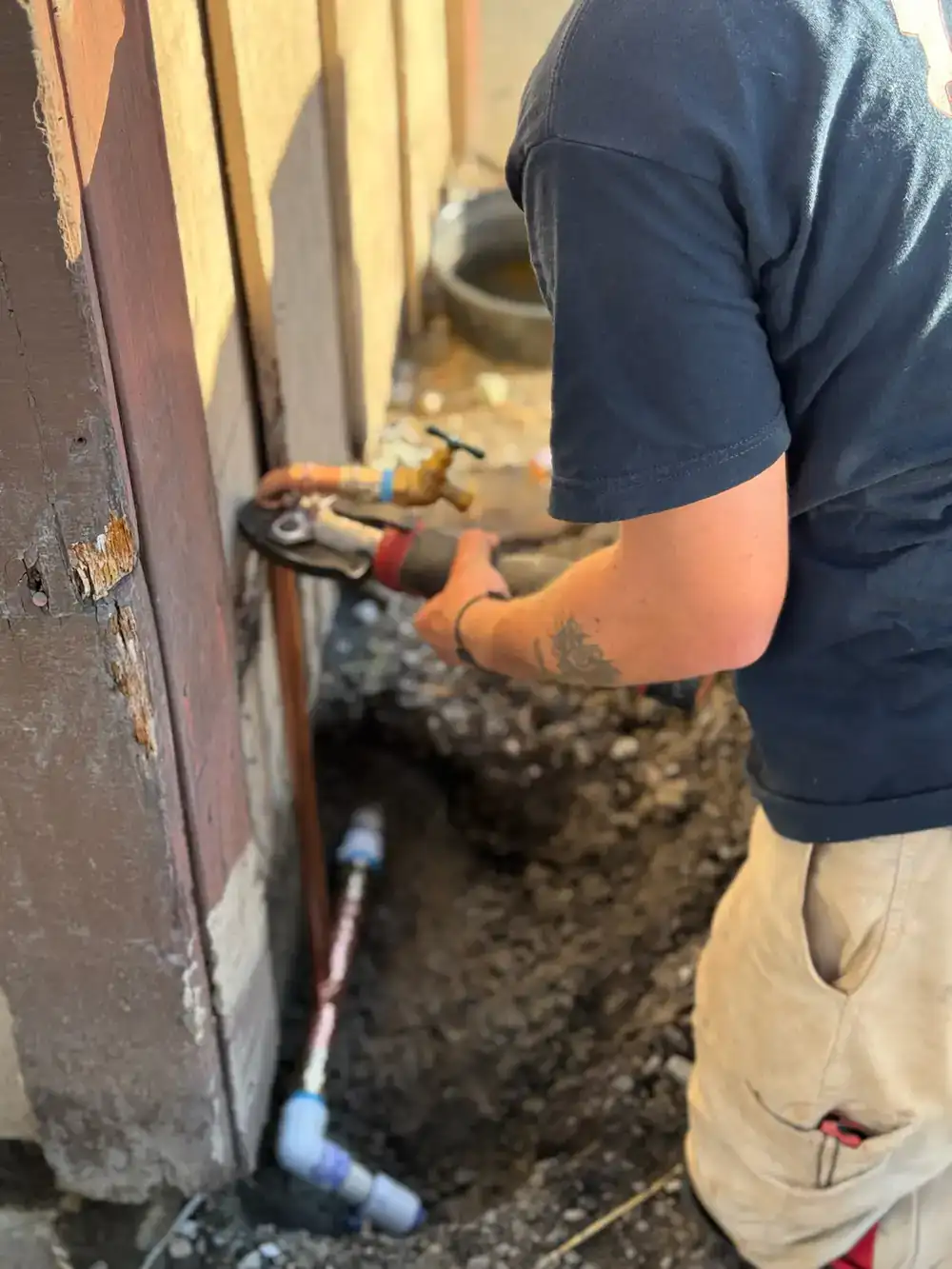
Once on-site, our first step is finding the leak before anything gets opened up. We use acoustic listening equipment, pressure testing, and camera inspection to locate the source whether it’s behind a wall, under a slab, or underground along a service run on a rural lot. Shingle Springs properties with mature oaks in the yard get a closer look at sewer laterals, where root intrusion is a documented and common issue. You’ll know exactly where the problem is and what the repair will cost before any work begins.
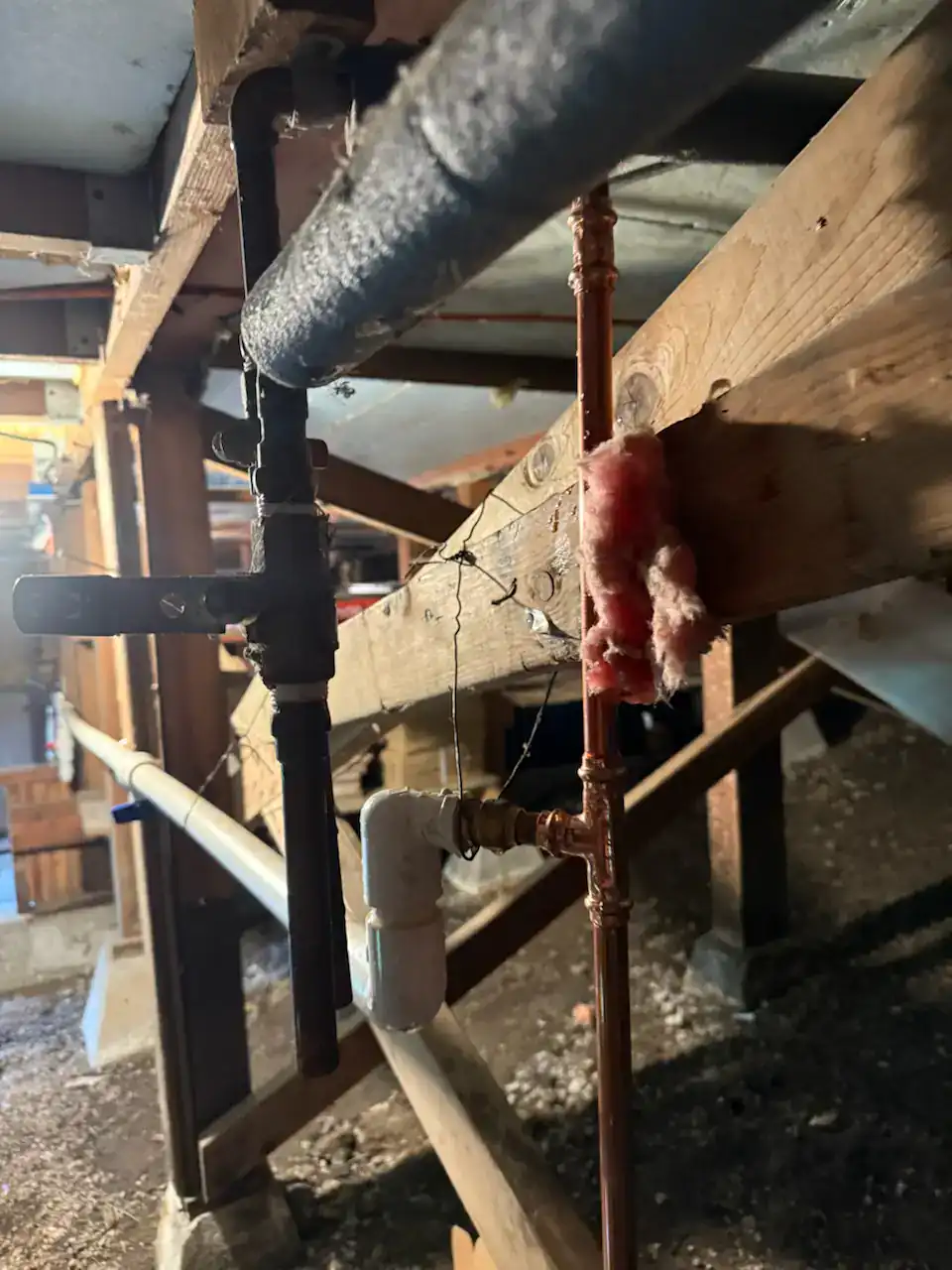
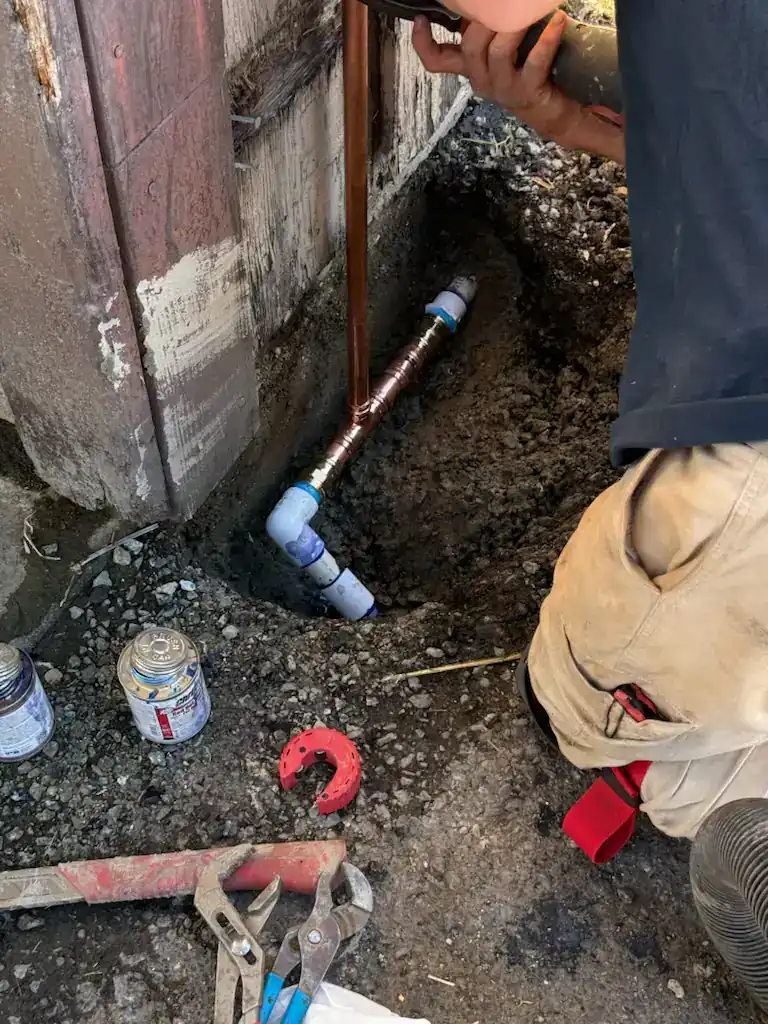
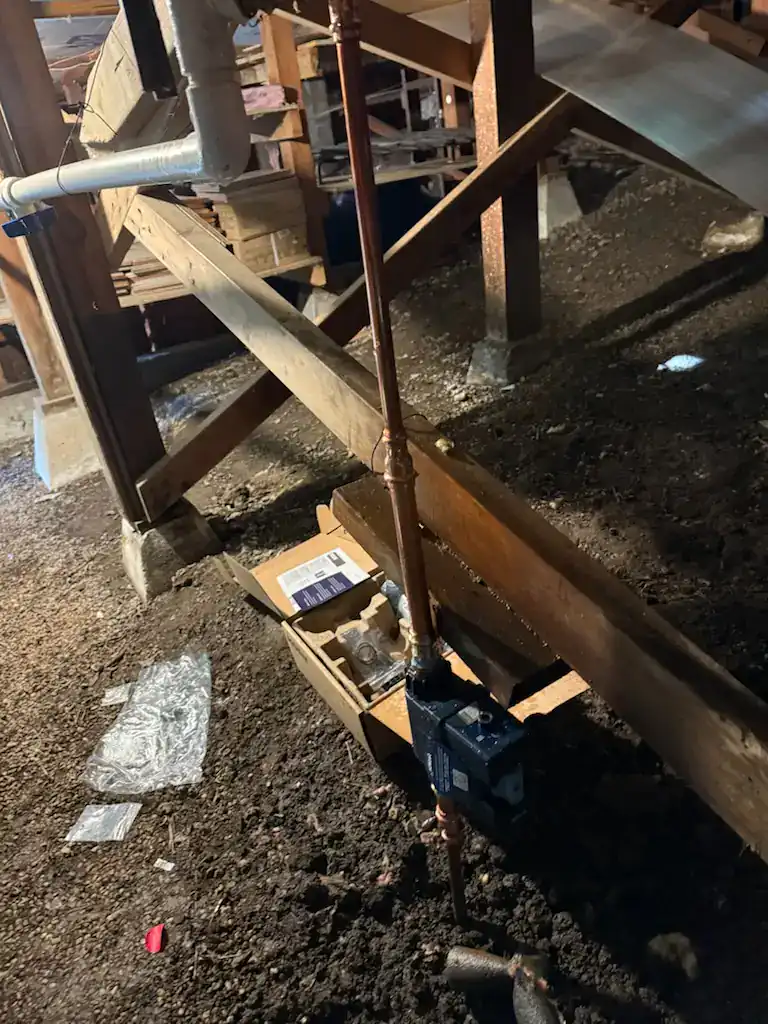
The repair itself uses code-compliant materials suited for foothill conditions not the cheapest available fix. El Dorado County’s Planning and Building Division governs permitted plumbing work in unincorporated Shingle Springs, and we handle permit coordination when it’s required so you don’t have to navigate that process yourself. When the job is done, the repair is verified on-site before our technician leaves your property.
Ready to get started?
Water leak repair in Shingle Springs covers more ground than it does in a standard suburban neighborhood. We handle the full range wall leaks, slab leaks, underground water line leaks, toilet leaks, under-sink and supply line failures, and outdoor service line breaks between the EID meter and your home. For properties on private wells, that includes pressure tank connections, distribution lines, and the longer underground runs that are common on acreage lots off Durock Road or North Shingle Road.
The hard water supply in the foothills accelerates mineral buildup inside pipes and at fixture connections, which is why older homes in Shingle Springs tend to see more frequent fitting failures than newer construction. Newer homes built during Shingle Springs’ growth years many plumbed with PEX are more flexible but still vulnerable at fittings and during hard freeze events. Mobile homes, which make up about 12% of the housing stock here, have their own set of vulnerabilities with exposed underbelly piping and older pressure fittings that require specific handling.
We offer emergency water leak repair in Shingle Springs 24 hours a day, seven days a week. Calls spike significantly in December, January, and February when freeze events hit so if you’re dealing with something urgent during those months, same-day response is the standard. Whatever the season, the process stays the same: locate it accurately, price it honestly, fix it to last.
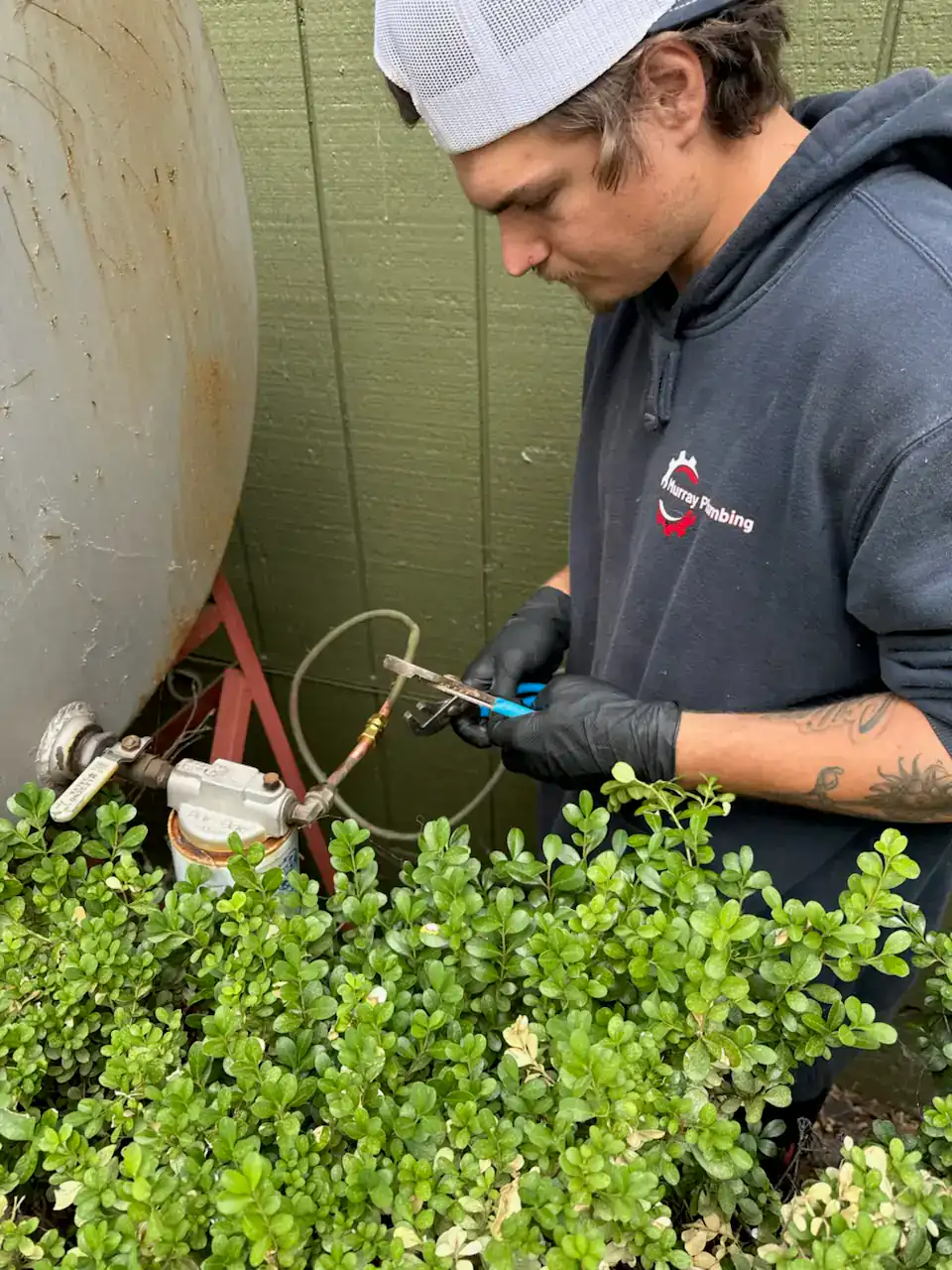
The most common signs are a water bill that’s higher than usual without any change in your usage, the sound of running water when everything in the house is off, warm or damp spots on the floor, and discoloration or soft patches on walls or ceilings. In Shingle Springs, a few local conditions make leaks easier to miss. If your property is on a private well, you won’t see a utility bill spike the same way an EID-connected home would instead, you might notice a drop in water pressure or the pressure tank cycling more frequently than normal. On larger acreage lots in the Shingle Springs area, an underground line can leak for days before it surfaces as a wet patch in the yard or a soft spot in the soil. If you suspect something but can’t locate it, don’t wait. A slow leak left alone through a wet El Dorado County winter can do significant damage before it becomes visible.
The foothill environment puts specific stress on plumbing that flat-valley homes don’t deal with in the same way. Hard water from the local supply causes mineral buildup inside pipes and at fittings over time, which gradually weakens connections and accelerates corrosion in older copper and galvanized steel lines. Freeze-thaw cycles even mild ones at Shingle Springs’ 1,250-foot elevation stress pipes in crawl spaces, exterior walls, and outbuildings, particularly in terrain valleys where cold air settles overnight. Older shutoff valves on properties that haven’t had plumbing work done in years are another common failure point valves that haven’t been turned in a decade often fail or leak when finally operated during an emergency. And for properties with mature oak or pine trees in the yard, root intrusion into sewer laterals is one of the more consistent causes of slow, hidden drainage leaks that don’t show up until there’s soil erosion or a backed-up line.
This is one of the most common points of confusion for homeowners in the El Dorado Irrigation District service area. EID is responsible for the meter itself and the infrastructure on their side of it but the service line running from the meter to your home is your responsibility as the homeowner. That means if there’s a leak in that underground stretch, the repair cost falls on you, not the utility. The good news is that this section of line is something we diagnose and repair regularly in Shingle Springs. If you’re seeing a high water bill or a wet area near your meter box, it’s worth having that line inspected. Any work that touches the EID connection point requires coordination with the district, and we handle that process so you’re not left navigating it on your own. Getting it done by a licensed contractor California license #916322 also ensures the work meets EID’s requirements and El Dorado County’s code.
Yes, and it’s more common here than in most suburban areas. Shingle Springs is defined by its oak-studded hills and mature landscaping properties with large oaks or pines near the house have root systems that actively seek out moisture. Clay sewer laterals and older terra cotta pipes are especially vulnerable because roots can infiltrate at joints and gradually expand until the line is partially or fully blocked. Even modern PVC connections can be compromised at joints if root pressure is sustained over time. The challenge is that root intrusion leaks are slow and often go undetected for months. You might notice slow drains, occasional backups, or a soft patch of ground in the yard before anything more dramatic happens. Camera inspection is the most reliable way to confirm root intrusion without unnecessary excavation. If it’s caught early, the repair is straightforward. If it’s left until the line collapses or the soil around it erodes significantly, the scope of work and the cost increases considerably.
The honest answer is that cost depends on where the leak is, what caused it, and how much access is involved. A straightforward toilet supply line or under-sink repair is on the lower end. An underground service line leak that requires locating, excavating, and replacing a section of pipe on a rural acreage lot is more involved. Slab leaks sit somewhere in between depending on depth and the rerouting options available. What we commit to and what our customers have confirmed in their reviews is that you get the exact price before any work starts. There are no hourly billing surprises and no rural call-out fees added after the fact. Some customers have noted their final bills came in below the original estimate. In a market where the fear of being overcharged is real, especially on foothill and acreage properties where contractors sometimes add a distance premium, that kind of upfront clarity is worth a lot. Call for a same-day assessment and you’ll have a real number before anything gets started.
Shingle Springs is an unincorporated community in El Dorado County, which means building and plumbing permits fall under El Dorado County’s Planning and Building Division not a city building department. Whether a permit is required depends on the scope of the repair. Minor repairs like replacing a fixture, fixing a supply line, or patching a small section of pipe typically don’t require a permit. More significant work replacing a section of underground service line, rerouting plumbing inside walls, or any work that affects the structure generally does. For properties within EID’s service area, work that touches the water service connection or backflow prevention devices also requires coordination with the district. We hold California contractor license #916322 and handle permit coordination when it’s required, so you’re not left figuring out which county office to call or what forms to file. The work gets done correctly, inspected properly, and documented which matters if you ever go to sell a property with a $720,000-plus value and a buyer’s inspector starts asking questions.