
Get a free quote for water leaks from your local plumbing team.
We’ll contact you about your water leaks request. Privacy policy
Hear from Our Customers
A leak behind a wall or under a slab doesn’t announce itself. It just keeps going soaking insulation, warping subfloor, feeding mold that can take hold within 24 to 48 hours of first exposure. By the time you notice a stain or a soft spot, the damage has usually been building for weeks. That’s the real cost of a slow leak in South Lake Tahoe: not the repair itself, but everything it quietly destroyed before anyone found it.
Most neighborhoods in South Lake Tahoe Al Tahoe, Bijou, Upper Truckee were built in the 1960s and 70s. The pipes in those homes have been through decades of freeze-thaw cycles, heavy snowpack, and the kind of hard winters that push aging plumbing past its limits. The South Tahoe Public Utility District has repaired over 1,000 water leaks on aging waterlines in just the past five years. The homes connected to that infrastructure are carrying the same wear.
If you own a vacation property or short-term rental in the Tahoe Keys or Tahoe Paradise area, the risk is even more specific. A home sitting vacant through a cold snap is one of the highest-risk scenarios in this market. Getting the leak found and fixed fast before the next guest arrives or the next hard freeze hits is the only move that actually protects the value of what you own here.
We’ve been serving El Dorado County for over 24 years, and South Lake Tahoe has always been core to our territory. This isn’t a franchise routing calls through a regional dispatch center. When you call, you reach someone who knows the difference between a Meyers crawl space in January and a Sacramento slab in July, and why that difference matters for how the job gets done.
We carry a 4.7 out of 5 rating across 93 verified Google reviews. Customers consistently mention on-time arrivals, clear communication, and final bills that came in at or below the original estimate. That last part isn’t a coincidence it’s the result of upfront pricing that gets confirmed before any work starts, every time.
Whether you’re a year-round resident off Pioneer Trail, a property manager juggling three vacation rentals near Heavenly Village, or an absentee owner who just got an alert from a water sensor in your cabin, the response is the same: we show up, we explain what we found, and we fix it right.
When you call us for water leak repair in South Lake Tahoe, CA, the first thing that happens is a real conversation not a form, not a callback queue. You describe what you’re seeing, we ask the right questions, and we give you an honest read on urgency before anyone gets in a truck. If it’s an active leak or a burst pipe situation, we treat it as the emergency it is.
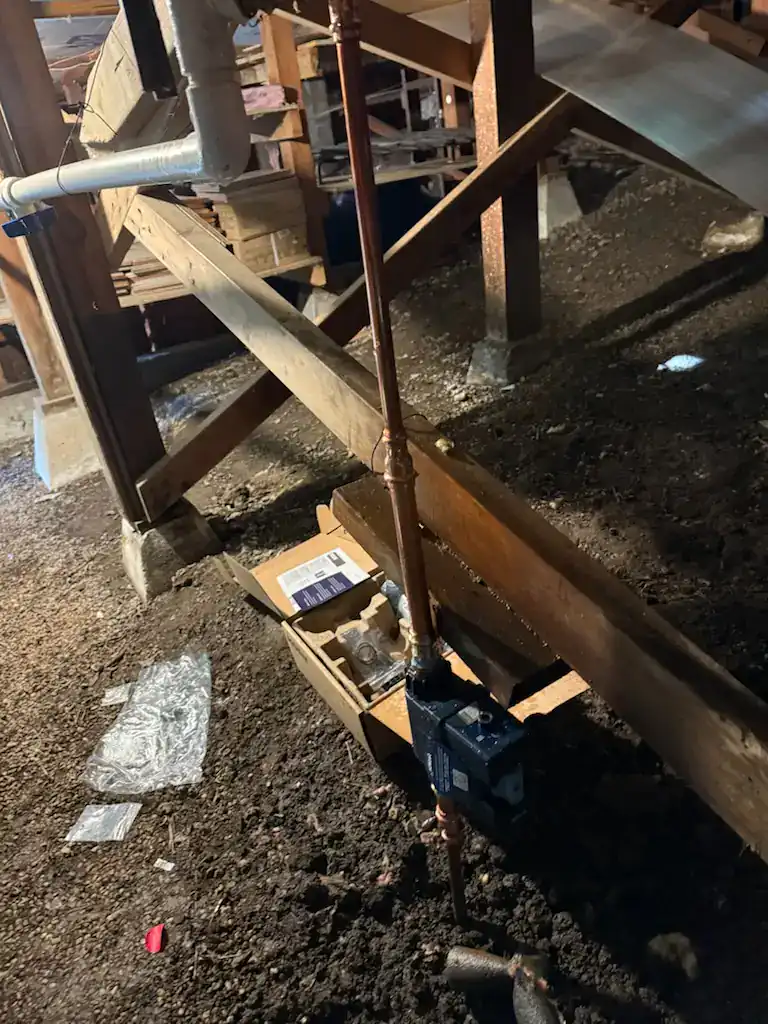
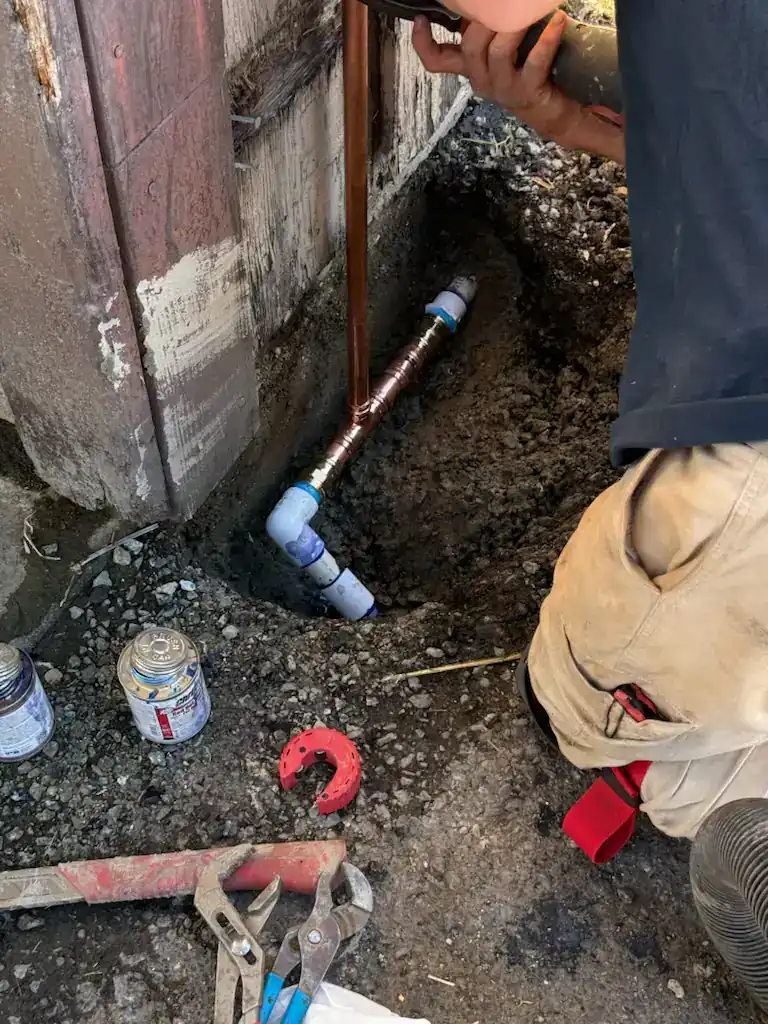
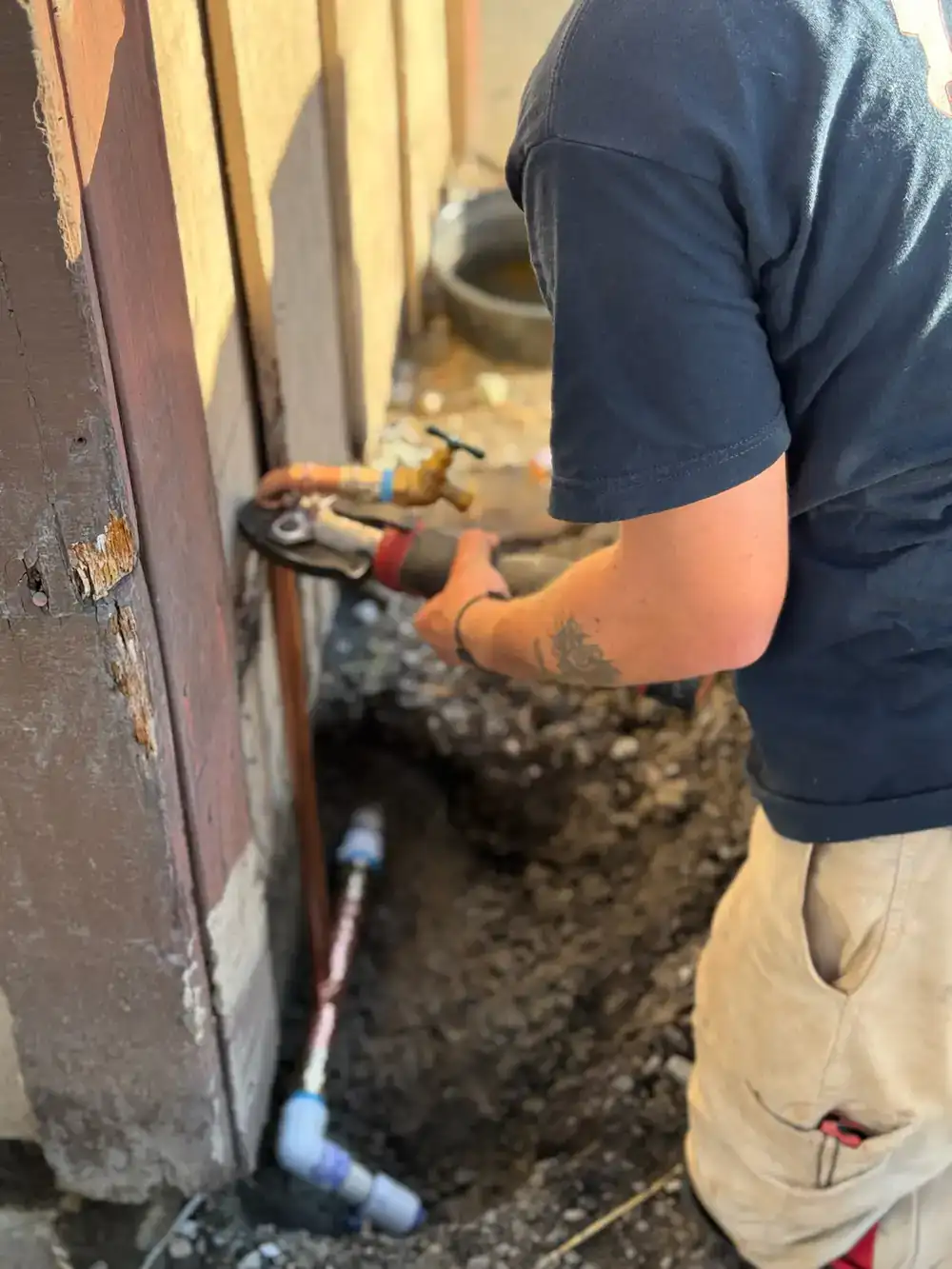
Once on-site, we locate the source of the leak using professional diagnostic methods whether that’s a hidden wall leak in an older Bijou home, an underground line issue in Tahoe Keys where high water tables complicate the picture, or a frozen pipe that let go somewhere in a crawl space. We tell you exactly what we found, where it is, and what it will cost to fix before the repair begins. No open-ended estimates, no scope creep you didn’t agree to.
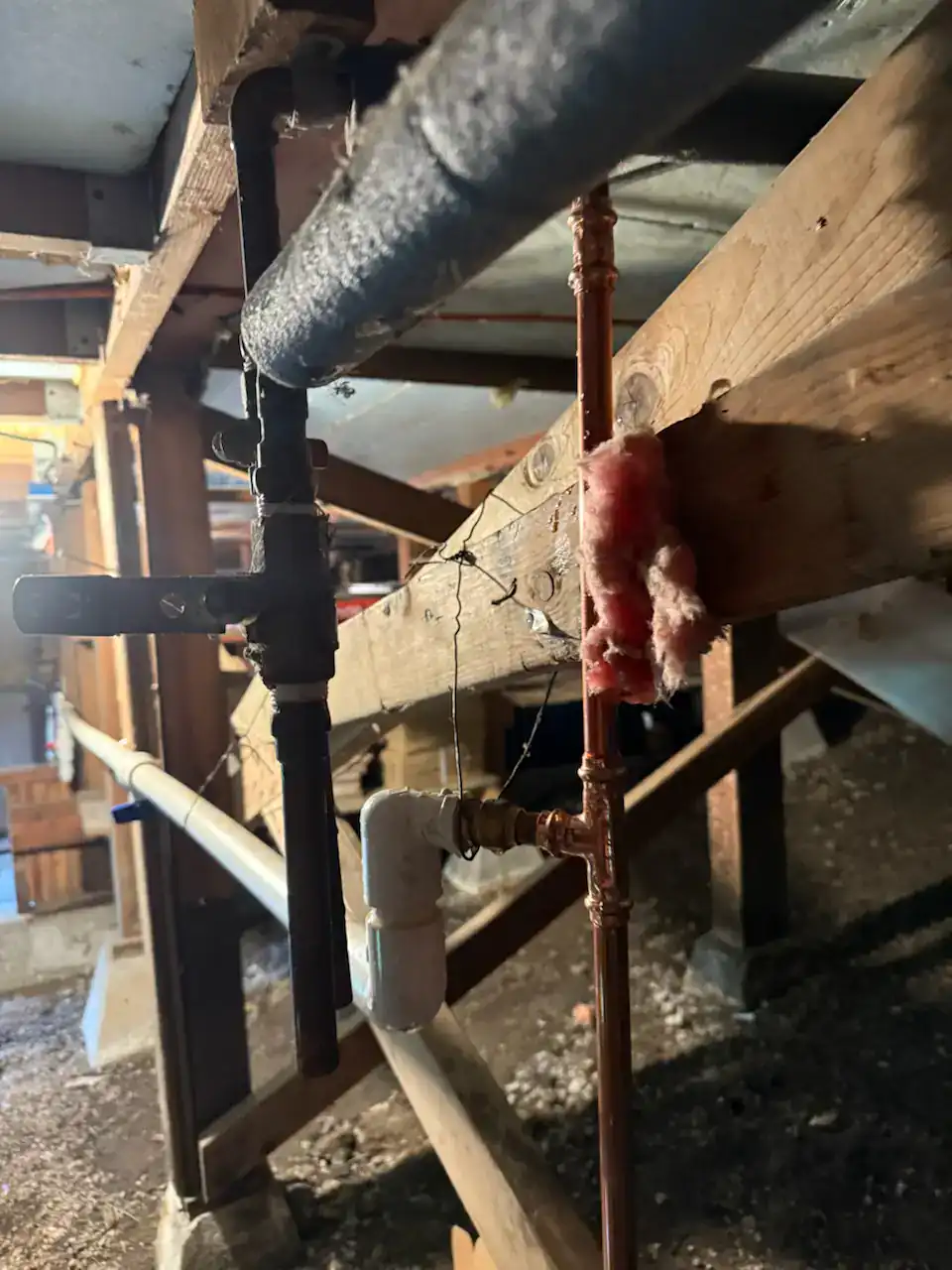
After the repair, we make sure the fix is built for South Lake Tahoe conditions not just patched for now. That means checking insulation, freeze protection, and any adjacent vulnerabilities that could create the same problem next winter. And because plumbing work in the Tahoe Basin can involve both City of South Lake Tahoe building permits and Tahoe Regional Planning Agency requirements depending on the scope, we handle that side of it too, so your repair is documented and compliant.
Ready to get started?
Water leak repair in South Lake Tahoe isn’t one-size-fits-all. The service calls we handle here run the full range: burst frozen pipes in unheated crawl spaces, slow leaks behind walls in older homes along Lake Tahoe Boulevard, underground water line breaks in neighborhoods where tree roots have worked their way into aging pipe joints, toilet and fixture leaks in vacation rental condos near the Heavenly Village base, and slab leaks in homes sitting on challenging mountain soils. Each one requires a different diagnostic approach and a different repair strategy.
For vacation home and short-term rental owners, there’s an added layer that matters: South Lake Tahoe’s Vacation Home Rental permit program requires properties to pass on-site inspections confirming that plumbing is in good working order. If a leak is putting your VHR permit renewal at risk, that’s a timeline issue, not just a repair issue and we treat it accordingly.
For work that requires permits, we’re fully licensed under California’s C-36 Plumbing Contractor requirements and familiar with how the TRPA permitting process works alongside City of South Lake Tahoe building approvals. Unpermitted plumbing work in the Tahoe Basin can create real complications when you sell or refinance we make sure the paperwork is as solid as the repair itself.
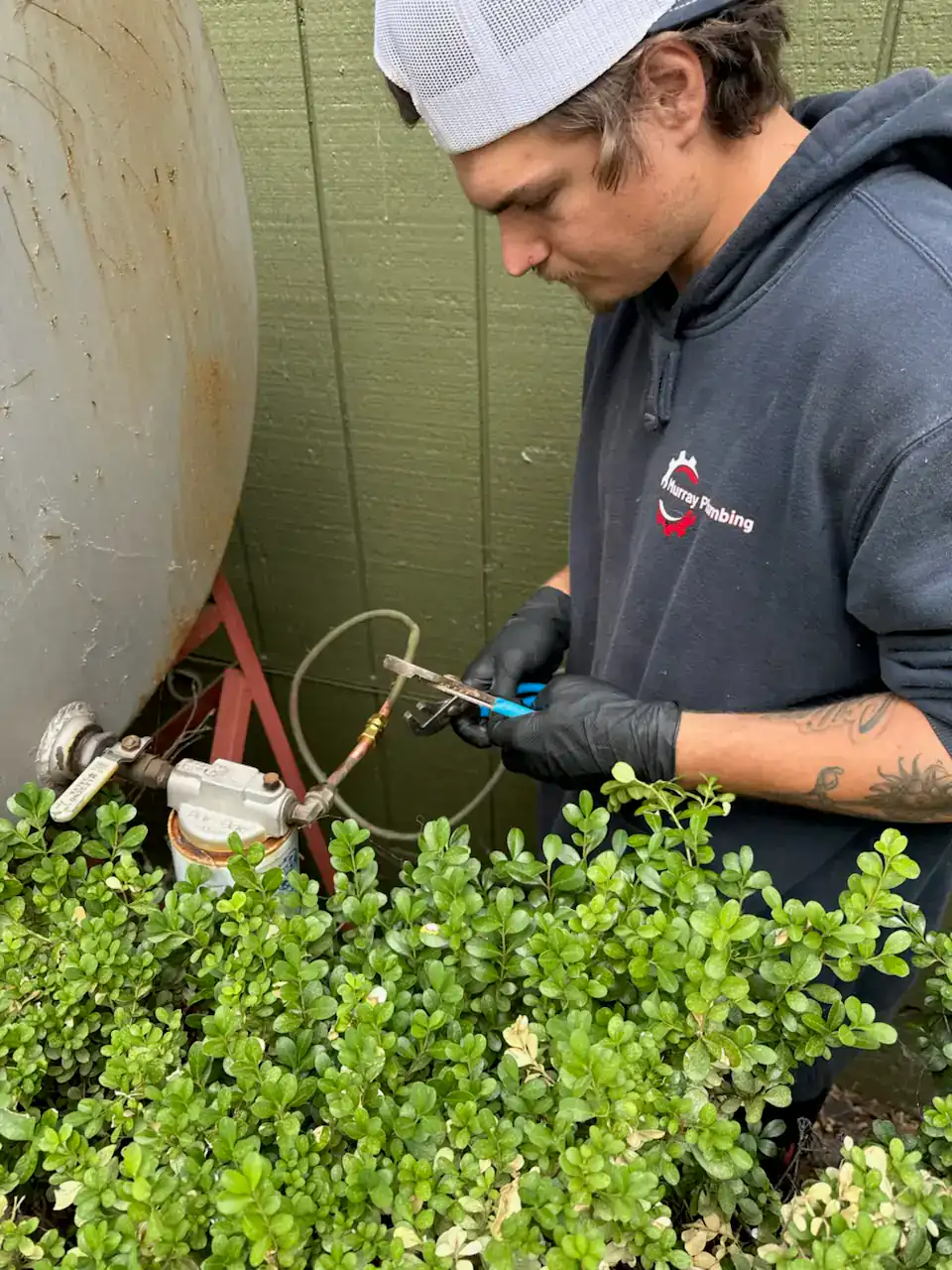
The most common signs are a water bill that’s higher than usual without any obvious explanation, the sound of running water when everything in the house is off, warm or damp spots on floors, discoloration or bubbling on walls or ceilings, and a musty smell that doesn’t go away with ventilation. In South Lake Tahoe, these signs show up frequently in older homes in Al Tahoe and Bijou, where plumbing systems installed in the 1960s and 70s have been through decades of freeze-thaw stress.
If you own a vacation property that sits vacant for weeks at a time, the challenge is that none of these signs get noticed until you or a property manager walks through the door. By that point, mold can already be established it begins growing within 24 to 48 hours of water exposure. The safest move if you suspect a hidden leak is to call for a professional assessment before the damage compounds further. Catching it early is always significantly cheaper than remediating it late.
Burst pipes in South Lake Tahoe are almost always caused by freezing water expands when it freezes, and if a pipe doesn’t have room to flex, it fails. The pipes most at risk are the ones in unheated crawl spaces, exterior walls with minimal insulation, and attic spaces in older homes where heat doesn’t reach. Vacation properties left vacant during cold snaps are especially vulnerable because there’s no one adjusting the thermostat or catching the early warning signs.
Prevention comes down to insulation, heat tape on exposed pipes, and keeping interior temperatures above 55 degrees even in vacant properties. If a pipe has already burst, the repair itself is usually straightforward but the more important step is figuring out why it froze in the first place so the same thing doesn’t happen next winter. We look at the root cause, not just the break, and address whatever gap in freeze protection allowed it to happen. A patch that holds through a Meyers winter at single-digit temperatures is a different standard than a patch that holds in the valley.
Cost depends almost entirely on where the leak is and what caused it. A straightforward toilet or fixture leak can run a few hundred dollars. A burst pipe repair in an accessible crawl space typically falls in a moderate range. Underground water line repairs or slab leaks which require more diagnostic work and excavation will run higher, sometimes significantly so depending on depth, access, and soil conditions. In South Lake Tahoe, mountain soils and high water tables in areas like Tahoe Keys can add complexity to underground work that affects both time and cost.
What we commit to is that you’ll know the full cost before the work starts. No hourly billing that spirals, no invoice that looks nothing like the estimate. That upfront pricing model exists specifically because the fear of being overcharged is real especially in a resort market where some contractors assume Tahoe property owners won’t push back. Customers have consistently noted that their final bills came in at or below the original estimate. That’s the standard we hold ourselves to, every job.
It depends on the scope of the work. Minor repairs fixing a leaking fixture, replacing a section of pipe typically don’t require a permit. But more substantial work, like replacing a water service line, repiping a significant portion of a home, or any work that involves underground lines or drainage systems, generally does require a permit from the City of South Lake Tahoe Building Division. And in some cases, particularly for work near the lake or its tributaries, Tahoe Regional Planning Agency review is required before the City will issue its own permit.
This dual-permit process is one of the things that makes plumbing work in the Tahoe Basin different from anywhere else in California. Unpermitted work that gets discovered during a sale or refinance can create real problems and in a market where median property values are around $682,400, that’s not a risk worth taking. We handle the permit side of the job as part of the process, so you don’t have to navigate the TRPA-City approval sequence on your own.
Yes and this is one of the more common scenarios we deal with in South Lake Tahoe. A significant portion of properties here are owned by people who live in Sacramento, the Bay Area, or elsewhere and can’t be on-site when a problem comes up. Whether the alert came from a property manager, a neighbor, or a smart home water sensor, we can respond, assess, and repair without requiring you to be present.
What that looks like in practice: we communicate clearly about what we found before any work begins, confirm the cost with you directly, complete the repair, and document the work so you have a full record of what was done and why. If your property is enrolled in South Lake Tahoe’s Vacation Home Rental program and a plumbing issue is affecting your permit compliance, we understand the urgency that adds to the timeline. You don’t need to be standing in the kitchen for the job to get done right.
It’s not your imagination. South Lake Tahoe’s plumbing environment is genuinely more demanding than most places in California. The combination of hard winters, significant freeze-thaw cycling, aging housing stock much of it built in the 1960s and 70s and the physical stress of sitting at over 6,000 feet elevation puts more cumulative strain on pipes than a home in the valley or foothills experiences. The South Tahoe Public Utility District has publicly documented the scale of the infrastructure problem: over 1,000 waterline leak repairs in the past five years and $218 million in identified improvements needed across the system. The homes connected to that infrastructure are often carrying the same age and wear.
There’s also the vacancy factor. A home that sits empty for weeks at a time common in South Lake Tahoe’s large vacation property market doesn’t benefit from the natural temperature regulation that comes from daily occupancy. Cold gets in, pipes freeze, and slow leaks go unnoticed longer. Neighborhoods like Rocky Point have been specifically cited in local news coverage as examples of where aging pipe infrastructure has created recurring problems. If your Tahoe property seems to need more plumbing attention than your primary residence, the conditions here are a real and documented reason why not just bad luck.