
Get a free quote for water leaks from your local plumbing team.
We’ll contact you about your water leaks request. Privacy policy
Hear from Our Customers
A hidden water leak in a Tahoe Park home isn’t just a plumbing problem it’s a financial one. The average water damage insurance claim runs $15,400, and if a leak goes undetected long enough, total repair costs can climb past $55,000. Mold can take hold within 24 to 48 hours of water exposure. The longer it sits, the worse the math gets.
Most homes in Tahoe Park were built in the 1950s or earlier. That means galvanized steel supply lines, cast iron drain stacks, and clay sewer laterals that were never designed to last this long. When Sacramento’s moderately hard water spends 60 or 70 years moving through those pipes, mineral buildup narrows the interior walls and creates pressure points that eventually give way often quietly, inside a wall or under a floor where you won’t see it until the damage is already done.
Sacramento’s clay soil adds another layer of risk. It expands when the winter rains hit and contracts again through the dry summer months. That constant ground movement puts stress on underground supply lines and sewer laterals, and the mature trees lining Tahoe Park’s streets don’t help their roots find every crack and joint in an aging drain line. Getting ahead of a leak means protecting a home you’ve invested $400,000 to $600,000 in. That’s exactly what a fast, accurate diagnosis does.
We’ve been serving Sacramento County for over 24 years. That’s not a tagline it means we’ve worked through the full range of what Sacramento’s older housing stock throws at a plumber. Pre-1960 bungalows near Broadway, mid-century ranch homes off Folsom Boulevard, aging service lines in the streets around UC Davis Medical Center, and the specific challenges that come with Tahoe Park’s 1940s and 1950s construction we’ve seen it, diagnosed it, and fixed it.
Our Google rating sits at 4.7 out of 5 across 93 reviews, and the feedback that shows up most consistently is the same: we show up when we say we will, we tell you the price before we touch anything, and the final bill doesn’t come in higher than the estimate. For a lot of customers, that last part is the one that catches them off guard in a good way.
When you call us, you’re talking to a real person. Not a call center, not an automated system. Someone who can tell you what to expect, get a technician moving, and make sure you’re not left sitting with an active leak and no answers.
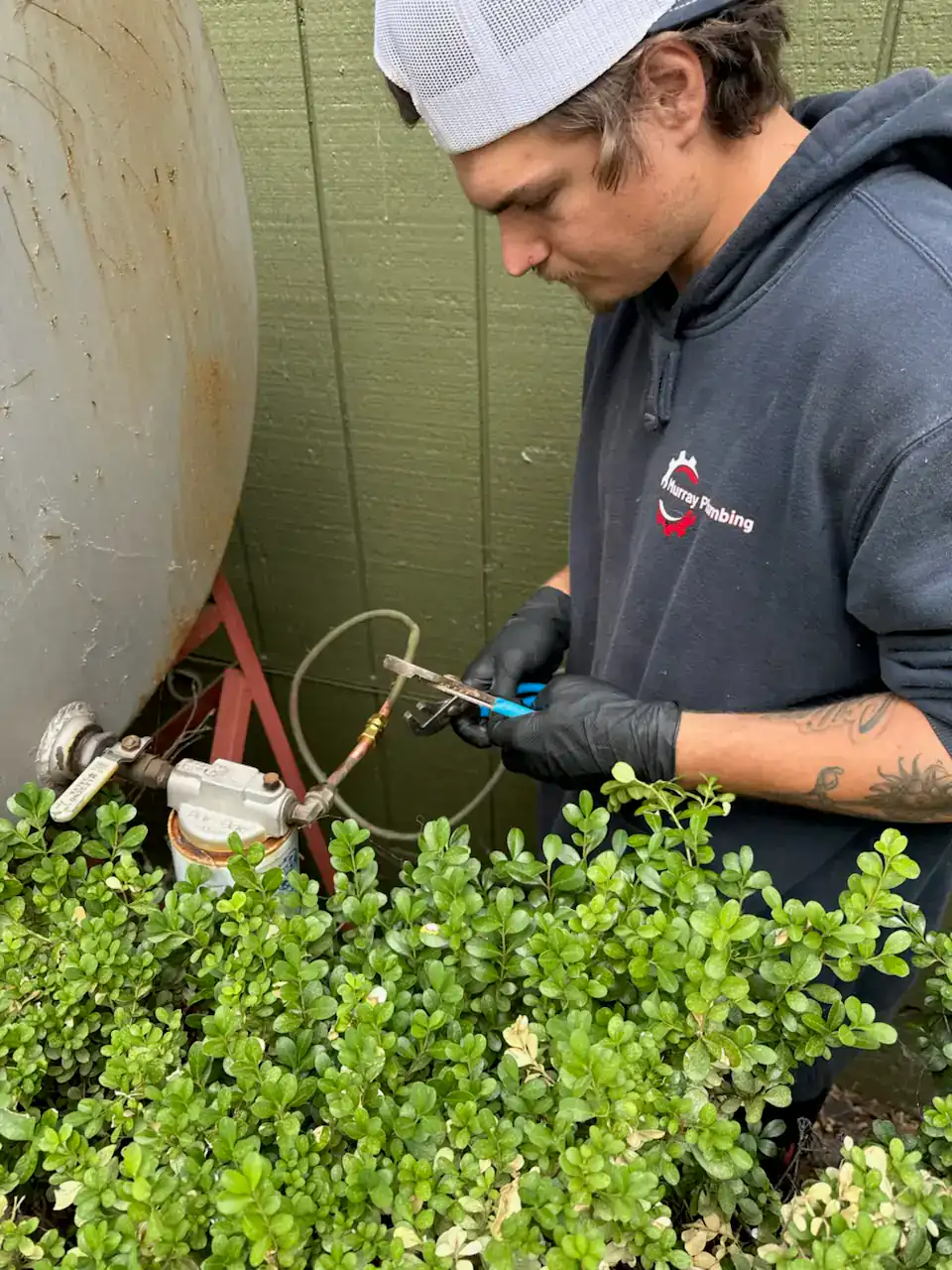
When you call us, the first thing we do is listen. You tell us what you’re seeing a high water bill, a damp spot, a sound you can’t place and we ask the right questions to understand what we’re likely dealing with before we arrive. In a Tahoe Park home built in the 1940s or 1950s, that context matters. The likely culprits in a house that age are different from what you’d find in a newer Sacramento suburb, and knowing that going in means we arrive prepared.
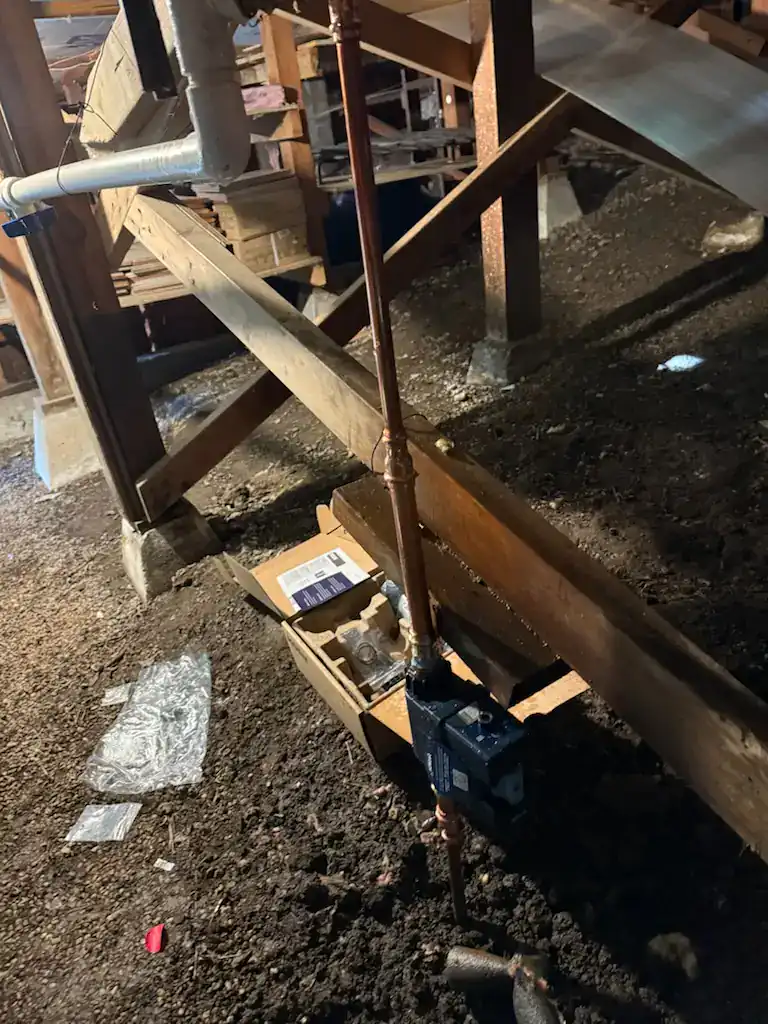
Once on-site, we locate the source of the leak using modern detection methods that minimize the need for unnecessary opening of walls or excavation. For underground leaks common in Tahoe Park given the neighborhood’s clay soil conditions and aging service lines we identify exactly where the failure is before any digging starts. You get a clear explanation of what we found and a firm price before any repair work begins. No vague estimates, no “we’ll know more once we open it up.”
From there, we complete the repair, walk you through what was done, and make sure everything is functioning correctly before we leave. If the scope of work requires a City of Sacramento permit which applies to certain supply line repairs, sewer lateral work, and DWV system modifications we handle that process as a licensed California C-36 contractor. You don’t have to navigate the permitting side on your own.
Ready to get started?
We handle the full range of residential water leak repair in Tahoe Park and throughout Sacramento County. That includes toilet leak repair, wall leak repair, kitchen and bathroom fixture leaks, underground water line repair, slab leak repair, and emergency pipe repair when something fails without warning. You don’t need to figure out which specialist handles which problem one call covers all of it.
For Tahoe Park specifically, a significant portion of the work we do involves aging supply lines and drain systems in pre-1960 homes. Galvanized steel pipes corrode from the inside out over decades, and Sacramento’s hard water accelerates that process. By the time a pinhole leak shows up, the surrounding pipe wall is often already compromised. We assess the full condition of what we’re working with, not just the visible failure point, so you’re not calling us back six months later for the same issue in a different spot.
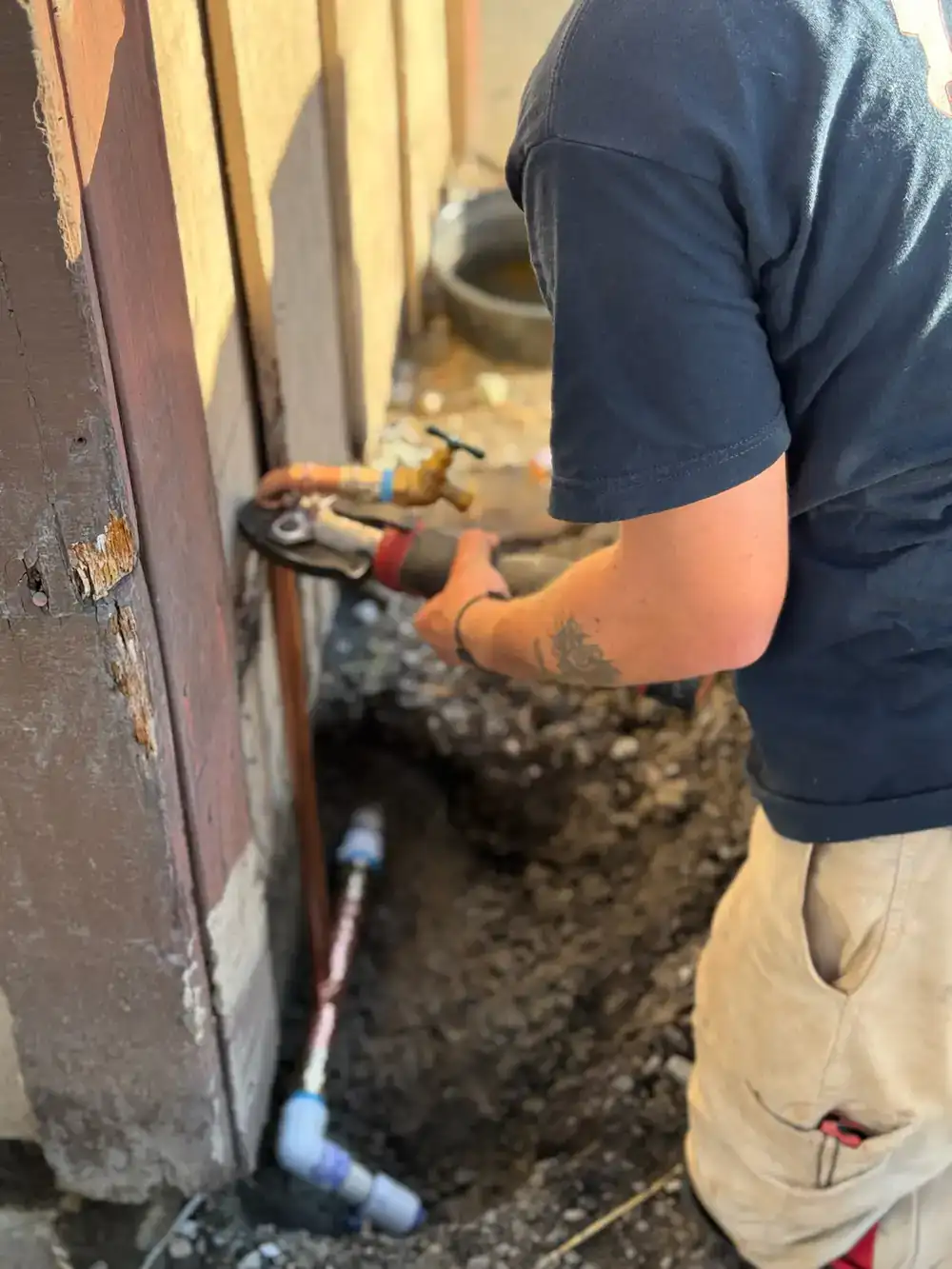
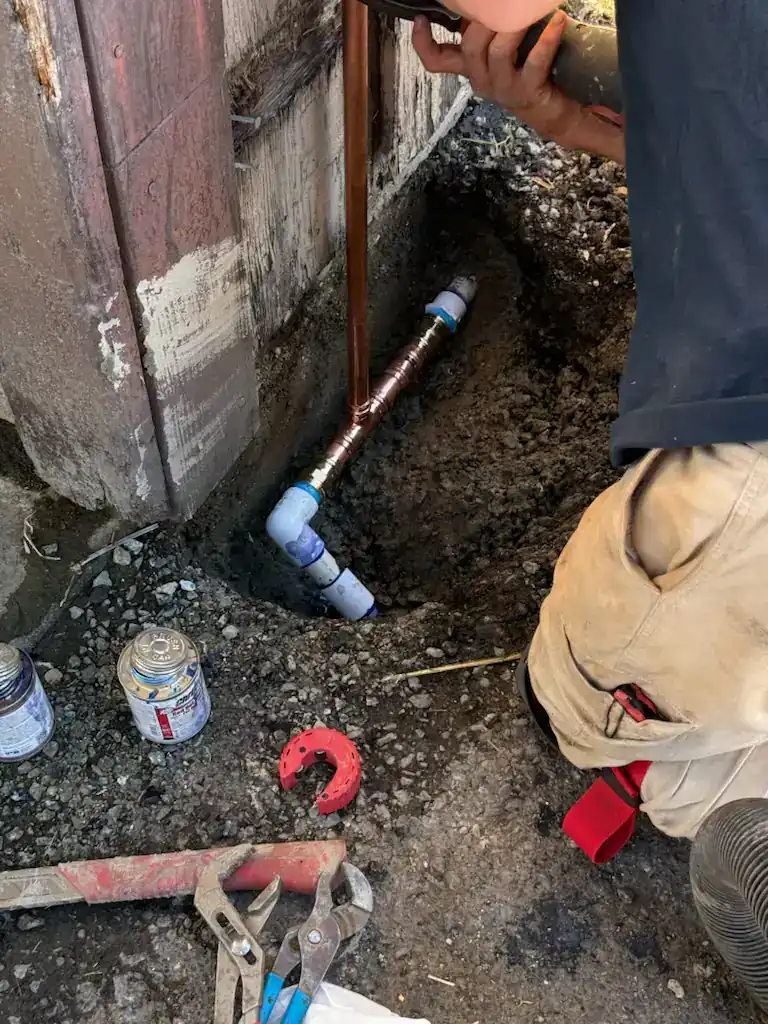
Underground and slab leak repair deserves a specific mention here. Sacramento’s clay soil movement and the root systems from Tahoe Park’s mature street trees create real stress on buried lines year after year. We locate underground leaks accurately before any excavation begins, keeping disruption to your yard and foundation to a minimum. Whether it’s a service line running from the meter to your front door or a sewer lateral heading toward the street, we handle it with the permits, the process, and the documentation your home’s records need.
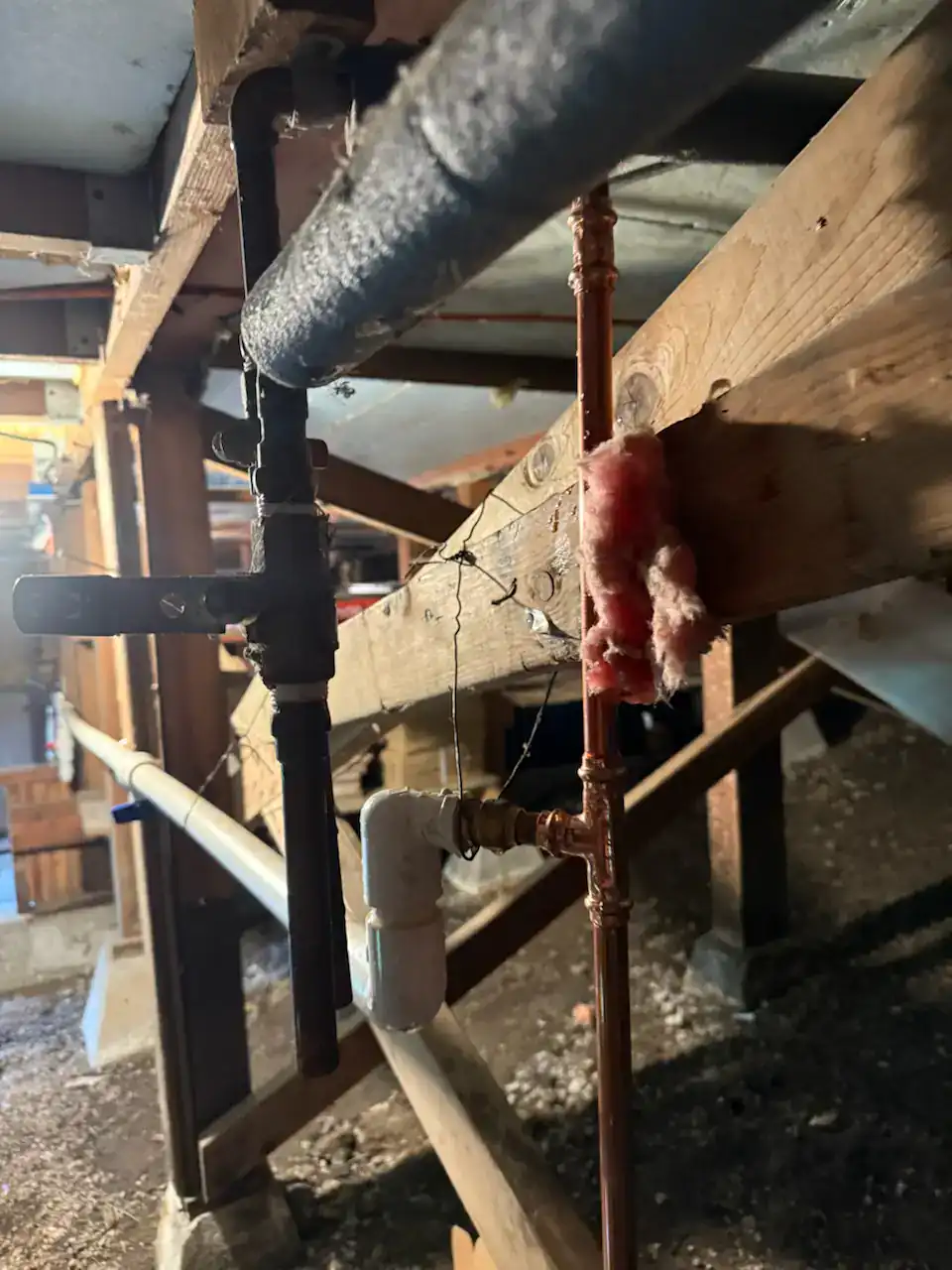
The most common signs are a water bill that’s higher than usual without any change in your habits, a soft or discolored patch on a wall or ceiling, flooring that’s started to warp or feel spongy underfoot, or the sound of running water when everything in the house is turned off. In Tahoe Park, where a large share of homes were built before 1960, these signs tend to show up in older galvanized supply lines or cast iron drain connections that have been slowly deteriorating for years.
One thing worth knowing: your water utility’s responsibility ends at the meter or curb stop. Everything from that connection point into your home supply lines, interior pipes, drain system is yours. So if there’s a slow leak somewhere between the meter and your fixtures, it won’t show up as a utility alert. It shows up on your bill, or in your walls. If something feels off, it’s worth having it checked before the damage compounds.
The primary culprit in pre-1960 Tahoe Park homes is galvanized steel pipe. It was the standard supply line material through the mid-20th century, but it has a functional lifespan of roughly 40 to 50 years. At 60 to 80 years old, these pipes corrode from the inside out mineral deposits narrow the interior, pressure builds, and eventually the wall fails. Sacramento’s moderately hard water accelerates this process, so homes in Tahoe Park and similar older Sacramento neighborhoods tend to reach this point faster than the national average for galvanized pipe.
On the drain side, original cast iron stacks and clay vitrified pipe sewer laterals face similar aging challenges. Clay soil in Sacramento expands and contracts with every wet season and dry summer, putting lateral stress on buried joints and causing cracks or separations over time. Add root intrusion from the mature trees that give Tahoe Park its character, and you have a combination of factors that make underground leak detection a regular part of maintaining an older home in this neighborhood.
The cost depends heavily on where the leak is and how accessible it is. A toilet leak repair or a visible fixture leak is generally straightforward and relatively affordable often in the $150 to $400 range depending on the specific repair needed. A wall leak that requires opening drywall, or a slab leak that involves locating and accessing a buried line, will cost more typically ranging from $500 to $2,000 or more depending on the depth, location, and pipe condition.
Underground water line repair and full pipe replacement in older Sacramento homes can run higher, especially if the line has deteriorated significantly or if the repair requires a City of Sacramento permit and inspection. We give you the full cost before any work starts. There are no hourly billing surprises and no charges added after the fact. Multiple customers have noted that their final bill came in at or below the original estimate which isn’t the norm in this industry, but it’s how we operate.
It depends on the scope of work. Simple fixture repairs replacing a toilet flapper, swapping out a faucet supply line generally don’t require a permit. But work that involves the water service line running from the street to your home, modifications to the drain, waste, and vent system, or sewer lateral repairs typically does require a permit from the City of Sacramento’s Community Development Department.
This matters more than most homeowners realize. Unpermitted plumbing work can create complications when you sell your home, void certain insurance coverages, and leave you without a record of what was repaired and when. We hold a California C-36 Plumbing Contractor license, which is required by state law for any plumbing project exceeding $500. When a permit is needed for your water leak repair in Tahoe Park, we pull it, schedule the inspection, and make sure the work is documented correctly from start to finish.
In many cases, yes but it starts with accurate detection. The first step is locating exactly where the leak is under the slab before any work begins. Using modern leak detection methods, we can pinpoint the failure point without opening up large sections of flooring or foundation. That precision matters a lot in a Tahoe Park home, where you may have original hardwood floors or tile that you don’t want disturbed any more than necessary.
Once the location is confirmed, the repair approach depends on what’s there and what condition the surrounding pipe is in. Sometimes a targeted access point is all that’s needed. In other cases particularly in homes where the supply lines under the slab are original galvanized steel and have corroded significantly a reroute through the walls or attic is actually the more practical long-term fix, avoiding the likelihood of another slab leak in a different spot within a few years. We walk you through both options with honest context so you can make the call that makes sense for your home.
For active leaks, we move fast. We offer 24/7 emergency water leak repair, and when you call, you’re speaking directly to someone who can dispatch a technician not leaving a voicemail or waiting for a callback from a scheduling system. In an urban neighborhood like Tahoe Park, where homes sit close together and a leak inside a wall can affect adjacent properties or shared structural elements, a slow response isn’t just inconvenient it’s genuinely costly.
Same-day arrivals are common for emergency calls in the Sacramento area, and we’ll give you a realistic timeframe when you call rather than a vague window that leaves you waiting all day. If you’re dealing with an active leak right now, the most important immediate step is locating your main shutoff valve and turning off the water supply to the home while you wait. In most Tahoe Park homes, the shutoff is near the front of the property close to the meter, often in a covered box near the curb. Stopping the flow limits damage while we’re on the way.