Modern plumbing upgrades transform Cameron Park homes with tankless heaters, smart leak detection, and water-saving fixtures that cut costs and prevent disasters.
Share:
Summary:
Cameron Park sits in El Dorado County’s foothills, where homes face unique challenges. Summer temperatures regularly hit the high 90s, putting stress on water heaters and supply lines. Many homes were built between 1980 and 2000, which means plumbing systems are reaching the age where materials start to fail.
Galvanized pipes corrode from the inside out. Water heaters lose efficiency after 10 years. Fixtures designed in the 1990s use two to three times more water than modern alternatives. These aren’t just inconveniences—they’re expensive problems waiting to happen.
Upgrading your plumbing isn’t about chasing trends. It’s about protecting your investment and avoiding the kind of water damage that costs thousands to repair. When you replace outdated systems with modern technology, you’re not just fixing today’s problems. You’re preventing tomorrow’s disasters.
Walk into any older Cameron Park home and you’ll likely find plumbing that’s quietly draining your wallet. Old toilets flush three to five gallons at a time. Outdated showerheads waste water while delivering weak pressure. Traditional water heaters keep 40 to 50 gallons hot around the clock, whether you need it or not.
The numbers add up fast. A family of four with old fixtures can waste 16,500 gallons of water per year just from toilet flushes. Leaky faucets—even small drips—waste over 3,000 gallons annually. That’s water you’re paying for but not using.
Then there’s the energy side. Traditional tank water heaters account for roughly 20% of your home’s energy use. They heat water constantly, even while you’re at work or asleep. In Cameron Park’s hot summers, that means your water heater is working overtime in an already warm garage or utility closet, burning energy to maintain temperature in a tank that might not get touched for hours.
California’s hard water makes everything worse. Mineral deposits build up inside pipes over decades, narrowing the passage and reducing flow. What starts as slightly weak pressure in the shower becomes a frustrating trickle. Appliances like dishwashers and washing machines struggle to function properly. Eventually, you’re looking at a full repipe—not because the pipes burst, but because they’ve slowly choked themselves from the inside.
Low water pressure isn’t just annoying. It’s a sign that your plumbing system is fighting against itself. Sediment buildup, corroded pipes, and outdated pressure regulators all contribute to the problem. And the longer you wait, the worse it gets. Replacing old galvanized pipes with modern materials like PEX or copper restores normal flow and eliminates the rust particles that contaminate your water supply.
Here’s what most Cameron Park homeowners don’t realize: the cost of doing nothing often exceeds the cost of upgrading. A burst pipe can cause $5,000 in damage in a matter of hours. A slow leak behind a wall can grow mold for months before you even notice. Upgrading proactively costs less than reacting to emergencies—and it gives you control over the timeline and budget.
Modern plumbing upgrades aren’t about adding bells and whistles. They’re about solving real problems with better engineering. Today’s fixtures use less water without sacrificing performance. Smart systems catch leaks before they cause damage. Energy-efficient water heaters deliver hot water on demand without the waste.
Take tankless water heaters. Instead of keeping a tank hot 24/7, they heat water only when you turn on a faucet. For homes that use 41 gallons or less per day, that’s a 24% to 34% reduction in energy use. Even larger households see 8% to 14% savings. The units last 20-plus years compared to 10 to 15 for traditional tanks, and they free up valuable storage space in your utility room.
Smart leak detection systems have become surprisingly affordable. These devices monitor water flow and pressure throughout your home, learning the “signature” of each fixture. When something changes—a toilet starts running, a pipe develops a crack—the system alerts you immediately. Some models automatically shut off your water supply to prevent flooding. It’s the kind of protection that pays for itself the first time it stops a disaster.
Low-flow fixtures have come a long way since the weak, disappointing models of the 1990s. Modern designs use aerators and advanced engineering to maintain strong, comfortable pressure while cutting water use by 30% or more. WaterSense-labeled showerheads save the average family 2,700 gallons per year. Low-flow toilets use just 1.28 gallons per flush—less than half what older models require—while delivering reliable, powerful performance.
Eco-friendly upgrades aren’t just good for the environment. They’re good for your monthly budget. Water-efficient fixtures reduce both water and energy bills since you’re heating less water overall. In Cameron Park, where summer heat already drives up cooling costs, every bit of energy savings matters. Many upgrades also qualify for local rebates, reducing your upfront investment.
The real value of modern plumbing technology is peace of mind. You’re not wondering when the water heater will fail or whether that slow drain will turn into a backup. You’re not worried about hidden leaks or surprise repair bills. Your plumbing system works quietly in the background, doing its job efficiently, while you focus on everything else that matters in your life.
Want live answers?
Connect with a Murray Plumbing expert for fast, friendly support.
Not all upgrades deliver the same value. Some offer immediate savings on utility bills. Others prevent expensive emergencies. The best investments do both—paying for themselves over time while protecting your home from the kinds of problems that lead to emergency calls and insurance claims.
For Cameron Park homes built in the 1980s and 1990s, three upgrades stand out: tankless water heaters, smart leak detection, and water-efficient fixtures. Each addresses specific problems common in older homes while delivering measurable returns. Let’s break down what each upgrade actually does and why it matters for your home.
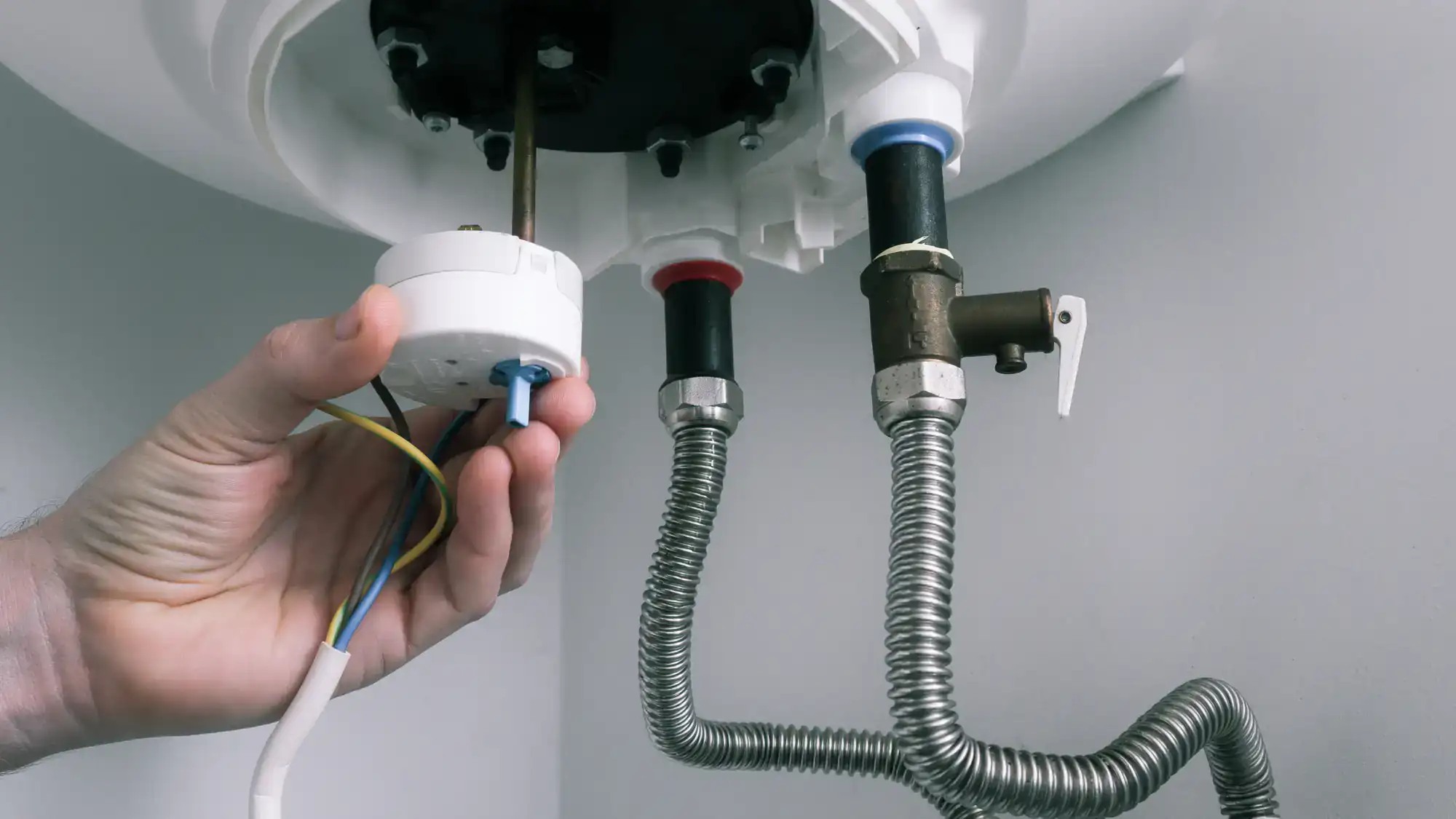
If your water heater is more than 10 years old, you’re running on borrowed time. Traditional tank heaters typically fail between years 8 and 12, often at the worst possible moment. But age isn’t the only issue. Every day your old water heater operates, it’s burning energy to keep 40 to 50 gallons hot, whether you need hot water or not.
Tankless water heaters flip that model entirely. They heat water on demand as it flows through the unit. Turn on your shower, and the heater activates. Turn it off, and the heater shuts down. No standby energy loss. No running out of hot water during back-to-back showers. No tank taking up floor space in your garage.
The energy savings are real. Households using 41 gallons or less of hot water daily see efficiency gains of 24% to 34%. Even larger families using 86 gallons per day still save 8% to 14% on water heating costs. Over the 20-year lifespan of a tankless unit, those savings add up to thousands of dollars.
Installation requires professional plumbing work. Tankless units need proper venting, adequate gas supply (for gas models), or sufficient electrical capacity (for electric models). The upfront cost runs higher than replacing a traditional tank—typically $2,500 to $4,500 installed, depending on the model and your home’s existing infrastructure. But the longer lifespan and lower operating costs make the investment worthwhile for most Cameron Park homeowners.
Cameron Park’s climate actually works in your favor here. The incoming water temperature stays relatively moderate year-round, so the heater doesn’t have to work as hard as it would in colder regions. That means better efficiency and more consistent performance. And in the hot summer months, you’re not adding heat to your garage or utility room with a constantly-running tank heater.
One consideration: tankless units work best when properly sized for your household. An undersized unit might struggle to keep up during peak demand. An oversized unit costs more upfront without delivering additional benefits. We can calculate your household’s hot water needs based on the number of bathrooms, occupants, and simultaneous usage patterns. Getting the sizing right makes all the difference in performance and satisfaction.
Water damage is one of the most common—and expensive—homeowner insurance claims. A burst pipe can release hundreds of gallons in hours. A slow leak behind a wall can go unnoticed for months, creating perfect conditions for mold growth. By the time you see the damage, the repair bill is already in the thousands.
Smart leak detection systems solve this problem by monitoring your home’s water use in real time. Advanced sensors track flow and pressure, learning the normal patterns of every fixture. When something changes—a toilet starts running continuously, a pipe develops a small crack, water usage spikes unexpectedly—the system alerts you immediately through a smartphone app.
The best systems go beyond simple alerts. They include automatic shut-off valves that can stop water flow the moment a major leak is detected. You might be at work, on vacation, or asleep upstairs when a pipe bursts in the basement. The system detects the surge, shuts off the main water line, and sends you an alert—all within seconds. That fast response can be the difference between minor cleanup and major structural damage.
Installation varies by system. Point-of-use sensors can be placed under sinks, near water heaters, and around appliances like washing machines and dishwashers. These battery-powered units are relatively simple to install and cost $50 to $150 each. Whole-home systems integrate with your main water line and require professional installation, typically running $500 to $1,500 depending on features and complexity.
For Cameron Park homeowners, leak detection offers particular value. Many homes have crawl spaces or areas where pipes run through walls—places where leaks can develop unnoticed. Summer heat can stress pipes and connections. Winter temperature swings, while less extreme than in colder climates, can still cause expansion and contraction that weakens joints over time. A leak detection system provides an extra layer of protection against these risks.
The technology has matured significantly in recent years. Early systems suffered from false alarms and connectivity issues. Modern systems use sophisticated algorithms to distinguish between normal usage patterns and actual problems. They track water usage over time, helping you identify inefficiencies and potential issues before they become urgent. Some models even integrate with other smart home systems, allowing voice control and automated responses.
Think of leak detection as insurance you control. Instead of waiting for disaster to strike and filing a claim, you’re preventing the disaster in the first place. The system pays for itself the first time it catches a problem early—and it keeps working year after year, providing ongoing protection and peace of mind.
Modern plumbing upgrades aren’t luxuries. They’re practical investments that protect your home, lower your monthly costs, and prevent the kinds of emergencies that disrupt your life. Tankless water heaters deliver endless hot water while cutting energy use by up to 34%. Smart leak detectors catch problems before they cause serious damage. Water-efficient fixtures reduce consumption by 30% without sacrificing performance.
For Cameron Park homes built in the 1980s and 1990s, these upgrades address real problems: aging pipes, inefficient water heaters, and fixtures designed before modern water conservation standards existed. The right improvements pay for themselves through lower utility bills and avoided repairs. They also boost your home’s value—modern plumbing is a selling point buyers actively look for.
The key is working with experienced professionals who understand Cameron Park’s specific challenges. Local water conditions, soil composition, and climate all affect how plumbing systems perform and what upgrades make the most sense for your home. We’ve been handling these exact situations for over 24 years, from simple fixture replacements to complete system overhauls. If you’re ready to modernize your home’s plumbing, we can walk you through the options that fit your budget and deliver real results.
Article details:
Share:
Continue learning: