
Hear from Our Customers
Toilets that flush right, drains that move water the way they should, and no more gurgling sounds coming from the floor at 2 AM. That’s what you get when the line is genuinely clean not just punched through until next season.
In Isleton, that result takes a little more than a standard snake job. Many homes here were built in the 1960s and 70s, and those original clay and galvanized pipes have been sitting in saturated Delta soil ever since. The water table on Andrus Island stays high, roots from mature riparian trees find every crack and joint, and the ground shifts just enough each season to stress older pipe connections. A cleaning that doesn’t account for those conditions is a cleaning that won’t last.
When the line is properly cleared and inspected, you’re also protecting real equity. With median property values around $316,900 and a homeownership rate of over 75% in Isleton, a neglected sewer line isn’t just a plumbing inconvenience it’s a liability. A full sewer line replacement can run $3,000 to $10,000 or more. Routine cleaning is the investment that keeps that scenario off the table.
We’ve been serving Sacramento County for over 24 years. That’s not a franchise number it’s the track record of a local contractor who has worked through floods, infrastructure failures, and everything the Delta throws at a home’s plumbing system. Isleton is part of our territory, not a stretch of the service map.
We already have hands-on experience with the specific conditions here aging pipes, Delta soil, root intrusion, and the kind of ground settling that quietly cracks pipe joints over time. When we show up on River Road or anywhere along SR 160, we’re not figuring it out as we go.
Our Google rating sits at 4.7 out of 5 across 93 verified reviews. What shows up consistently in those reviews: we arrived on time, we quoted honestly, we fixed it right, and we followed up afterward to make sure everything was still working. That last part the follow-up call gets mentioned specifically because it almost never happens with other plumbers. In a town the size of Isleton, that kind of service gets remembered.
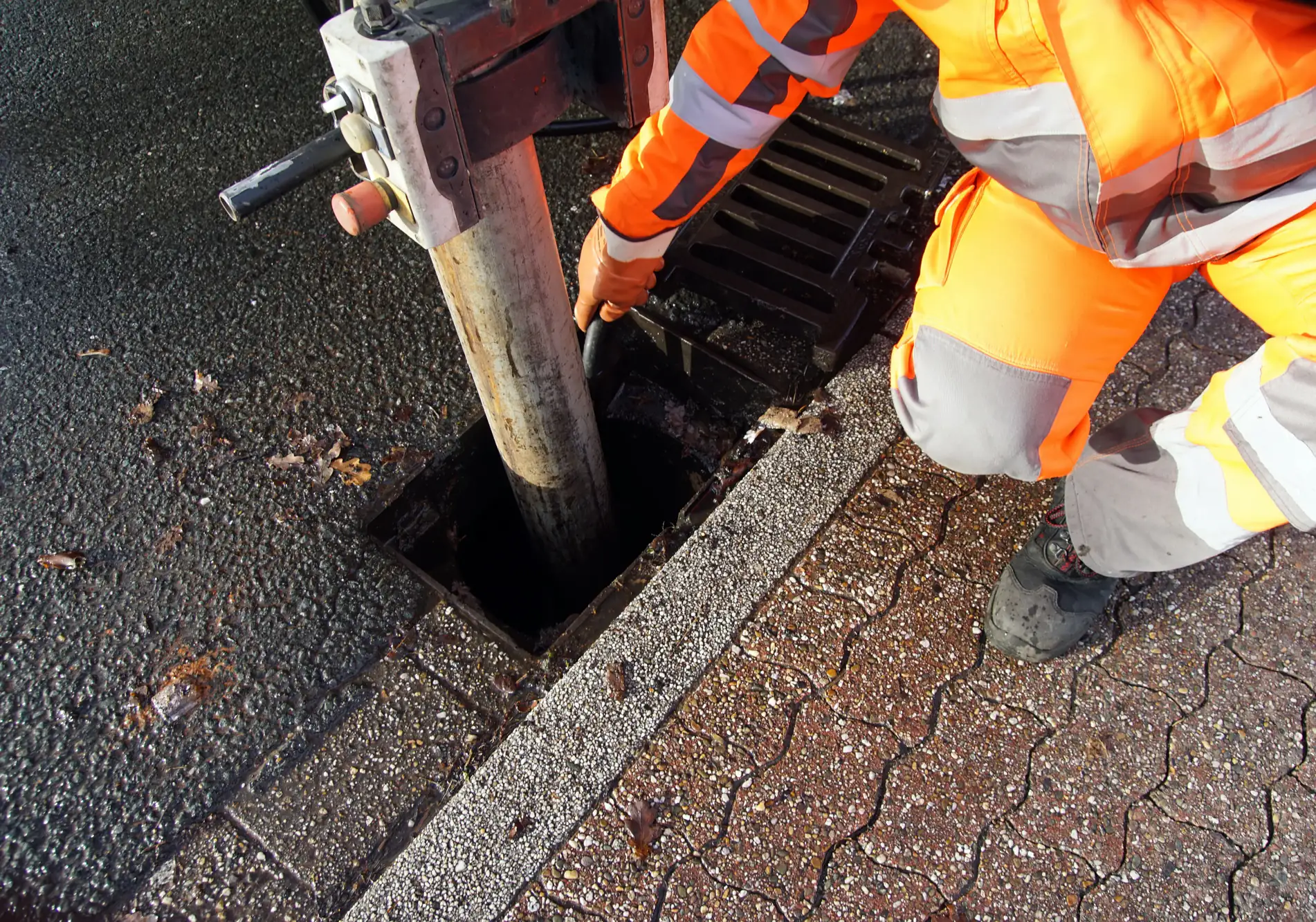
It starts with a real diagnosis. Before any cleaning begins, we run a sewer camera through your main line so you can see exactly what’s in there grease buildup, root intrusion, silt, a cracked joint from ground settling. You’re not taking our word for it. You’re watching it on screen. In a Delta environment where root growth and soil movement are ongoing, knowing what you’re actually dealing with changes everything about how the job gets done.
From there, we quote you a price. Not a range, not an estimate that balloons once we’re already under your house a specific number before any work begins. If the job turns out to be simpler than expected, the final invoice reflects that. It has come in below the original estimate more than once, which is not something most plumbing companies will ever say.
The cleaning itself addresses the full line not just the immediate clog. In older Isleton homes, that means clearing the root tendrils, breaking up mineral scale, and removing the silt and buildup that accumulates in pipes sitting in high-moisture Delta soil. When we’re done, we confirm the line is clear and flowing properly before we leave. Any work that requires permits under Sacramento County’s sewer use standards is handled correctly no shortcuts.

Ready to get started?
Sewer cleaning in Isleton isn’t a one-size situation, and we don’t treat it like one. The service starts with a camera inspection so there’s no guessing about what’s causing the problem. That inspection drives everything the method, the scope, and the price. You know what we found, what we’re doing about it, and what it costs before we start.
For most Isleton homes, the cleaning addresses the main sewer lateral the line running from your home to the municipal connection. Given that the city’s own sanitary sewer collection pipe was replaced as part of the 2023 Wastewater Treatment System Improvement Project, the public side of that connection has been updated. Your private lateral is your responsibility, and in a town where the entire incorporated area sits in a 100-year flood zone, that line deserves the same attention.
We also offer 24/7 emergency sewer cleaning for situations that can’t wait and in Isleton, those situations are real. When winter storms hit and the streets start flooding, a partial blockage can become a full backup within hours. Our emergency response means you have a licensed plumber available when the problem is actually happening, not the next morning. All work is performed under a valid California C-36 Plumbing Contractor License and in compliance with Sacramento County sewer use standards.

It comes down to where the town sits and how old the pipes are. Isleton is built on Andrus Island in the Sacramento-San Joaquin River Delta, which means the water table is just below the surface for much of the year. That constant moisture accelerates corrosion in older pipe materials clay and galvanized steel in particular and creates near-ideal conditions for tree root intrusion. Roots follow moisture, and in Delta soil, moisture is everywhere.
Most of Isleton’s residential housing stock dates to the 1960s and 1970s, which puts original sewer lines at or past their expected lifespan even under normal conditions. In Delta conditions, that timeline is compressed. Add in the seasonal ground shifting that stresses pipe joints and the city’s documented history of flood-related wastewater system stress, and you have a set of conditions that simply don’t exist in Sacramento’s inland neighborhoods. More frequent maintenance isn’t an upsell here it’s the practical reality of owning an older home in a Delta environment.
For most households, every 18 to 24 months is a reasonable baseline. For older Isleton homes particularly those with original clay or galvanized pipes, mature trees anywhere near the sewer line, or a history of slow drains annual cleaning is worth considering. The Delta’s high water table and active root growth create conditions where a partial intrusion can develop into a full blockage faster than it would in a drier inland environment.
The best way to calibrate the right interval for your specific property is a camera inspection. Once you can see what’s actually in the line how much root growth, how much buildup, whether there are any cracked joints you can make an informed decision about timing rather than guessing. If your home is near one of the mature trees common along Andrus Island’s residential streets, or if you’ve noticed recurring slow drains, that’s a signal the line needs attention sooner rather than later.
The most reliable indicator is multiple drains slowing down or backing up at the same time. When it’s just one sink, it’s usually a localized clog. When toilets, tubs, and floor drains are all affected, the problem is in the main line. Gurgling sounds from drains or toilets especially after flushing are another clear signal. So is sewage odor coming from drains inside the house.
In Isleton specifically, pay attention to timing. If you’re noticing these signs during or right after a heavy rain event, there’s a real possibility that groundwater infiltration or a stressed municipal connection is contributing to the backup. The city’s wastewater system has a documented history of coming under pressure during major storms and when the public system is at capacity, a partially blocked private lateral can fail quickly. Don’t wait to see if it clears on its own. In a Delta winter, it usually doesn’t.
A standard sewer line cleaning typically runs in the range of $250 to $600 depending on line length, access, and what the camera inspection finds. If there’s significant root intrusion or buildup that requires more intensive work, the price reflects that but you’ll know before anything starts. We quote a specific number upfront, and that number doesn’t change unless the scope of the job genuinely changes, in which case you’re told before the work continues.
It’s worth saying plainly: the final invoice has sometimes come in below the original estimate when a job turned out to be more straightforward than expected. That doesn’t happen often in this industry, but it’s happened here. In a community like Isleton where incomes run well below the Sacramento County average and surprise charges hit harder that kind of pricing integrity isn’t just good business practice. It’s the reason people call back and tell their neighbors.
Flooding doesn’t usually damage the pipe itself, but it creates conditions that accelerate existing problems and can cause immediate backups. When the ground around your sewer line is fully saturated which happens regularly in Isleton during winter storm events groundwater can infiltrate older pipes through cracks and deteriorated joints, adding volume to the system and reducing flow capacity. If there’s already any buildup or partial root intrusion in the line, that reduced capacity can be enough to cause a backup inside the home.
The broader concern in Isleton is the relationship between heavy rainfall and the municipal wastewater system. The city’s treatment facility has been documented as vulnerable to flooding during major rain events a situation serious enough that it contributed to a near-bankruptcy crisis in recent years. When the public system is under that kind of stress, a private lateral in poor condition becomes a much more urgent problem. Keeping your line clean and inspected before winter is the most practical way to reduce that risk.
Isleton is part of our Sacramento County service area not an edge case or an exception. The Delta communities along SR 160, including Isleton, Walnut Grove, Courtland, and the surrounding area, are places we genuinely serve, not towns added to a list to fill out a service map.
For emergency calls, that distinction matters. Large franchise companies dispatching from Sacramento or Stockton face a real travel-time disadvantage when a sewer backup happens in a town on Andrus Island at 10 PM in January. Our 24/7 emergency availability is an operational commitment, not a phone number that routes to a call center. When you call, you’re reaching someone who will actually come out and who already knows what Delta homes typically look like on the inside of a sewer line. That familiarity with local conditions means faster diagnosis and less time between your call and a working drain.