
Hear from Our Customers
You stop worrying every time you hear water running. You stop wondering if today’s the day a pipe bursts while you’re at work or asleep. You get your insurance company off your back, protect your home’s value, and sleep better knowing your plumbing won’t turn into a disaster.
Kitec pipes don’t give you warning signs. They don’t slowly leak—they burst. The brass fittings corrode from the inside out through a process called dezincification, and when they go, they flood rooms fast. Homeowners across Folsom learned this the hard way during the pipe pandemic of 2019-2020.
The question isn’t if your Kitec plumbing will fail. It’s when. And whether you’ll catch it before it costs you tens of thousands in water damage, or after. Fixing it now means you’re in control. Waiting means the pipes decide for you.
We’ve been handling emergency calls in Folsom and El Dorado County long enough to know exactly which neighborhoods got hit with Kitec during the building boom. We’ve repiped homes in every corner of this area. We know the layout, the access points, and how to get the job done without tearing your house apart more than necessary.
We’re available 24/7 because Kitec doesn’t wait for business hours. When you call, we show up—same day in most cases. Our pricing is transparent before we start, and we’ve built a 4.7-star reputation on doing what we say we’ll do, when we say we’ll do it.
You’re not getting a sales pitch. You’re getting someone who understands that this isn’t optional anymore, and who knows how to handle it efficiently.
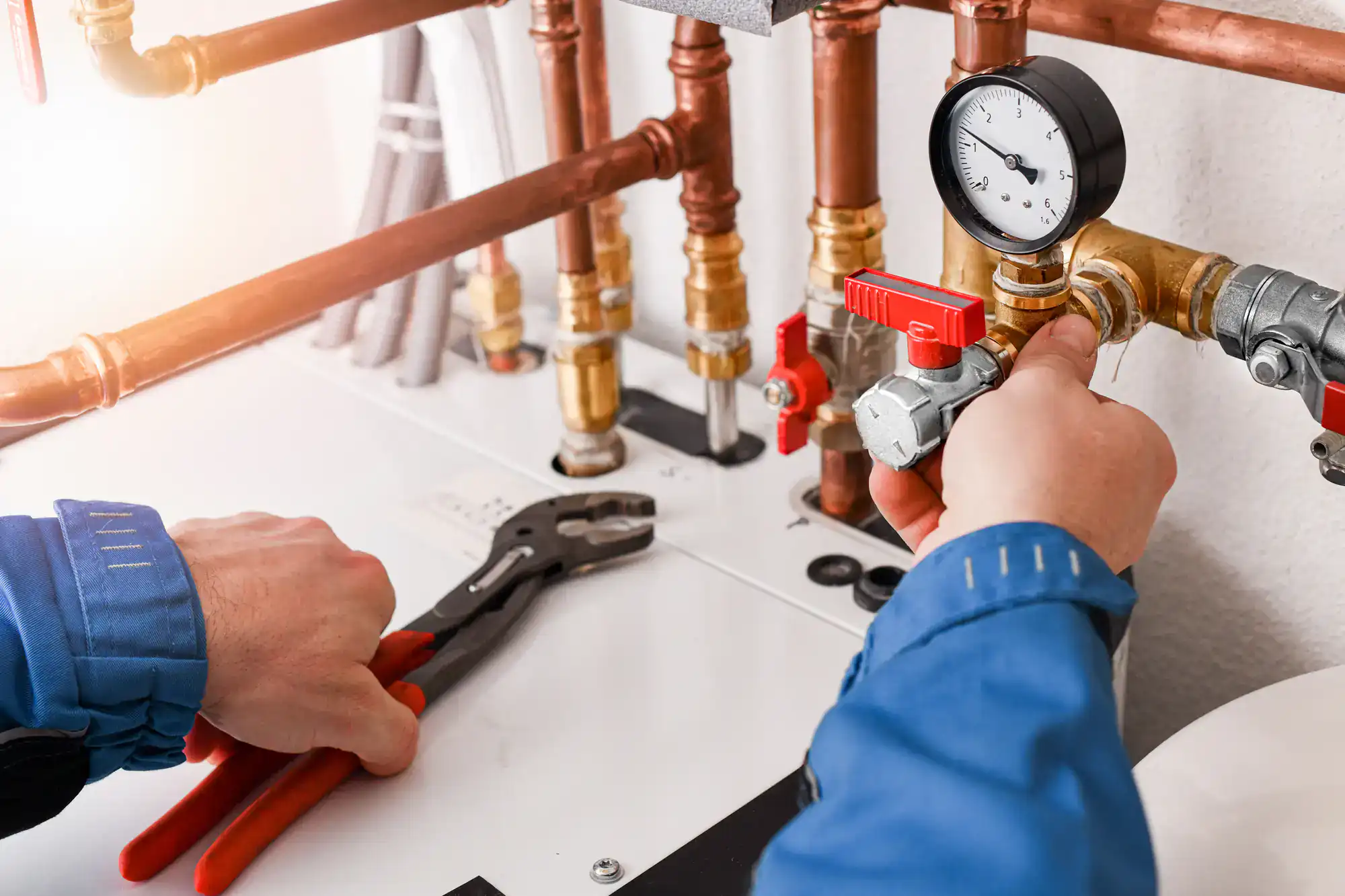
First, we inspect your plumbing to confirm you have Kitec and assess how much of your system is affected. Most homes have it throughout, but some only have it in specific areas. We’ll tell you exactly what you’re dealing with.
Next, we give you a clear estimate. No surprises, no upselling. Repiping costs vary based on your home’s size and how accessible your pipes are, but you’ll know the number before we touch anything. Smaller homes might run a few thousand. Larger properties with multiple bathrooms can reach $15,000 or more.
Then we repipe. We replace the Kitec lines with reliable materials—usually PEX or copper—and we do it as cleanly as possible. Yes, there’s some drywall work involved since most Kitec runs behind walls. But we minimize the mess and handle repairs so you’re not left with a construction zone.
Finally, we test everything, make sure your water pressure is solid, and walk you through what we did. You’ll have documentation for your insurance company and future buyers if you ever sell.
Ready to get started?
You get a full assessment of your plumbing system, not just a patch job on the leak you can see. If you’ve got Kitec in one area, you’ve likely got it throughout your home, and we’ll map out what needs attention now versus what can wait—if anything can.
You get materials that last. We’re not replacing old problems with new ones. The piping we install is built to go decades without the corrosion, bursting, or health risks that come with Kitec’s brass fittings and aluminum layers.
You also get speed. Folsom homeowners don’t have time to wait weeks for a repipe. We move fast without cutting corners, and our emergency availability means we’re there when a pipe bursts at 2 a.m. or on a Sunday morning.
And here’s what matters for a lot of people: you get your insurance situation handled. Kitec makes it hard to get reasonable coverage, and some companies won’t insure homes with it at all. Replacing it removes that liability and often brings your premiums back down. Same goes for selling your home—buyers and inspectors flag Kitec immediately, and it kills deals or tanks your value.
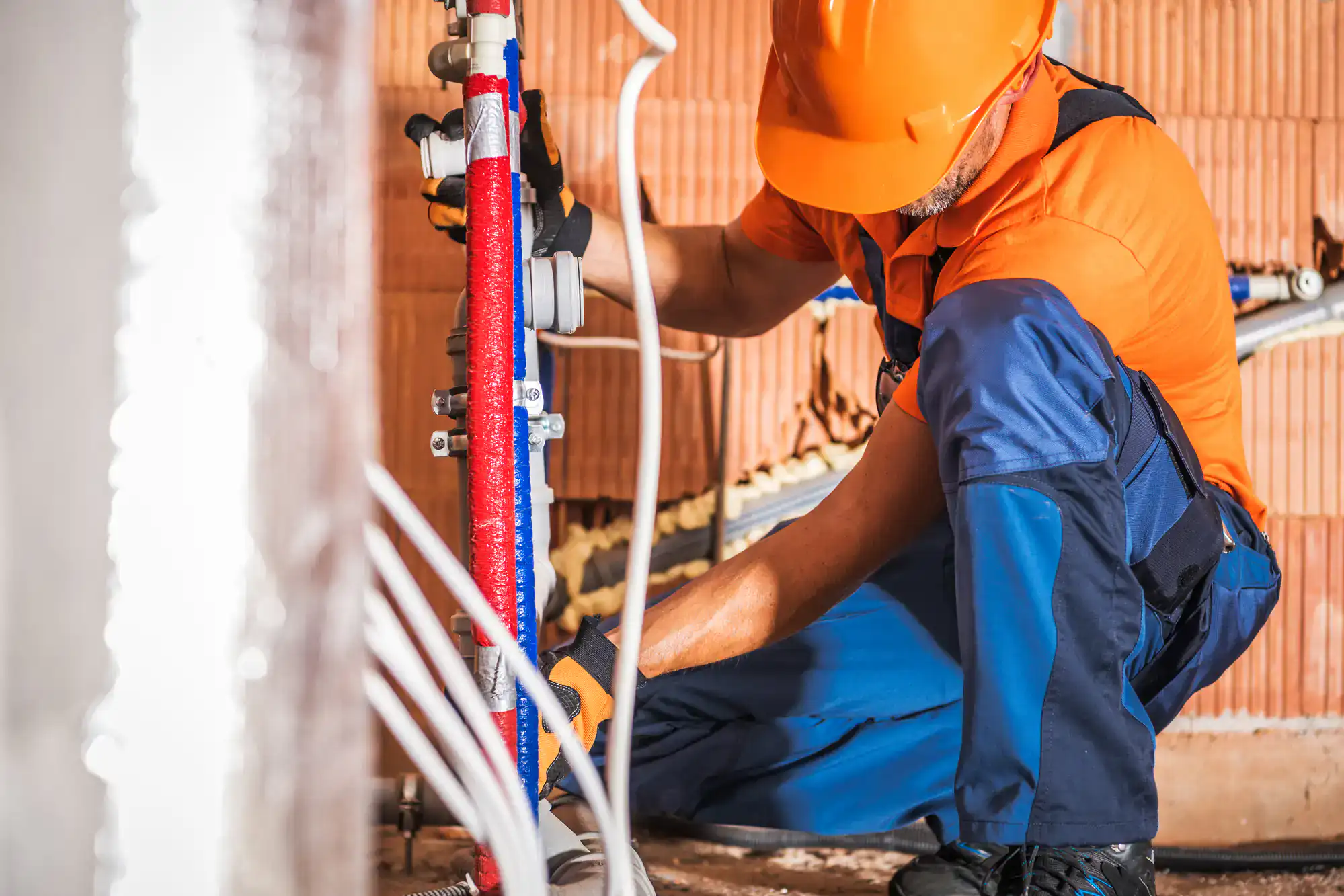
Look for orange and blue pipes, usually visible near your water heater, under sinks, or in your basement or crawl space. Kitec pipes are color-coded: blue for cold water, orange for hot. The fittings are brass and often stamped with “Kitec” or the manufacturer name IPEX.
If your home was built or renovated between 1995 and 2007 in Folsom, there’s a strong chance you have it. That was peak installation period, and a lot of developments in this area used it because it was cheap and easy to install. A good home inspector will catch it, but if you’re not sure, we can come out and confirm it for you in minutes.
Don’t ignore it if you find it. Even if you’re not seeing leaks yet, the fittings are corroding from the inside. The failures are increasing as these systems age, and most plumbing experts agree it’s not a matter of if they’ll fail, but when.
For a smaller home—two bedrooms, one bath, with easy pipe access—you’re looking at around $4,500 to $7,000. Larger homes with multiple bathrooms, longer pipe runs, or difficult access can run $10,000 to $15,000 or more. The wide range comes down to how much Kitec you have and how hard it is to reach.
Most Kitec is hidden behind drywall or under flooring, so there’s demo and repair work involved. That’s not us padding the bill—it’s just the reality of repiping. We try to minimize the tear-out, but we can’t replace pipes we can’t access.
Here’s the thing: putting off a full repipe and just fixing leaks as they happen will cost you more in the long run. One burst pipe can cause thousands in water damage. Multiple repairs add up fast. And your insurance might not even cover the damage if they know you have Kitec and didn’t replace it.
You can, but it’s a short-term fix for a system-wide problem. If one section of Kitec is failing, the rest isn’t far behind. The dezincification process that weakens the brass fittings is happening throughout your plumbing, not just where you see the leak.
Patching one leak might buy you a few months, maybe a year. But you’ll be back in the same spot soon, paying for another repair, dealing with another flood, and racking up costs that could’ve gone toward a full repipe. It’s like replacing one tire on a car when all four are bald—it doesn’t solve the real issue.
Insurance companies and mortgage lenders know this too. If you’re trying to sell your home or refinance, they’re going to want the whole system replaced, not just a patch. And if another section bursts and causes damage, your insurer might deny the claim if they know you’ve been putting off a proper fix. We’ll always give you the honest recommendation, even if it’s not the cheapest option up front.
It depends on your policy and your insurer, but it’s getting harder. Some insurance companies in California are charging higher premiums for homes with Kitec because of the liability. Others are refusing to cover homes with it altogether until it’s replaced. If you haven’t told your insurer you have Kitec, that’s a risk—they could deny a claim if they find out after a loss.
As for water damage from a Kitec failure, coverage varies. If it’s a sudden burst, many policies will cover the damage to your home but not the cost to replace the plumbing itself. If it’s a slow leak you ignored, they’ll likely deny it, calling it a maintenance issue. And if they know you have Kitec and you’ve been putting off replacement, they may argue you were negligent.
Bottom line: replacing your Kitec plumbing protects you from both the physical damage and the insurance headaches. Once it’s gone, you’re insurable again at normal rates, and you’re not gambling on whether a claim will get paid. We can provide documentation of the repipe for your insurer, which usually helps get you back to standard coverage.
Most residential repipes take two to five days, depending on the size of your home and how accessible your plumbing is. A small house with straightforward access might be done in two days. A larger home with multiple stories, finished basements, or complex layouts can take closer to a week.
We work efficiently, but we’re not rushing through it. This isn’t a job you want done fast and sloppy. We’re opening walls, running new lines, pressure testing everything, and making sure it’s right before we close it back up. You’ll have water shut off during parts of the work, but we coordinate with you to minimize disruption.
The drywall repair adds a bit of time on the back end, but we handle that too so you’re not left with holes in your walls. By the time we’re done, your plumbing is solid, your water pressure is better than it was with Kitec, and you’ve got peace of mind that it’s not going to fail on you. If you’re on a tight timeline—selling your home, closing on a refinance—we’ll work with you to get it done as fast as we can without cutting corners.
The main health concern with Kitec is bacterial growth, particularly Legionella, which thrives in the corrosion that builds up inside the pipes and fittings. As the brass fittings break down through dezincification, they create an environment where bacteria can multiply. That bacteria gets into your water supply—the water you drink, cook with, and shower in.
Legionella can cause Legionnaires’ disease, a severe type of pneumonia, especially in people with weakened immune systems, older adults, and young children. Even if you’re healthy, you’re still using contaminated water daily. The corrosion also means you might be getting trace metals in your water as the pipes degrade.
Beyond bacteria, the bigger immediate risk is the burst pipes themselves. A sudden flood can create mold issues within 24 to 48 hours if not handled properly, and mold brings its own set of health problems—respiratory issues, allergies, and worse for anyone with asthma or sensitivities. Replacing your Kitec plumbing removes both the chronic contamination risk and the acute flood risk. It’s not just about protecting your house. It’s about protecting the people living in it.
Other Services we provide in Folsom