
Hear from Our Customers
Kitec pipes were installed in thousands of homes between 1995 and 2007. The first recalls started in 2005—just ten years after installation. That tells you something important: this system wasn’t built to last.
The brass fittings corrode. The pipes degrade under normal water pressure. And when they fail, they don’t give you much warning. You might notice reduced water flow one week, then wake up to a flooded hallway the next.
Somerset’s housing stock has a median build year of 1983, but many homes were updated or built during the Kitec installation window. If you bought your home in the late ’90s or early 2000s, there’s a real chance you’re sitting on this problem right now. And if you’ve already noticed discolored water, weak pressure, or small leaks, you’re past the early warning stage.
Insurance companies know the risk. Some won’t cover homes with Kitec at all. Others will, but they’ll charge you more—or deny claims if the system fails. The $125 million class action settlement that compensated Canadian homeowners? That window closed in January 2020. If your system fails now, you’re covering the damage yourself.
Replacing Kitec plumbing in Somerset, California isn’t about someday. It’s about protecting what you’ve built before a pipe decides for you.
We’ve been serving Somerset and the surrounding El Dorado County area since the late ’90s. We’ve seen Kitec systems age in real time. We’ve replaced systems that failed in under ten years, and we’ve worked with homeowners who caught the problem early.
What matters here isn’t how long we’ve been around—it’s that we know these homes. We understand the layout of Somerset properties, the water pressure issues specific to the area, and how to repipe a house without tearing it apart. You’re not getting a corporate crew flying in from Sacramento. You’re working with a local team that shows up on time, walks you through the cost before we start, and doesn’t leave until the job’s done right.
We also know that most people in Somerset are dealing with older homes and fixed budgets. Our pricing reflects that. No surprise charges. No upselling you on things you don’t need. Just a clear plan and a fair number.
First, we come out and assess your system. We’ll confirm whether you actually have Kitec—it’s usually marked with orange or blue pipes—and map out where it runs through your home. That tells us how much material we need and how long the job will take.
Next, we give you a fixed price. Not an estimate that balloons later. A real number based on your home’s size, the number of bathrooms, and how accessible your plumbing is. If your crawl space is tight or your walls are finished, that affects the scope—but we account for all of it upfront.
Once you approve, we schedule the work. Most residential Kitec repipe jobs in Somerset, California take between one and three days depending on the size of your home. We’ll replace your old Kitec with either copper or PEX piping—both are durable, code-compliant, and built to last decades. We shut off water to specific zones as we work, so you’re not completely without service the entire time.
After the new pipes are in, we pressure-test the system to make sure there are no leaks. Then we restore any drywall or access points we opened up. You’re left with a plumbing system that works the way it’s supposed to—and the peace of mind that comes with it.
Ready to get started?
When we say full repipe, we mean it. That includes removing all the old Kitec pipe and fittings—not just patching problem areas. Partial fixes don’t solve the issue. If one section is failing, the rest isn’t far behind.
We install new supply lines throughout your home using either copper or PEX, depending on what makes sense for your property and budget. Both materials are reliable and widely used in Somerset and across El Dorado County. We also replace any corroded shut-off valves, angle stops, and connectors that were part of the original Kitec installation.
Somerset homeowners tend to have properties with varied layouts—some on hillsides, some with additions built over time. That means access isn’t always straightforward. We work around your home’s quirks without unnecessary demolition. If we do need to open a wall or ceiling for access, we patch it back up before we leave.
You’ll also get a system that’s up to current California plumbing code, which matters if you ever plan to sell. Buyers and inspectors both flag Kitec as a red flag. Replacing it now removes that obstacle and keeps your home insurable. Most importantly, you’re eliminating the risk of a failure that could cost you thousands in water damage, lost belongings, and emergency repairs.
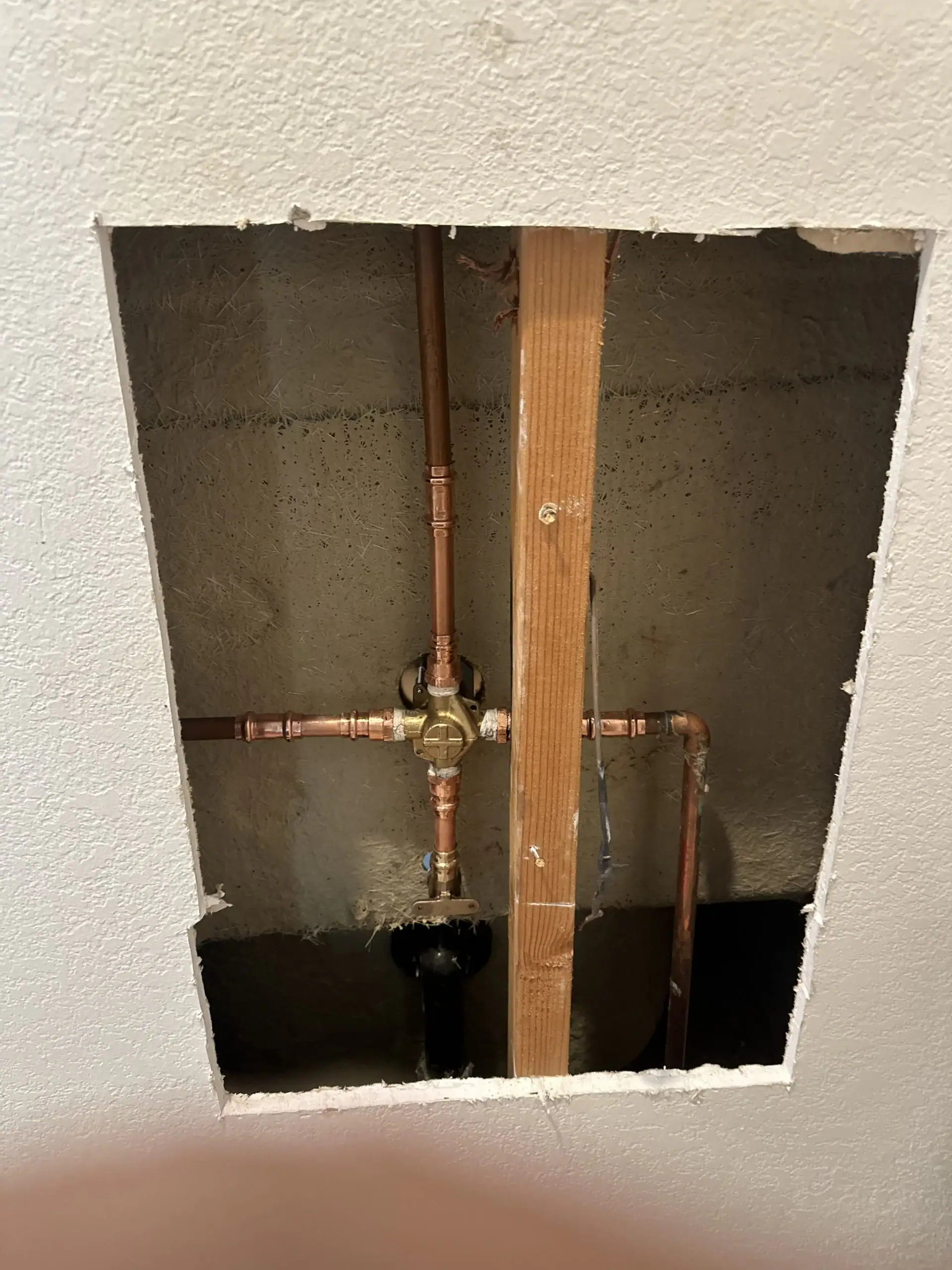
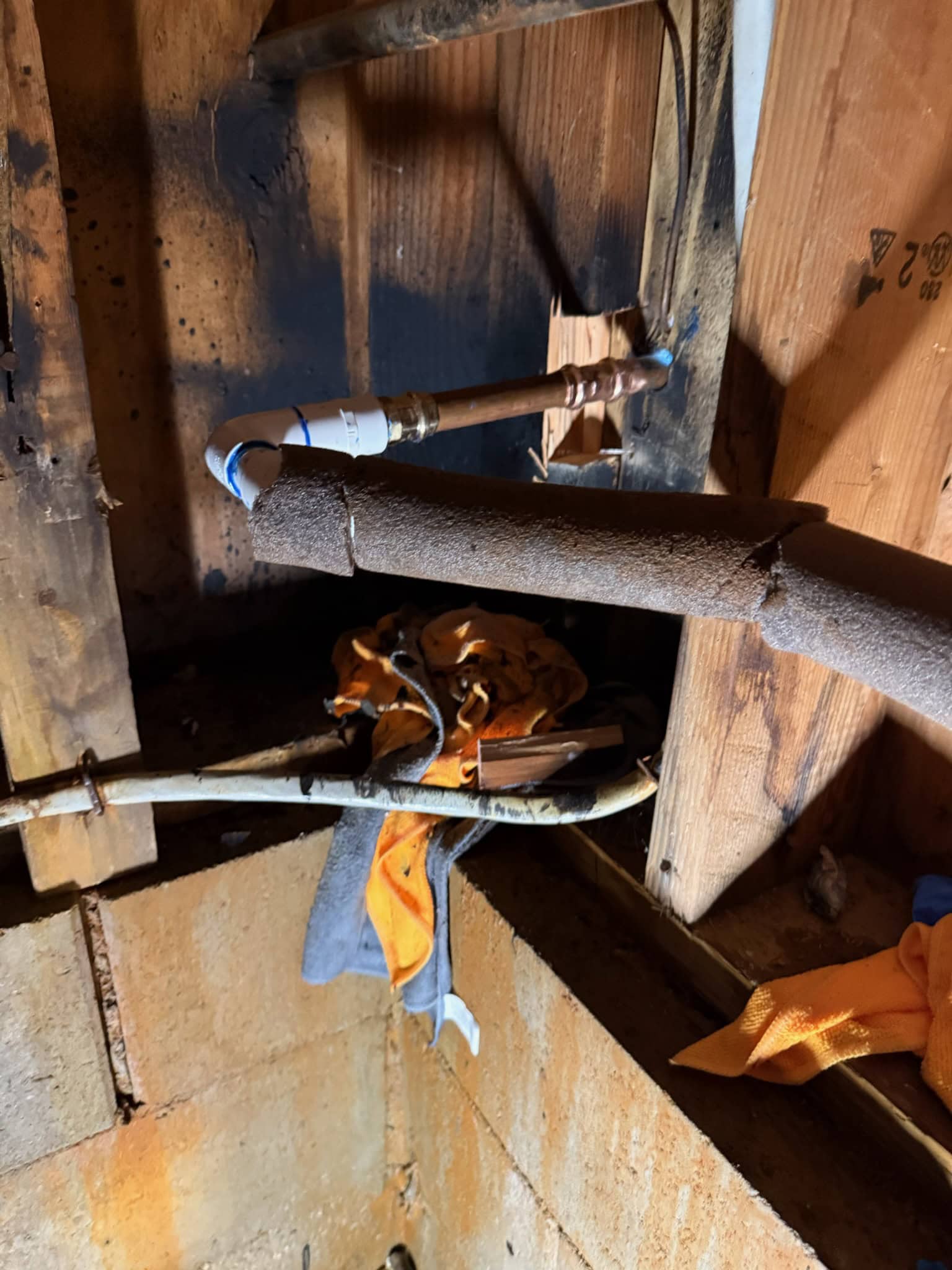
Kitec pipes are usually easy to spot if you know what to look for. The pipe itself is typically marked with one of these names: Kitec, PlumbBetter, IPEX AQUA, WarmRite, Kitec XPA, AmbioComfort, or XPA. The pipes are often orange or blue, though sometimes they’re wrapped or hidden behind walls.
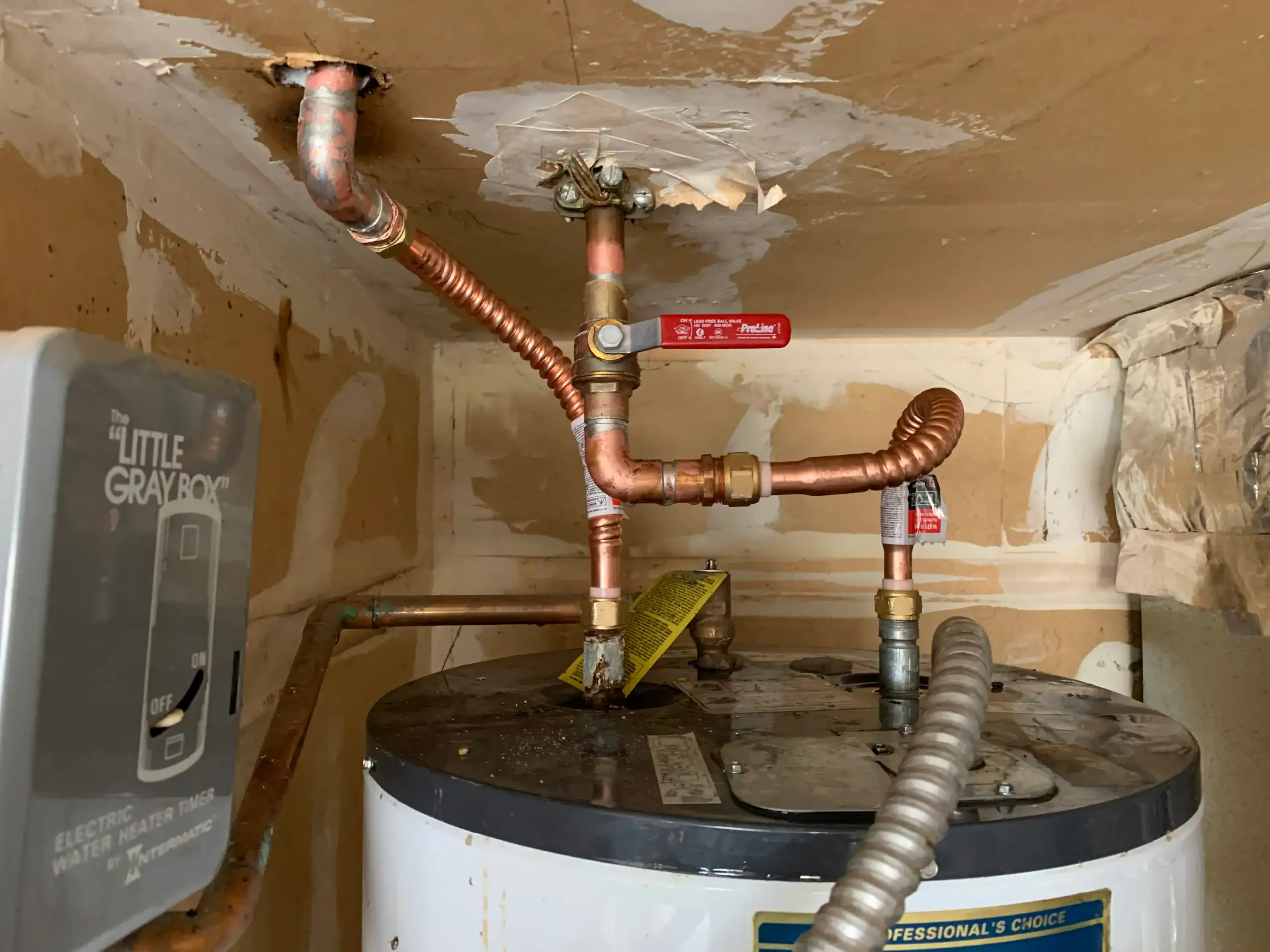
Check your water heater, under sinks, or in your crawl space or attic if you have access. If you see blue or orange plastic piping with brass fittings, that’s usually Kitec. The fittings are the bigger problem—they’re prone to corrosion and often fail before the pipe does.
If you’re not sure, we can come out and confirm it for you. It only takes a few minutes to identify, and it’s worth knowing sooner rather than later. Most Somerset homes built or remodeled between 1995 and 2007 are the highest risk.
It depends on the size of your home and how your plumbing is laid out. A smaller home with one or two bathrooms and easy access might run between $6,500 and $10,000. Larger properties with multiple bathrooms, longer pipe runs, or difficult access can range from $12,000 to $20,000 or more.
That might sound like a lot, but compare it to the cost of a major water damage event—which can easily hit $15,000 to $30,000 once you factor in repairs, lost belongings, and temporary housing. And if your insurance won’t cover it because they flagged your Kitec system, you’re paying all of that out of pocket.
We give you an exact price before we start. No hourly rates that spiral. No surprise fees. You’ll know what it costs, what’s included, and how long it’ll take. That’s how we’ve done business in El Dorado County for over two decades.
You can, but it’s not a smart long-term move. Kitec doesn’t fail in just one spot—it’s a system-wide issue. If one section is leaking or showing corrosion, the rest of the system is aging at the same rate. Patching one area might buy you a few months, but you’ll be back in the same situation soon.
On top of that, partial repairs don’t solve your insurance problem. Most carriers won’t change their stance unless the entire system is replaced. Same goes for home sales—buyers and inspectors want to see full replacement, not patchwork fixes.
We’ve seen homeowners try to stretch it out, and it almost always costs them more in the end. Between multiple service calls, ongoing leak damage, and the eventual full repipe anyway, you’re better off doing it once and doing it right.
No. Most homeowners stay in their homes during the repipe. We work in sections, so you’re not without water for the entire job. We’ll shut off supply to specific areas as we replace the pipes, but we coordinate with you to minimize disruption.
The job typically takes one to three days depending on your home’s size and layout. We start early, work efficiently, and clean up at the end of each day. You might need to plan around not using certain fixtures for a few hours, but it’s manageable.
If you have specific concerns—like needing water access for medical equipment or young kids—we’ll work with you on scheduling. We’ve done this enough times to know how to keep things moving without turning your life upside down.
We typically use either copper or PEX, depending on your home and your preference. Copper is the traditional choice—it’s durable, long-lasting, and has been the standard in plumbing for decades. It handles high pressure well and works in almost any application.
PEX is newer but equally reliable. It’s flexible, which makes it easier to install in tight spaces or homes with tricky layouts. It’s also resistant to corrosion and scale buildup, and it tends to be a bit more affordable than copper. Both materials are approved by California plumbing code and will last 50 years or more with proper installation.
We’ll walk you through the pros and cons of each based on your home’s specific setup. There’s no wrong choice here—both are light-years better than Kitec. What matters is that you’re getting a system that’s built to last and won’t put your home at risk.
Most residential Kitec repipe jobs take between one and three days. A smaller home with one bathroom and straightforward access might be done in a day. A larger home with multiple bathrooms, a second story, or limited crawl space access could take closer to three days.
We’ll give you a timeline during the estimate so you know what to expect. We don’t drag jobs out—we show up on time, work straight through, and finish when we say we will. That’s been our reputation in El Dorado County for over 24 years.
Once the new pipes are in, we pressure-test everything to make sure there are no leaks. Then we patch any walls or access points we opened and walk you through the system before we leave. You’ll have functioning plumbing and documentation of the work for your records and any future buyers.
Other Services we provide in Somerset