

Hear from Our Customers
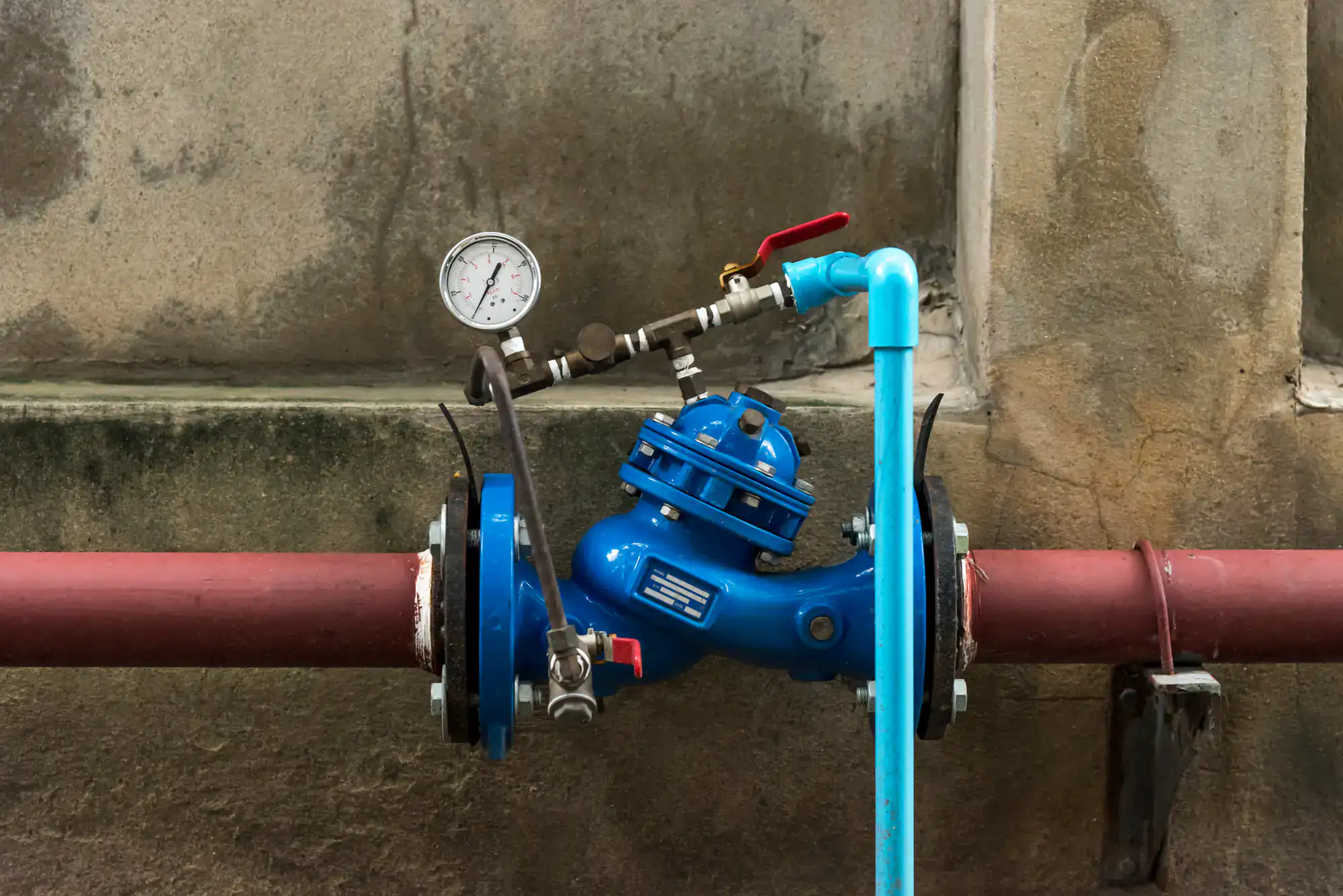
When a significant earthquake hits, your gas line doesn’t know the difference between a small tremor and a serious rupture. A seismic shut-off valve does. The moment ground movement exceeds the trigger threshold, it cuts the gas supply automatically before a leak can build, before a spark can find it, and before you even know what happened.
For Grizzly Flats specifically, that matters more than most people realize. USGS data puts the probability of a major earthquake within 50 kilometers of this area at nearly 47% over the next 50 years. That’s not a remote possibility it’s close to a coin flip. And a lot of homes up here run on propane, not piped natural gas. Propane is heavier than air, which means a post-earthquake leak doesn’t dissipate it pools. A seismic valve on a propane system isn’t just a good idea; it’s the kind of protection that could be the difference between a close call and a catastrophe.
You’ve already lived through what it looks like when a disaster moves faster than anyone expected. The Caldor Fire made that clear. Installing an automatic gas shut-off valve is one of the few things you can do right now before anything happens that costs a few hundred dollars and could prevent a total loss.
We were founded by Ryan Murray in 2009 and hold California C-36 Plumbing Contractor License #916322 the specific classification required by state law to perform gas line and seismic valve work. That license number is active and verifiable at cslb.ca.gov. If a contractor can’t point you to their license on a state database, that’s something worth knowing before they touch your gas line.
We’ve been serving El Dorado County homeowners for over 15 years, and we know the difference between the foothill communities and the Sacramento suburbs. Grizzly Flats isn’t Folsom. Homes out here are often on propane, access isn’t always easy, and the winters at nearly 4,000 feet are real. We service both natural gas and propane systems, we pull every required permit through El Dorado County’s Building Department, and we don’t consider the job done until the inspection is scheduled and your documentation is in order.
A 4.7-star Google rating across 93 reviews isn’t something you build by cutting corners. Customers have specifically called out that their final invoice came in at or below the original estimate. That’s not common in this industry but it should be.
It starts with a free pre-installation assessment. Before any work is scheduled or any money changes hands, we come out to evaluate your gas meter configuration, confirm whether your system runs on natural gas or propane, check the valve sizing your system requires, and identify any access conditions specific to your property. At the end of that visit, you get a firm price not a range, not an estimate subject to revision, but the number we’re going to charge you.
Once you’re ready to move forward, we pull the required permit through El Dorado County’s Building Department. This step matters. An unpermitted seismic valve installation is an undocumented modification one that won’t satisfy your insurer, has to be disclosed in any future property sale, and carries no legal record of compliance. For Grizzly Flats homeowners who’ve spent the last few years navigating insurance claims, FEMA paperwork, and rebuild permits, you already know what missing documentation costs you. We handle it as standard practice, not an add-on.
Installation of a DSA-certified seismic shut-off valve typically takes one to two hours. After the valve is set, we walk you through exactly what to do if it trips because that protocol matters. You should not attempt to reset a seismic valve yourself after a felt earthquake. A licensed plumber needs to inspect the gas lines for damage first. We explain all of it before we leave, and we schedule the county inspection to close the permit properly.
Ready to get started?
Every earthquake valve installation through Murray Plumbing includes the DSA-certified valve itself, labor, the El Dorado County building permit, and the final inspection scheduling. All-in pricing for most residential installations runs $400 to $650. That number covers the complete job not the valve alone, not the labor alone, not the permit billed separately afterward.
DSA certification matters here. The Division of the State Architect sets California’s standard for seismic valve testing trigger sensitivity, durability, reset reliability. A valve that isn’t DSA-certified doesn’t satisfy El Dorado County permit requirements and may not hold up under insurer scrutiny. Given that many Grizzly Flats homeowners are already navigating a difficult insurance market post-Caldor Fire, the last thing you need is a safety upgrade that doesn’t check the right boxes when you actually need it to.
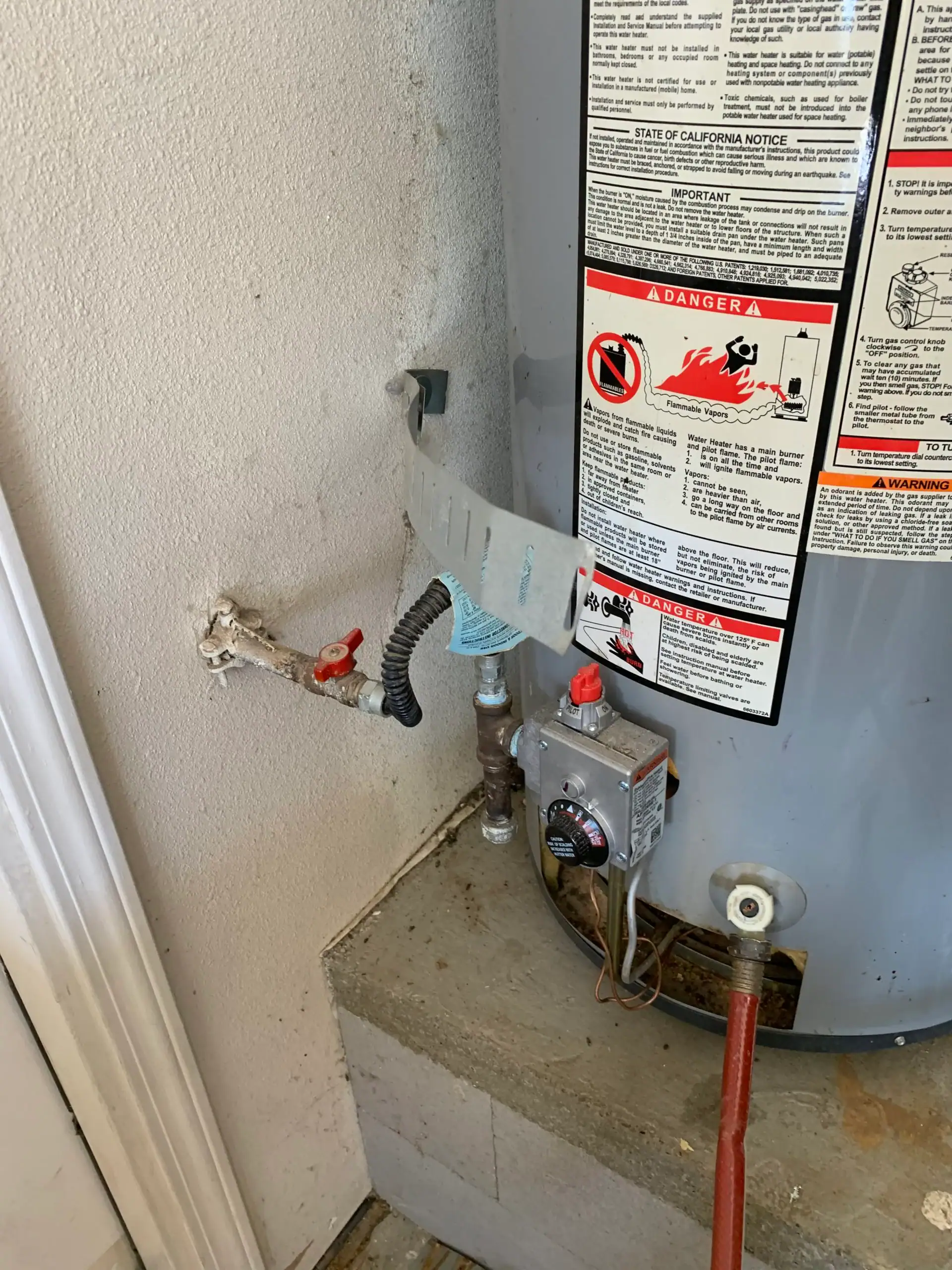
If your home runs on propane which a significant number of properties along Grizzly Flat Road and the surrounding area do that’s fully within scope. We service propane systems the same way we service natural gas, with the same permit process and the same DSA-certified valve standards. We also carry 24/7 availability, which matters in a mountain community at nearly 4,000 feet. If a winter earthquake trips your valve and your heat goes out at midnight in January, you’re not waiting until business hours.
Yes and skipping it creates real problems down the road. In Grizzly Flats, all gas line work including seismic valve installation falls under El Dorado County’s jurisdiction and requires a building permit issued by the county’s Building Department. California Plumbing Code governs the work, and the county enforces it.
An unpermitted installation isn’t just a technicality. If you file an insurance claim and an adjuster finds an unpermitted gas modification, it can complicate or void coverage. If you sell the property, you’re required to disclose unpermitted work. And if the valve was installed incorrectly without inspection, there’s no record proving it meets code. In a community where so many homeowners have already dealt with insurance denials and documentation gaps following the Caldor Fire, a properly permitted installation isn’t optional it’s the only version worth having. We pull the permit and schedule the inspection on every job.
Yes, and it’s just as important arguably more so. A lot of homes in Grizzly Flats and the surrounding El Dorado County foothills run on propane rather than PG&E natural gas, and seismic shut-off valves work on propane systems the same way they work on natural gas lines.
The reason propane deserves extra attention is physics. Propane is heavier than air, so when a line leaks after an earthquake, the gas doesn’t rise and dissipate it sinks and accumulates in low areas of the home. That makes post-earthquake ignition risk higher with propane than with natural gas in many scenarios. An automatic seismic valve cuts the supply the moment it detects ground movement above the trigger threshold, which stops that accumulation before it starts. We service both natural gas and propane systems throughout Grizzly Flats, with the same DSA-certified valve standards and full El Dorado County permit compliance on both.
For most residential installations, the all-in cost runs between $400 and $650. That includes the DSA-certified valve, labor, the El Dorado County building permit, and final inspection scheduling. It’s not a starting price that grows it’s the complete number for a standard single-meter residential installation.
The only things that can move that number are genuinely unusual access conditions a meter that’s in a difficult location, a system configuration that requires additional fittings, or an older propane setup that needs specific hardware. Those situations come up occasionally in older foothill homes, but they’re identified during the free pre-installation assessment before any work begins. You’ll know the exact price before we schedule anything. Customers have consistently noted that their final invoices came in at or below the original estimate, which is worth mentioning because it’s not the norm in contracting especially in a community that’s been through a lot of contractor interactions over the past few years.
You should not reset it yourself and that’s not a liability disclaimer, it’s genuinely important. When an earthquake trips your seismic shut-off valve, the valve did its job. But the reason it tripped is that ground movement exceeded a threshold that could have caused pipe damage. Before gas is restored, a licensed plumber needs to physically inspect the gas lines to confirm there’s no rupture, no joint separation, and no damage that would turn a reset into a gas release inside your home.
In Grizzly Flats, this matters even more because of the community’s rural location. Emergency response times here are longer than in Sacramento or Placerville. If you reset the valve yourself and there’s a damaged line, you may not have fast access to emergency services. The reset protocol also involves specific steps that, done out of sequence, can introduce gas into a compromised system. We’re available 24/7 including winter nights when your heat depends on that gas line and walking you through the post-trip process is part of what you’re paying for when we install the valve.
It can, and for Grizzly Flats homeowners specifically, this conversation is more relevant than it is almost anywhere else in the state. The California homeowner insurance market has been tightening significantly, and residents in high-risk fire and seismic zones which Grizzly Flats qualifies as on both counts are facing stricter underwriting requirements, higher premiums, and in some cases, difficulty maintaining private coverage at all. Many homeowners in the area have already shifted to the California FAIR Plan following the Caldor Fire.
Some California insurers offer premium discounts of 5 to 15 percent for documented seismic safety upgrades, including a properly installed and permitted earthquake shut-off valve. More importantly, a permitted installation creates a documented record a county-issued permit and final inspection on file that you can present to an insurer or broker. That documentation is what insurers actually want to see. A valve installed without a permit doesn’t carry the same weight. Given what insurance complexity has cost this community since 2021, a documented safety upgrade that supports your insurability is worth more than the installation cost.
It depends on the scope of the rebuild and how the gas system is being configured, but the short answer is: if you’re installing a new gas system as part of a rebuild, this is the right time to add a seismic valve and in some configurations, it may be required under current California code.
Homes being rebuilt in Grizzly Flats under El Dorado County’s standard building permits are subject to current California Building Code and California Plumbing Code requirements. Modern code increasingly incorporates seismic safety provisions for gas systems, and county plan reviewers are active in the area given the volume of rebuild permits being processed since the fire. Even where a seismic valve isn’t explicitly mandated for a specific rebuild configuration, adding one during new construction costs less in incremental labor than a standalone installation later because the gas system is already open and accessible. If you’re in the process of rebuilding on Grizzly Flat Road or anywhere in the surrounding area, the pre-installation assessment is free and will give you a clear answer on what’s required and what’s recommended for your specific system before you commit to anything.
Other Services we provide in Grizzly Flats