
Hear from Our Customers
Regency Park sits on alluvial soil the kind of deep, sandy, saturated ground that seismologists flag for liquefaction risk. That matters because liquefaction doesn’t require a catastrophic earthquake. A moderate seismic event can move that ground enough to stress or rupture a residential gas line, and without a shut-off valve, there’s nothing stopping the flow.
Most homeowners in Regency Park don’t think about that until something forces the conversation a home inspection before a sale, an insurance renewal with new language in it, or a neighbor mentioning they just had one installed. When that moment hits, the question isn’t whether to get it done. It’s who to call and how fast they can get there.
An earthquake valve installation done right means a DSA-certified valve calibrated to your gas meter, a permit on file with the City of Sacramento, and written documentation your insurer will actually accept. You’re not just checking a box you’re creating a legal record that protects your home’s value, satisfies your insurance requirements, and gives you something real to hand over at closing if you ever sell. For a neighborhood where homes change hands regularly and flood insurance is already part of the picture, adding that layer of seismic protection is a straightforward decision.
Murray Plumbing was founded in 2009 by Ryan Murray a licensed California plumbing contractor with C-36 License #916322. That’s the specific classification required under state law to legally perform gas line and seismic valve work. You can verify it at cslb.ca.gov in under a minute, and we’d encourage you to.
This isn’t a franchise or a call center routing jobs to whoever’s available. It’s a Sacramento-area business that’s been doing this work for over 15 years, with a 4.7 out of 5 Google rating based on 93 reviews. Customers consistently mention that final invoices came in at or below the original estimate which, in a service category where most people expect to be surprised, says a lot.
Regency Park is a core part of our Sacramento service area. We know the North Natomas permit process, we work with the City of Sacramento’s Building Inspection Division regularly, and we can reach neighborhoods off the Truxel Road corridor quickly. When you call, you’re not explaining where you live to someone three counties away.
It starts with a free pre-installation assessment. We come out, look at your gas meter and existing line configuration, and give you an exact price before any work is scheduled. For most Regency Park homes standard early-2000s subdivision construction with a typical exterior meter setup that all-in number lands between $400 and $650. That covers the DSA-certified valve, licensed labor, permit fees, and written documentation. Nothing gets added on the back end.
Once you approve the quote, we pull the required building permit through the City of Sacramento. That step matters more than most homeowners realize. An unpermitted installation creates a disclosure liability you’ll have to deal with at resale, and it may not satisfy your insurer’s documentation requirements. We handle the permit as a standard part of the job not an upsell.
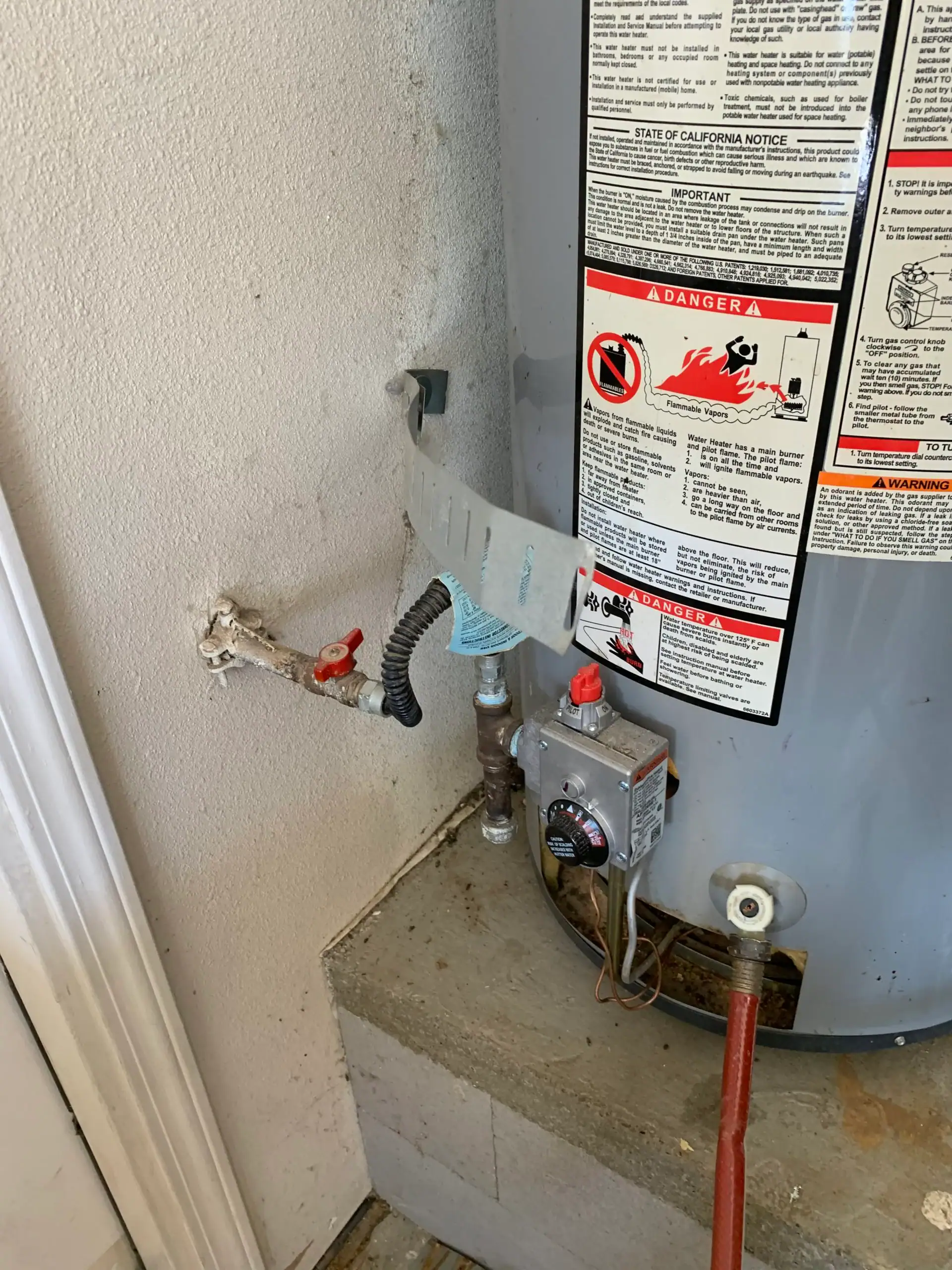
Installation itself is straightforward. We fit the DSA-certified seismic shut-off valve to your gas meter line, test the connection, and walk you through how the valve works including what to do if it trips and why you should not reset it yourself until a licensed plumber has confirmed your gas lines are undamaged. Most homeowners have never been told that part. We cover it every time. After the final inspection is complete, you’ll have a permitted record on file and written documentation in hand.

Ready to get started?
Not every earthquake valve on the market meets California’s DSA certification standard and that distinction matters when your insurer asks for documentation or when a buyer’s inspector reviews your permit history. Every valve we install is DSA-certified, which means it’s been tested and approved to the specific standard that satisfies California permit requirements, insurance documentation, and real estate disclosure obligations.
Regency Park homeowners sometimes ask whether a valve installed near Sacramento International Airport about six miles away will trip from aircraft noise or I-5 truck traffic. It won’t. DSA-certified valves are calibrated to trigger at a seismic threshold of approximately 0.2g of horizontal ground acceleration. Routine environmental vibration from planes, heavy trucks, or nearby construction doesn’t come close to that threshold. A properly selected and installed valve responds to earthquakes, not your daily commute.
North Natomas sits in a historical floodplain, and many homeowners here already carry flood insurance. If your insurer has started flagging seismic safety features as a requirement or offering premium adjustments tied to them, the documentation package we provide permitted installation record, DSA certification, written workmanship warranty is exactly what they’re looking for. You won’t need to go back and forth with your agent trying to prove the work was done correctly.
Yes and it’s not optional. Regency Park falls under the jurisdiction of the City of Sacramento, which means all gas line work, including seismic valve installation, requires a building permit through Sacramento’s Community Development Department. The permit creates an official record of the installation that gets tied to your property’s file.
That record matters in two specific situations: when you sell your home and a buyer’s inspector reviews your permit history, and when your insurance company asks for documentation that the work was done to code. An installation without a permit isn’t just a technicality it’s a liability you’ll have to disclose at closing, and it may not satisfy your insurer’s requirements even if the valve itself is the right one. We pull the permit and schedule the final inspection as a standard part of every job. It’s included in the price, not added on later.
For most Regency Park homes, the all-in cost runs between $400 and $650. That covers the DSA-certified valve, licensed labor, permit fees, and written documentation. The range exists because meter configurations and line setups vary slightly from home to home but the early-2000s subdivision construction throughout North Natomas means most installations fall toward the middle of that range with few complications.
We confirm your exact price during a free pre-installation assessment before any work is scheduled. There’s no estimate that balloons into something else once we’re on-site. Customers regularly mention in reviews that their final invoice came in at or below the original quote that’s not an accident, it’s how we operate. If you’ve already gotten a quote from another contractor and want to compare, we’re happy to walk through what’s included in ours line by line.
This is one of the most common concerns we hear from homeowners in the North Natomas area, and it’s a fair one. Living roughly six miles from Sacramento International Airport and near the I-5 corridor means you’re exposed to consistent ambient vibration planes overhead, heavy freight trucks, the occasional construction project nearby.
DSA-certified seismic shut-off valves are designed with a specific trigger threshold: approximately 0.2g of horizontal ground acceleration. That’s a level of seismic force that standard environmental vibration aircraft, trucks, construction equipment simply doesn’t reach. The valve is calibrated to respond to earthquake-level ground movement, not the kind of vibration that’s part of daily life in this neighborhood. A properly selected, properly installed DSA-certified valve won’t give you false trips from your surroundings. That said, valve selection matters which is one reason we don’t install uncertified valves that might not hold to that standard consistently.
You can physically reset most seismic shut-off valves but you shouldn’t do it without a licensed plumber checking your gas lines first. Here’s why that matters: the valve tripped because it detected seismic ground movement. That same movement may have stressed, shifted, or damaged your gas lines somewhere between the meter and your appliances. If you reset the valve and restore gas flow before that’s confirmed, you’re potentially introducing gas into a line that’s no longer intact.
The correct sequence is to leave the valve in the tripped position, ventilate your home, and call a licensed plumber to inspect the lines before any reset happens. If the lines are undamaged, the reset takes seconds. If there’s an issue, you’ve just avoided something far more serious. This is a step that a lot of installers skip during the walkthrough we cover it with every homeowner at the end of every job, because the reset protocol is part of what you’re paying for, not an afterthought.
It depends on the valve and how the installation was documented. Not every valve qualifies your insurer will typically want confirmation that the installed valve is DSA-certified, which is California’s testing and approval standard for seismic shut-off valves. Beyond the valve itself, most insurers also want a permitted installation record, meaning the work was done by a licensed contractor, pulled a permit, and passed a final inspection.
We install only DSA-certified valves and handle the full permit process through the City of Sacramento as a standard part of every job. After installation, you’ll have written documentation the permit record, the DSA certification, and a written workmanship warranty that covers what most insurers ask for. If you’ve received specific language from your insurance company about what they require, bring it to your assessment appointment and we’ll confirm whether our installation satisfies it before any work begins.
No PG&E does not install seismic shut-off valves. If you contact them about it, they’ll refer you to a licensed plumbing contractor. The installation involves modifying your gas line at the meter, which falls under California’s C-36 plumbing contractor license classification, not utility company services.
This is a common assumption that delays a lot of homeowners from acting. They call PG&E, get redirected, and the task falls off the list. The work itself isn’t complicated a licensed C-36 plumber installs the valve at your gas meter, pulls the permit, and the job is typically done in a few hours. What matters is that the contractor holds the right license for gas line work, installs a DSA-certified valve, and documents everything properly. We hold California C-36 License #916322 the specific classification required by state law for this type of work and serve Regency Park and the broader North Natomas area directly from our Sacramento base.
Other Services we provide in Regency Park