Discover the most common plumbing mistakes homeowners make during renovations and how to avoid costly repairs with professional guidance.
Share:
Summary:
The biggest plumbing disasters happen before the first pipe is touched—during the planning phase. Most homeowners focus on the pretty stuff like tiles and fixtures while treating plumbing as an afterthought.
Smart renovation planning starts with understanding your existing plumbing system. That 1970s ranch house has different challenges than a 2010 build, and El Dorado County’s clay soil adds another layer of complexity that can shift and damage underground pipes.
Before you pick out that gorgeous farmhouse sink, know whether your current plumbing can handle it. The last thing you want is to discover your dream fixture requires a complete kitchen replumb halfway through the project.
Here’s what most homeowners don’t realize: that “simple” fixture swap might require permits, code updates, or complete line replacements. A professional assessment before you start can save thousands in surprise costs and delays.
During a pre-renovation inspection, experienced plumbers check your water pressure, pipe condition, and capacity. We’ll spot potential problems like outdated materials, improper installations from previous owners, or systems that won’t support your new layout. In El Dorado County, this includes checking for clay soil damage that’s common in the area.
The inspection also reveals code compliance issues. Many older homes have plumbing that was fine when installed but doesn’t meet current standards. If you’re pulling permits for your renovation, you’ll need to bring everything up to code anyway. Finding this out early prevents the shock of unexpected costs when you’re already committed to the project.
Professional plumbers can also help you understand the permit process. Extensive alterations, new installations, drain line replacements, and water heater changes often require permits. Skipping this step can devalue your home and create legal issues when you try to sell. Getting caught means stop-work orders and fines until you get proper permits.
The most expensive renovation mistakes happen when homeowners make assumptions about their plumbing system. Here are the planning errors that cause the biggest problems:
Assuming all pipes are the same. Modern plumbing uses various materials—copper, galvanized steel, brass, PVC, and PEX. You can’t just swap one for another without proper fittings and knowledge. Mixing incompatible materials creates leaks, corrosion, and system failures.
Underestimating water line requirements. That luxury shower with multiple body sprays and rainfall head? It can use 10-11 gallons per minute. Half-inch water lines won’t cut it. You might need 3/4-inch or even larger diameter lines, and PEX often has smaller inner diameters than copper.
Ignoring drainage requirements. Gravity still matters in plumbing. Shower floors need precise slopes—typically dropping half an inch every 12 inches from wall to drain. Get this wrong and water pools, creating mold and structural damage.
Forgetting about access. Beautiful tile work is great, but what happens when you need to service the plumbing behind it? Smart planning includes access panels and consideration for future maintenance.
Not budgeting for surprises. Every renovation uncovers something unexpected. Old pipes might be worse than they look, or previous DIY work might need complete redoing. Budget at least 20% extra for plumbing surprises.
Want live answers?
Connect with a Murray Plumbing expert for fast, friendly support.
Even with good planning, the actual work is where most homeowners get into serious trouble. These aren’t just minor inconveniences—they’re mistakes that can flood your home, create health hazards, or cost thousands to fix properly.
The most dangerous mistake? Forgetting to shut off the water supply. It sounds basic, but it happens constantly. Homeowners start taking apart fixtures and suddenly have full water pressure flooding their space. Even after shutting off the main, you need to drain the lines by running faucets before starting work.
Another costly error is overtightening connections. More force doesn’t mean better seal—it means cracked fittings and future leaks that might not show up for weeks.
Picture this: you’re at the hardware store looking for a replacement fitting. You find something that seems like it’ll work, take it home, and it does fit when you put things together. Lucky, right? Wrong.
Fittings that seem compatible aren’t always actually compatible. Without proper testing for leaks before sealing everything back up, these connections become major sources of water damage, flooding, and mold contamination. What looks fixed on the surface can fail weeks or months later, often in hidden areas where damage goes unnoticed.
The problem gets worse with off-brand fixtures from online retailers. They might look identical to quality brands, but the tolerances and materials can be different enough to cause connection problems. When something goes wrong, you can’t get replacement parts, and warranty support is often nonexistent.
Professional plumbers know which materials work together and have access to proper transition fittings when mixing pipe types. We also know that some metals should never be directly connected—like galvanized steel to copper—because chemical reactions cause rapid corrosion at the connection point.
The testing process matters too. Before sealing up any new plumbing, we turn the water on and carefully check every connection for even small drips. Any water whatsoever means the connection isn’t right and needs to be redone.
When drains slow down during renovation, many homeowners reach for liquid drain cleaners. It seems like a quick fix, but these chemicals can destroy your new plumbing work and create dangerous situations.
Liquid drain cleaners are highly corrosive. Using too much or using them too often damages metal traps and pipes, causing leaks in your brand-new plumbing. They’re particularly destructive to rubber gaskets in mission-style couplings—if your renovation includes these connections and you use chemical cleaners, you’re setting yourself up for future leaks.
The safety issue is even worse. If the cleaner doesn’t clear the clog and you need to remove the trap arm later, it’ll be filled with caustic chemicals that can burn skin and damage lungs. We have to treat this as hazardous waste removal, adding time and cost to what should be a simple repair.
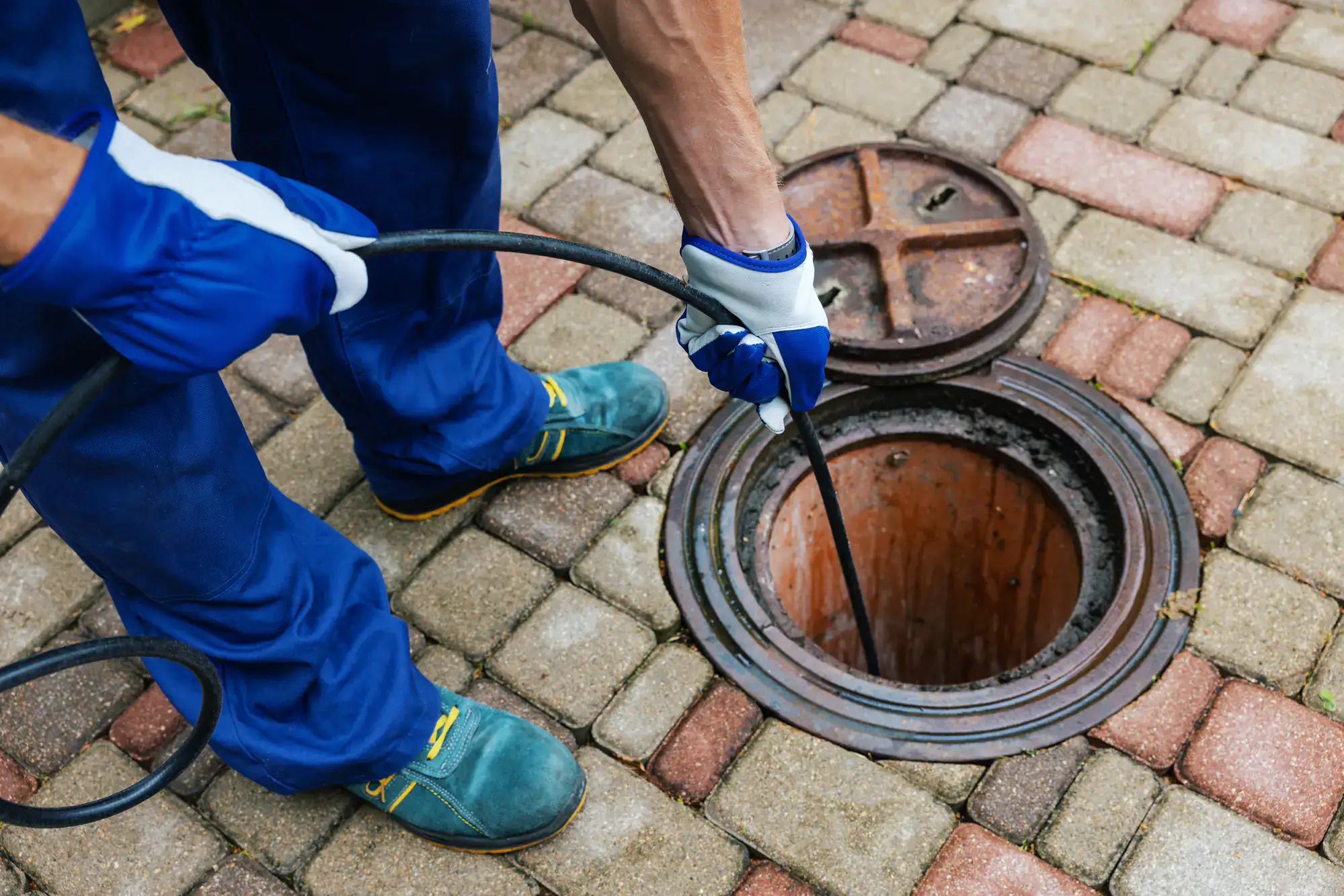
During renovations, debris in lines is common and usually requires mechanical clearing anyway. Chemical cleaners rarely work on construction debris, hair, and solid obstructions. Professional drain cleaning with proper equipment solves the problem without damaging your new plumbing or creating safety hazards.
The environmental impact matters too. These chemicals end up in groundwater and can harm septic systems. El Dorado County’s natural environment deserves better, and we offer eco-friendly alternatives that work better anyway.
Smart homeowners know their limits. While you might handle painting and flooring, plumbing mistakes can flood your home, create health hazards, and cost thousands to fix properly.
The key is calling us before problems start, not after disasters happen. Our 24+ years of experience in El Dorado County means we understand local challenges like clay soil effects and can spot potential issues before they become expensive emergencies.
Whether you need pre-renovation assessment, permit assistance, or complete plumbing installation, having local experts who offer transparent pricing and same-day service gives you peace of mind. Your renovation should improve your home, not create new problems that haunt you for years.
Article details:
Share:
Continue learning: