Navigate water heater selection for El Dorado County's unique climate with expert insights on sizing, efficiency, and the best options for foothill homes.
Share:
Summary:
You have two main paths: traditional storage tanks that keep hot water ready in reserve, or tankless systems that heat water on demand. Each approach has earned its place in foothill homes, but for different reasons.
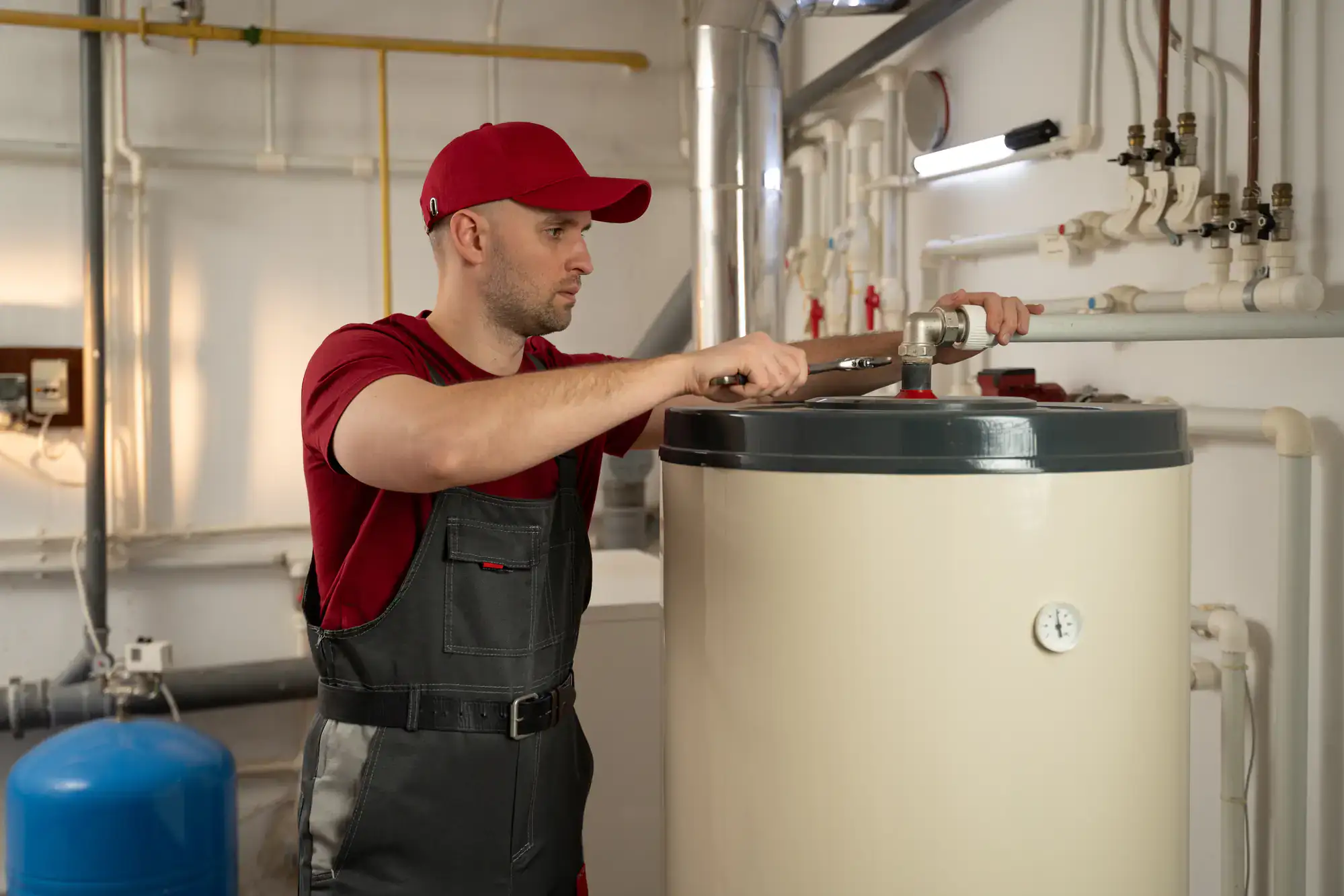
Storage tank systems store 30-80 gallons of heated water, ready when you need it. They handle simultaneous demand well—multiple showers, dishwasher, and laundry can all draw from the same reserve. The downside? They’re constantly using energy to maintain temperature, even at 3 AM when nobody’s awake.
Tankless water heaters eliminate that standby waste by heating water only when you turn on a tap. They last longer, take up less space, and provide unlimited hot water. But they cost more upfront and can struggle when multiple fixtures demand hot water simultaneously.
El Dorado County’s climate actually favors both options, but your household’s hot water habits determine which makes more sense.
Tankless systems excel in our area because they’re not sitting in cold garages losing heat all winter. When incoming water drops to 45°F in January, a quality tankless unit simply adjusts its heating to compensate. You also get back valuable floor space—important in many foothill homes where utility areas run small.
Traditional tanks work beautifully too, especially for families with predictable routines. If you shower one after another each morning, run the dishwasher after dinner, and do laundry on weekends, a properly sized tank handles these patterns effortlessly.
The efficiency question matters with California’s energy costs. Tankless systems typically cut energy use by 24-34% for households using 41 gallons or less daily. Even heavy-usage homes see 8-14% savings. Over 20 years, that adds up to real money.
Your home’s existing setup influences the decision too. Switching to tankless often means electrical or gas upgrades, adding to initial costs. However, most El Dorado County homes built since the 1990s can accommodate tankless systems without major modifications.
Timing plays a role as well. Emergency replacements usually favor traditional tanks—they install faster and cost less upfront. Tankless installations take more planning but deliver long-term benefits that often justify the extra effort.
Proper sizing prevents the frustration of running out of hot water and the waste of heating more than you need. El Dorado County homes range from cozy retreats to large family properties, so your approach needs to match your reality.
Focus on your peak demand hour—usually morning when showers overlap with dishwasher cycles and laundry loads. Count simultaneous hot water uses during your busiest times, not just total daily consumption.
For traditional tanks: 1-2 people typically need 30-40 gallons, 3-4 people require 40-50 gallons, and larger families should consider 60-80 gallon units. But habits matter more than headcount. Teenagers taking 20-minute showers or households that regularly fill large soaking tubs need extra capacity.
Tankless sizing focuses on flow rate instead of storage. A standard shower uses 2-3 gallons per minute, dishwashers add 1-2 GPM, and washing machines contribute another 1-2 GPM. Quality whole-house tankless units typically deliver 6-10 GPM, handling most household demands comfortably.
Our local conditions affect these calculations. Winter incoming water temperatures can drop to 45°F, forcing your water heater to work harder reaching 120°F output. Cold weather performance becomes part of the sizing equation, especially if you’re borderline between two capacity options.
Think about future needs too. Home additions, family changes, or aging-in-place modifications that add bathrooms are easier to accommodate with proper initial sizing than costly replacements later.
Want live answers?
Connect with a Murray Plumbing expert for fast, friendly support.
El Dorado County’s position in the Sierra foothills creates specific efficiency opportunities that smart homeowners leverage for lower energy bills and better performance.
Our significant temperature swings—from summer heat to winter cold—affect water heater efficiency in ways that might surprise you. Traditional tanks lose heat through their walls, and this loss accelerates when garage or basement temperatures drop. Tankless systems avoid standby losses but work harder when incoming water runs cold.
The key is understanding how local utility rates amplify efficiency gains. PG&E’s tiered pricing means a more efficient water heater doesn’t just save energy—it helps you stay in lower rate tiers longer, multiplying your savings.
Winter performance separates good water heater choices from great ones in our climate. Understanding how cold weather affects different systems helps you optimize year-round efficiency.
Traditional tanks in unheated spaces work significantly harder during cold months, potentially increasing energy use by 15-20%. Location matters enormously—a tank in a heated basement performs much better than one in an unheated garage. Insulation blankets and careful placement make substantial differences.
Tankless systems handle temperature variations more gracefully, but proper installation prevents freeze damage. Units in heated spaces or with freeze protection features maintain consistent performance regardless of outside conditions.
Heat pump water heaters deserve consideration in our climate. They extract heat from ambient air, working most efficiently when temperatures stay above 40°F—which describes most of our year. During our mild winters, they can be three times more efficient than traditional electric units.
Elevation affects performance too. At foothill elevations, atmospheric pressure differences can impact gas appliance combustion and venting. Professional installation becomes crucial for proper performance and safety.
Consider seasonal usage patterns as well. Many residents use more hot water during winter—longer showers, more frequent laundry, holiday cooking. Others see summer spikes from garden cleanup and outdoor activities. Understanding your family’s seasonal rhythms helps optimize both sizing and efficiency features.
Your fuel choice—natural gas, propane, or electric—depends on availability, costs, and your property’s specific situation. Each option has clear advantages depending on where you live in the county.
Natural gas delivers the lowest operating costs where service exists, but availability varies dramatically across El Dorado County. Urban and suburban areas typically have access, while rural properties often rely on propane or electricity.
Propane provides similar performance to natural gas but requires tank refills and typically costs more per BTU. However, it offers independence from utility infrastructure and works during power outages—valuable for remote properties.
Electric systems work everywhere but face California’s high electricity rates. They integrate well with solar panels and backup battery systems, making them attractive for homeowners pursuing energy independence.
Infrastructure changes add significant costs. Installing gas lines, upgrading electrical panels, or adding propane storage often tips decisions toward staying with existing fuel sources unless you’re already planning major improvements.
Geographic location within the county affects both availability and economics. Properties near urban areas enjoy better natural gas access and competitive electricity rates. Rural locations might find propane more cost-effective than extending utility lines.
Reliability considerations matter too. Gas systems work during power outages (though newer models need electricity for ignition). Electric systems depend on grid power but pair seamlessly with solar-plus-battery installations and backup generators.
The right water heater choice balances your family’s hot water needs with El Dorado County’s unique conditions and your long-term budget. Whether you choose a reliable traditional tank or an efficient tankless system, proper sizing and professional installation determine your satisfaction for the next 10-20 years.
Don’t rush this decision. Take time to evaluate your household’s usage patterns, consider future needs, and factor in our area’s climate realities. The upfront investment in the right system pays back through lower energy bills, fewer repairs, and the peace of mind that comes with reliable hot water.
When you’re ready to move forward, experienced local professionals ensure your installation meets county requirements and maximizes available rebates. We have guided El Dorado County homeowners through these decisions for over 24 years, installing systems that perform reliably in our unique foothill environment.
Article details:
Share:
Continue learning: