
Hear from Our Customers
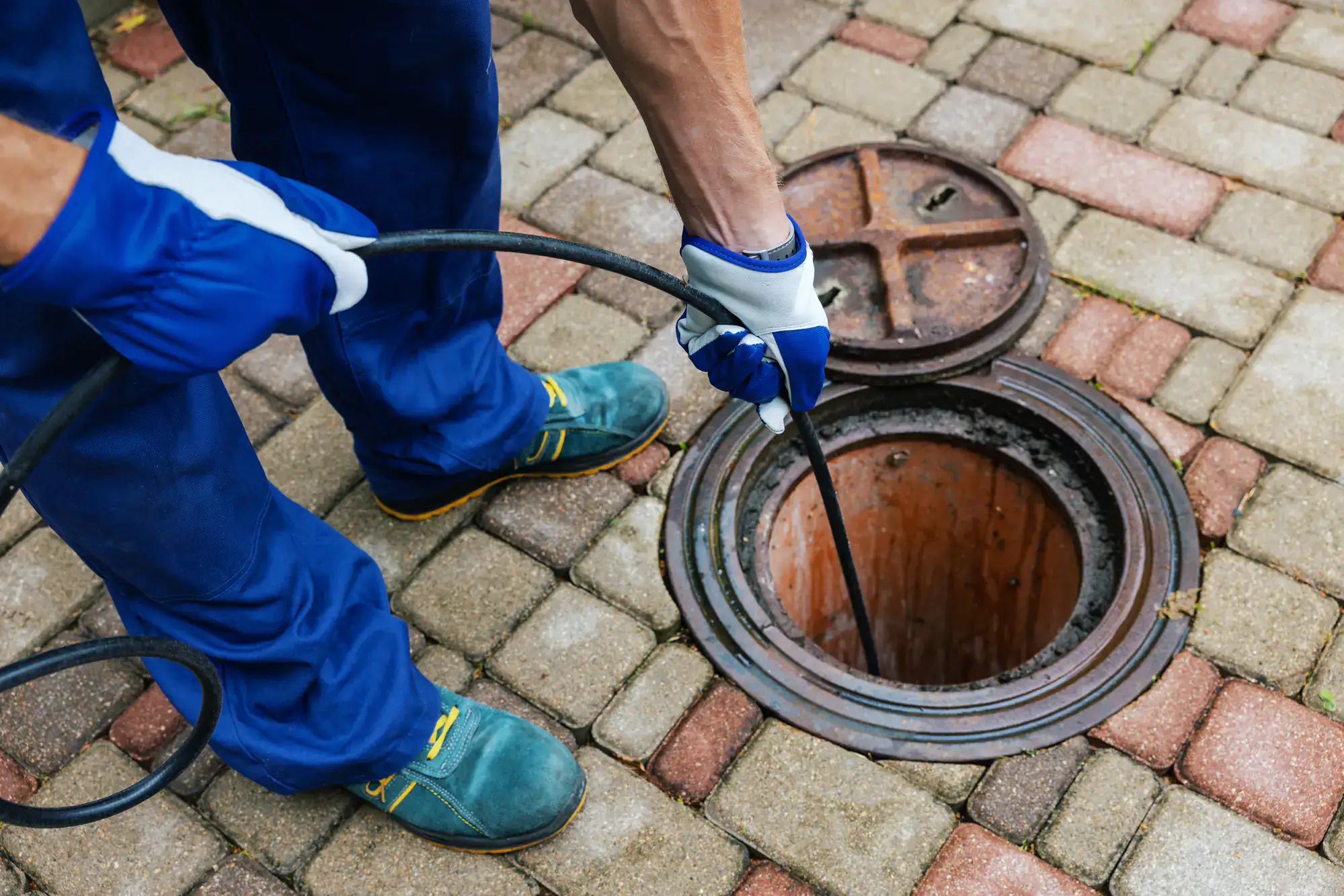
If you’ve had the same drain snaked two or three times in the past couple of years and the problem keeps coming back, snaking isn’t the issue — it’s just not the right tool. A snake punches through a clog and moves on. Hydro jetting scours the inside of your pipe at up to 4,000 PSI, removing the grease coating, mineral scale, root fragments, and built-up debris that snaking leaves behind. That’s why results last months or years instead of weeks.
For homes in Courtland specifically, this matters more than it might somewhere else. The Sacramento River Delta sits on peat soil that compacts and shifts over time, putting ongoing stress on buried pipe joints. That movement creates small cracks and separations — and those gaps are exactly where tree roots get in. When you’re surrounded by mature pear orchards and riparian trees along the river, root intrusion isn’t a rare event. It’s a recurring maintenance reality. Hydro jetting removes the root mass and cleans the pipe wall so regrowth slows down significantly.
We run a camera inspection before the job starts and again after it’s done. You see the before. You see the after. There’s no guessing about whether the problem was actually solved.
We’ve been serving Northern California since 2009. That’s over 15 years of residential and commercial plumbing work across Sacramento County and El Dorado County — and yes, that includes the Delta corridor where Courtland sits. Courtland isn’t a detour for us. It’s part of the service area we’ve deliberately committed to.
The business is family-owned, which means the reputation is personal. There’s no corporate call center deciding whether your Delta service call is worth the drive. We hold a California C-36 Plumbing Contractor License — verifiable through the CSLB — and carry full insurance and bonding. You’re covered, and the work is done by people who are accountable by name. Customers across the Northern California service area consistently call out the same things: on-time arrival, honest pricing, and a technician who explains what’s happening before touching anything.
In a small community like Courtland, where word travels fast and neighbors compare notes, that kind of track record is the only marketing that actually matters.
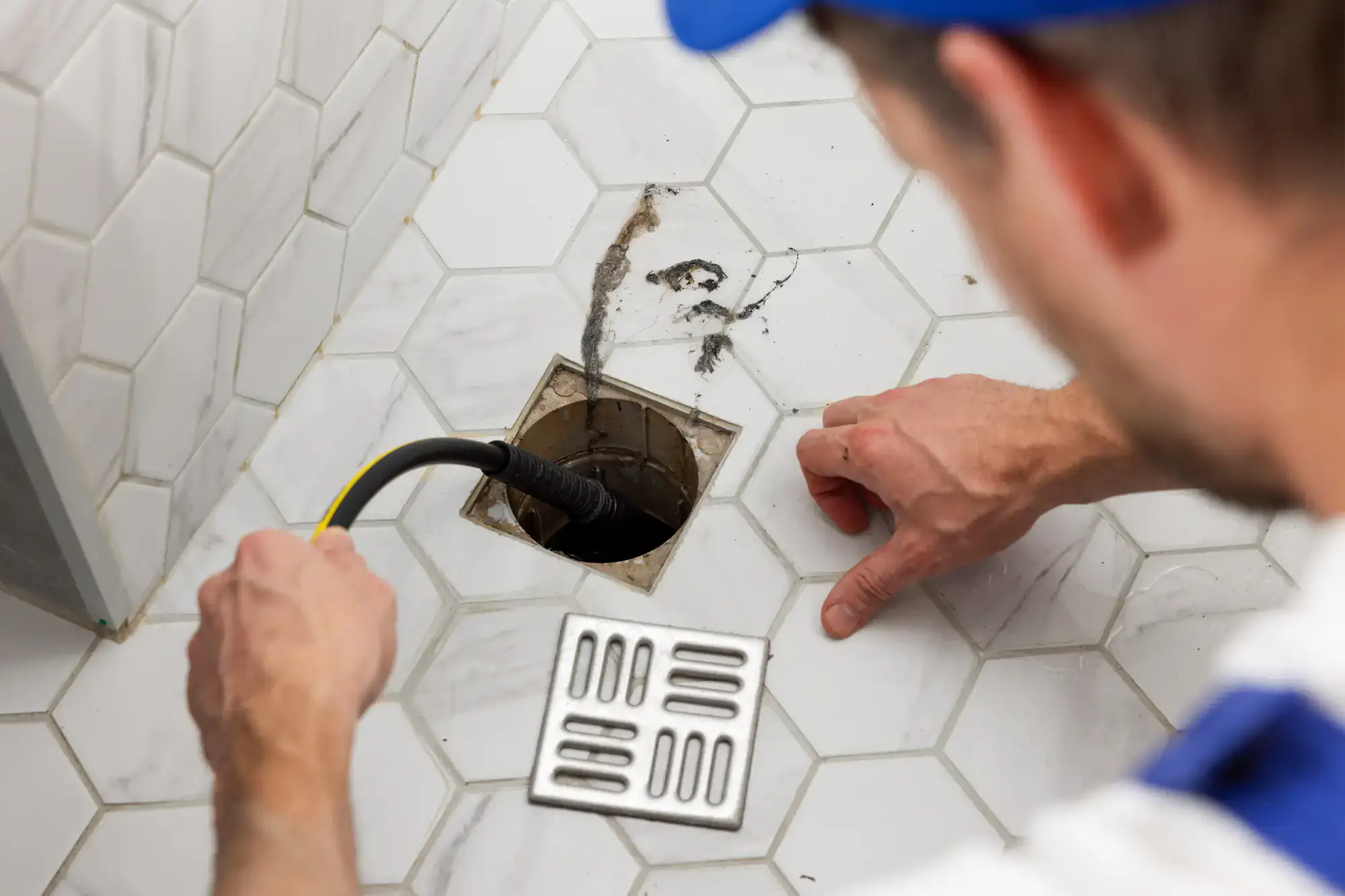
It starts with a camera inspection. Before any pressure goes into your pipes, we run a camera through the line to see exactly what’s in there and assess the condition of the pipe itself. This step matters especially in Courtland, where a lot of homes were built in the 1960s and 70s with clay tile or cast iron sewer lines. Those materials age differently than modern PVC, and the Delta’s shifting peat soil can stress pipe joints in ways that aren’t visible from the surface. The inspection tells us what we’re dealing with so the service is calibrated to your system — not a generic one.
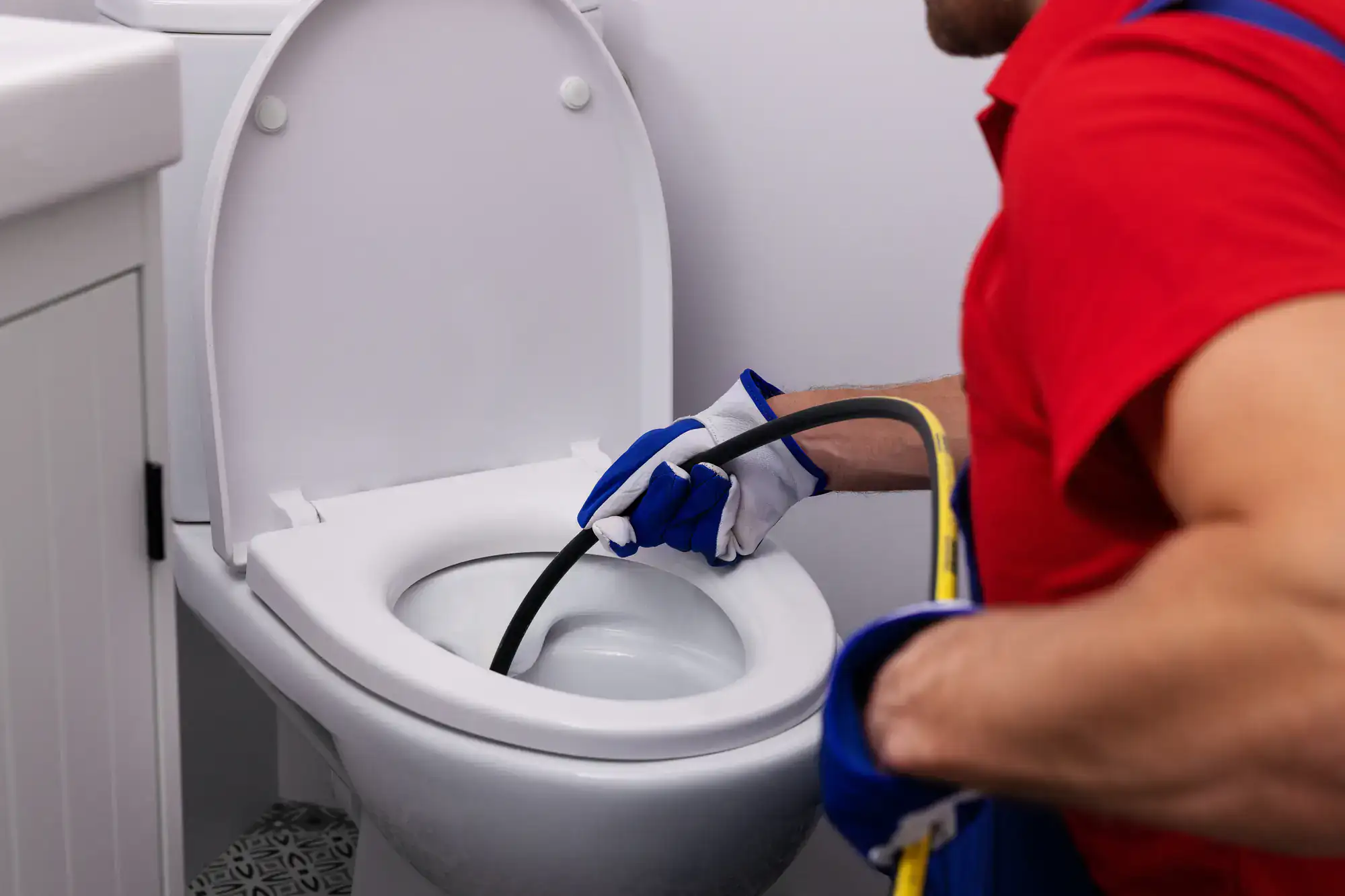
Once we know the pipe can handle it, the hydro jetting begins. Water at up to 4,000 PSI moves through a specialized nozzle that blasts forward and backward simultaneously, cutting through root intrusions, dissolving grease buildup, and scouring mineral scale from the pipe walls. This isn’t a pressure washer — it’s professional-grade equipment that isn’t available for consumer rental, and for good reason.
After the jetting is done, we run the camera again. You see the pipe clean. If there’s anything that needs a follow-up conversation — a cracked section, a joint that’s shifted — we’ll tell you straight. No pressure, no upsell. Just the information you need to make a good decision about your home.
Ready to get started?
Every hydro jetting service we provide includes the pre-jetting camera inspection, the high-pressure cleaning itself, and a post-service camera inspection to document the results. You’re not paying for someone to run water through a pipe and hope for the best. You’re getting a documented before-and-after on your sewer line.
For Courtland homeowners, there are a few things worth knowing upfront. First, not every property in the 95615 ZIP code is connected to a centralized sewer system. Some homes here run to private septic tanks — and hydro jetting of the drain lines between your house and the tank is just as applicable and often more critical than in a municipal sewer setup. Grease and root intrusion can compromise a septic system faster than most people realize, and the same high-pressure cleaning process applies regardless of where the line terminates.
Second, if your home was built before 1980, there’s a real chance your sewer lateral is clay tile or cast iron. The camera inspection is what determines whether the pipe is in condition to handle jetting safely. If it’s not — if there’s a section that’s cracked or collapsed — we’ll tell you that before any work begins, not after. Residential hydro jetting typically runs between $450 and $900 depending on pipe length and blockage severity. That range is given upfront, and the price quoted before work starts is the price you pay.
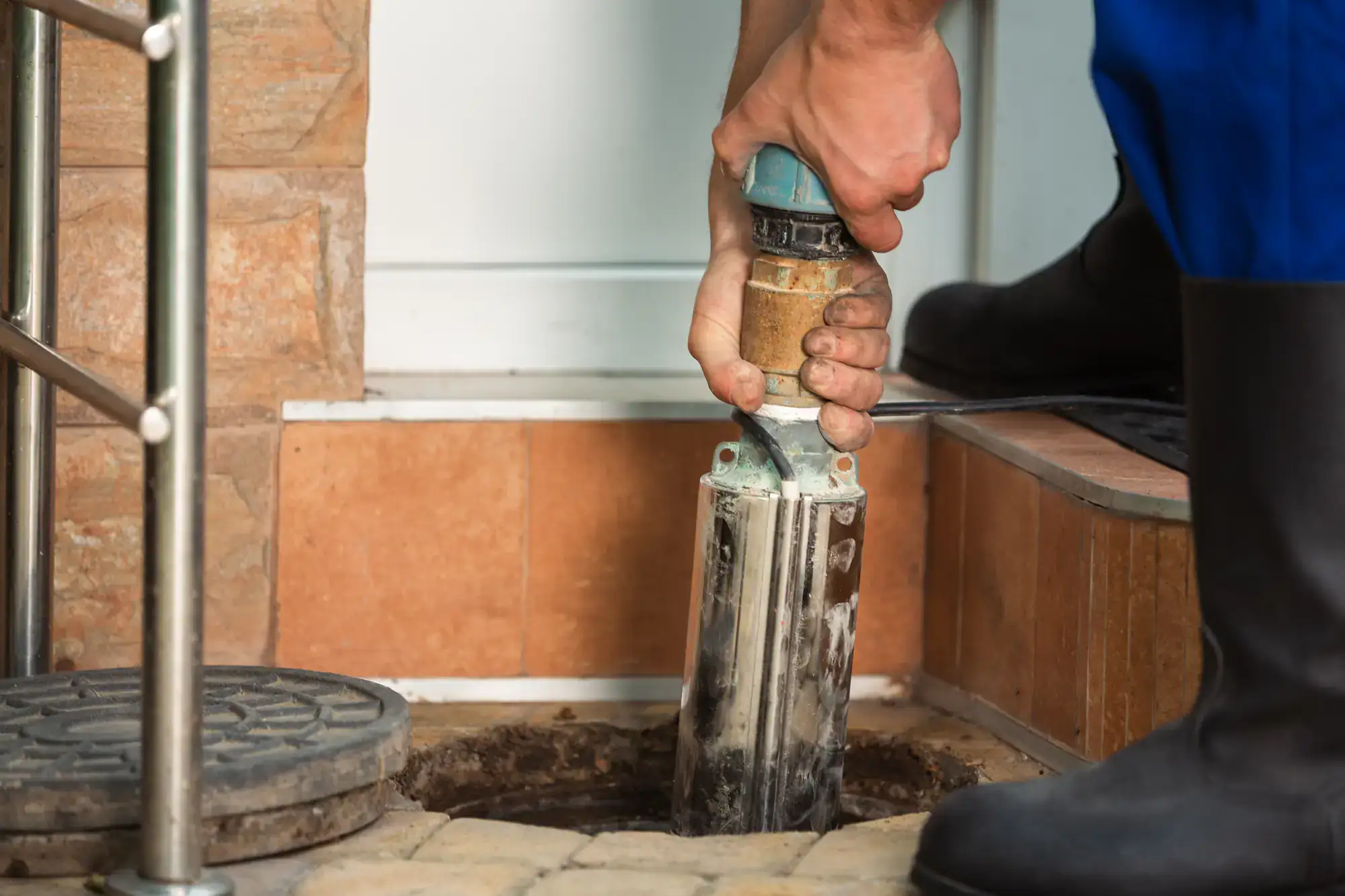
This is the most common concern we hear from homeowners in older Delta communities, and it’s a fair one. The short answer is: hydro jetting is safe for structurally sound pipes, but it should never be applied without a camera inspection first. That’s exactly why we always inspect before jetting.
Many homes in Courtland were built in the 1960s and 70s with clay tile or cast iron sewer lines. These materials can handle hydro jetting when they’re in reasonable condition, but if a section is already cracked, corroded, or has a collapsed joint — something the Delta’s shifting peat soil can cause over time — applying high pressure to that section would make things worse. The pre-jetting inspection identifies those conditions so we can adjust the approach or have a straight conversation with you about what the pipe actually needs. If jetting isn’t the right move for your system, we’ll tell you that before we start.
Snaking is effective for clearing a clog that’s close to the drain opening — typically within the first several feet of pipe. It pushes through the obstruction or pulls it out, and the drain flows again. The problem is that it doesn’t clean the pipe wall. The grease coating, the mineral scale, the root fragments that caused the clog in the first place — those stay behind, and they become the foundation for the next blockage.
Hydro jetting makes sense when you’re dealing with a recurring problem. If the same drain has been snaked multiple times and keeps backing up, snaking isn’t solving the underlying issue. It also makes sense when multiple fixtures are backing up at the same time — that usually points to a main line blockage that a snake can’t fully address. For homes in Courtland surrounded by mature pear orchards and riparian trees along the river, root intrusion into aging sewer joints is one of the most common drivers of repeat blockages. Hydro jetting removes the root mass and clears the pipe wall, which significantly slows regrowth compared to snaking alone.
Residential hydro jetting with us typically runs between $450 and $900, depending on the length of the pipe being cleaned and the severity of the blockage. That range is given before work begins, and the price quoted is the price you pay — no diagnostic fees added on top, no hidden charges, no surprises at the end of the job.
As for the drive down SR-160 to Courtland — no, there’s no travel surcharge for service calls here. We serve Sacramento County as part of our regular service area, and the Delta corridor is included in that commitment. One thing worth noting: the pre-jetting camera inspection is part of the service, not an add-on billed separately. Some contractors charge $150 to $250 for a camera inspection on top of the cleaning cost. With us, the inspection is built into the process because it’s not optional — it’s how the job gets done safely and correctly.
For most residential properties, hydro jetting every one to three years is a reasonable maintenance interval — but Courtland homes often need more frequent attention than that baseline suggests. If your property has mature trees nearby, particularly the pear orchards and riparian species common along the Sacramento River, root intrusion into aging sewer joints is an ongoing process. Roots grow back after jetting; the question is how quickly. Annual service is often the right call for properties with active root intrusion history.
If your home runs to a private septic system rather than a municipal sewer — which is the case for some properties in the 95615 area — maintaining clear drain lines is even more important. A septic system is more sensitive to grease buildup and organic accumulation than a municipal main, and a backed-up lateral can cause serious problems for the tank itself. The best way to determine the right interval for your specific property is to look at what the post-service camera inspection shows and how long it takes before you start seeing symptoms again. That history is the most reliable guide.
Hydro jetting removes the root mass that has grown inside the pipe — the dense mat of root material that catches debris and causes backups. At up to 4,000 PSI, the system can cut through root intrusions that a snake simply can’t address, and it scours the pipe wall clean so there’s no root fragment left behind to anchor the next growth.
What it doesn’t do is stop the tree from sending new roots toward the pipe. If there’s a crack or a separated joint in your sewer lateral — which is common in Courtland’s older clay and cast iron systems, especially given the ground movement from Delta peat soil subsidence — roots will find their way back in over time. Hydro jetting dramatically slows that process compared to snaking, but for properties with significant root intrusion, annual maintenance is often the realistic expectation. The post-service camera inspection will show you the condition of the pipe joints after cleaning, which gives you a clear picture of whether the pipe itself needs repair or whether regular maintenance is the right long-term approach.
Yes — we offer 24/7 emergency service, and that includes hydro jetting calls in Courtland. When a main sewer line backs up, it doesn’t matter what time it is or what day of the week it is. Sewage backup is a health and safety issue, and waiting until Monday morning isn’t a reasonable option.
For Courtland residents specifically, the remote location along SR-160 makes emergency availability more important than it might be in a Sacramento suburb with multiple nearby options. When something goes wrong on a Saturday night and the nearest alternative is a significant drive away, having a plumber who will actually make the trip — with the right equipment on the truck — is the difference between a problem resolved that night and a problem that gets worse by morning. We carry hydro jetting equipment on service trucks so that an emergency call doesn’t turn into a “we’ll have to come back with the right gear” situation. One call, one visit, problem solved.
Other Services we provide in Courtland