Not every plumbing problem announces itself. Learn which warning signs El Dorado County homeowners miss most — and what to do before a small issue turns costly.
Share:
Summary:
Most homeowners don’t call a plumber when they first notice something off. They wait. They watch it. They tell themselves it’s probably nothing. And sometimes they’re right — but a lot of the time, they’re not, and by the time they do call, the problem has gotten bigger, messier, and more expensive than it needed to be. If you live in El Dorado County and something about your plumbing feels wrong — even slightly — this page is for you. We’ll walk through the warning signs that are easy to rationalize away, explain what they usually mean, and help you decide when it’s time to stop waiting.
Plumbing problems rarely show up all at once. They build quietly — a little rust in the water, a drain that takes longer than it used to, a faint damp smell in a room that should be dry. The challenge is that these signs are easy to explain away, especially when life is busy and the problem isn’t causing obvious damage yet.
The ones that tend to get ignored the longest are also the ones most likely to turn into something serious. Low water pressure, slow drains, unexplained spikes in your water bill, water stains on a ceiling or wall, gurgling sounds from pipes or drains — these aren’t quirks. They’re your home trying to tell you something. The question is whether you catch it early or wait until it forces your hand.

Low water pressure is one of those things that sneaks up on you. It starts subtle — the shower feels a little weaker, the kitchen faucet takes longer to fill a pot — and because it happens gradually, it rarely triggers alarm. But persistent low pressure throughout your home is often a sign of something worth investigating, not something to live with.
In older homes around Placerville and Cameron Park, where galvanized steel pipes were standard through the 1970s and into the 1980s, the most common culprit is internal pipe corrosion. Galvanized pipes rust from the inside out over time, and as that buildup accumulates, it gradually narrows the pipe’s diameter and restricts flow. You won’t see it from the outside. The pipe looks fine. But inside, it’s slowly failing — and when it goes, it usually goes fast.
A failing pressure-reducing valve is another common cause, and it’s actually a straightforward fix when caught early. Left alone, a bad PRV can cause water hammer — those banging sounds you might hear when you shut off a faucet — which puts stress on your pipe joints over time.
Slow drains are their own category of concern. A single slow drain is usually a localized clog, and it’s often something you can handle yourself. But when multiple drains throughout the house are sluggish at the same time — the bathroom sink, the tub, the kitchen — that pattern points to a problem further down the line, potentially in the main sewer lateral. Tree roots are a major factor in El Dorado County’s foothill communities, where mature oaks and pines send roots deep into the soil searching for moisture. Those roots find sewer lines. Once they’re in, they grow, and a slow drain can become a full backup faster than most homeowners expect.
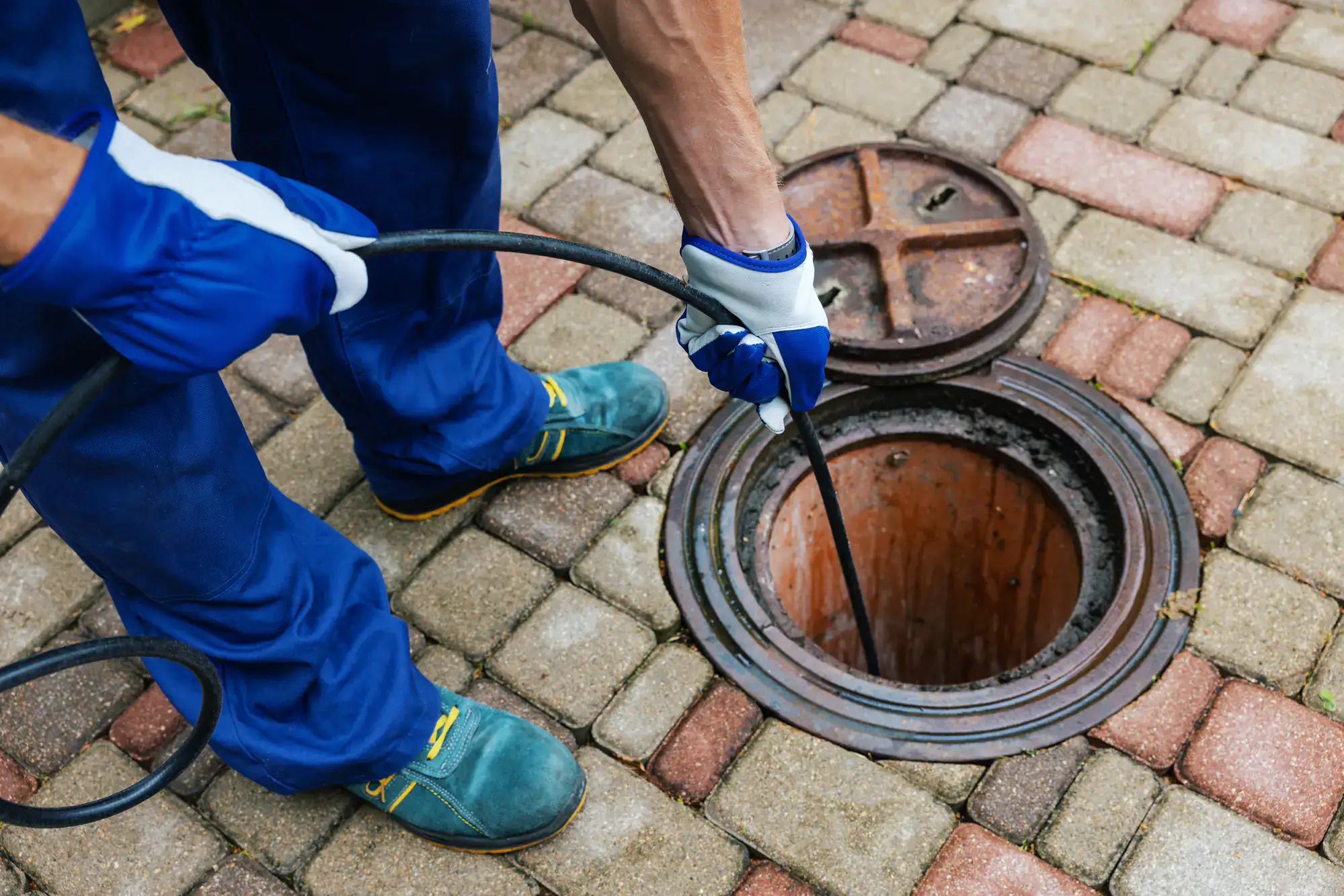
If your drains are slow and you’ve already tried clearing the obvious fixture-level clogs, we recommend having someone run a camera through the line to see what’s actually there before the situation escalates.
A water bill that’s higher than usual — with no obvious explanation — is one of the clearest early signals of a hidden leak. The EPA estimates that the average household’s leaks waste around 10,000 gallons per year. That’s not a drip. That’s a slow, invisible disaster running in the background.
The frustrating thing about hidden leaks is that they often don’t show themselves until significant damage has already been done. A pinhole leak inside a wall can run for weeks before you see any discoloration on the drywall. By then, the framing behind it may already be compromised, and mold — which can begin growing within 24 to 48 hours of moisture exposure — may have already taken hold. The remediation cost at that point is a completely different conversation than the cost of catching it early.
There are a few things to watch for that don’t require a plumber to notice. A water stain on a ceiling, even a small one, is worth taking seriously — especially if it’s below a bathroom or a room with plumbing running through it. A soft or discolored spot on a floor near the base of a toilet or under a sink cabinet is another one. A faint musty smell in a room that should be dry is often the first sign that moisture has been sitting somewhere it shouldn’t.
For homeowners in El Dorado County’s rural communities — Rescue, Diamond Springs, Cool, Georgetown — who rely on private wells, a sudden change in pump cycling behavior or an unexplained drop in well pressure can signal a leak in the supply line between the well and the house. It’s a different symptom than a rising municipal water bill, but the underlying concern is the same: water is going somewhere it shouldn’t be.
A professional leak detection visit, using pressure testing and waterproof sewer cameras, takes the guesswork out of it entirely. You either have a problem or you don’t, and you’ll know exactly where it is before any repair work begins.
Want live answers?
Connect with a Murray Plumbing expert for fast, friendly support.
Not every plumbing issue is an emergency. But some things genuinely are, and knowing the difference can save you from making a bad call in either direction — either panicking over something minor or waiting too long on something that needed immediate attention.
The clearest emergencies are the ones that involve active water you can’t stop, sewage backing up into the home, or a complete loss of water supply. A burst pipe, a failed water heater flooding a utility room, or sewage coming up through a floor drain — these aren’t situations to research and schedule. They need same-day, call-right-now attention. Everything else exists on a spectrum, and understanding where your situation falls helps you make a calm, informed decision rather than a reactive one.
A burst pipe is the most obvious one, but it’s worth understanding why it happens — especially in El Dorado County, where winter temperatures in foothill communities like Placerville, El Dorado, and the areas above Cameron Park regularly drop below freezing. Pipes in uninsulated crawl spaces, along exterior walls, or in garages are vulnerable. When water inside a pipe freezes, it expands. That expansion puts enormous pressure on the pipe wall, and when it finally gives, the result is a flood — often in a space you don’t check regularly.
The aftermath of a burst pipe isn’t just water cleanup. Depending on where it happens and how long it runs before you notice, you could be looking at damaged subfloor, soaked insulation, ruined drywall, and mold remediation on top of the pipe repair itself. The average water damage insurance claim runs between $7,000 and $11,000. Severe cases involving structural damage or mold can exceed $25,000 or more.
Sewer backups are another category that moves fast. If you’re seeing water backing up into a tub or shower when you flush a toilet, or if multiple drains are gurgling at the same time, your main sewer line is telling you it’s at or near capacity. Ignoring it risks sewage entering the living space — which is both a health hazard and a significantly more expensive problem to remediate than the original blockage.
Water heater issues also deserve prompt attention when the signs are there. Rust-colored water, a rumbling or popping sound from the tank, water pooling around the base, or a unit that’s more than 10 to 12 years old and struggling to keep up — these are signals that failure is close. A planned replacement on your terms is always cheaper and less disruptive than an emergency replacement after the tank has already flooded the area around it.
**How do I know if a plumber is actually licensed in California?** Every licensed contractor in California has a number issued by the Contractors State License Board, and you can verify it in seconds at cslb.ca.gov. A plumbing contractor needs a C-36 license to legally perform work exceeding $500 in labor and materials. It’s worth checking before anyone starts work — not because most plumbers are operating illegally, but because unlicensed work isn’t insured, isn’t code-compliant, and can create serious problems if you ever need to file an insurance claim or sell your home. Our license number is CA Lic #916322, and you’re welcome to look it up.
**Do I need a permit for a water heater replacement in El Dorado County?** Yes, in most cases. California requires permits for water heater replacements, and the El Dorado County building department enforces this. We handle the permit process as part of the job — it’s not something you should have to manage yourself. If someone offers to replace your water heater without pulling a permit, that’s a red flag worth paying attention to, because uninspected work can affect your homeowner’s insurance coverage and create complications at resale.
**What’s the difference between a slow drain and a sewer line problem?** One slow drain — usually a sink or tub — is almost always a localized clog close to the fixture. It’s typically a quick fix. When you’re seeing slow drains in multiple locations at the same time, or hearing gurgling sounds in one drain when you run water elsewhere in the house, that pattern points to a problem in the main sewer line. In El Dorado County’s foothill neighborhoods, tree root intrusion is one of the most common causes. Mature oaks and conifers throughout the area send roots deep into the soil, and sewer lines are exactly the kind of moisture source they find. A camera inspection shows you exactly what’s there.
**How much does it cost to fix a water leak?** It depends entirely on where the leak is and what’s causing it. A straightforward fixture repair or accessible pipe connection is very different from a slab leak or a failed sewer lateral. What we can tell you is that the price we quote before starting a job is the price you pay — no diagnostic fees added on afterward, no surprise line items. Some customers have actually paid less than their original estimate. The best way to get a real number is to call and describe what you’re seeing — we’ll give you an honest answer.
**When is a plumbing issue considered an emergency?** If water is actively flowing somewhere it shouldn’t and you can’t stop it, that’s an emergency. Same with sewage backing up into the home or a complete loss of water supply. If you’re dealing with something like that in El Dorado County, we’re available 24/7 — including nights and weekends — and we respond the same day. For non-emergency issues, we’re typically able to schedule within a day or two rather than making you wait a week.
The homeowners who handle plumbing problems best are the ones who already know who they’re going to call before something goes wrong. When a pipe bursts at 11 PM or a water heater fails on a Sunday morning, the last thing you want to be doing is reading reviews and comparing quotes under pressure.
El Dorado County has a mix of housing that creates a real range of plumbing situations — from older Placerville homes with decades-old pipe systems to newer El Dorado Hills developments with their own set of maintenance needs. Knowing you have a local, licensed plumber who understands that mix, shows up when they say they will, and charges what they quote makes a real difference when something actually goes wrong.
If anything in this post sounded familiar — a drain that’s been slow, a water bill that doesn’t add up, a sound you’ve been meaning to look into — we’re a straightforward call or message away. We’d rather help you catch something small now than show up later when it’s become something much bigger.
Article details:
Share:
Continue learning: