
Placerville
Open 24/7- 4330 Panorama Dr, Unit 36
Placerville, CA 95667 - (530) 499-2223
- Open 24 hours, 7 days a week

Earthquake Valve Installation
Get a free quote for earthquake valve installation from your local plumbing team.
We’ll contact you about your earthquake valve installation request. Privacy policy
Hear from Our Customers
Curtis Park is a neighborhood people invest in the Craftsman bungalows, the Tudor cottages, the elm-lined streets. But most of those homes were built in the 1920s and 1930s, long before anyone thought about what happens to a gas line when the ground moves. The gas infrastructure in a 90-year-old home isn’t the same as a new build in Elk Grove. Fittings age. Connections shift. And if a seismic event hits, a line that’s been in the ground since the 1930s doesn’t get the benefit of the doubt.
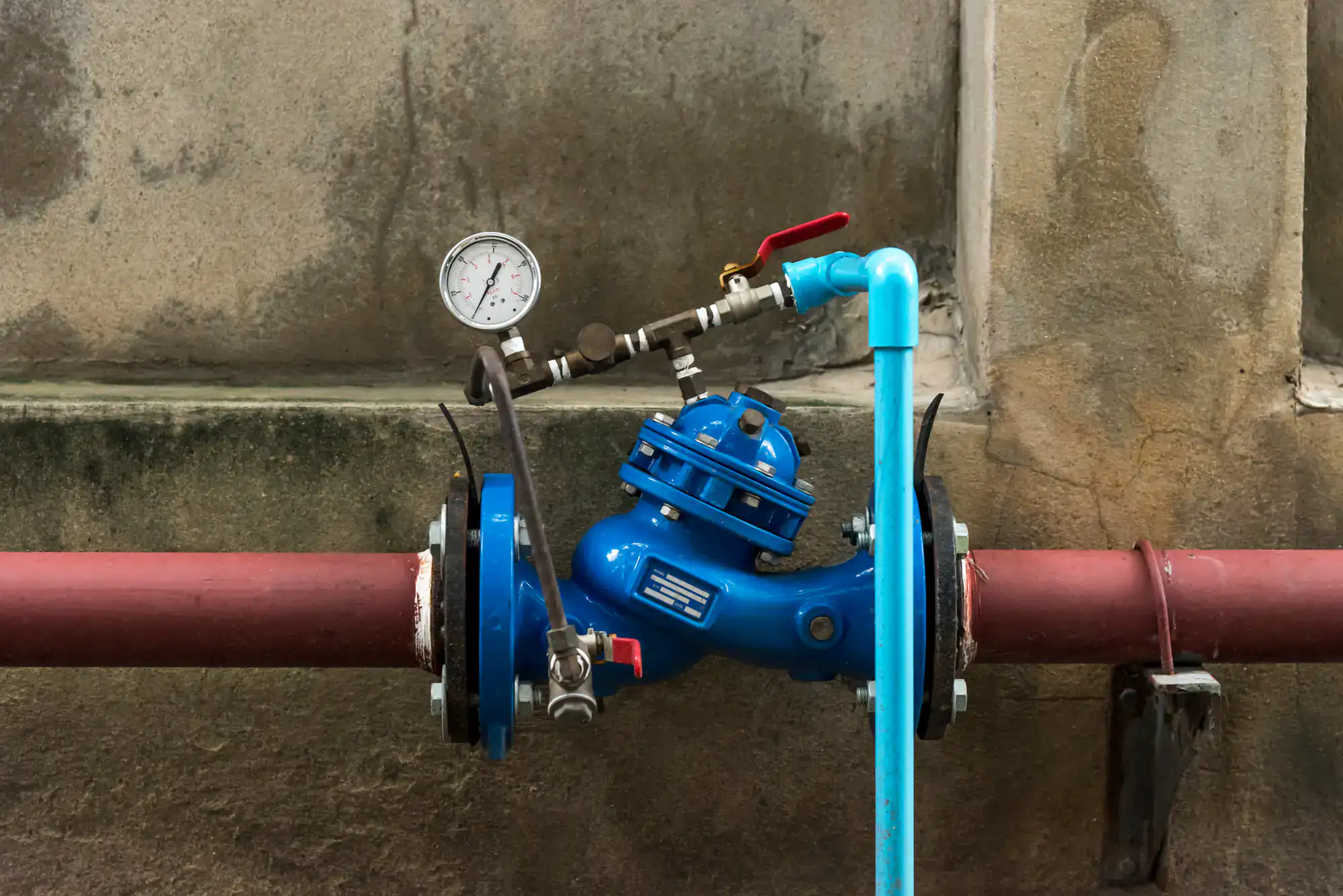
A DSA-certified automatic gas shut-off valve changes that equation. The moment ground movement hits a certain threshold, the valve closes before a spark, before a fire, before you’re standing outside watching something irreversible happen to a home you’ve spent years caring for. This isn’t theoretical. In the 1994 Northridge earthquake, over 14,000 gas leaks occurred, and more than 50 structure fires were tied directly to ruptured lines in homes with aging infrastructure.
Beyond the safety piece, there’s a practical one. Curtis Park is an active real estate market, and home inspectors flag absent seismic valves. Insurance carriers are getting more specific about documentation. A permitted, properly installed valve creates a record with the City of Sacramento that has real value the next time you sell, refinance, or renew your policy. It’s not just protection it’s documentation that follows the house.
We’ve been serving the Sacramento area since 2009, including Curtis Park and the surrounding neighborhoods. That’s over 15 years of gas line work, permit pulls, and installations done the right way not the fast way. We’re owner-operated, which means the person whose name is on the license is accountable for every job that goes out the door. California C-36 Plumbing Contractor License number 916322. You can verify it yourself at cslb.ca.gov in about 30 seconds, and we genuinely want you to.
The C-36 classification isn’t a general contractor license it’s the specific credential California requires for gas line and seismic valve work. Not every plumber offering this service in the 95818 area holds one. We do, and it matters when the work involves your home’s gas supply.
Curtis Park homeowners tend to be thorough, and rightfully so. Whether you’re in a 1928 foursquare near the Curtis Oaks corridor or one of the newer homes in Curtis Park Village, we’ll assess your specific setup before quoting anything. No guesswork, no surprises on the invoice.
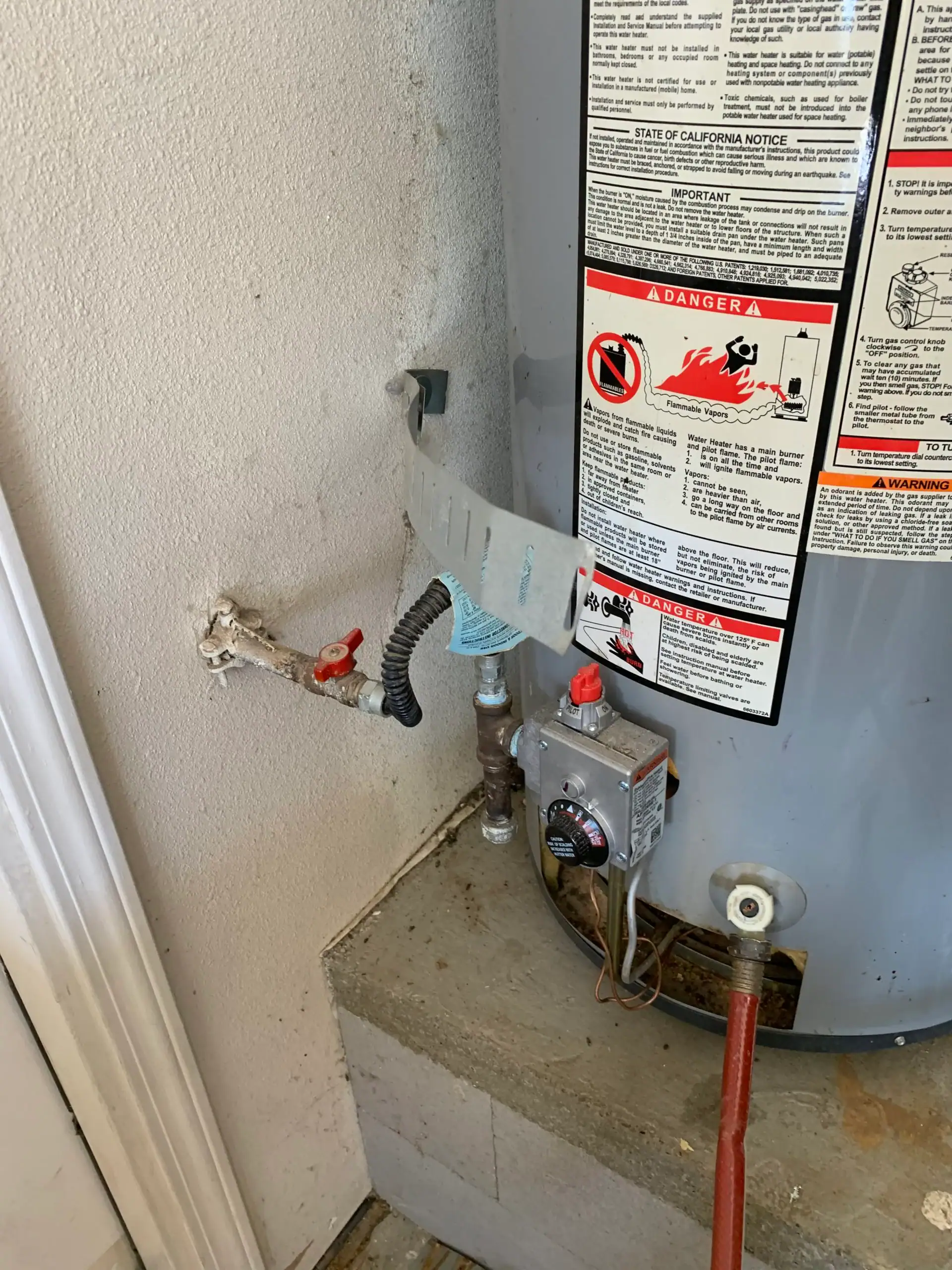
It starts with a free pre-installation assessment. We come to your home, look at your gas meter, evaluate the piping configuration, and confirm the right valve size for your setup. This step matters more in Curtis Park than it does in newer subdivisions, because a 1920s bungalow and a 2012 Brownstone in Curtis Park Village don’t have the same meter configuration. We quote you an exact price before anything else happens all-in, including the valve, labor, and permit fees. Most Curtis Park residential installations come in between $400 and $650.
Once you’re ready to move forward, we pull the required building permit with the City of Sacramento Building Division. That’s not optional, and it’s not an upsell it’s what a legitimate installation looks like under Sacramento City code. The permit creates a legal record of the work that protects you in future real estate transactions and insurance documentation. After installation, we run a leak test to confirm everything is sealed properly before we leave.
The last thing we do before wrapping up is walk you through what happens if the valve ever trips. We explain what a tripped valve looks like, who to call first, and when it’s actually safe to consider resetting. Knowing not to reset the valve before a licensed plumber checks your lines for damage is exactly the kind of information that prevents a second emergency from following the first one.
Ready to get started?
Every valve we install meets DSA certification that’s the California Division of the State Architect standard for seismic shut-off devices. It’s the benchmark that satisfies Sacramento City permit requirements, insurance carrier documentation requests, and real estate disclosure obligations. A non-certified valve you picked up at a hardware store doesn’t clear those bars, and neither does an installation done without a permit. If a contractor is offering you a lower price by skipping either of those steps, they’re passing the liability on to you.
For Curtis Park specifically, the California Geological Survey released updated Seismic Hazard Zone Maps for the greater Sacramento area in May 2025 the first of their kind for this region formally identifying liquefaction risk zones throughout Sacramento County. Curtis Park’s location on alluvial soils near the Sacramento River puts it squarely in the context those maps were drawn for. Older homes with aging gas infrastructure, sitting on soil that can shift during a seismic event, are exactly the scenario this service was designed to address.
Pricing for most single-family Curtis Park homes runs $400 to $650, all-in. That includes the DSA-certified valve, all labor, permit fees, a post-installation leak test, and written documentation of the valve brand, model, and installation date for your records. If your installation falls outside that range for any reason, you’ll know why before work begins not after.
The short answer is yes and it’s not a scare tactic, it’s just how aging infrastructure works. Most homes in Curtis Park were built between the 1910s and 1940s, which means the gas lines, fittings, and connections at and near the meter have decades of wear on them. Some have been partially updated over the years, but incremental updates aren’t the same as a full modern installation. Older connections are more vulnerable to movement and stress during a seismic event than standardized newer piping.
That’s precisely why the free pre-installation assessment matters for Curtis Park homes. We look at what’s actually there before quoting anything, because a 1935 Craftsman bungalow near Highland Avenue may present a completely different situation than a newer home in Curtis Park Village. The assessment is free, there’s no obligation, and it ensures the price you get reflects your specific home not a generic estimate built around a 2005 tract house.
For most single-family homes in Curtis Park, the all-in cost runs between $400 and $650. That range covers the DSA-certified valve, all labor, permit fees paid to the City of Sacramento Building Division, a post-installation leak test, and written documentation of the installation for your insurance and real estate records. There’s no separate line item for the permit, no fee added at the end for documentation it’s included.
Where a job might come in above that range, it’s usually because of a non-standard meter configuration, confined access around the meter, or piping that needs attention before the valve can be properly seated. If any of that applies to your home, we’ll identify it during the free pre-installation assessment and tell you the exact adjusted price before we start. Our customers consistently report that final invoices came in at or below the original estimate which, if you’ve hired contractors before, you know isn’t the norm.
Yes. Curtis Park falls within the City of Sacramento’s jurisdiction, which means gas line work including seismic shut-off valve installation requires a building permit from the City of Sacramento Building Division. The permit triggers a final inspection, and that inspection creates an official record of the installation on file with the city.
That record matters more than most homeowners realize at the time of installation. When you sell your home, the buyer’s inspector will look for it. When you file an insurance claim, your carrier may ask for it. When you renew your policy and your insurer asks about seismic safety upgrades, that permitted record is the documentation that counts. An installation done without a permit might look the same on the wall, but it doesn’t exist on paper and in a neighborhood like Curtis Park where homes change hands at real money, that gap can surface at the worst possible moment. We pull the permit on every job as standard practice, not as an add-on.
No this is one of the most common misconceptions among Sacramento homeowners, and it’s worth clearing up directly. PG&E responds to gas leaks, emergencies, and service interruptions. They do not install seismic shut-off valves, and they have never offered this as a service. If you call them asking about it, they’ll tell you to contact a licensed plumber.
The work requires a California C-36 Plumbing Contractor license the classification that specifically covers gas line and seismic valve installation. We hold that license (number 916322, verifiable at cslb.ca.gov). PG&E’s role in the process is limited to being notified after installation that a shut-off device has been added to your meter, which is standard procedure. The installation itself, the permit, the inspection, and the documentation are all handled by the licensed plumber not the utility.
You can physically reset most seismic valves yourself but you shouldn’t do it without getting your gas lines checked first, and that’s the part most people don’t know going in. When a valve trips, it’s telling you that ground movement hit a threshold significant enough to trigger it. That same movement may have also shifted, cracked, or stressed your gas lines especially in a home with older infrastructure like most of Curtis Park’s housing stock.
Resetting the valve before confirming your lines are intact can introduce gas into a damaged system, which is a far worse outcome than the one the valve was designed to prevent. The right sequence is: leave the valve closed, call your gas utility to report the shutoff, and have a licensed plumber inspect your lines before any reset happens. We walk every customer through this protocol at the end of every installation what a tripped valve looks like, who to call first, and when it’s actually safe to consider resetting. It takes five minutes and it’s the part of the job most installers skip entirely.
It can and in the current California insurance market, it’s worth paying attention to. Some California homeowner’s insurance carriers offer premium discounts in the range of 5 to 15 percent for documented seismic safety upgrades, including certified gas shut-off valve installations. Whether your specific carrier offers a discount depends on your policy, but the documentation piece is non-negotiable regardless: insurers want a permitted installation with a record on file, not just a valve on the wall.
Beyond discounts, the broader context matters for Curtis Park homeowners. The California insurance market has tightened significantly, with carriers adjusting underwriting standards across the state. Seismic safety features are increasingly appearing as requirements or strong preferences in policy renewals not just discount opportunities. For homeowners in a neighborhood like Curtis Park, where property values reflect the historic character and desirability of the area, keeping your home fully insurable is its own form of asset protection. A permitted, DSA-certified installation gives your carrier exactly what they need to document the upgrade and gives you something concrete to point to at renewal time.
Other Services we provide in Curtis Park
Our Locations
From the foothills to the valley, Murray Plumbing has a licensed team close by. Find the office nearest you — we’re open 24 hours a day, 7 days a week.