
Hear from Our Customers
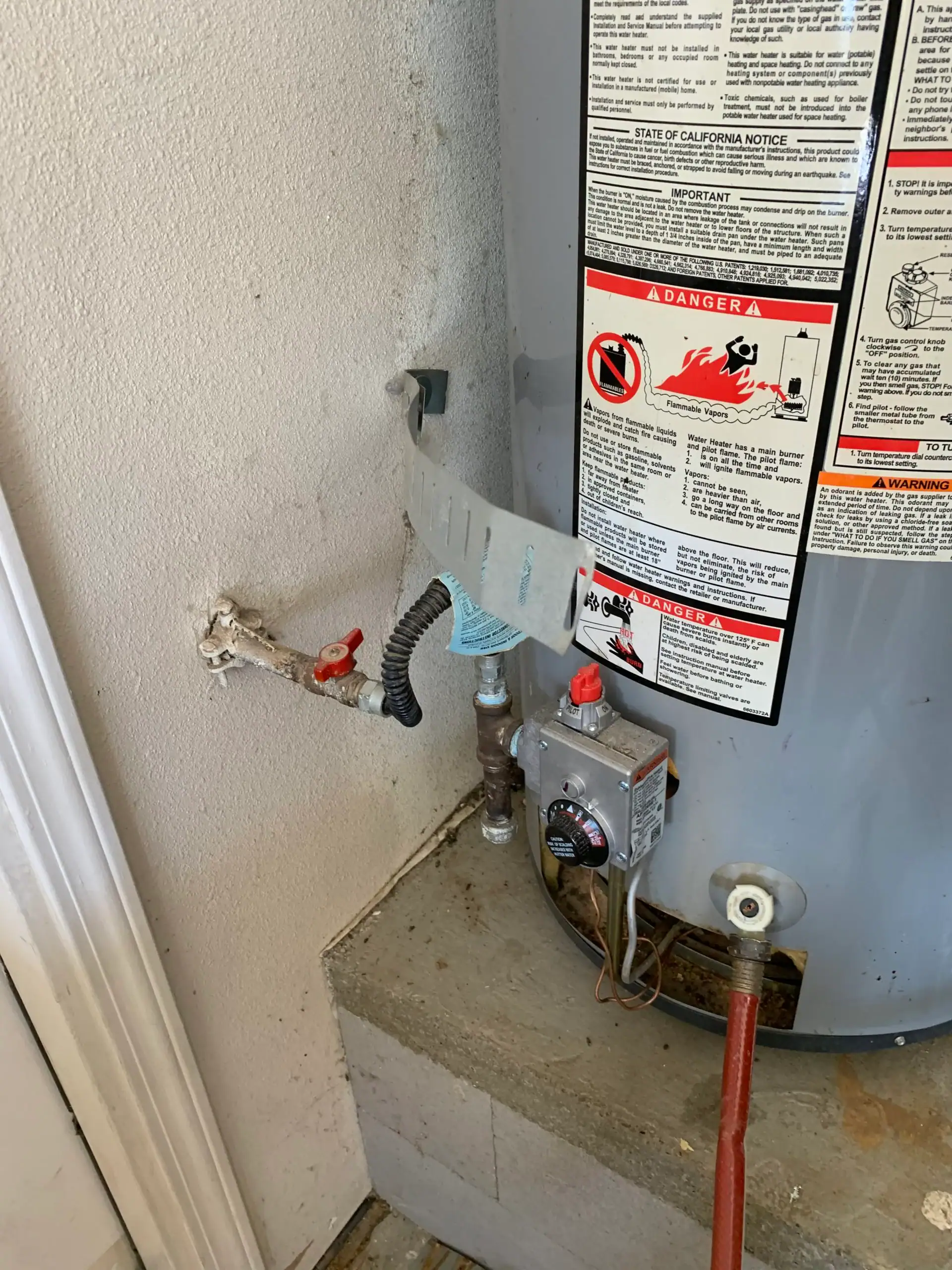
The moment a significant earthquake hits, your gas line becomes one of the biggest risks in your home not the shaking itself, but what happens after. A seismic shut-off valve automatically cuts off your gas supply when ground movement reaches a dangerous threshold, before a spark, before a leak spreads, and before you even know there’s a problem. That automatic response is the entire point.
For Lemon Hill specifically, this matters more than people realize. The neighborhood sits at just 30 feet above sea level on Sacramento Valley alluvial soil the soft, water-bearing ground left behind by the Sacramento and American Rivers. That type of terrain is susceptible to liquefaction during seismic events, meaning your buried gas lines can shift and crack even if your house looks completely fine from the outside. A valve doesn’t just protect against direct earthquake damage. It protects against what the ground underneath your Lemon Hill home does.
And then there’s the insurance side. California’s homeowner insurance market is tightening, and carriers are increasingly treating seismic safety features as a condition of coverage not just a discount opportunity. If you’ve already seen your premium go up or received a non-renewal notice, a documented, permitted valve installation is one of the few concrete steps you can take to respond to that directly.
We founded Murray Plumbing in 2009, and we hold California C-36 Plumbing Contractor License #916322 the specific classification required by state law for gas line and seismic valve work. That license number is public record. You can type it into cslb.ca.gov right now and confirm it before you ever pick up the phone. In a community like Lemon Hill, where unlicensed contractors have historically taken advantage of homeowners, that kind of transparency isn’t a formality it’s the baseline.
Our team has been serving the Sacramento area for over 15 years, and that includes the unincorporated Sacramento County communities that often get overlooked. Lemon Hill isn’t a city it’s county-governed land, which means permits for gas work run through Sacramento County’s Department of Community Development, not a city building department. We know that process, handle it as part of every job, and make sure your installation ends up on the county record where it belongs.

It starts with a free pre-installation assessment. Before any work is scheduled or any money changes hands, a Murray Plumbing technician comes to your Lemon Hill home, inspects your gas meter and existing piping, confirms the correct valve size and type for your specific configuration, and gives you an exact price. Not a range. Not a “starting at” figure. A number. If anything about your setup changes that number, you’ll hear about it before work begins not on the invoice.
Once you approve the quote, we pull the permit through Sacramento County. This step matters. Because Lemon Hill is unincorporated county land, your installation needs to be on record with Sacramento County’s building department and that record is what your insurer, your real estate agent, and any future buyer will ask for. Skipping the permit might save a few dollars upfront and cost you significantly more down the line.
The installation itself typically takes two to three hours. The DSA-certified valve is mounted at the gas meter, tested, and confirmed operational. After the work is done, a county inspector schedules a final walkthrough to close the permit. You receive written documentation of the valve brand, model, installation date, and workmanship warranty. Before the technician leaves, we walk you through exactly what to do if the valve trips including why you should not attempt to reset it yourself until a licensed plumber confirms your lines are undamaged.
Ready to get started?
Our earthquake valve installation is priced as a complete job. The $400–$650 range covers the DSA-certified valve, all labor, Sacramento County permit fees, and the written documentation package you receive at the end. There are no separate charges for the permit application, the assessment visit, or the post-installation walkthrough. What you’re quoted is what you pay and customers have consistently noted their final invoice came in at or below the original estimate.
The DSA certification on the valve matters here because Sacramento County requires it. A valve that isn’t certified by California’s Division of the State Architect won’t pass the county inspection, won’t satisfy your insurer’s documentation requirements, and won’t hold up in a real estate disclosure. The type of non-certified valve you can order online for $80 might look the same, but it isn’t the same and it won’t create the legal record that a permitted installation creates.
For Lemon Hill homeowners navigating the county permit process for the first time, it’s worth knowing that Sacramento County’s building department handles all inspections for unincorporated areas like this one not the City of Sacramento, and not PG&E. PG&E is your gas utility and will respond to leaks and emergencies, but they do not install seismic valves. We handle the full process, from permit application through final county inspection, so you’re not coordinating between multiple agencies on your own.
Yes and because Lemon Hill is unincorporated Sacramento County rather than an incorporated city, that permit comes from Sacramento County’s Department of Community Development, not a city building department. This is a distinction that trips up a lot of homeowners, and it’s one reason some contractors who primarily work in the City of Sacramento aren’t as familiar with the county process.
The permit triggers a final inspection by a county building inspector who confirms the valve is correctly sized, properly installed, and compliant with California Plumbing Code requirements. That inspection closes the permit and creates a permanent county record of your installation. Without that record, your installation is technically unpermitted which creates problems when you sell the home, file an insurance claim, or respond to a lender’s requirements during a refinance. We pull the permit and schedule the inspection as a standard part of every job, not an add-on.
For most residential installations in Lemon Hill and the surrounding unincorporated Sacramento County area, the all-in cost runs $400–$650. That price includes the DSA-certified valve, all labor, Sacramento County permit fees, and written documentation. There’s no separate charge for the pre-installation assessment or the permit application process.
The final number depends on your specific meter configuration and whether any additional work is needed at the gas line connection. That’s exactly why the free assessment exists so you get an exact price before committing, not a range that expands once a technician is already at your home. Lemon Hill customers have consistently reported that their final invoice matched or came in below the original quote, which in a community where budget predictability matters, is worth more than a low advertised price that doesn’t hold.
The answer depends on your carrier, but the direction the market is moving is clear. California’s homeowner insurance market has been contracting major carriers have reduced or stopped writing new policies statewide, and those that remain are tightening their underwriting standards. Seismic safety features, including earthquake shut-off valves, are increasingly showing up as conditions of coverage renewal rather than optional discount opportunities.
For Lemon Hill homeowners who have already received a premium increase or a non-renewal notice, a documented valve installation can be a direct, concrete response to your insurer’s requirements. What makes it count is the documentation: a permitted installation with a DSA-certified valve creates a paper trail permit number, valve brand and model, installation date, county inspection sign-off that satisfies what insurers actually ask for. A receipt from an unlicensed installer or a non-certified valve purchased at a hardware store typically doesn’t meet that bar.
DSA stands for California’s Division of the State Architect. The DSA maintains a list of seismic shut-off valves that have passed standardized testing for trigger sensitivity, durability, and reset reliability. When a valve is DSA-certified, it means it has been independently tested and confirmed to meet California’s performance standards not just the manufacturer’s claims.
This certification matters for a few practical reasons. Sacramento County requires a DSA-certified valve to pass the building inspection that closes your permit. Your insurer’s documentation requirements typically specify a certified valve. And in a real estate transaction, a buyer’s agent or inspector will ask whether the valve meets California standards a non-certified valve creates a disclosure issue that can slow or complicate a sale. We install only DSA-certified valves on every job, which means your installation satisfies the county, your insurer, and any future buyer without additional follow-up.
The valve tripping is actually the system working correctly it detected ground movement above the trigger threshold and cut off your gas supply. The important thing to understand is that you should not reset it yourself before having a licensed plumber inspect your gas lines.
Here’s why that matters specifically in Lemon Hill: the neighborhood’s low-lying alluvial soil means that even a moderate seismic event can cause underground gas line movement that isn’t visible at the surface. Your meter connection and buried lines could have shifted or cracked without any obvious sign inside or outside your home. Resetting the valve and restoring gas flow before that inspection could introduce gas into a compromised line. The correct sequence is to leave the valve in the tripped position, contact PG&E to report the event, and call a licensed C-36 plumber to inspect the lines before reset. We walk every customer through this protocol at the end of every installation it’s part of the job, not an afterthought.
Most homes in Lemon Hill were built between the 1940s and 1960s decades before California’s modern seismic gas safety requirements were developed in the aftermath of the 1971 Sylmar and 1994 Northridge earthquakes. The gas infrastructure in those homes was installed under significantly less stringent standards: older black iron pipe connections, aging meter fittings, and line segments that may not have been inspected in years.
That matters because older gas infrastructure is more vulnerable to the type of ground movement that Lemon Hill’s alluvial soil profile produces during a seismic event. The 1994 Northridge earthquake a magnitude 6.7, the same scale California is statistically likely to see again within the next 30 years caused over 14,000 gas leaks and more than 50 structure fires from ruptured lines. Those weren’t homes with a history of gas problems. They were ordinary homes with aging infrastructure and no automatic shut-off. Our free pre-installation assessment includes a look at your meter and connection condition, so if there are issues beyond the valve itself, you’ll know before anything is installed.
Other Services we provide in Lemon Hill