
Hear from Our Customers
When an earthquake hits, your gas line doesn’t know the difference between a small tremor and a serious event. A seismic shut-off valve does. The moment ground acceleration hits the trigger threshold, the valve closes automatically no action required from you. That’s not a small thing when you’re asleep, at work, or not home at all.
For Upper Land Park specifically, this matters more than most people realize. The neighborhood sits on alluvial soils near the Sacramento River, and in May 2025, the California Geological Survey released new Seismic Hazard Zone Maps formally identifying Sacramento-area liquefaction zones for the first time under state law. Liquefaction is what happens when saturated ground loses its strength during shaking and it’s exactly the condition that shifts pipes, breaks connections, and turns a manageable tremor into a gas emergency. Upper Land Park’s soil profile puts it squarely in that conversation.
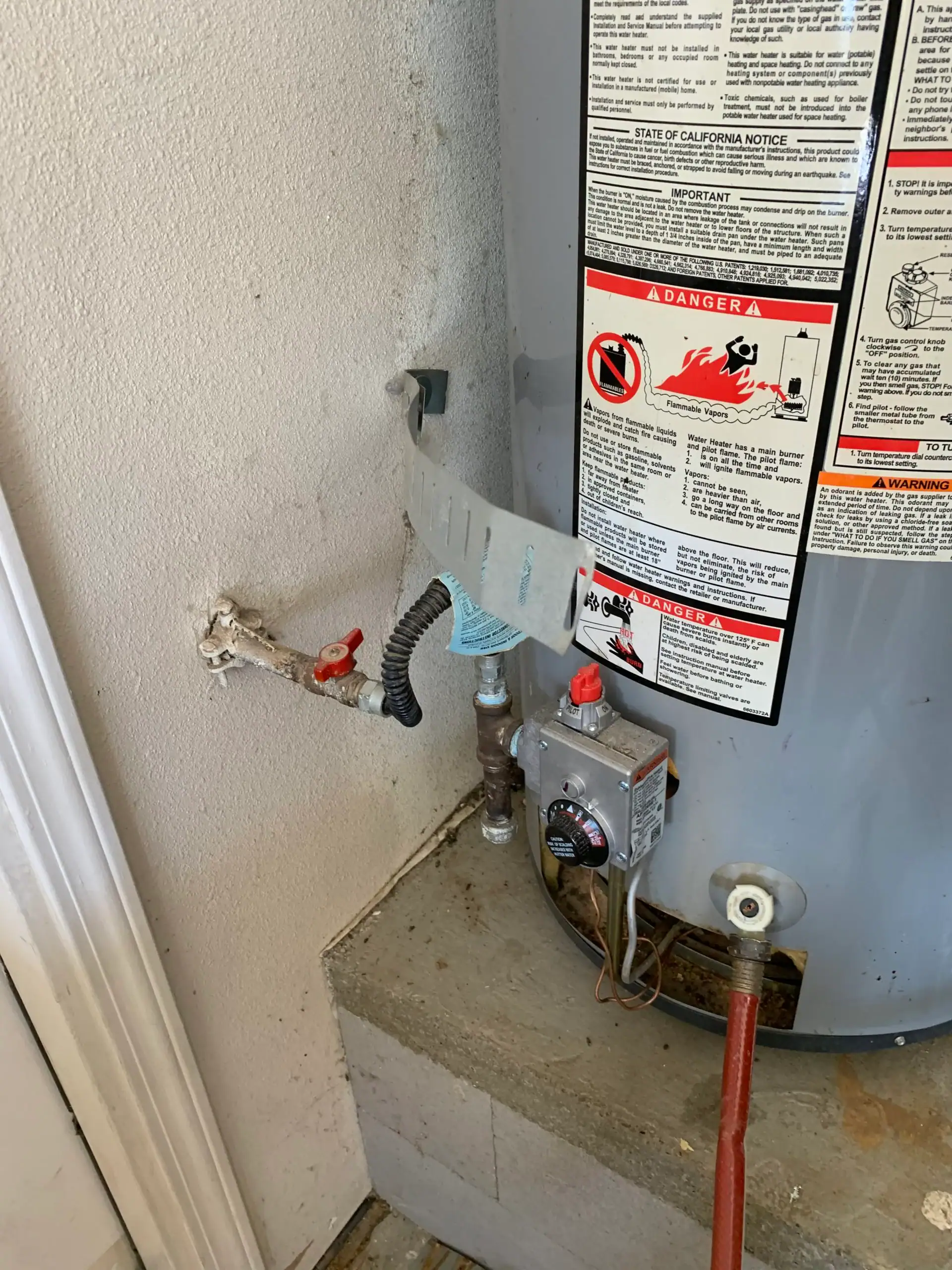
Then there’s the housing stock. The bungalows south of McClatchy Way were built in the 1920s through 1950s decades before seismic safety standards existed for residential gas systems. Original iron piping, aging connections, no shut-off protection. A DSA-certified valve installed by a C-36 licensed plumber doesn’t just check a box. It’s the upgrade your home’s gas system never got.
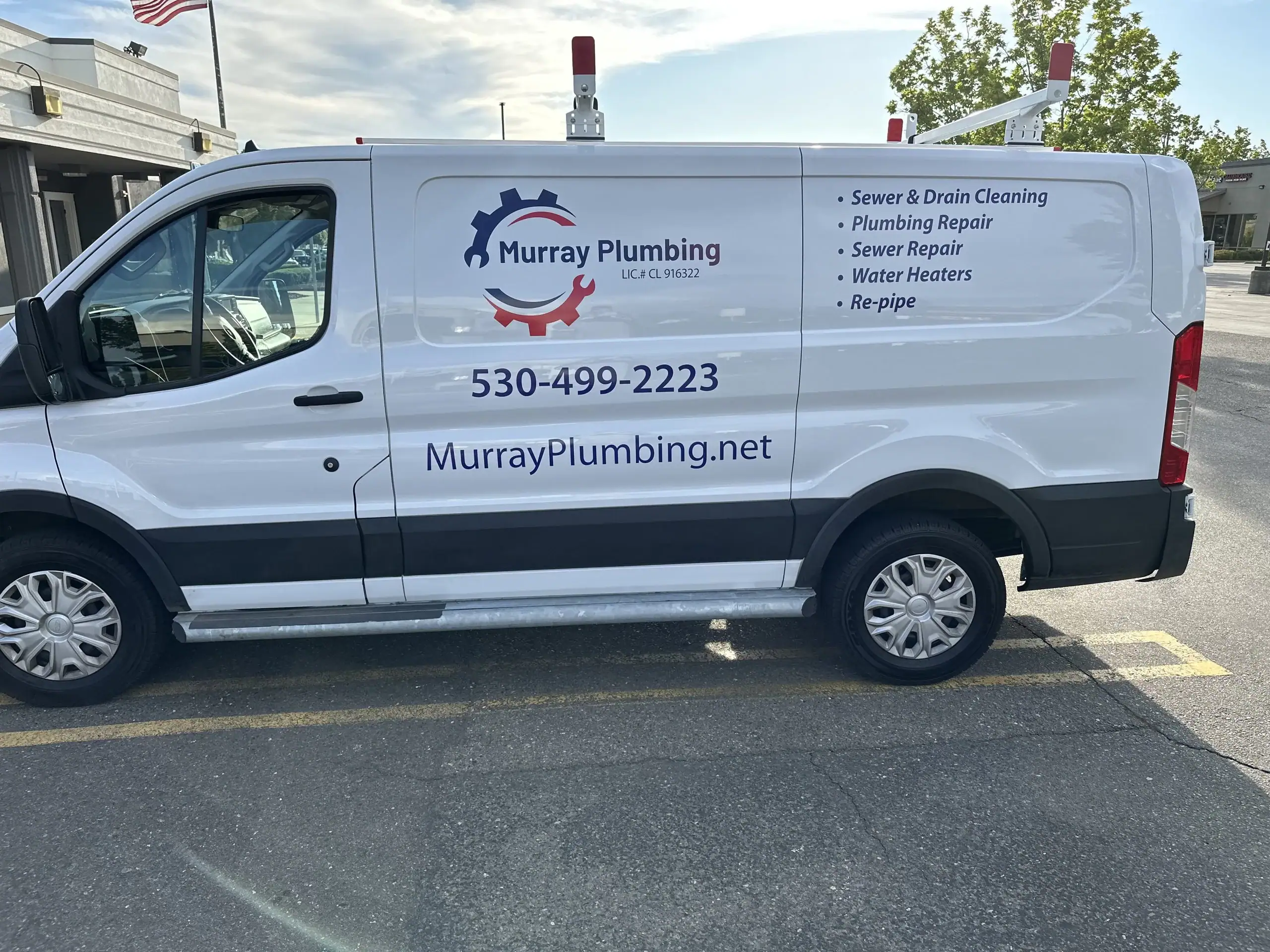
We founded Murray Plumbing in 2009, and over the last 15 years we’ve built our reputation doing licensed plumbing work throughout the Sacramento area, including neighborhoods like Upper Land Park where older homes and aging gas infrastructure are the norm, not the exception. Our owner Ryan Murray holds California C-36 License #916322 the specific classification required by state law for gas line work and seismic valve installation. You can verify it yourself at cslb.ca.gov.
Our reviews back it up. We carry a 4.7 out of 5 on Google across 93 reviews, and the feedback is specific: our technicians show up on time, prices match or come in under the original quote, and customers walk away with documentation they can actually use. That last part matters when you’re dealing with insurance requirements or a real estate transaction.
If you’re a few blocks from Sacramento City College or closer to the Riverside Boulevard corridor, we know this part of the city. We handle the permit process through the City of Sacramento Community Development Department as a standard part of every installation not an afterthought.
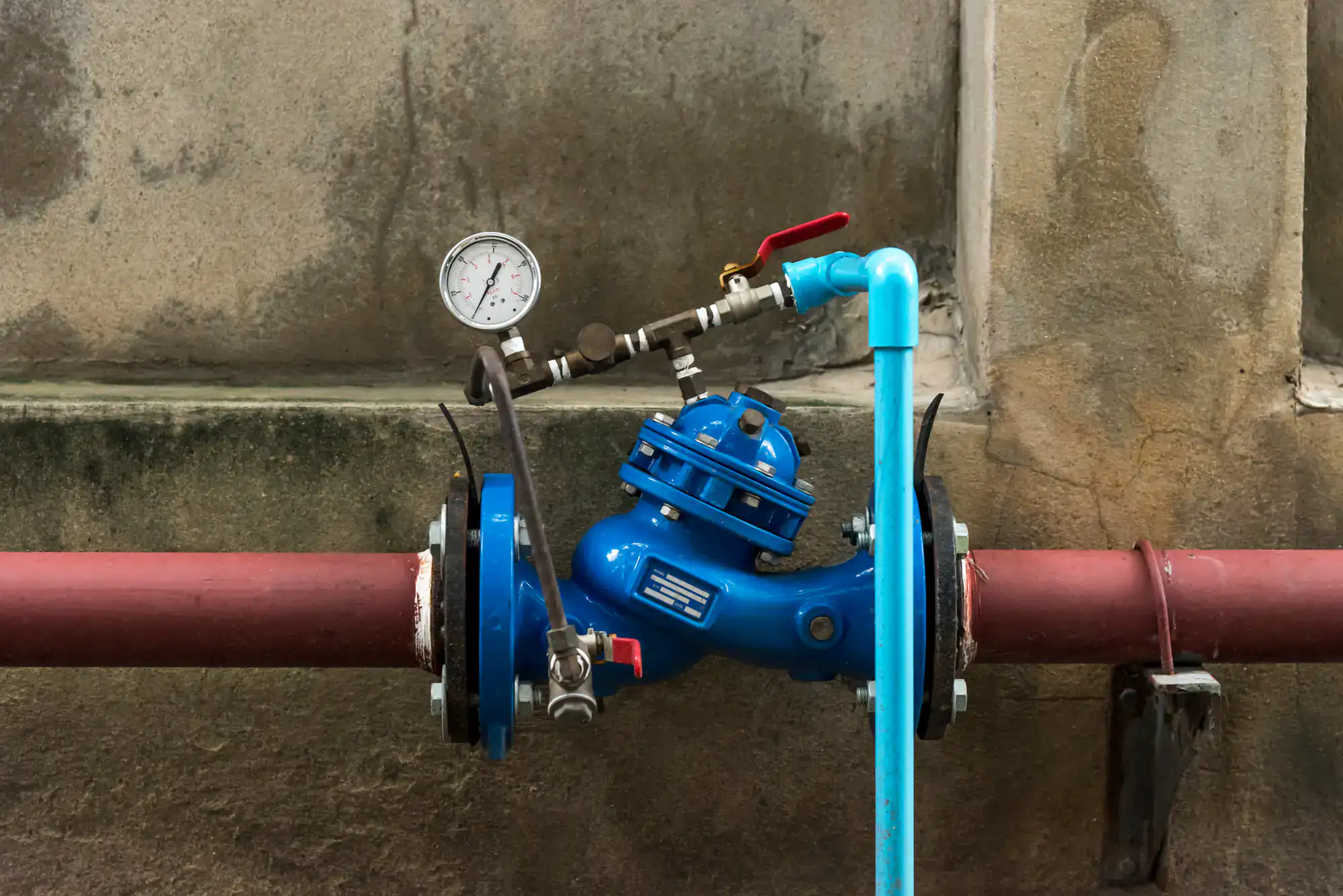
It starts with a free pre-installation assessment. Before any work is scheduled or money changes hands, one of our technicians looks at your gas meter configuration, confirms the right valve size for your line, and gives you a firm price. For Upper Land Park homes many of which have original meter setups that don’t match what you’d find in a newer suburban build this step matters. You get an exact number, not a range that expands once someone opens the panel.
Once you’re ready to move forward, we pull the required building permit from the City of Sacramento Community Development Department. This isn’t optional, and it’s not a formality it’s what creates a legal record of the installation on file with the city. That record is what your insurance company needs, what your real estate agent needs during a transaction, and what protects you if questions come up later. Contractors who skip this step are transferring risk onto you.
The installation itself is typically completed in a few hours. A DSA-certified valve is fitted to your gas line downstream of the meter, calibrated to trigger at the seismic threshold required under California code. After the work is done, we schedule a city inspection. You receive written documentation valve brand, model, DSA certification, permit number, and installation date before the job is considered complete.

Ready to get started?
Every earthquake valve installation through us includes a DSA-certified seismic shut-off valve, all labor, the City of Sacramento building permit, the final inspection, and written documentation of the completed work. The all-in price for most Upper Land Park residential installations runs $400 to $650. That number is given to you upfront after the free assessment not after the work is done.
The DSA certification piece is worth understanding. California’s Division of the State Architect sets the standard that valves must meet under Health and Safety Code Sections 19180 through 19183. A valve that isn’t DSA-certified doesn’t satisfy the permit requirement and won’t hold up for insurance documentation purposes. Hardware store valves and online purchases often fall into this category they may look the part, but they don’t meet the legal standard. Every valve we install does.
One question that comes up often from homeowners near Upper Land Park’s western edge where I-5 runs directly along the neighborhood boundary is whether the constant vibration from truck traffic will false-trip the valve. It won’t, as long as the valve is properly calibrated. DSA-certified valves are set to trigger at a horizontal ground acceleration of approximately 0.2g, which is well above what freeway traffic generates. That calibration is part of what the certification guarantees. After installation, we walk you through the post-trip protocol because resetting a valve before your gas lines have been inspected is exactly the mistake the valve was designed to prevent.
Yes any seismic shut-off valve installation in Upper Land Park requires a building permit issued by the City of Sacramento Community Development Department. Upper Land Park is a neighborhood within the City of Sacramento, so permit authority runs through the city’s building division, not a county department or a separate municipality. This distinction matters because the permit and inspection process creates an official record of the installation on file with the city.
That record is what your homeowner’s insurance company needs to verify the work was done to code. It’s also what gets disclosed in a real estate transaction and an unpermitted installation can complicate a sale or trigger a disclosure obligation that costs more to resolve than the permit would have in the first place. We pull the permit and schedule the inspection as a standard part of every job. You don’t have to manage that process yourself.
For most single-family homes in Upper Land Park, the all-in cost runs between $400 and $650. That includes the DSA-certified valve, labor, the City of Sacramento building permit, and written documentation of the installation. The exact number depends on your gas line configuration and meter setup which is why we do a free pre-installation assessment before any work is scheduled.
One thing worth knowing for Upper Land Park specifically: many homes in this neighborhood were built in the 1920s through 1950s, and older meter configurations can occasionally require additional fittings or line prep that a newer home wouldn’t need. The pre-installation assessment is specifically designed to surface those details before a price is given so the number you receive reflects your actual home, not a best-case scenario. Customers consistently report that their final invoice came in at or below the original quote.
This is one of the most common questions from Upper Land Park homeowners, and it’s a fair one. Interstate 5 runs directly along the neighborhood’s western boundary, and the vibration from heavy truck traffic is noticeable especially in homes closer to the freeway corridor. The short answer is no, a properly installed DSA-certified valve will not false-trip from freeway activity.
DSA-certified seismic shut-off valves are calibrated to trigger at a horizontal ground acceleration of approximately 0.2g. That threshold is specifically designed to filter out ambient vibration traffic, trains, doors slamming and respond only to actual seismic ground movement. Non-certified valves purchased online or at hardware stores don’t carry that calibration guarantee, which is one of the reasons the DSA standard exists. If you’re in a home near I-5 and you’ve been putting off a valve installation because of false-trip concerns, the certification is exactly what eliminates that risk.
It can, and it’s worth knowing before anyone shows up at your door. Homes built in the 1920s through 1950s which make up a significant portion of Upper Land Park’s housing stock, particularly south of McClatchy Way often have gas meter configurations and piping setups that differ from what you’d find in a home built in the last 30 years. Original iron pipe, older fittings, and non-standard meter placements are common in this vintage of home.
None of that makes an installation impossible, but it does mean our technician needs to assess the actual setup before giving you a price. That’s exactly what the free pre-installation assessment is for. We work in older Sacramento homes regularly and know what to expect when opening up a mid-century meter configuration. The assessment takes the guesswork out of pricing and ensures the valve selected is the right fit for your specific line not just the most common residential size.
You can physically reset most seismic shut-off valves yourself, but you shouldn’t do it without having your gas lines inspected first. This is the step that most people skip and it’s the one that matters most. The valve tripped because the ground moved enough to trigger it. That same ground movement may have shifted your gas lines, loosened connections, or caused damage that isn’t visible from the outside. Resetting the valve reintroduces gas into a system that may be compromised.
The right sequence after a trip is: leave the valve closed, contact PG&E to report the event, and call a licensed plumber to inspect the lines before anything is restored. We walk every customer through this protocol at the time of installation not because it’s a legal requirement, but because it’s the part of earthquake preparedness that most installers don’t bother to explain. Knowing what to do after the valve trips is just as important as having it installed in the first place.
It does, and it’s one of the more significant local developments in this space in recent years. In May 2025, the California Geological Survey released new Seismic Hazard Zone Maps for Sacramento under the Seismic Hazards Mapping Act the first time Sacramento has been formally mapped for earthquake-triggered ground failure risk at the state level. Those maps identify liquefaction zones throughout the greater Sacramento area, including areas built on alluvial soils near the Sacramento River.
Upper Land Park sits in that geographic profile. The neighborhood’s location near the river and the I-5/US-50 interchange puts it on soils that are among the most susceptible to liquefaction the phenomenon where saturated ground loses structural integrity during shaking, causing pipes to shift and connections to fail. That’s now on the state’s official map, and it changes how insurers, real estate professionals, and city planners are thinking about seismic preparedness in Upper Land Park. For homeowners here, that mapping is a concrete, current reason to act not something to revisit later.
Other Services we provide in Upper Land Park