
Hear from Our Customers
If your Upper Land Park home was built between 1995 and 2007, there’s a real chance you have Kitec plumbing. And if you do, the question isn’t if it’ll fail—it’s when.
Kitec pipes were recalled in 2005 because the brass fittings contain too much zinc. That zinc breaks down over time through a process called dezincification, leaving your fittings weak and ready to crack. When they do, you’re looking at burst pipes, flooded rooms, and thousands in water damage repair.
The fittings aren’t made anymore. You can’t just patch them when they leak because the sizing doesn’t match standard plumbing parts. So every small leak becomes a bigger problem, and every repair is temporary at best.
A full Kitec repipe in Upper Land Park removes the risk entirely. You get modern piping—usually PEX or copper—that’s built to last decades without the corrosion issues. Your water pressure improves. Your insurance company stops asking questions. And you can actually sell your home without disclosure complications or buyer panic.
Most repiping jobs take just a few days, and you stay in your home the whole time. It’s not a small job, but it’s a lot smaller than dealing with a catastrophic pipe failure at 2 a.m.
We’ve handled residential and commercial Kitec repiping across Sacramento County since the late ’90s. We were around when these systems were still being installed, and we’ve been replacing them ever since the failures started piling up.
Upper Land Park has a mix of older homes and properties from that mid-’90s to 2000s construction boom—exactly the window when Kitec was everywhere. We know the neighborhood, the housing stock, and what it takes to repipe homes here without tearing up your walls or your schedule.
We’re licensed, insured, and available 24/7 if something goes wrong before you can get the repipe done. Our pricing is transparent from the start, and we don’t pad estimates or surprise you at the end. That’s why we’ve kept a 4.7-star rating across 93 Google reviews—people know what they’re paying and what they’re getting.
First, we come out and inspect your plumbing to confirm you have Kitec and assess the scope of the job. We’ll look at how many fixtures are affected, where the main lines run, and what access points we’ll need. Then we give you a clear estimate with no hidden fees.
Once you’re ready to move forward, we schedule the work around your life. Most Kitec repiping jobs in Upper Land Park take two to four days depending on the size of your home. We shut off water to specific sections as we work, so you’re not completely without plumbing the entire time.
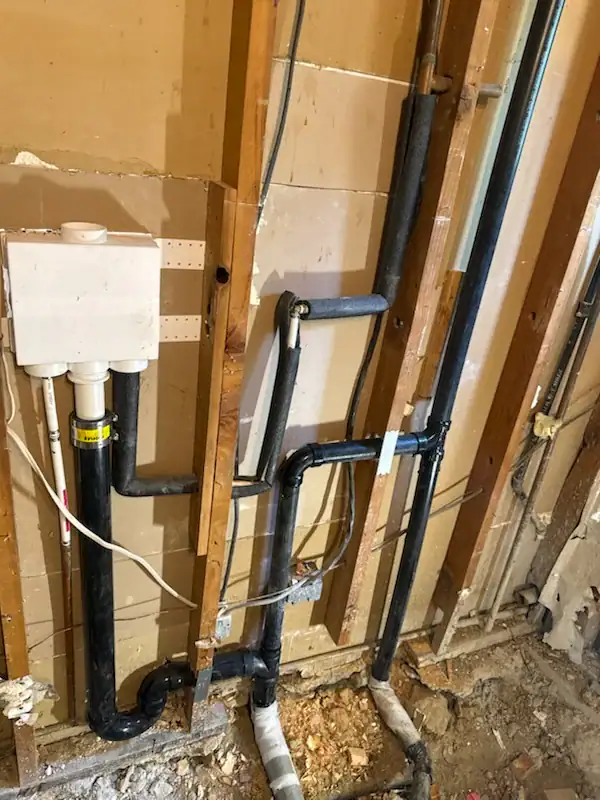
We remove the old Kitec pipes and fittings, then install new PEX or copper lines—your choice, though PEX is faster and more affordable for most homes. We test everything for leaks, restore water pressure, and make sure your system is solid before we leave. Any drywall or access holes get patched and painted so your home looks normal again.
You’ll have documentation of the work for your records, which is helpful if you ever sell. And you’ll have peace of mind that your plumbing won’t fail in the middle of the night.
Ready to get started?
A complete Kitec repipe means removing every section of Kitec pipe and every brass fitting from your home’s plumbing system. We replace it all with modern materials that won’t corrode or fail the way Kitec does.
In Upper Land Park, where home values average over $600,000, protecting that investment matters. A repipe stops the risk of catastrophic water damage that could cost tens of thousands to repair. It also keeps your homeowner’s insurance valid—many carriers won’t cover homes with Kitec, or they’ll deny claims related to pipe failure.
You’ll notice better water pressure almost immediately. Kitec systems lose flow as the fittings corrode, so showers get weaker and running multiple fixtures at once becomes a problem. New piping fixes that.
The work includes all labor, materials, permits, and cleanup. We handle the city inspections if required. And we give you documentation that proves the Kitec is gone, which matters when you go to sell or refinance.
Most homes fall in the $5,000 to $30,000 range for a full repipe, depending on size and complexity. That’s a fraction of what you’d spend repairing flood damage from a burst pipe—and a lot less stressful than dealing with an insurance claim that gets denied because you knew you had Kitec and didn’t replace it.
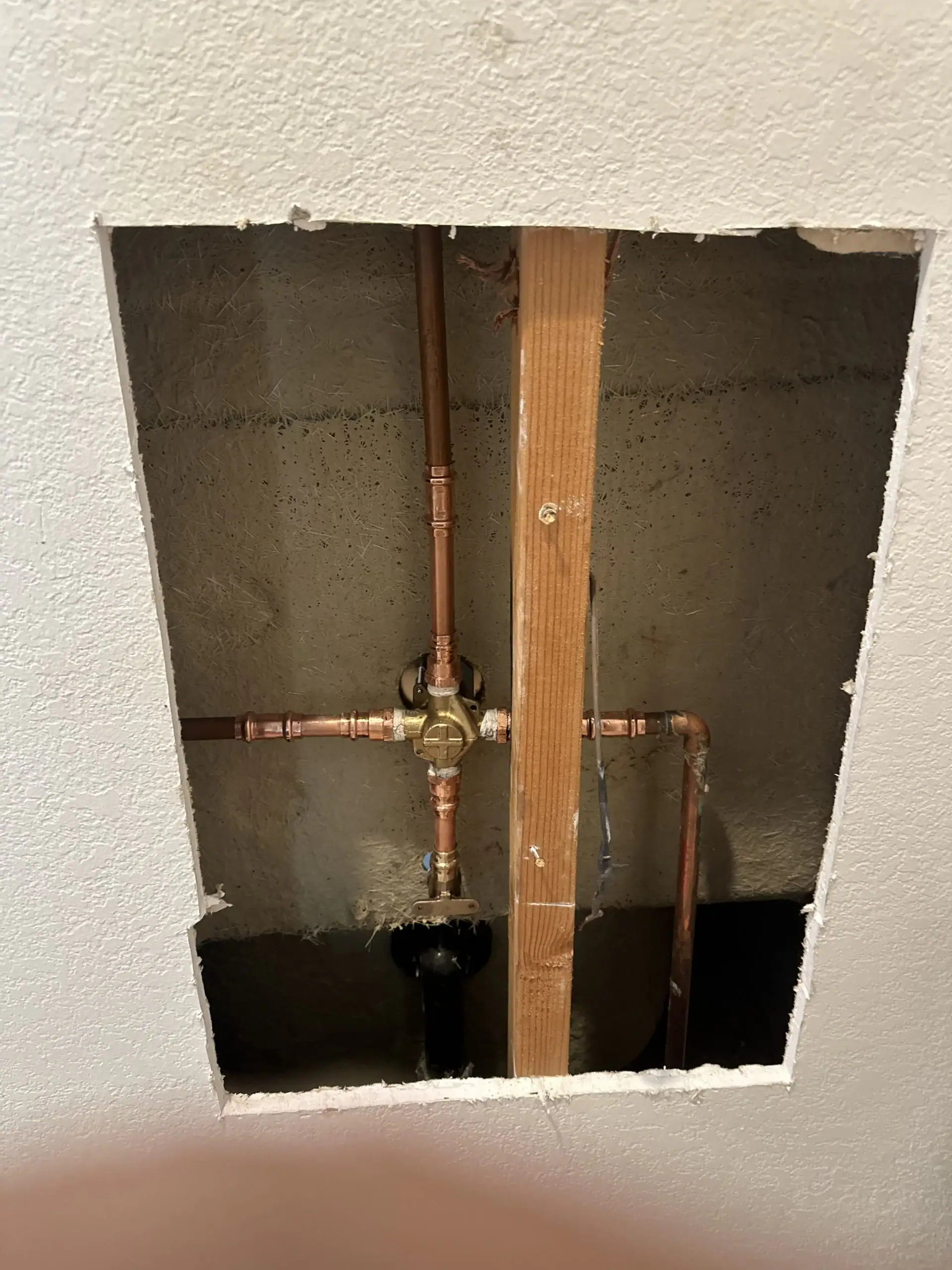
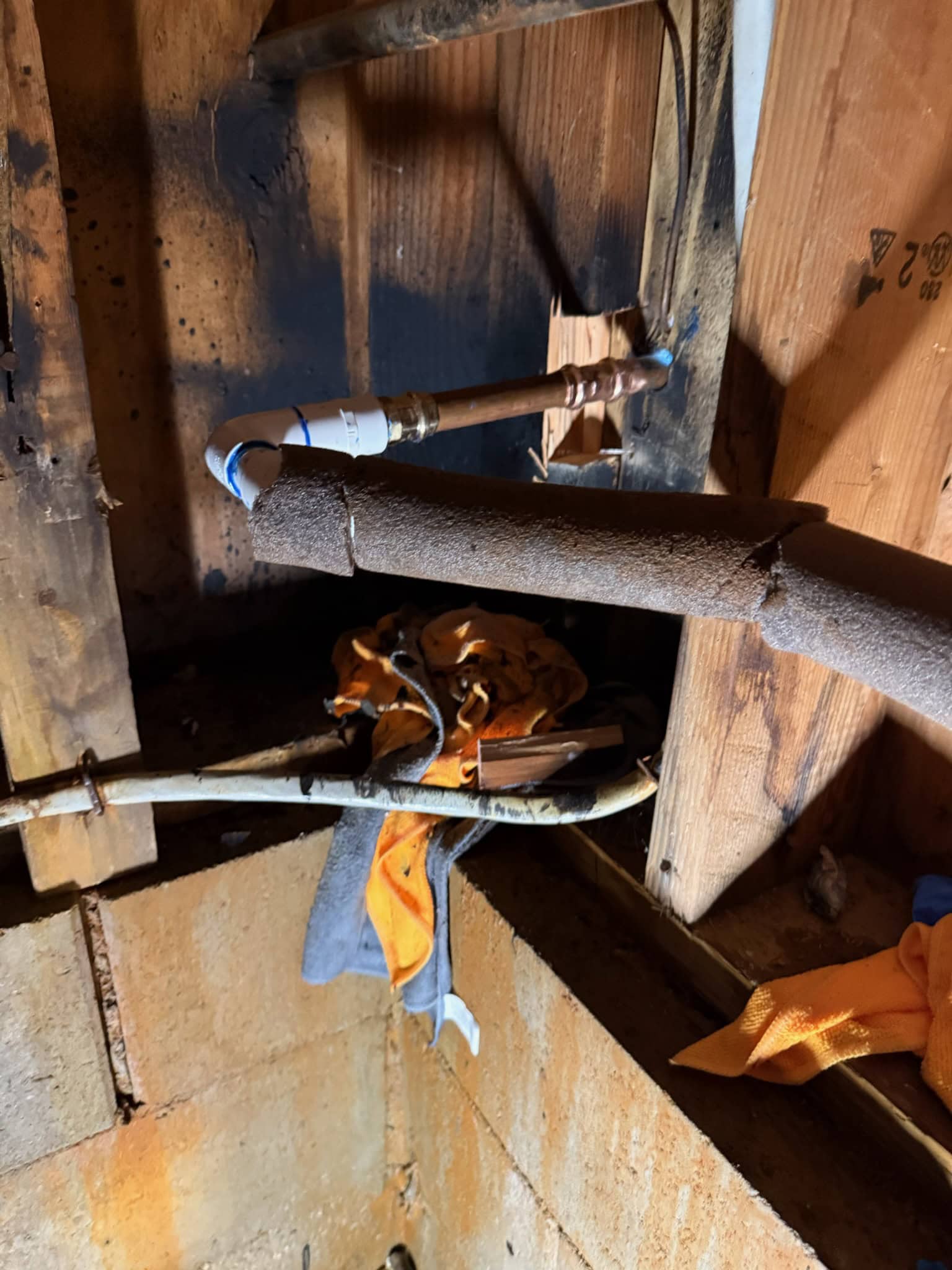
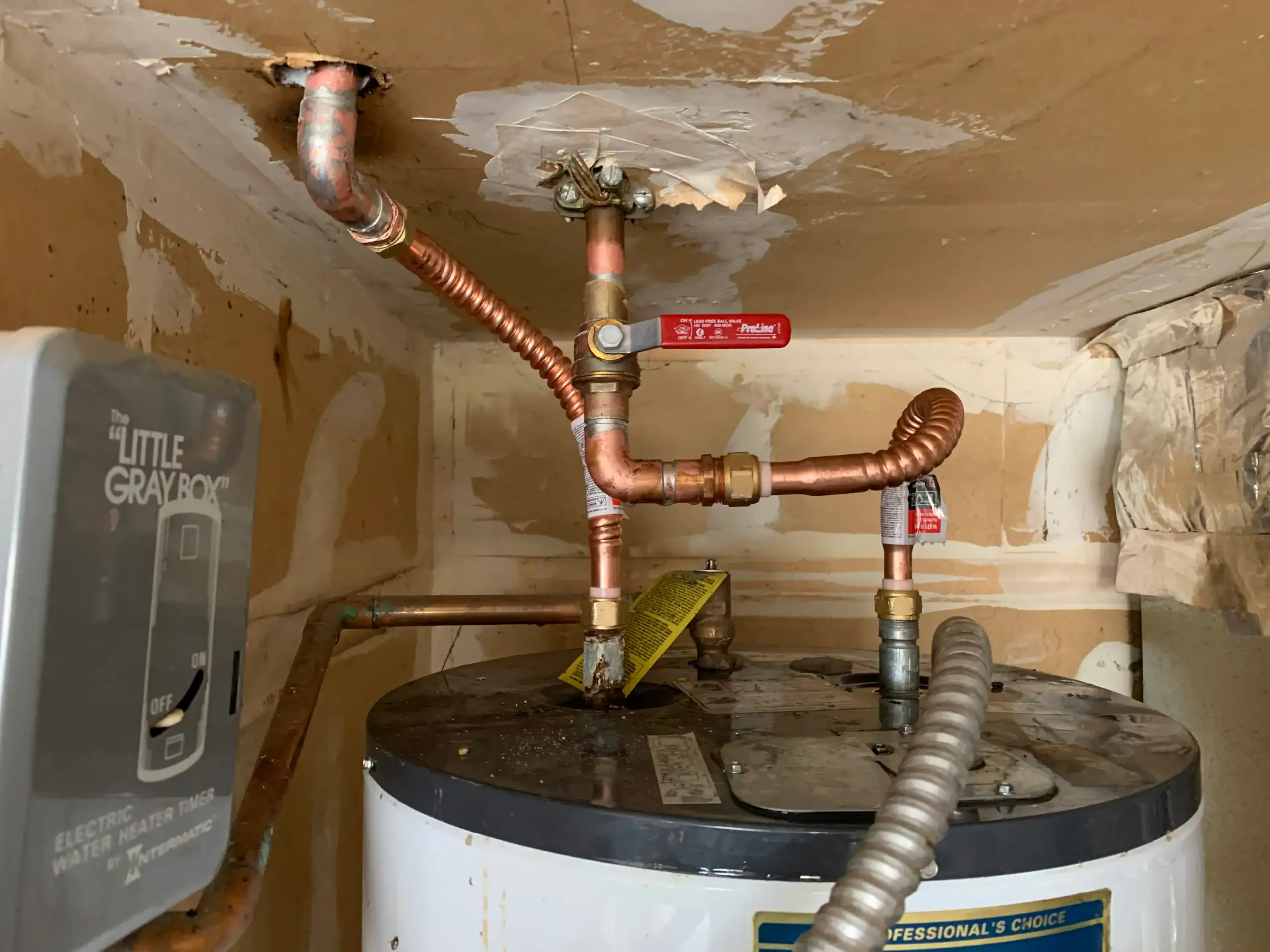
Kitec pipes are usually orange or blue, though sometimes they’re gray. The fittings are brass and often stamped with “Kitec” or the manufacturer name IPEX. You’ll typically see them near your water heater, under sinks, or in the basement or crawl space if you have one.
If your home was built or remodeled between 1995 and 2007 in the Sacramento area, there’s a decent chance it has Kitec. It was popular with builders during that time because it was cheap and easy to install. The problem is, it wasn’t built to last.
If you’re not sure, we can come out and inspect your plumbing. It takes about 20 minutes to confirm whether you have Kitec and how much of your system is affected. From there, we’ll give you a clear recommendation on whether you need a full repipe or if you’re in the clear.
You’re gambling on when—not if—they’ll fail. Kitec fittings corrode from the inside out, and once that process starts, it doesn’t stop. Some systems last 10 years, some last 20, but they all fail eventually.
When they do, you’re looking at burst pipes and flooding. That means water damage to floors, walls, furniture, and anything else in the path. Cleanup and restoration can easily run $10,000 to $50,000 depending on how bad it gets. And if your insurance company knows you had Kitec and didn’t replace it, they may not cover the damage.
Even before a catastrophic failure, you’ll deal with ongoing leaks, low water pressure, and constant repairs. Since Kitec fittings aren’t made anymore, every fix is a workaround. You’re spending money on patches that don’t solve the underlying problem. Most people find that replacing the system upfront is cheaper than years of emergency plumber calls.
Most residential Kitec repiping jobs take two to four days, depending on the size of your home and how much of the system needs replacing. Smaller homes with straightforward layouts can sometimes be done in two days. Larger homes or properties with complex plumbing might take closer to a week.
You can stay in your home during the work. We shut off water to specific sections as we go, so you’ll have limited access to plumbing at times, but it’s not like you’re without water for days on end. We work efficiently and clean up as we go.
The timeline also depends on whether we need permits and inspections, which can add a day or two. But we handle all of that coordination. Once the work is done, you’ll have a fully functional plumbing system with none of the Kitec risk. And your life goes back to normal—just with better water pressure and a lot less to worry about.
Probably not. Most insurance policies don’t cover the cost of replacing defective plumbing—that’s considered a maintenance issue, not a covered loss. What they will cover is damage caused by a sudden pipe failure, but even that gets tricky if they know you had Kitec and didn’t replace it.
Some insurance companies in California have started refusing to insure homes with Kitec at all. Others will insure the home but exclude coverage for any water damage related to plumbing failure. A few will cover you but charge higher premiums or increase your deductible.
The class action settlement against IPEX, the Kitec manufacturer, ended in 2012 and only applied to Canadian homes. If you’re in the U.S., you’re not getting money from that settlement. So the cost of the repipe is on you. But it’s still worth doing, because the alternative is paying for flood damage out of pocket and possibly losing your insurance coverage altogether.
We typically use PEX or copper, depending on what makes sense for your home and your budget. PEX is flexible, durable, and faster to install, which keeps labor costs down. It’s also resistant to corrosion and freezing, which makes it a solid long-term choice for Sacramento’s climate.
Copper is more traditional and has been used in plumbing for decades. It’s extremely durable and doesn’t have the same concerns some people have about plastic piping. It costs more and takes longer to install, but it’s a proven material that will last 50+ years if installed correctly.
Both options are a massive upgrade over Kitec. Neither will corrode the way Kitec fittings do, and both are widely available, so future repairs are straightforward if you ever need them. We’ll walk you through the pros and cons of each during your estimate so you can make the call that fits your home and your priorities.
You can, but it’s going to complicate the sale. California law requires you to disclose known defects, and Kitec qualifies. Once a buyer knows the home has Kitec, they’ll either ask you to replace it before closing, demand a price reduction to cover the cost, or walk away entirely.
Lenders and inspectors flag Kitec as a major issue, so even if a buyer is willing to move forward, their bank might not approve the loan until the plumbing is replaced. That delays closing and adds uncertainty to the whole process.
If you’re planning to sell in the next few years, replacing the Kitec before you list makes the process smoother. You’ll avoid buyer objections, appraisal problems, and last-minute negotiations. And you’ll be able to market the home honestly without a known defect hanging over the sale. Most sellers find that the cost of the repipe is worth it for the peace of mind and the faster, cleaner transaction.
Other Services we provide in Upper Land Park