
Hydro Jetting
Get a free quote for hydro jetting from your local plumbing team.
We’ll contact you about your hydro jetting request. Privacy policy
Hear from Our Customers
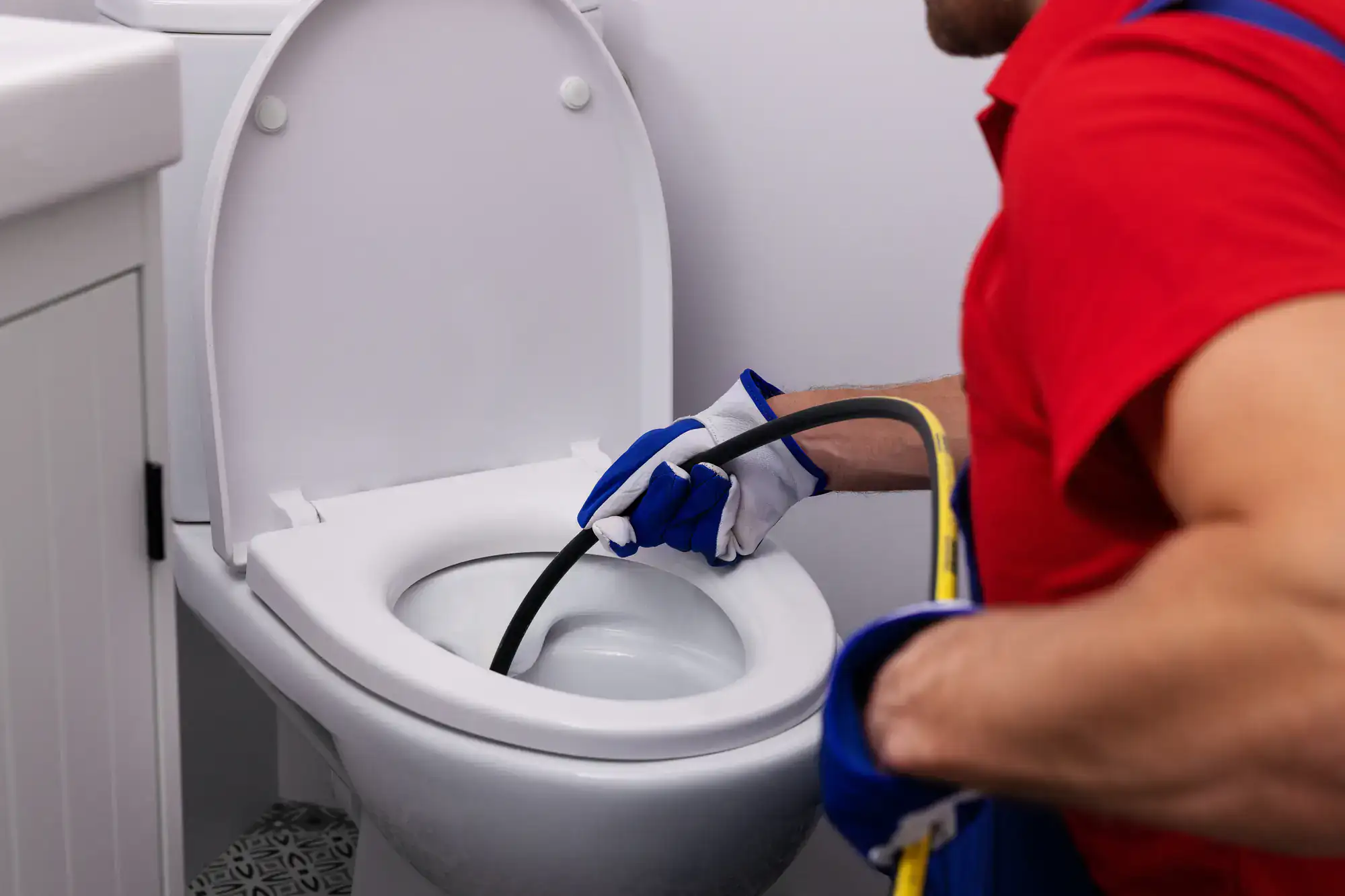
If your drain has been snaked two or three times and keeps backing up, the snake isn’t solving anything — it’s just buying you a few more weeks. Hydro jetting removes what snaking leaves behind: the grease layer coating the pipe wall, the mineral scale built up from years of Sierra Nevada mountain water running through aging cast iron lines, and the root intrusions that keep growing back until they’re fully flushed out. One service done right can hold for a year or more, sometimes several.
For Alta homeowners on septic, this matters more than it does for someone connected to a city sewer. Every inch of pipe between your kitchen sink and your septic tank is yours to maintain. When those private lateral lines slow down or back up — whether from pine root intrusion, hardened grease, or sediment that settled during a long winter of low use — there’s no city crew coming. You’re the one making the call, and you want it fixed right the first time.
Seasonal homeowners have an added layer to think about. Pipes that sit dormant through a Sierra Nevada winter can accumulate debris that only shows up as a problem when the property is back under full load. Getting those lines properly cleaned before summer guests arrive isn’t overcautious — it’s just smart property management.
We’ve been working across Northern California since 2009, based out of Placerville in El Dorado County — the same Sierra Nevada foothill terrain as Alta. That matters because the conditions here aren’t the same as Sacramento. The building stock is older, the water is harder, the trees are bigger, and most properties run on septic. We understand the region without needing it explained.
We’re family-owned and fully licensed, insured, and bonded in California under a C-36 Plumbing Contractor License — verifiable through the California State License Board. There are no franchise fees being passed on to you, no call center deciding who gets dispatched, and no rotating crew of unfamiliar faces. Customers across the Colfax corridor and surrounding Placer County communities consistently call out the same things in reviews: we showed up when we said we would, quoted a fair price, and did the job right.
With a 4.7 out of 5 rating across 93 Google reviews and a 97% review response rate, our track record speaks for itself.
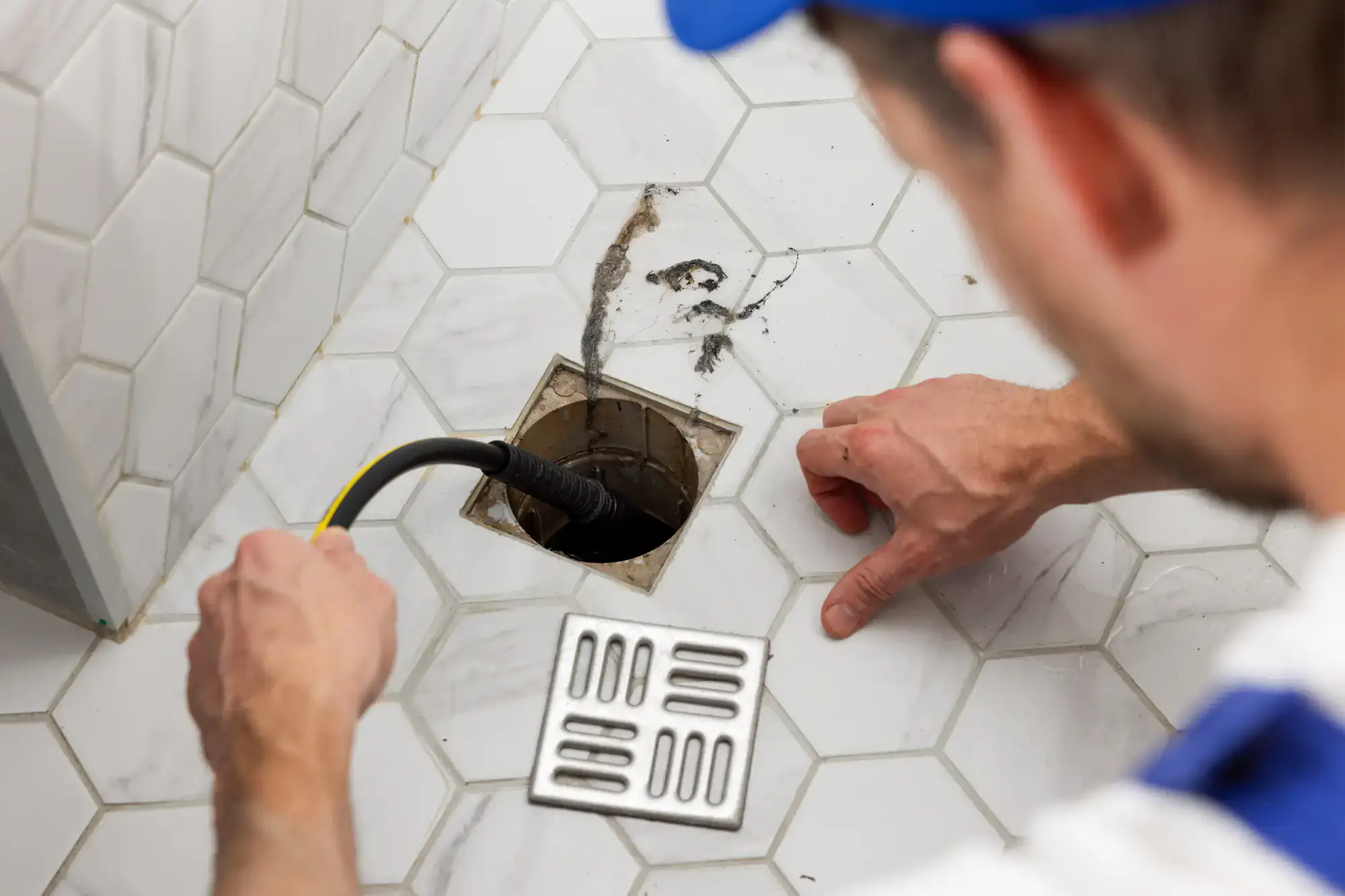
Before any water pressure goes into your pipes, a camera goes in first. This isn’t optional and it isn’t upselling — it’s how responsible hydro jetting is done. The camera inspection shows exactly where the blockage is, what’s causing it, and what condition your pipes are in. For older Alta homes with cast iron or galvanized drain lines, this step is especially important. High pressure applied to a compromised pipe can cause damage. Knowing what we’re working with before we start protects both the pipe and your home.
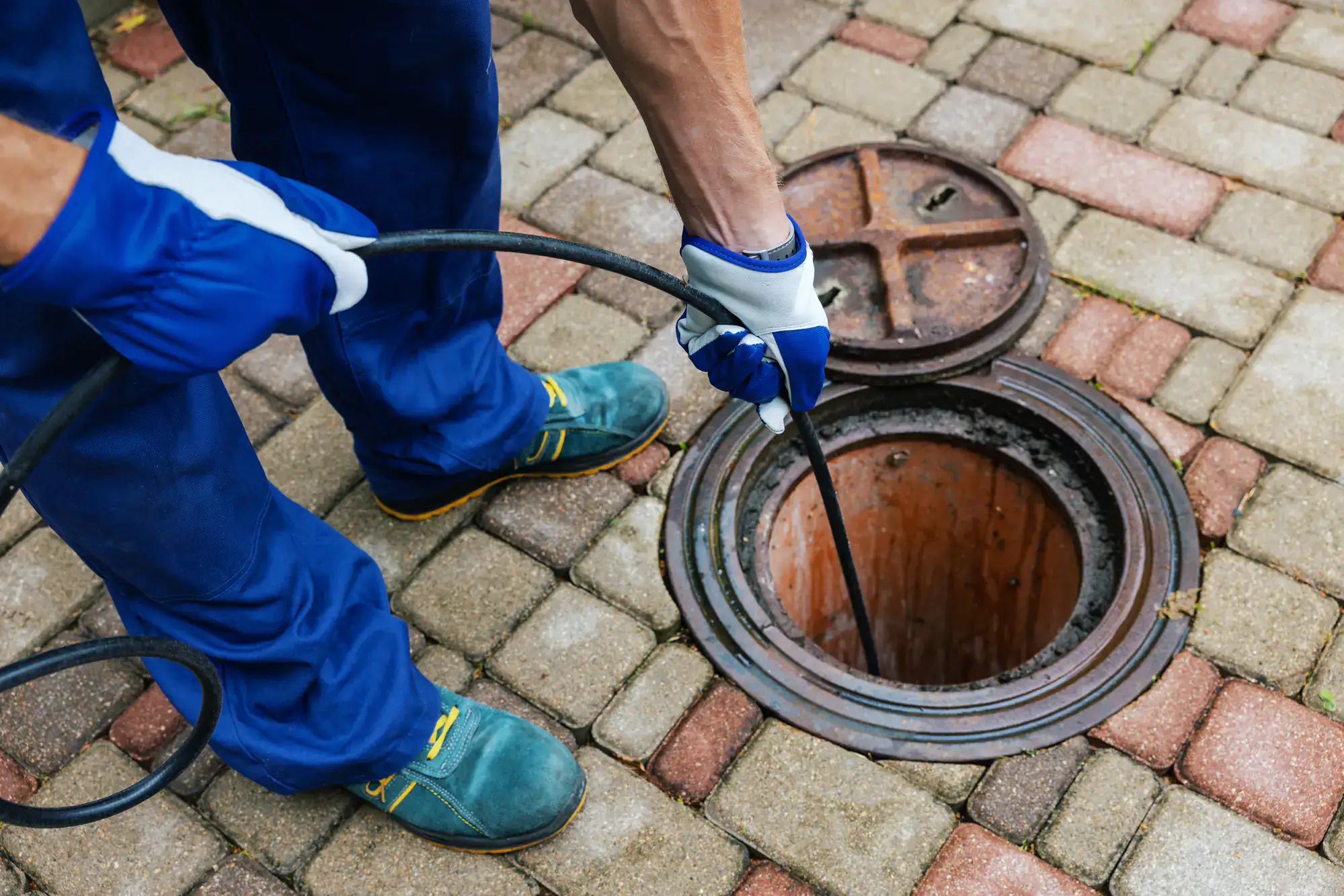
Once the inspection confirms the lines can handle it, the jetting begins. We operate equipment at up to 4,000 PSI, which is enough to cut through root intrusions, blast grease off pipe walls, and flush mineral scale that’s been accumulating for years. It cleans the full circumference of the pipe — not just the center — so there’s no debris left clinging to the walls waiting to catch the next clog.
After the jetting is complete, the camera goes back in. You get a post-service inspection that documents what the pipe looks like now, not just what we say it looks like. For seasonal homeowners who aren’t always on-site, that documentation is worth having. If the inspection reveals any pipe damage that needs repair, any work beyond cleaning would fall under Placer County’s permitting process through the Building Services Division — and as a licensed C-36 contractor, we handle that correctly.
Ready to get started?
Hydro jetting in Alta isn’t a one-size-fits-all pressure wash. We calibrate the service to your specific pipe material, your drain layout, and what the camera inspection reveals. Cast iron lines common in pre-1970s Alta homes get treated differently than newer PVC. Lines with active root intrusion from the conifers that cover most Alta properties get a different nozzle configuration than lines backed up primarily from grease or mineral scale. The pressure and approach are adjusted to the actual situation — not a default setting.
What’s included every time: a pre-service camera inspection to assess pipe condition and locate the blockage, high-pressure hydro jetting at up to 4,000 PSI to clear the full pipe wall, and a post-service camera inspection to document results. You see the before and after. The price quoted before work begins is the price you pay — no diagnostic fees added on top, no surprise charges at the end. Our residential hydro jetting runs $450 to $900 depending on blockage severity and how accessible the pipe is.
For Alta properties on septic, the service focuses on the private lateral lines running from the home to the tank. These lines pass through forested, root-heavy ground and don’t get cleaned by anyone else — they’re your responsibility, and keeping them clear is the most direct way to protect your septic system from premature failure. If you’re managing a seasonal property and want the lines serviced before you open up for summer, or before you close down for winter, that’s a straightforward job we can schedule around your timeline.
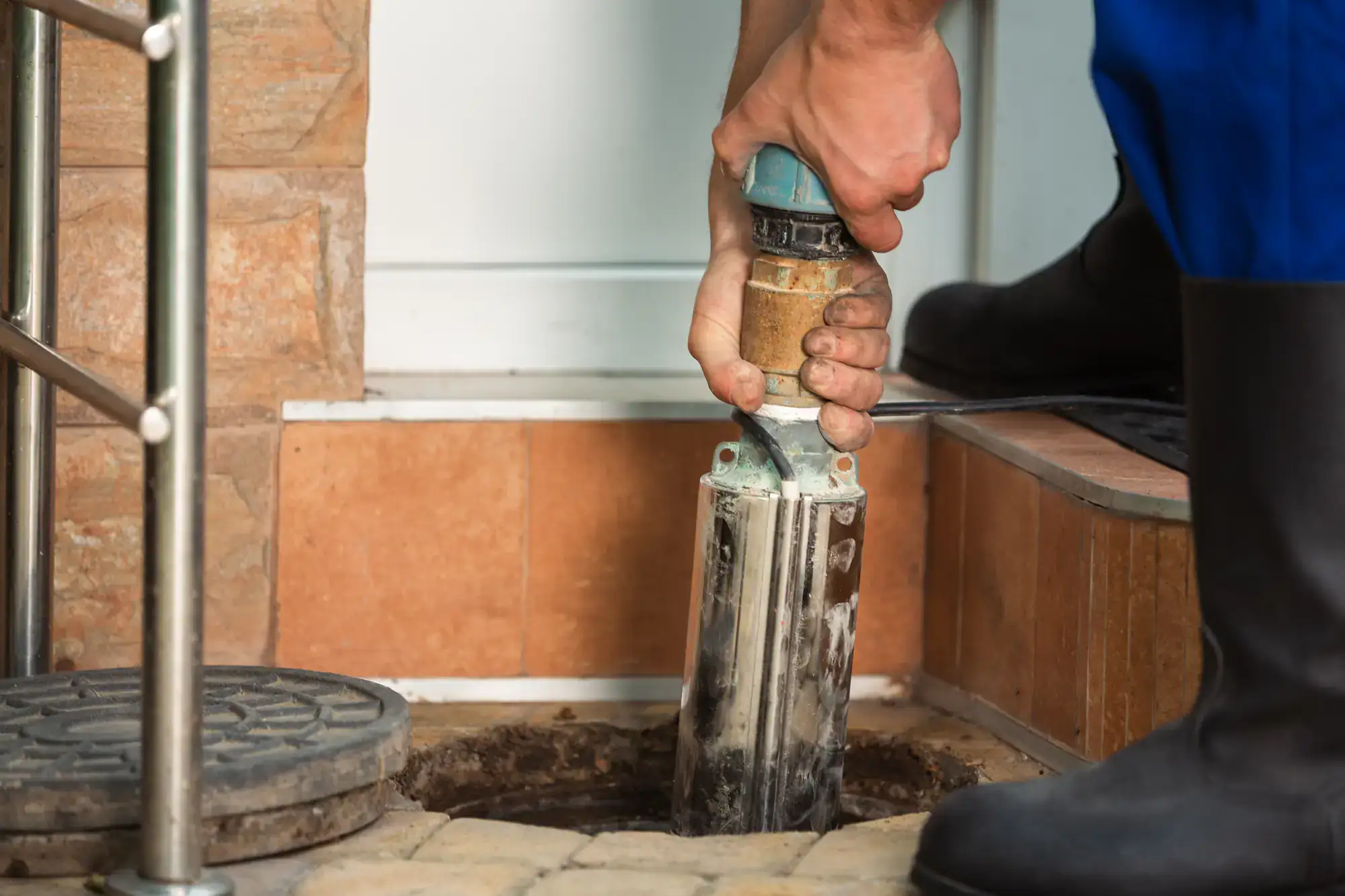
This is the right question to ask, and the honest answer is: it depends on the pipe condition, not just the pipe age. Alta has a meaningful amount of housing built between the 1940s and 1960s, and those homes often have original cast iron or galvanized steel drain lines. Cast iron that’s structurally sound can handle hydro jetting without any issue. The problem comes when pipes have pre-existing cracks, severe corrosion, or sections that have partially collapsed — applying high pressure to those areas can make things worse.
That’s exactly why we run a camera inspection before any jetting begins. The camera shows the interior condition of the pipe in real time. If there’s a compromised section, you’ll know about it before any pressure is applied, and the plan adjusts accordingly. In some cases, the camera inspection reveals that a section of pipe needs repair before jetting makes sense. That’s the honest assessment that protects you from a more expensive problem down the road.
For most Alta residential properties on septic, a good starting point is every one to two years, but the right answer depends on a few factors specific to your property. If you have mature pines or firs growing near your lateral lines — which is common on forested Alta parcels — root intrusion tends to be an ongoing issue rather than a one-time fix. Roots grow back, and annual maintenance may be the most cost-effective approach compared to dealing with a full backup.
If your home is seasonally occupied and the drain system sits dormant for several months each year, that changes the calculus too. Dormant pipes accumulate sediment and organic debris differently than pipes in daily use. A hydro jetting service at the start of the season — before the property goes back under full load — is a practical way to avoid a backed-up drain on the first weekend guests arrive. If your drains have been running without issue for years, every two years may be sufficient. The post-service camera inspection gives you a clear picture of pipe condition that helps you make that call with actual information rather than guessing.
Snaking is a mechanical cable that punches a hole through a clog — it clears a path so water can flow again, but it doesn’t clean the pipe wall. Whatever was coating the inside of that pipe before the snake went in is still there after it comes out. That’s why the same drain backs up again a few weeks later. The clog reforms on the debris that was never removed.
Hydro jetting uses high-pressure water — up to 4,000 PSI — to scour the full interior surface of the pipe. Grease, mineral scale, root fragments, silt, and accumulated debris all get flushed out completely. The pipe comes out clean, not just open. If your drain has backed up once and it’s clearly a simple, localized clog, snaking may be all you need. But if you’re dealing with a recurring problem, slow drains across multiple fixtures, or a line that hasn’t been cleaned in years, hydro jetting is the right tool. In Alta specifically, where mountain water carries minerals that deposit as scale on pipe walls over time, snaking alone will never address the root cause of chronic slow drains.
Yes — hydro jetting at the pressure levels we operate at is capable of cutting through root intrusions up to about a quarter-inch in diameter and flushing the debris completely out of the line. For Alta properties surrounded by mature conifers, root intrusion into private septic laterals is one of the most common causes of recurring drain problems. Roots seek moisture, and a drain line is exactly the kind of moisture source they’ll find.
The important thing to understand is that hydro jetting removes the current intrusion — it doesn’t stop roots from growing back. Pine and fir root systems are persistent, and if roots have found their way into your lines once, they’ll likely find their way back over time. That’s why annual maintenance jetting often makes more sense for heavily wooded Alta properties than waiting for a full backup to develop. The pre-service camera inspection will show you how significant the intrusion is and whether there’s any pipe damage from root pressure that needs to be addressed separately before jetting is the right next step.
Our residential hydro jetting runs between $450 and $900, depending on two main factors: how severe the blockage is and how accessible the pipe is. A straightforward kitchen drain line with grease buildup is going to be on the lower end of that range. A main septic lateral with significant root intrusion, or a line that requires working around difficult access points on a forested Alta property, may run higher.
What you won’t get is a price that changes between the quote and the invoice. We quote the job before any work begins, and that’s the number you pay. There’s no diagnostic fee layered on top, no travel surcharge for the mountain drive, and no pressure to add services you didn’t ask for. For context, snaking a drain typically runs $150 to $350 — but if you’re calling for the third time in a year on the same drain, you’ve already spent more than a hydro jetting service would have cost, and the pipe wall still hasn’t been cleaned.
Yes — we offer 24/7 emergency service, and that’s not a marketing line with an asterisk. In a mountain community like Alta, where the nearest plumbing supply house is a significant drive away and most Sacramento-based providers aren’t eager to head up I-80 after hours, after-hours availability is genuinely limited. A backed-up septic lateral at 9 PM on a Sunday isn’t something you can leave until Monday morning, especially if multiple fixtures are involved or there’s any risk of sewage backup into the home.
Our reviews document actual after-hours and weekend calls that were answered and handled — customers who called on Sundays and had a plumber arrive the same day. That kind of response matters more in a rural mountain community than it does in a suburb with a dozen providers within five miles. When you call, you’re getting through to our team that knows the I-80 corridor and will make the drive. Emergency calls are handled with the same upfront pricing as scheduled appointments — you’ll know the cost before work begins, regardless of when you call.
Other Services we provide in Alta