
Hear from Our Customers
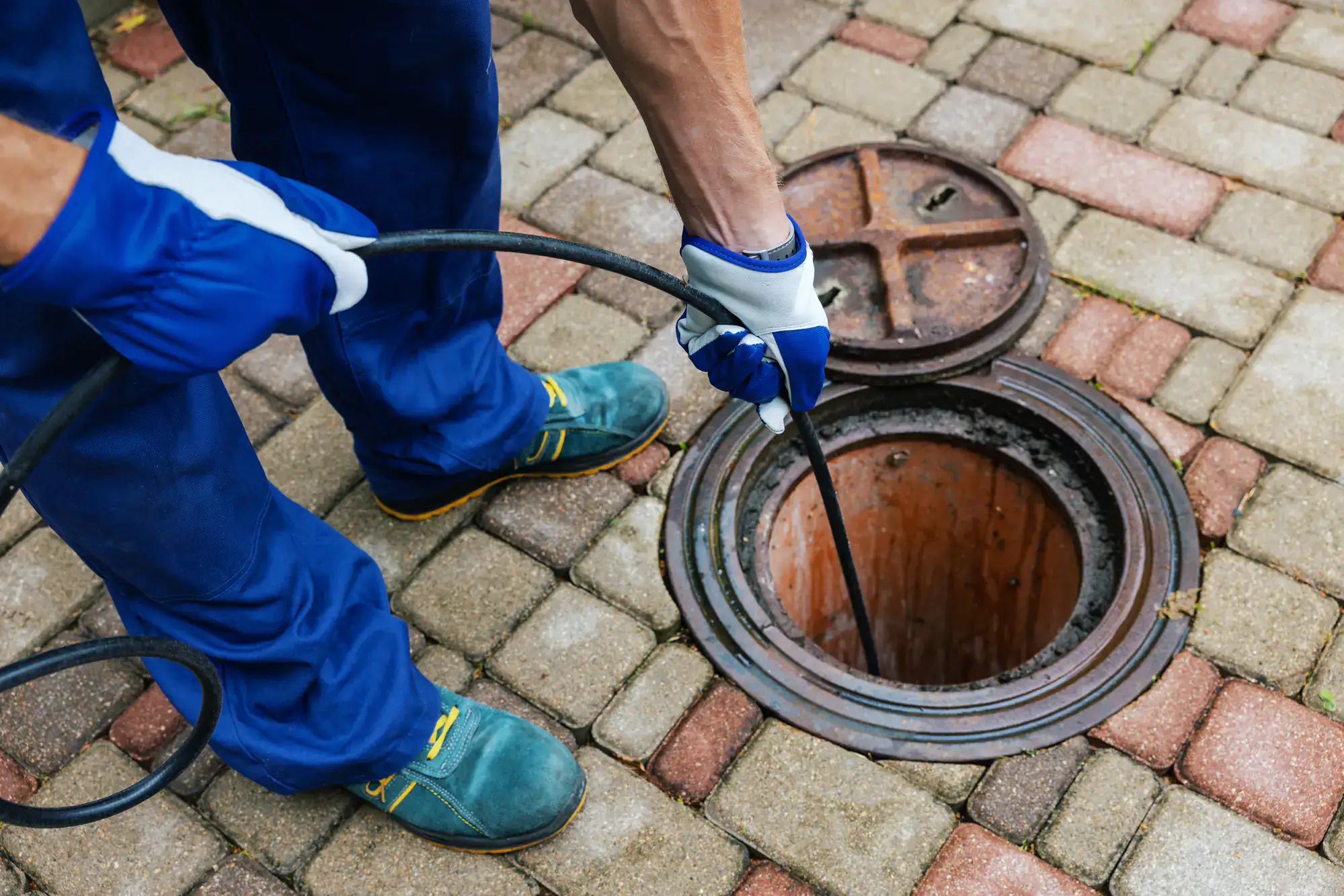
There’s a big difference between a drain that’s been poked through and a drain that’s been cleaned. Snaking punches a hole in a clog and calls it done. The grease, the mineral scale, the root fragments — they stay on the pipe walls, and within weeks or months, you’re right back where you started. We remove all of it, not just the blockage in the middle.
For Buckeye properties specifically, that matters more than it does in most places. The mature California oaks, ponderosa pines, and native buckeye trees that line these properties along Highway 193 have root systems that actively seek out underground moisture — and your septic laterals are exactly what they find. A single jetting service at up to 4,000 PSI scours root material from pipe walls completely, which means significantly longer time before reintrusion compared to anything a snake can accomplish.
El Dorado County’s foothill water supply also runs harder than the Sacramento Valley floor. Over time, mineral scale builds up inside older pipes and gradually narrows the flow — it’s not dramatic, it’s slow, and most homeowners don’t connect the dots until multiple fixtures are draining slowly at once. We physically remove that scale in a way that chemical treatments simply cannot. The result is a pipe that flows at full diameter again, without replacing anything.
We’re based in Placerville — the El Dorado County seat, roughly 20 miles from Georgetown and the Buckeye community via Highway 193. That’s not a detail tacked onto a service radius map. It means the technicians who show up at your Buckeye property know this county, know the foothill housing stock, and aren’t making a reluctant trip up from Sacramento.
We’ve been operating since 2009, fully licensed under California’s C-36 Plumbing Contractor classification, and insured and bonded. With a 4.7 out of 5 rating across 93 Google reviews and a 97% review response rate, the track record is there. Customers consistently call out the same things: we showed up when we said we would, the price quoted was the price charged, and the work actually solved the problem.
We already actively serve Buckeye across more than a dozen service categories. This isn’t a new market — it’s a community we know well, including the mid-century rural homes, the private septic systems, and the aggressive root pressure that comes with mature tree cover on large wooded lots.
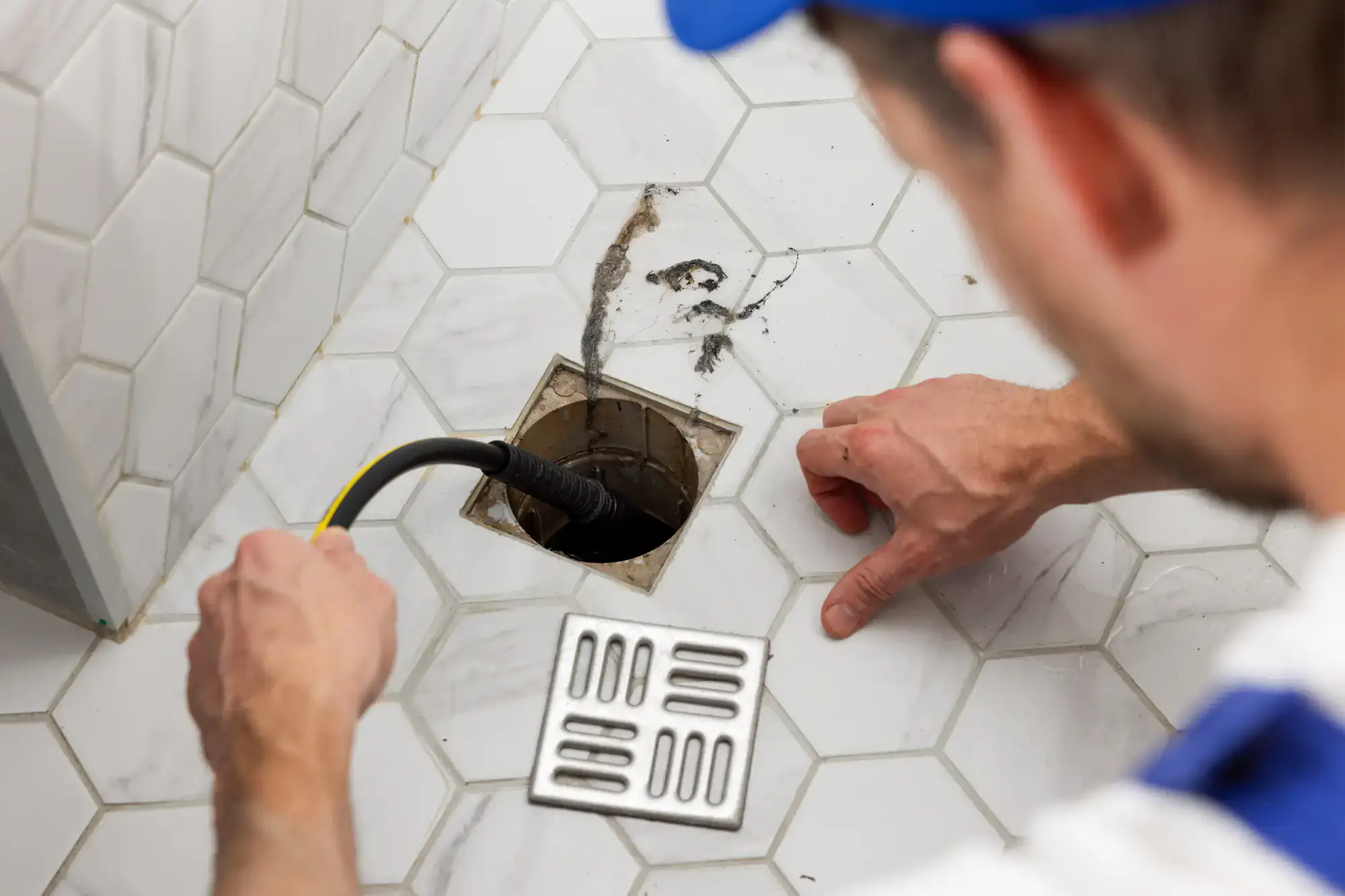
Before any pressure hits your pipes, we run a camera inspection. This step is non-negotiable, and for Buckeye’s older housing stock it’s especially important. Many homes in this area have original cast iron or galvanized steel drain lines that have been in the ground for decades. Applying high-pressure water to a pipe that’s already compromised can turn a $500 service into a much larger repair. The camera tells you what you’re working with before anything else happens.
Once the pipe condition is confirmed and the blockage is located, the jetting begins. Our equipment operates at up to 4,000 PSI, which is enough to cut through tree roots up to a quarter-inch in diameter, blast away years of grease and mineral scale, and scour the full interior of the pipe wall — not just clear a path through the middle. For septic lateral lines, which most Buckeye properties rely on entirely, this level of cleaning matters. There’s no municipal utility managing your system. You own it, and the condition it’s in is entirely your responsibility.
After the jetting is complete, we run a second camera inspection to document the results. You can see the before and the after. That’s not standard practice across the industry — most providers skip it. We do it on every job, because showing you the result is more useful than asking you to take our word for it.
Ready to get started?
Most hydro jetting pages are written with city sewer connections in mind. Buckeye is different. Because the community is unincorporated and most properties run on private septic systems, the lateral lines connecting your home to your tank are entirely your responsibility to maintain. Our hydro jetting service is suited for exactly this — clearing septic laterals, drain lines, and the private underground infrastructure that no utility company is going to manage for you.
We cover the full spectrum of what builds up in El Dorado County foothill pipes: tree root intrusion from the mature native trees common to large wooded lots in the Georgetown area, mineral scale from the region’s harder water supply, grease accumulation in kitchen drain lines, and the general sediment and debris that accumulates in pipes that have been in the ground since the mid-20th century. Pricing for residential hydro jetting runs between $450 and $900 depending on the severity of the blockage and how accessible the pipe is — and that range is published upfront, not revealed after the job is done.
We don’t use named service tiers or packages for this work. What you get is a camera inspection before jetting, the jetting itself at up to 4,000 PSI, and a post-service camera inspection that documents the results. The quote you receive before work begins is what you pay. No diagnostic fees, no hidden charges.
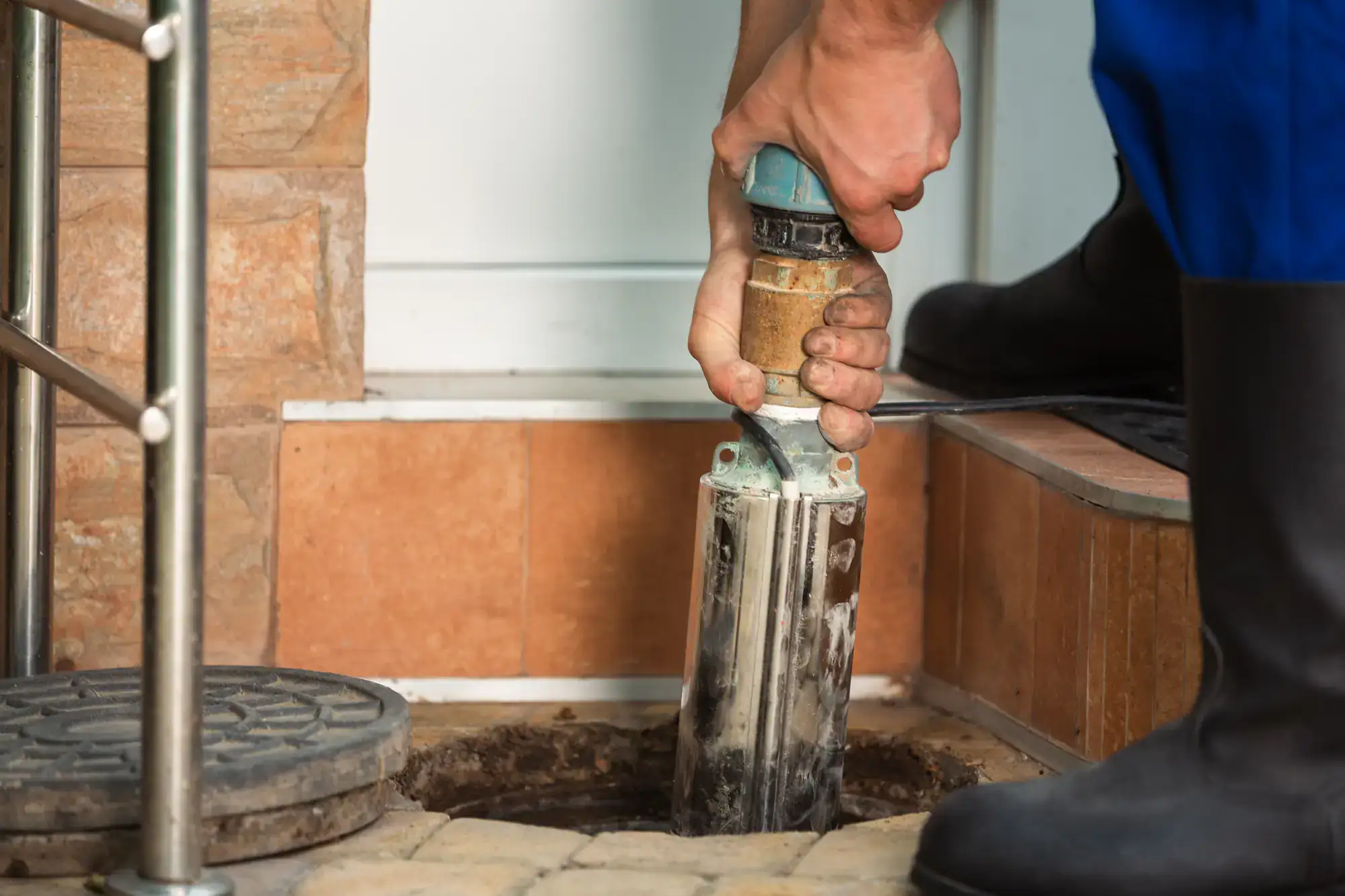
Yes, and for most Buckeye properties it’s actually the most relevant application. Because the community is unincorporated and not served by a municipal sewer system, your lateral lines — the pipes connecting your home’s drain system to your septic tank — are private infrastructure that you own and maintain. We clear these lines the same way we clear municipal sewer connections, removing root intrusions, grease buildup, and mineral scale from the pipe walls rather than just punching a temporary path through the blockage.
The key difference from a municipal sewer job is that a pre-jetting camera inspection is especially important here. Septic laterals on rural El Dorado County properties vary significantly in age, material, and condition. A camera inspection before jetting confirms the pipe can handle the pressure and identifies any sections that may need repair before cleaning proceeds. We perform this inspection on every job — it protects your pipes and ensures the service actually accomplishes what it’s supposed to.
For most residential properties in Buckeye and the Georgetown area, once every one to two years is a reasonable maintenance interval — but the right answer depends on what’s driving the buildup in your specific system. If you have mature trees with roots near your lateral lines, which is common on the large wooded lots throughout this area, annual jetting may be the more practical approach. Roots don’t stop growing, and a service that scours them from pipe walls will buy you significantly more time than snaking, but it’s not a permanent fix.
If your primary issue is mineral scale from El Dorado County’s harder foothill water supply, the interval depends on how quickly scale accumulates in your particular pipes. Older galvanized or cast iron lines tend to accumulate scale faster than PVC. For properties with heavy kitchen grease use, more frequent service may be warranted. After your first jetting, the camera inspection results and how long it takes for symptoms to return will tell you more about your specific system’s maintenance needs than any general guideline can.
It can be, but the answer genuinely depends on the condition of the pipe — not just its age. Cast iron and galvanized steel pipes that are structurally sound can handle hydro jetting at appropriate pressure settings. The same pipes, if they’ve corroded significantly or have pre-existing cracks, may not. Clay pipes, which appear in some older El Dorado County properties, are similarly condition-dependent. Age alone doesn’t determine whether jetting is safe — the pipe’s current structural integrity does.
This is exactly why the camera inspection before jetting is not optional. We run a camera through the line before any pressure is applied. If the inspection reveals compromised sections — corrosion, cracks, joint separations — those issues are identified and discussed before the job proceeds. In some cases, a repair or partial repipe is the right first step before jetting makes sense. If hydro jetting isn’t the right tool for your system, you’ll know that before any work begins, not after.
Snaking is a mechanical cable that breaks through or pulls out a blockage. It works well for isolated clogs close to the drain opening — within roughly the first five to ten feet of pipe. Beyond that, it loses effectiveness, and even where it does work, it only clears a path through the clog rather than cleaning the pipe wall. The grease, root fragments, and mineral deposits that caused the blockage stay in place and become the foundation for the next one.
Hydro jetting uses pressurized water — up to 4,000 PSI in our equipment — to scour the entire interior surface of the pipe. We remove what snaking leaves behind. For Buckeye homeowners dealing with recurring clogs, slow drains across multiple fixtures, or known tree root intrusion near septic laterals, hydro jetting is the more appropriate tool. If you’ve had the same drain snaked two or three times in the past year and it keeps backing up, that’s a reliable signal that snaking isn’t solving the actual problem.
Our residential hydro jetting runs between $450 and $900, depending on the severity of the blockage and how accessible the pipe is. That range is published openly — not revealed at the end of a service call. The price you’re quoted before work begins is what you pay. No diagnostic fees are added on top, and there’s no pressure to approve additional services.
For context, a drain snaking typically costs $150 to $350 per visit. If you’re having the same line snaked three or four times a year because the clog keeps returning — which is common in Buckeye properties with root intrusion or significant mineral buildup — the annual cost of repeated snaking can easily exceed what a single hydro jetting service costs. And the jetting result lasts significantly longer. For Buckeye homeowners managing rural properties on careful budgets, that math is worth running before assuming the cheaper option upfront is the better value overall.
The clearest signal is recurrence. If a drain has been cleared before — whether by snaking, chemicals, or a plumber — and it’s backing up again within weeks or a few months, the underlying buildup was never fully removed. You’re dealing with the same pipe walls, the same root fragments or grease deposits, just slightly reduced each time. That cycle doesn’t end until the pipe is actually cleaned rather than just temporarily cleared.
Other signs that point toward hydro jetting: multiple fixtures draining slowly at the same time, which suggests a main line issue rather than an isolated clog; gurgling sounds from drains or toilets when water runs elsewhere in the house; and persistent foul odors that don’t resolve after basic cleaning. For Buckeye properties specifically, if you have large mature trees anywhere near your septic lateral lines and you’ve never had the lines professionally cleaned, that alone is a reasonable basis for a camera inspection and jetting — not because something is necessarily wrong yet, but because root intrusion in this environment is a matter of when, not if.
Other Services we provide in Buckeye