
Hear from Our Customers
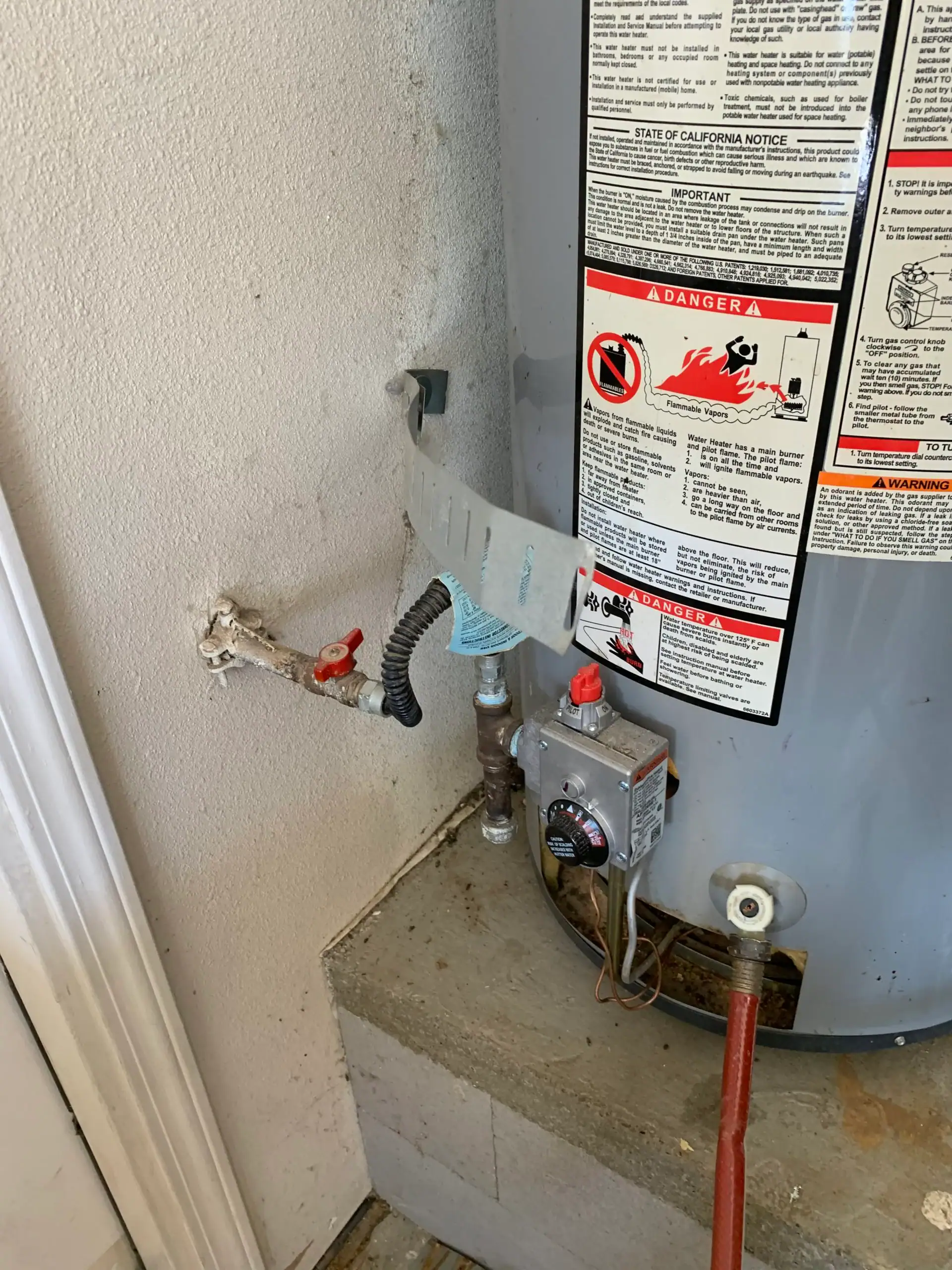
The moment an earthquake trips your gas line, one thing determines whether that event becomes a manageable inconvenience or a structure fire whether your gas shuts off automatically or keeps flowing. That’s the whole point of an earthquake shut-off valve, and it’s a straightforward problem with a straightforward fix.
For Sheridan homeowners specifically, this matters more than it might in a newer suburb. A lot of properties in this area were built well before modern seismic safety standards existed. Older homes along the western Placer County corridor often have gas infrastructure that’s never been assessed, meters in non-standard spots, and lines that were installed when earthquake preparedness wasn’t part of the conversation. A seismic valve doesn’t change any of that history but it does mean that if the ground moves, your gas stops before the damage compounds.
There’s also the insurance angle, which is becoming harder to ignore in rural foothill communities. Carriers tightening their underwriting standards in California are increasingly listing seismic shut-off valves as a requirement not just a discount opportunity. A documented, permitted installation gives you something concrete to hand your insurer. That piece of paper has real value when your policy renewal comes around.
We’ve been doing this work since 2009. Ryan Murray holds California C-36 License #916322 the specific classification required by state law for gas line and seismic valve work. You can verify it at cslb.ca.gov in under a minute. That’s not a detail most contractors lead with, and there’s a reason we do.
We serve Sheridan and the broader western Placer County footprint, including properties along SR-65 and the rural parcels that stretch out toward Camp Far West Road. We know that homes out here don’t look like Roseville tract houses. Meters are in different spots, properties are on acreage, and some structures haven’t had a plumber through the door in years. That’s exactly why we do a free assessment before any work is quoted.
With a 4.7-star rating across 93 reviews, the feedback we hear most often isn’t about the valve itself it’s that the final invoice matched what we said it would be. In a business where surprise charges are the norm, that consistency is what actually builds trust.
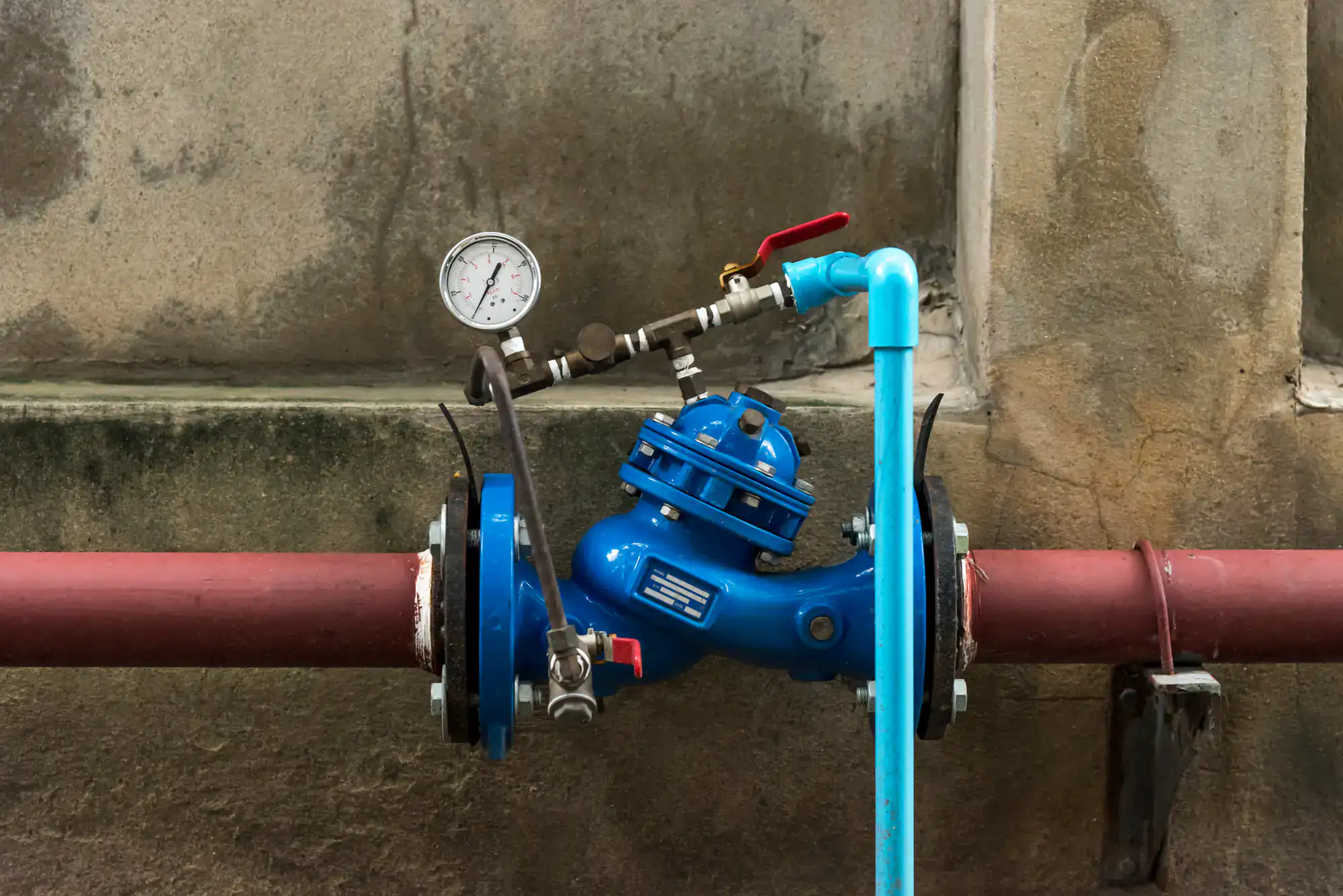
It starts with a free on-site assessment. We come out to your Sheridan property, look at your gas meter, evaluate the configuration, and give you a firm price before anything else happens. For properties in this area especially those on acreage or with older infrastructure this step matters. Rural parcels sometimes have meters tucked in unexpected locations or lines running to multiple structures. We need to see it before we can price it honestly, and we won’t ask you to commit before we do.
Once you’re ready to move forward, we handle the permit application with Placer County Community Development. Because Sheridan is an unincorporated community, permits run through the county rather than a city building department. That process is ours to manage you don’t need to navigate it. We schedule the work, install a DSA-certified seismic valve at the meter, and make sure everything is tight and up to code before we leave.
After installation, a Placer County inspector signs off on the work. You get written documentation of the completed installation the permit record, the valve certification, and our workmanship warranty. That paperwork is what satisfies insurance requirements and holds up in a real estate transaction. The whole process, from first call to final inspection, typically runs a few days to a week depending on county scheduling.

Ready to get started?
Every earthquake valve installation we complete includes a DSA-certified valve, all labor, permit fees, the Placer County inspection, and written documentation of the completed work. The price range for most residential installations in this area runs $400 to $650. If your property’s setup puts you outside that range an unusual meter location, multiple gas-fed structures on a rural parcel, or access challenges we’ll tell you exactly why before we start.
The DSA certification is worth understanding. Not every valve on the market meets California’s Division of the State Architect standard, and a non-certified valve won’t satisfy insurance documentation requirements or hold up in a real estate disclosure. If an inspector flags the absence of a seismic valve on a Sheridan property you’re selling or buying, the replacement needs to meet that standard otherwise you’re doing the job twice.
We also walk you through the post-trip protocol at the time of installation, because it’s something most homeowners don’t know and every homeowner should. If an earthquake trips your valve, do not reset it yourself. Call us first. We inspect your gas lines for damage before restoring service. Resetting a valve without confirming line integrity can introduce gas into a damaged system and on a rural property where the nearest fire station isn’t around the corner, that’s a risk that isn’t worth taking.
Yes and because Sheridan is an unincorporated community, that permit comes from Placer County Community Development rather than a city building department. This trips up some homeowners who assume the process works the same way it does in Lincoln or Roseville. It doesn’t. Out here, the county is the authority, and any gas work that doesn’t go through them is unpermitted regardless of who did it.
We handle the permit application as a standard part of every installation. You don’t need to create an account on the county portal or track down the right department. We file it, schedule the inspection, and get the sign-off. The finished permit record becomes part of your documentation package which is what your insurer or a buyer’s agent will ask to see if this ever comes up in a transaction.
For most residential installations in the Sheridan area, the all-in cost runs $400 to $650. That includes the DSA-certified valve, labor, permit fees, and the Placer County inspection. There’s no separate line item for the permit and no charge for the pre-installation assessment.
Where costs can shift is on rural properties with non-standard configurations a meter that’s in an unusual location, a property with multiple gas-fed structures, or access challenges on an acreage parcel. These situations aren’t uncommon in western Placer County, and they’re exactly why we do the free assessment first. If anything about your property puts the job outside the standard range, we’ll explain what’s driving the difference and give you an exact number before we touch anything. The goal is that you know the full cost before you commit not after.
It depends on your carrier and your policy, but the trend in California is moving clearly in one direction. Several major insurers have pulled back from offering new policies in the state, and the ones still writing coverage are tightening their underwriting standards. Seismic shut-off valves are increasingly appearing as requirements or premium-affecting factors especially on rural and foothill properties that are already under closer scrutiny.
If your insurer hasn’t asked about it yet, it’s worth checking your policy renewal language. Some carriers list it as a discount qualifier. Others are starting to require documented installation for continued coverage. Either way, a permitted installation with a DSA-certified valve and a Placer County inspection record gives you something concrete to submit. A receipt from a hardware store and a valve installed without a permit won’t satisfy most carriers and in a market where coverage options in this area are already limited, you don’t want to give them a reason to decline.
A DSA-certified valve meets California’s Division of the State Architect standard which means it’s been tested and approved to trigger at a specific seismic threshold and shut off gas flow reliably when it matters. A non-certified valve may look similar and cost less, but it hasn’t gone through that testing process and won’t satisfy California permit requirements, insurance documentation requests, or real estate disclosure standards.
The practical difference for a Sheridan homeowner is this: if you install a non-certified valve, you may still have a valve on your meter but you won’t have the documentation that proves it meets the standard anyone is going to ask about. That matters when you’re renewing your insurance, when a buyer’s inspector walks your property, or when you need to pull a permit and the county asks what you installed. We only install DSA-certified valves, and the certification is included in the documentation we provide at the end of every job.
This is a fair question for anyone living along the SR-65 corridor or on agricultural land in western Placer County and it’s one of the more common concerns we hear from Sheridan homeowners. The short answer is no, not with a properly installed DSA-certified valve.
The false-trigger concern is real, but it’s associated with cheap, non-certified valves that aren’t calibrated to a specific seismic threshold. A DSA-certified valve is designed to distinguish between the kind of ground movement caused by an earthquake and the vibration from a passing truck, farm equipment, or a door slamming. It won’t trip from normal rural activity. If you’ve heard stories about valves going off unexpectedly, those situations almost always involve uncertified hardware or improper installation. The certification standard exists precisely to prevent that problem, and it’s why we don’t cut corners on which valves we use.
The most important thing is this: don’t reset it yourself. A tripped valve is telling you the ground moved enough to trigger a seismic response and that means your gas lines may have shifted, cracked, or separated somewhere between the meter and your appliances. Resetting the valve before someone checks the lines can push gas into a damaged system, which is a far worse outcome than going without gas for a few hours.
Call us first. We’ll come out, inspect the accessible portions of your gas line for signs of damage, check connections at your appliances, and confirm that everything is intact before restoring service. On a rural Sheridan property where you may have gas running to a main house, an outbuilding, or a detached structure that inspection covers more ground than it would on a standard suburban lot. Once we’ve confirmed the lines are sound, we reset the valve and restore your service. We’re available 24/7, including after seismic events when response demand is high, and we’ll tell you honestly if anything we find needs attention before the gas goes back on.
Other Services we provide in Sheridan